

You’re staring at that outdated kitchen. The bathroom’s stuck in 1995. Your front door looks like it survived a zombie apocalypse. Here’s the thing: a home remodeling project doesn’t have to drain your savings or turn into a six-month nightmare. Smart homeowners know which upgrades actually pay off.
Americans dropped $603 billion on home renovations last year, according to the National Association of REALTORS. But here’s the kicker—most people blow their budget on the wrong stuff. That granite countertop? Might not give you the return you’re hoping for. Meanwhile, swapping your front door could literally pay for itself when you sell.
Let’s break down how to tackle your home remodeling project like a pro. No fluff, no corporate speak—just the real intel on what works, what doesn’t, and how to avoid rookie mistakes that’ll cost you thousands.
Why Your Home Remodeling Project Needs a Strategy First
Most folks jump straight into demo mode. Bad move. Your home remodeling project needs a game plan before the first hammer swings. Think of it like planning a road trip—you wouldn’t just start driving without knowing your destination.
Start by listing what’s broken versus what you just don’t like. Structural stuff comes first. That leaky roof or sketchy electrical? Handle those before you start dreaming about that spa bathroom. According to Angi’s research, 27% of homeowners remodel because their finishes are worn out, not because they want something fancy.
Here’s your priority framework: structural issues, mechanical systems, then dream projects. Makes sense, right? You can’t enjoy your fancy new kitchen if your furnace dies mid-winter. Talk to a real estate agent too—they know what buyers actually care about in your neighborhood.
Group your wishlist into three buckets. Walls and roofs go in one. HVAC, plumbing, and electrical in another. Kitchen remodels and new decks in the third. This keeps you focused on what matters most for your home remodeling project.
Projects That Actually Pay You Back
Here’s where it gets interesting. Some upgrades return every dollar you spend. Others? You’re lucky to see fifty cents back. The 2026 Remodeling Impact Report crunched the numbers, and the results might surprise you.
A steel front door gives you 100% cost recovery. Yeah, you read that right. Spend $2,000, get $2,000 back when you sell. Fiberglass doors hit 80%. Compare that to a full bathroom renovation at 50%, and suddenly that curb appeal project looks pretty smart.
Closet renovations return 83% of your investment. Storage matters more than you think. Buyers will pay extra for organized spaces, especially walk-in closets with accent lighting and custom shelving. It’s not glamorous, but it moves the needle on your home’s value.
New vinyl windows recover 74% of costs. Wood windows hit 71%. Basement conversions also land at 71%. Notice a pattern? The projects that solve actual problems—drafty windows, wasted space, broken doors—these are your money makers for any home remodeling project.
Kitchen remodels only return 60%, even though they’re the most popular upgrade. Bathroom additions? Just 56%. New primary suites sit at 54%. These feel impressive, but they’re expensive gambles if resale value matters to you at all right now.
The Front Door Factor
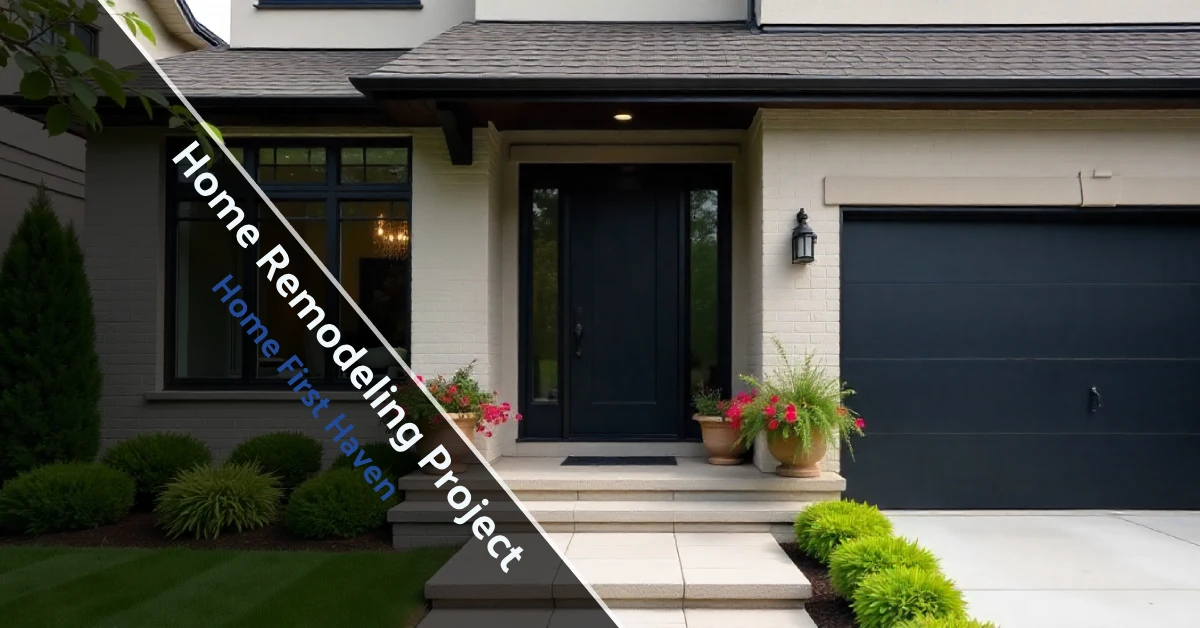
Black front doors are having a moment. Window and door pros ranked them as the top choice for boosting curb appeal. They look sharp, match any siding color, and signal to buyers that someone gives a damn about this property.
Your front door is literally the first thing people see. It sets expectations before they even step inside. A beat-up entry screams “deferred maintenance.” A fresh, modern door whispers “well-maintained home.” That psychological shift is worth way more than the $1,500 to $3,000 you’ll spend.
Steel doors win on durability and security. Fiberglass options give you the wood look without the maintenance headaches. Either way, this upgrade takes a weekend to install. You could knock this out next Saturday and immediately feel better about your home remodeling project progress.
Paint: Your Secret Weapon for Quick Wins
Real estate agents consistently recommend painting as the top move to make homes more marketable. It’s cheap, fast, and transforms spaces instantly. You can paint your entire house for what one new appliance costs. That’s a cheat code right there for home remodeling projects.
Whites still dominate, but warm tones are taking over. Think beiges, khakis, and soft greens. Sherwin-Williams experts confirm greens have become the new neutral. Wild, but homeowners are digging that earthy vibe that doesn’t feel sterile or boring at all.
For living rooms, go with soft whites, greige, or taupe. Bedrooms do well with warm neutrals and earthy greens. Cool blues work too, especially for spaces meant to feel calming. Blush tones add a subtle warmth without going full pink explosion on your walls here.
Skip the bold accent walls unless you’re keeping the house. Buyers want blank canvases they can personalize. Your neon orange feature wall might kill deals before they start. Save the personality for your furniture—keep walls neutral and appealing to the widest audience possible during your home remodeling project.
Kitchen Updates That Don’t Require a Second Mortgage
Full kitchen remodels average $30,000 to $50,000. Ouch. But minor updates can transform the space for a fraction of that cost. Refacing cabinets instead of replacing them saves thousands. Same box, new doors. Boom—modern kitchen without the demo disaster and dust everywhere.
White cabinets remain timeless. But two-tone combinations are blowing up right now. White uppers with darker lowers—wood tone, navy, or forest green. It adds depth without feeling dated. Houzz data shows that a quarter of renovators are going this route for their home remodeling project kitchens.
Paint just your kitchen island a contrasting color. Blue and green combos are trending hard. This trick costs maybe $50 in paint and gives you that custom look for basically nothing. It’s the kind of detail that makes your kitchen feel intentional rather than thrown together quickly.
New hardware is another cheap win. Swap those brass knobs from 1987 for modern matte black or brushed nickel pulls. This takes an afternoon and costs under $200. Small change, huge visual impact. Sometimes the little things carry the biggest punch for any home remodeling project.
Ripping out floors and starting fresh costs a fortune. But if you’ve got hardwood underneath that carpet or just dull, scratched floors, refinishing brings them back to life. You’re looking at $3 to $8 per square foot versus $12 to $20 for a new installation here.
Natural wood finishes with no stain are trending right now. That raw, authentic look feels modern without trying too hard. It works with any decor style and won’t look dated in five years. Plus, buyers appreciate real hardwood—it’s a selling point that laminate just can’t match.
Refinishing takes a weekend if you DIY or a few days with professionals. The smell isn’t great, but it beats living in construction chaos for weeks. One solid weekend of inconvenience versus months of floor replacement? Easy call for most home remodeling project timelines and budgets.
Bathroom Updates Without the Renovation Nightmare
Full bathroom remodels average $15,000 and up. That number climbs fast if you’re moving plumbing or knocking down walls. But you don’t need to go full demo to make your bathroom feel brand new. Smart updates cost $200 to $5,000 and deliver a serious impact.
New vanity, updated lighting, fresh paint, modern fixtures. These four moves transform bathrooms without touching the plumbing. You can knock this out in a long weekend. No permits, no contractors, no loan required. Just sweat equity and a credit card that can handle a few thousand bucks.
Tile paint exists now. You can literally paint over those pink tiles from 1982. Add peel-and-stick luxury vinyl flooring, swap the mirror, and upgrade to a rain showerhead. Suddenly, your bathroom looks like something from a boutique hotel instead of a time capsule nobody wants.
The Garage Door Upgrade Nobody Thinks About
Garage doors take up massive visual real estate on most homes. Yet nobody thinks about upgrading them until they break. Big mistake. A new garage door consistently ranks high for ROI and makes your whole house look more put-together instantly every single time.
Glass panel doors are hot right now for modern homes. Steel doors work for contemporary looks. Wood or faux wood brings that rustic vibe if you’re going for cozy farmhouse energy. Amarr’s trend report shows all three styles dominating new installations this year for most home remodeling projects.
Your garage door should match your home’s architecture. Don’t slap a modern glass door on a traditional colonial. It’ll look weird and potentially hurt resale value rather than help. Match the style, and this upgrade becomes a smart investment instead of a costly mistake that buyers will notice immediately.
Landscaping: The 100% ROI Secret
Want your money back guaranteed? Landscaping upgrades hit 100% cost recovery according to the NAR’s 2023 Outdoor Features report. We’re talking stone planters, a natural flagstone walkway, flowering shrubs, one decent tree, and mulch. Nothing crazy, just intentional outdoor design that makes sense overall.
Softscaping—plants, trees, flowers—costs less than hardscaping but delivers a huge visual impact. Shrub planting runs $25 to $50. Tree planting costs $150 to $300. Compare that to a $50,000 kitchen remodel, and suddenly your yard looks like the smartest investment you can make right here.
Curb appeal drives first impressions. Buyers decide if they’re interested before they even get out of the car. Your landscaping either invites them in or sends them to the next listing. That’s powerful psychology for a few thousand bucks and a weekend of planting for your home remodeling project.
The Moisture Problem You Can’t Ignore
Basements, kitchens, and bathrooms hide moisture issues that’ll wreck your entire home remodeling project if you don’t catch them early. Warped wood, damaged foundations, mold—these problems multiply fast and cost stupid money to fix once they’re entrenched in your home’s structure.
Grab a hygrometer and test humidity levels. Above 60% relative humidity means you’ve got problems. Below 30% means the air’s too dry. You want 30% to 50%—that sweet spot where materials stay stable, and mold can’t take hold in your walls or floors ever.
Tape plastic sheets to basement walls, ceilings, and floors. Check back in two weeks. Condensation on the plastic? Your humidity levels need work before you finish that basement. This simple test saves you from catastrophic failures after you’ve dropped $20,000 on your finished space that nobody can enjoy.
Fix moisture issues before anything else happens. Seal foundations, improve ventilation, and install dehumidifiers. Your beautiful new basement can’t fight physics. Water will find a way to ruin your investment if you skip this step during any serious home remodeling project planning phase.
HVAC Reality Check Before You Start
Schedule an HVAC inspection before your home remodeling project kicks off. Seriously. Finding out your furnace is dying after you’ve gutted the basement is a nightmare you don’t want. Get ahead of mechanical problems while you still have budget flexibility to handle them properly now.
Adding rooms means adding heating and cooling demands. Your current system might not handle the extra load. HVAC pros can tell you if you need zoning solutions or a bigger system. This isn’t sexy stuff, but it’s the difference between a comfortable home and an expensive regret that haunts you.
Never cover HVAC equipment or water heaters. They need airflow for safe operation. Enclosing them in your finished basement design creates carbon monoxide risks. Not worth it. Design around these units, not over them. Safety beats aesthetics when combustion gases are involved in any living space.
Smart Money Moves for Your Home Remodeling Project
DIY your demolition if you’ve got the time and muscle. Ripping out old cabinets, floors, and fixtures saves hundreds in labor costs. Contractors charge premium rates for demo work. You’re literally paying someone to destroy stuff. Do it yourself and put that money toward better materials instead.
Upcycle and shop secondhand. Architectural salvage yards stock high-quality materials for pennies on the dollar. That vintage door hardware or reclaimed wood? It’s got character, new stuff can’t match, and costs way less. Plus, you’re keeping good materials out of landfills. Win-win for everyone involved always.
Let your contractor use their connections. They know suppliers, they get trade discounts, and they have backup crews. Don’t micromanage yourself into higher costs. Good contractors save you money by working efficiently. Trust their process or hire someone else you actually trust from the start of your project.
Making Your Home Remodeling Project Actually Work
You’ve got the data now. Front doors, paint, closets—these are your high-return plays. Full kitchen and bathroom overhauls? Save those for houses you’re keeping long-term. The math doesn’t lie. Smart renovations pay for themselves. Bad ones just burn cash with nothing to show buyers later.
Start small, test your contractor, and see how you handle living in construction chaos. Then scale up if everything’s working smoothly. Jumping into a $100,000 whole-house remodel with an untested crew is gambling with your biggest asset. Not smart. Prove the partnership works first before you bet the farm.
Focus on projects that solve real problems or add real value. Buyers pay for new windows because they work better. They pay for organized closets because storage matters. They don’t pay extra for your taste in backsplash tiles. Keep it practical, keep it profitable, and your home remodeling project becomes an investment instead of an expense that never pays off.
Your home should work for you now and pay you back later. That’s the whole game. Nail that balance, and you’ll crush this home remodeling project without the stress or regret that comes from chasing the wrong upgrades at the wrong time for the wrong reasons entirely here.