

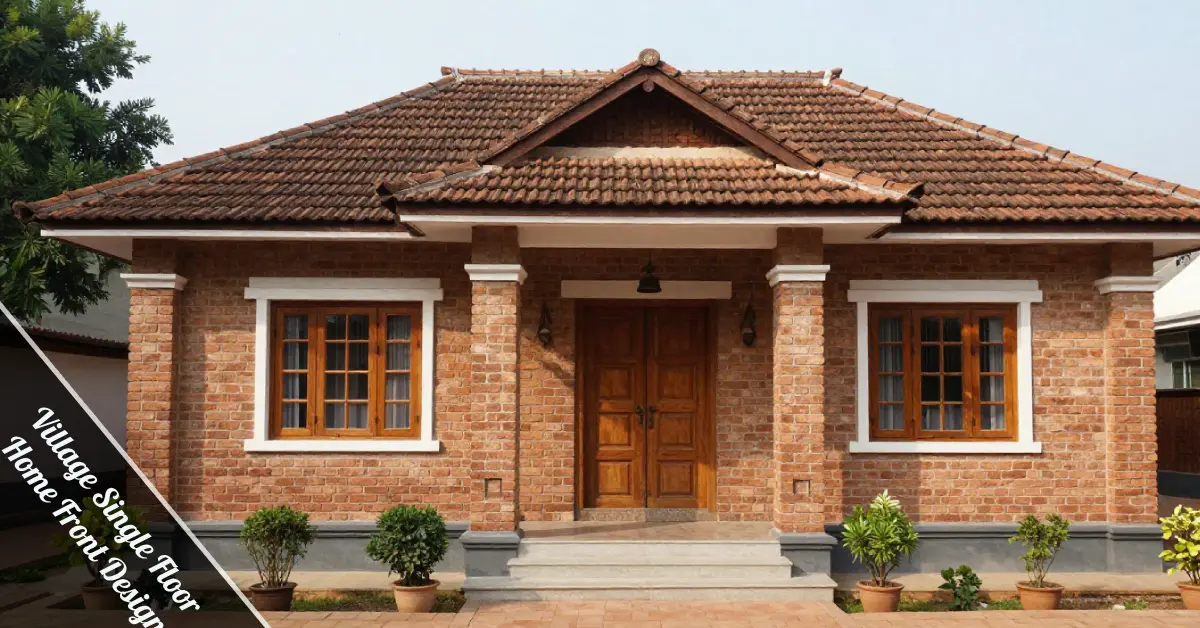
Your home’s front elevation isn’t just about curb appeal—it’s the first handshake your house gives the world. And if you’re building or renovating a single-floor village home, you’ve got a golden opportunity to blend tradition, function, and modern flair without breaking the bank. Let’s talk about how to nail that village single floor home front design with style, substance, and zero regret.
Whether you’re sketching plans on graph paper or scrolling through design inspo at 2 AM, this guide’s got you covered. We’re diving into real design ideas, materials that actually work, color combos that pop, and layouts that make sense for village living—no fluff, no filler—just the good stuff.
Why Your Front Design Matters More Than You Think
First impressions stick. Your home’s front elevation sets the tone for everything inside. It tells visitors you’ve got taste, shows neighbors you care, and honestly? It makes you feel good every time you pull up. A well-planned village single floor home front design doesn’t just look sharp—it boosts your property value, reflects your personality, and handles weather like a champ.
Think about it: brick walls, wooden doors, a clean veranda, maybe some stone cladding. These aren’t just design choices—they’re investments. And when done right, they age like fine wine. Plus, village homes have this natural charm that modern apartments can’t touch. You just need to lean into it.
Key Features That Make Village Homes Stand Out
The Veranda: Your Front-Row Seat to Village Life
Every solid village home needs a veranda. It’s where chai happens, gossip flows, and lazy Sunday afternoons live rent-free. A spacious covered porch with decorative pillars isn’t just traditional—it’s practical. You get shade, extra seating, and a buffer zone between the street and your living room.
Wooden pillars or stone columns give that rustic backbone. Add some comfortable seating, maybe a swing, and you’ve got yourself a gathering spot that beats any coffee shop.
Big Windows for Fresh Air and Natural Light
Village life thrives on fresh air. Large windows with wooden frames or shutters let breezes in, keep your interiors cool, and reduce your electricity bill. Plus, they make rooms feel bigger and brighter without any renovation drama.
Go for traditional window designs that match your region’s vibe. Think arched tops, carved frames, or simple rectangular shapes with bold trims. Function meets beauty here.
Flat or Sloping Roofs—Both Work, Both Win
Your roof choice depends on climate and budget. Flat roofs scream modern minimalism—clean lines, easy construction, and that sleek horizontal symmetry. They’re perfect if you’re chasing contemporary vibes in a village setting.
Sloping roofs with clay tiles or metal sheets? Classic village energy. They handle rain like pros, add vertical interest, and give you that timeless farmhouse feel. Pick your roof based on local weather patterns and your design direction.
Top Design Styles for Single Floor Village Homes
Brick-Inserted Traditional Design
Brick never goes out of style. The reddish-brown tones, rough texture, and natural warmth make it a village home favorite. Pair brick walls with wooden doors and you’ve got instant rustic charm. It’s low-cost, durable, and blends beautifully with greenery around you.
Brick also ages well. Over time, it develops character—moss creeping in, weathered edges, that lived-in authenticity. If you’re after a down-to-earth rural vibe, brick’s your best friend.
Stone-Clad Elevation for Timeless Grandeur
Want something that screams “built to last”? Go stone. Stone cladding gives your home that solid, grounded presence. It’s low-maintenance, weatherproof, and works with literally any landscape. Mountains, plains, forests—stone fits everywhere.
The textured finish adds visual depth without being flashy. You can choose from various stone tiles based on your budget. And bonus: stone stays cool in summer, which is a win for village living.
Farmhouse Style with Modern Convenience
The farmhouse look is having a moment—and for good reason. Think large windows, wooden accents, exposed brick, and a wide front porch. It’s rustic meets refined. You get that cozy, welcoming feel while keeping things functional.
Farmhouse designs focus on seamless indoor-outdoor transitions. Verandas connect to courtyards, windows frame garden views, and natural materials dominate. It’s comfort, simplicity, and style rolled into one aesthetic.
Minimalist Contemporary Cube Design
If your taste leans modern, the contemporary cube design delivers. Flat roofs, glass panels, concrete walls, and metal accents create a futuristic village home vibe. It’s compact, efficient, and perfect for smaller plots.
This style prioritizes clean lines and open spaces. Large glass windows flood interiors with natural light. It’s low-maintenance, energy-efficient, and stands out in traditional village neighborhoods. Modern doesn’t mean cold—it means smart design.
Pillar-Style Elevation for Structural Elegance
Pillars aren’t just support—they’re style statements. Well-placed columns improve structural integrity while adding visual drama. You get that sense of stability and grandeur without going overboard. Pillars frame your entrance, create symmetry, and elevate the entire elevation.
Use stone, brick, or wood for your columns. Decorative carvings or simple smooth finishes—both work. Pillars give your home that anchored, majestic posture that’s hard to ignore.
Best Materials for Village Home Front Designs
Wood: Warm, Natural, and Timeless
Wood brings warmth and organic beauty. It’s versatile, blends with rural landscapes, and adds instant character. From doors to window frames to pillars, wood works everywhere. Just remember: it needs regular maintenance to fight weathering and pests.
Choose treated wood for longevity. Teak, sal, and pine are solid picks. The natural grain and earthy tones make your home feel lived-in and loved.
Stone and Brick: Durable and Climate-Friendly
Stone and brick are village home MVPs. They’re durable, provide natural insulation, and handle all climates without flinching. Plus, they age beautifully. Rain, sun, wind—these materials take it all and keep looking sharp.
Brick offers flexibility in design and color. Stone gives you that premium, timeless feel. Either way, you’re investing in materials that outlast trends.
Concrete: Modern, Moldable, and Fire-Resistant
Concrete’s the workhorse of modern construction. You can mold it into any shape, texture, or finish. It’s robust, handles harsh weather, resists fire, and needs minimal upkeep. Paint it, polish it, leave it raw—concrete adapts.
For contemporary village homes, concrete’s the backbone. Pair it with glass or wood for contrast. It’s affordable and dependable.
Composite Materials: Low-Maintenance and Long-Lasting
Modern composites combine durability with convenience. They resist pests, rot, and fire. They need less maintenance than wood or brick. And they come in various finishes to match your design vision.
If you’re chasing long-term investment value with minimal headaches, composites deserve a serious look. They’re the cheat code for busy homeowners.
Color Combinations That Make Your Home Pop
Earthy Tones for Natural Harmony
Beige, terracotta, olive green, and warm browns create a peaceful, grounded look. They match village surroundings, blend with nature, and never feel out of place. These colors age gracefully and suit most design styles.
Use earthy tones on walls and let your doors or trims carry accent colors. It’s a safe bet that always works.
Bright Accents for Visual Interest
White trim, blue doors, or yellow window frames add personality without overwhelming. Bright accents draw the eye, highlight architectural features, and make your home memorable. Keep it balanced—one or two accent colors max.
Think white walls with deep blue doors or cream exteriors with terracotta trims. Contrast is your friend here.
Light Colors for Heat Reflection
White, cream, and pale shades reflect sunlight and keep interiors cooler. This is clutch in hot climates. Plus, light colors make your home look spacious, clean, and modern.
Pair light exteriors with dark roofs or bold trims for balance. It’s practical and pretty.
Budget-Friendly Design Ideas That Don’t Look Cheap
Low-Budget Materials That Deliver
Clay tiles, metal sheets, concrete, and brick are affordable and durable. You don’t need imported marble or exotic wood to build a stunning village single floor home front design. Focus on smart material choices and solid execution.
Use cost-effective construction techniques without sacrificing quality. Good planning and local materials save money while maintaining aesthetic appeal.
Maximize Space with Smart Layouts
Single-floor homes shine when space is used wisely. Open floor plans, multi-functional areas, and proper ventilation make small homes feel spacious. Avoid cramped rooms and awkward corners.
Plan your layout before construction begins. Think about traffic flow, natural light, and future expansion. Smart design beats square footage every time.
DIY Touches for Personal Flair
Hand-painted tiles, carved wooden details, custom metalwork—personal touches make your home unique. You don’t need a massive budget for character. Small, thoughtful additions create big visual impact.
Get creative. Local artisans often offer affordable custom work. Support your community and personalize your space simultaneously.
Conclusion: Build a Front That Feels Like Home
Your village single floor home front design is more than bricks and paint—it’s where tradition meets your personal style. Whether you’re going rustic with brick and wood, modern with concrete and glass, or timeless with stone, the goal stays the same: create something functional, beautiful, and uniquely yours.
Focus on durable materials, smart layouts, and colors that complement your surroundings. Keep it simple, keep it authentic, and don’t overthink it. The best village homes feel lived-in from day one.
Ready to start planning? Grab those design sketches and make your vision real. Your dream home front is closer than you think.