

You’re scrolling through property pics at 2 AM again. That cramped kitchen’s got you dreaming of something bigger—something that screams “I’ve got taste” without trying too hard. Enter the oak frame extension.
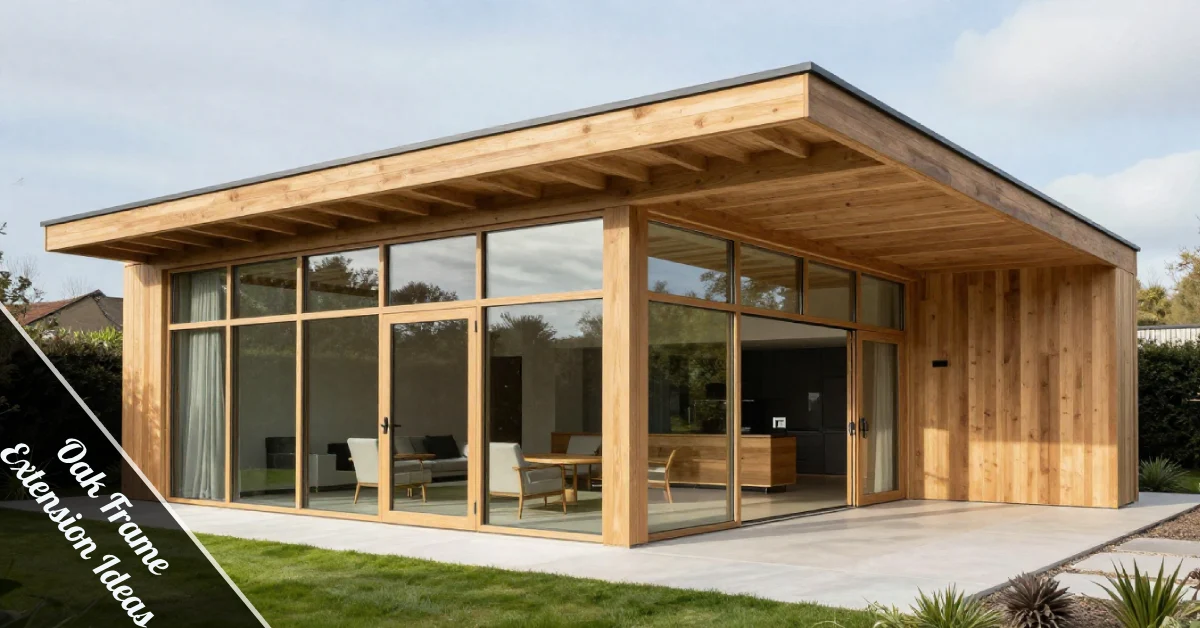
Here’s the thing: oak frame extension ideas aren’t just about adding square footage. They’re your cheat code for transforming a basic house into something that belongs in a design magazine. We’re talking exposed beams that age like fine whiskey, floor-to-ceiling glass that floods your space with natural light, and that rustic-meets-modern vibe that makes every Instagram story hit different.
Whether you’re working with a Georgian townhouse or a 1960s fixer-upper, oak frames bring character that bricks and mortar just can’t match. Plus, they’re prefabricated offsite—meaning faster builds, fewer headaches, and more time to plan that housewarming party.
Why Oak Frame Extensions Hit Different
Oak isn’t just wood—it’s a whole vibe. The beauty of green oak frames is they’re built in a workshop, then assembled on your property like grown-up LEGO. This means your build time shrinks from months to weeks. The frame goes up in days—sometimes just seven—while you’re still deciding on paint colors.
Most oak extensions feature massive glazed panels because, honestly, why hide all that beautiful timber? Floor-to-ceiling glass pairs with exposed beams to create spaces that feel both cozy and expansive. It’s the architectural equivalent of wearing a tailored suit with sneakers—refined but relaxed.
1- Light-Filled Kitchen Extensions That Actually Cook
Your kitchen’s where life happens. An oak frame kitchen extension transforms this hub into something special.
Take Mared and Nick’s 1930s house makeover. Working with Welsh Oak Frame, they ended up with a two-storey L-shaped addition that cost around £95,000 for 256m². The floor-to-ceiling glazing? Narrow frames designed to flex with the oak’s natural movement—because timber breathes, and your extension should too.
The couple didn’t just add rooms; they created flow. Kitchen bleeding into living room, natural light bouncing off oak beams, and enough space to actually have people over without playing Tetris with furniture.
2- Double-Storey Additions: When Going Up Makes Sense
Sometimes horizontal expansion isn’t enough. You need vertical drama.
Tim and Ali Lovett took their unloved 1960s house and added a three-storey oak frame extension on the front. Welsh Oak Frame delivered comprehensive drawings that left zero room for guesswork. The result? A home that went from “meh” to “wait, you built that?” in one project.
Double-height spaces work because they create volume without eating up your garden. You’re building skyward, which means more dramatic interiors, better natural light angles, and that loft-apartment energy everyone’s chasing.
3- Period Properties: Matching Old-School Charm with New-School Comfort
You’ve got a listed home. Oak frame extensions are your secret weapon for adding modern comfort without killing the character.
Check out the 17th-century listed home in West Yorkshire that got an Oakwrights garden room. Three walls of frameless glazing, exposed oak construction, and underfloor heating for those brutal UK winters. The original exterior stone became an interior feature—creating a neutral palette that feels intentional.
Paul and Karen Ayton’s 1920s Arts & Crafts home needed more light. Their old boiler room became a £140,000 green oak garden room perfect for indoor/outdoor entertaining. The instant charm of oak frames made the new space feel like it’d always been there.
4- Vaulted Ceilings: Because Flat Roofs Are For Car Parks
You want drama? Vaulted ceilings deliver. They turn standard rooms into spaces with presence.
The barn-style extension approach uses oak trusses and a pitched roof to create height. Welsh Oak Frame and Border Oak both specialize in these designs, where the ceiling becomes the main character.
Exposed oak beams in a vaulted ceiling do double duty. They’re structural and aesthetic—making every visitor look up and say “damn”. Install some downlights between the beams, and you’ve got ambient lighting that highlights the timber’s natural grain.
5- Budget Reality Check: What Oak Extensions Actually Cost
Let’s talk money. Oak frame extension ideas look premium because they are premium—but they’re not fantasy-land expensive.
Budget around £2,500-£3,000 per m² for your finished extension, excluding VAT. The oak frame itself typically runs a third to half of that total.
Real examples:
- 30m² sunroom: £45,000 (Jamie and Madeline’s project)
- 256m² two-storey: £95,000 for the oak package (Mared and Nick)
- Full garden room project: £140,000 (Paul and Karen)
The trick? Offsite manufacture. Your oak frame gets built in a workshop with quality control, then assembled on-site fast. Less time means lower labor costs and fewer weather delays, eating into your budget.
Consider organizing trades yourself instead of hiring a main contractor. You handle foundations, the Oak Company does the frame erection, then you pick up finishing work. It’s more hands-on but saves serious cash.
6- Glazing Game: Maximizing Light Without Turning Your Extension Into a Greenhouse
Oak and glass are best friends. The timber provides warmth; the glass floods everything with light.
Bifold doors are the MVP here. They fully retract to blur indoor-outdoor boundaries—perfect for summer evenings when you want the garden as part of your living space. Glazed gables take it up a notch. Picture a full wall of glass at the end of your extension, floor-to-ceiling, showcasing your garden views.
The technical bit: choose narrow frames designed to work with oak’s movement. Timber expands and contracts slightly, so your glazing needs to flex with it. Companies like Welsh Oak Frame and Oakwrights spec this correctly, so you don’t get gaps down the line.
7- Creating Zones Without Walls: Open Plan Done Right
Open plan living can feel messy if you don’t define spaces. Oak beams become your invisible walls.
Use ceiling beams to create zones. Kitchen under one section, dining under another, living area under a third. The beams mark boundaries without blocking sight lines or light.
The stone farmhouse on Dartmoor nailed this. Carpenter Oak designed a frame with two gable ends and sling braces, with a centrally-placed woodburner creating distinct zones. One open room, multiple purposes, zero actual walls needed.
8- Cottage Extensions: Rustic Vibes Without the Cliché
You’ve got a cottage. It’s charming but cramped. Oak extensions let you expand without losing that countryside energy.
The 17th-century limestone cottage that got an Oakwrights extension? They clad the new addition in matching limestone, so it feels like an original wing. Large arched windows pull in landscape views while the oak frame inside creates that barn-like presence.
For cottages, match exterior materials to your existing structure. Stone cottage? Consider stone cladding on your oak frame. The oak can stay exposed inside while the outside blends seamlessly.
9- Connecting Old and New: The Glazed Link Approach
Sometimes you don’t want your extension physically attached. Enter the glazed link.
Border Oak’s garden room project used a glass corridor connecting the new oak structure to the main house. This creates easy access regardless of the weather, additional interior space, and a clean visual separation that makes both buildings shine independently.
This approach works especially well for barn conversions or listed buildings. You’re clearly distinguishing old from new, which planning authorities love, while maintaining practical connectivity.
10- Heating Your Oak Extension Without Killing Your Energy Bill
Big glass walls look stunning but can hemorrhage heat. Smart heating strategy is non-negotiable.
Underfloor heating (UFH) is the gold standard. It eliminates radiators, creates even warmth, and works beautifully with oak and stone. Plus, it’s energy-efficient—running at lower temperatures while heating more effectively.
Log burners add both warmth and focal-point appeal. Modern designs in sleek finishes work perfectly in oak extensions, especially when paired with a statement chimney breast.
Consider your glazing spec carefully. Triple-glazed panels cost more upfront but slash heating costs long-term. In the UK climate, they’re worth the investment.
11- Top Oak Frame Companies Worth Checking Out
Not all oak frame suppliers are created equal. Here’s who consistently delivers:
Welsh Oak Frame: Over three decades in the game. They handle design, structural drawings, and planning guidance. Projects range from £45,000 sunrooms to £95,000+ full extensions.
Carpenter Oak: Premium player with architectural flair. They collaborate with architects to create statement pieces. Expect cantilevered corners, hidden steelwork, and boundary-pushing designs.
Oakwrights: Specialists in sympathetic extensions for period properties. Their green oak frames bring instant charm, with a strong track record on listed buildings.
Border Oak: Masters of the glazed link and barn conversion space. Their workshop craftsmanship shows in every joint and brace.
Research their portfolios, visit open house events if possible, and speak to previous clients. Oak frame extensions are investments—choose suppliers who understand your vision.
Final Thoughts: Your Extension, Your Rules
Oak frame extension ideas work because they’re flexible. Contemporary or traditional. Single-storey or three-storey. Garden room or full kitchen-diner. The oak adapts to your vision—not the other way around.
Budget around £2,500-£3,000 per m², plan for faster builds thanks to offsite manufacture, and don’t skimp on glazing if you want that light-filled impact. Work with suppliers who’ve done this before, and remember that oak only gets better with age.
Your house is where you live, entertain, and build memories. An oak frame extension isn’t just about adding rooms—it’s about upgrading your entire living experience. Whether you’re transforming a cramped kitchen into an open-plan hub or adding a glazed living room that makes every sunset an event, oak brings character that lasts decades.
Now stop scrolling property porn and start planning your own project. That 2 AM design obsession deserves to become a reality.