

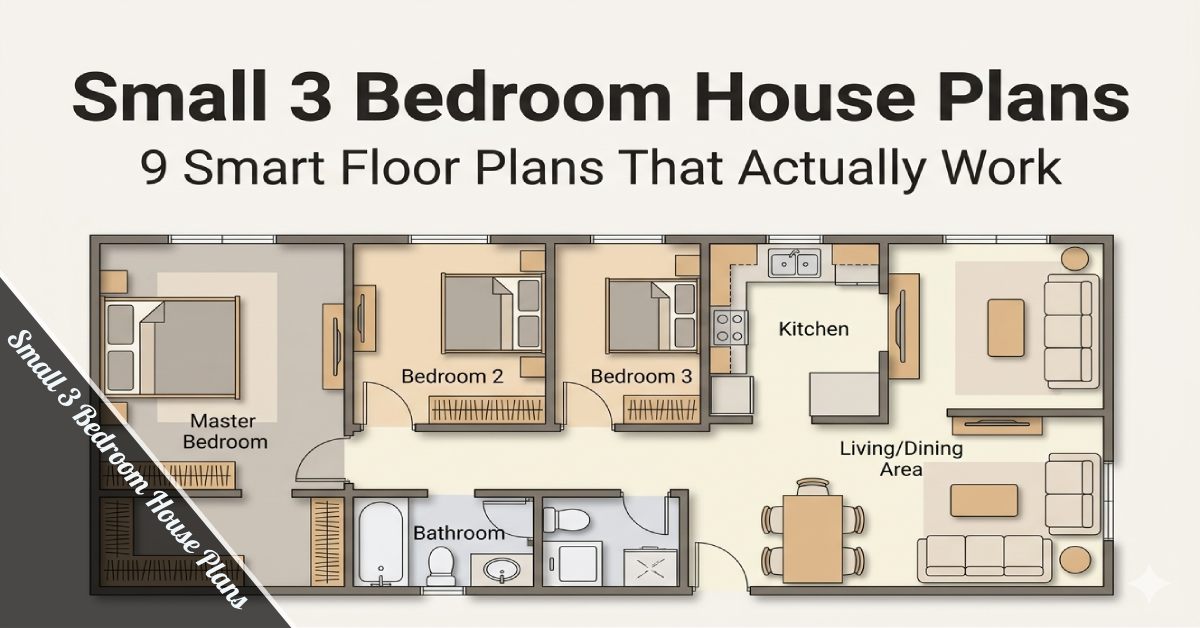
Let’s be honest—finding the right Small 3 Bedroom House Plans can feel like a lot. You’re looking through what feels like endless designs, trying to picture your life in each one, wondering if that extra square foot actually matters. I’ve been there, and I know how important it is to get this right.
Here’s the thing: a well-designed small home isn’t about giving up comfort. It’s about making choices that match how you actually live. Whether you’re building your first home, downsizing after the kids move out, or looking for a vacation property, small 3 bedroom house plans can create something that feels open, livable, and genuinely yours.
In this guide, we’ll walk through what makes these designs work, the layouts that make the most of every inch, and how to pick a plan that fits your family. Let’s break this down together.
Why Choose a Small 3 Bedroom House Plan?
I’ve talked with plenty of homeowners who thought going small meant losing something. The truth? It’s usually the opposite. You gain a lot by choosing a smaller home.
The Cost Advantage
The numbers speak for themselves. A smaller home costs less to build and maintain. Your property taxes stay lower. Heating and cooling bills drop noticeably. And here’s what I’ve seen happen again and again: people actually afford better finishes or nicer locations simply because they picked a well-designed, compact home instead of stretching themselves thin with something bigger.
Low Maintenance Living
Let’s be real—less space means less cleaning, fewer repairs, and fewer things that can break down. For busy families, this isn’t just convenient. It changes how you actually spend your time. Instead of your weekends disappearing into home projects, you’re doing what matters: spending time with your family.
Energy Efficiency That Pays Off
Smaller homes use less energy to heat and cool, which helps your wallet and the planet. Many modern small 3 bedroom house plans now include features like energy-efficient windows and smart insulation that keep your utility bills reasonable year-round.
Intentional Living, Not a Trend
This shift toward smaller homes isn’t about following what’s popular. It’s about people genuinely wanting spaces that work for how they live. You get a home that functions well every single day, not just one that looks impressive from the street. Our home decor ideas section explores how to make small spaces feel like home.
Key Features of Small 3 Bedroom House Plans
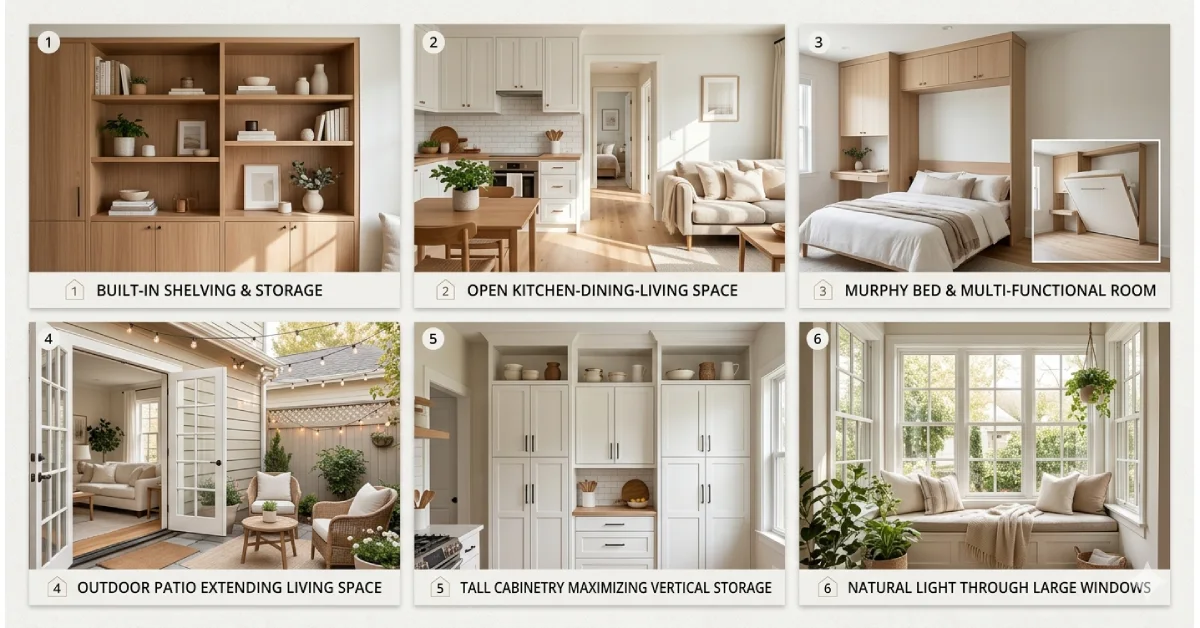
Every square foot needs to earn its place in a smaller home. The difference between a plan that feels cramped and one that feels spacious comes down to these details.
Open Floor Plans
When you take down walls between the kitchen, dining area, and living room, something magic happens. The space feels bigger than the actual square footage. Open-concept living naturally creates gathering spots where your family actually wants to spend time together.
Multifunctional Rooms
In a smaller home, rooms need to work harder. A home office might have a Murphy bed for guests. A dining nook could include built-in storage underneath. The goal is practical without feeling crammed.
Smart Storage Solutions
Good design here makes all the difference. Built-in shelving, under-stair storage, tall cabinets, and creative closets—when you plan storage from the start, keeping your home organised becomes so much easier. Artisan decor elements can add character while staying functional.
Outdoor Living Spaces
Small doesn’t mean you’re stuck inside. A deck, patio, or porch instantly adds extra room where you can eat, entertain, or just relax. In good weather, these become like extra rooms without the construction cost.
Energy-Efficient Features
Quality windows, proper insulation, and a well-designed HVAC system make your home comfortable all year while keeping utility bills reasonable. These aren’t luxury additions—they’re practical choices that pay for themselves.
Popular Small 3 Bedroom Floor Plans
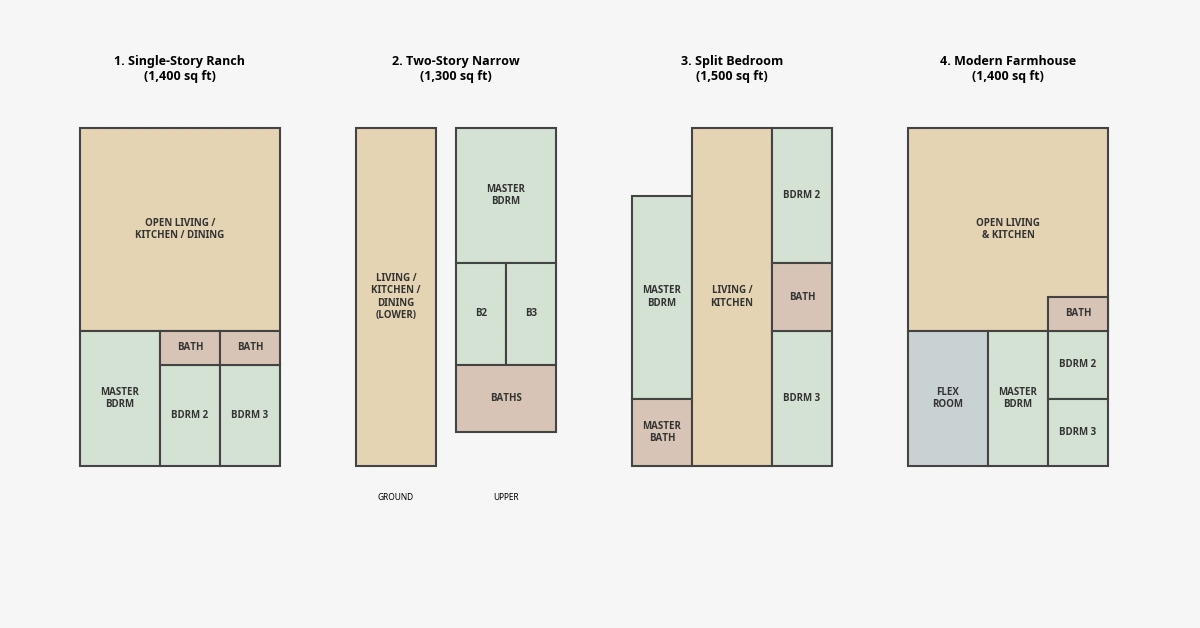
Every family lives differently, and your floor plan should match your real life. Here are layouts that work well for different situations:
The Ranch-Style Layout
This single-story design is straightforward and practical. No stairs means it works for families with young kids or for ageing homeowners. The open layout creates nice flow, and the bedrooms usually stay grouped for privacy. You get accessibility without feeling cramped.
The Two-Story Approach
Building upward saves on foundation costs and lot space. Bedrooms upstairs, living spaces downstairs—this separation keeps things quiet when you need them to be. It works especially well if your family has different schedules or if you’re working from home while kids are doing homework.
The Modern Farmhouse
This style mixes classic charm with practical efficiency. Open spaces, natural materials, and thoughtful storage give it a welcoming feel that still functions well. It appeals to a lot of homeowners because it doesn’t feel cold or trendy.
The Split Bedroom Plan
Privacy matters, especially with kids or guests. A split bedroom design puts your master suite on one side of the home and the other two bedrooms on the other side. You get peaceful adult space while keeping kids close enough to hear them.
Common Mistakes to Avoid
I’ve watched homeowners work through these issues, so let me help you sidestep them:
Overlooking Traffic Flow
Picture your family moving through the house during a regular day. If the main path to the bathroom cuts through your living room, you’ll have constant interruptions. Good design thinks about daily routines and creates natural pathways that make sense.
Underestimating Storage
Here’s what happens in real life: we all accumulate more than we think. Build in extra storage. Add a closet where you might skip one. Put shelves in the garage. Future you will thank you for this.
Forgetting About the Future
Your needs today might not be the same five years from now. Can a spare bedroom become a home office later? Could you add grab bars if needed? Smart design builds in flexibility.
Neglecting Natural Light
Dark rooms feel small and cramped. Windows, skylights, and glass doors bring in light, which makes homes feel bigger and more welcoming. Plus, you naturally use less artificial lighting, which saves money.
Designing Your Own Small 3 Bedroom House
Creating your dream home takes real thought. Here’s how to approach it:
Step 1: Define Your Priorities
Start by listing what actually matters to you. Do you spend a lot of time cooking? Then prioritise kitchen flow. Working from home? A quiet office nook makes a difference. Families with kids? You probably want bedrooms clustered but separated from the main living area. Write down your non-negotiables, then look for plans that make them work.
Step 2: Work with Professionals
Architects and designers who specialise in small homes bring experience you can’t get from browsing plans online. They spot opportunities you’d miss and help you avoid expensive mistakes. A good professional makes the whole process smoother and actually enjoyable.
Step 3: Consider the Site
Your property matters as much as the floor plan. Think about which direction the sun hits it, your views, and how the house will sit on the land. A well-positioned home feels connected to its surroundings and stays comfortable all year without fighting the weather.
Room-by-Room Sizing Guide
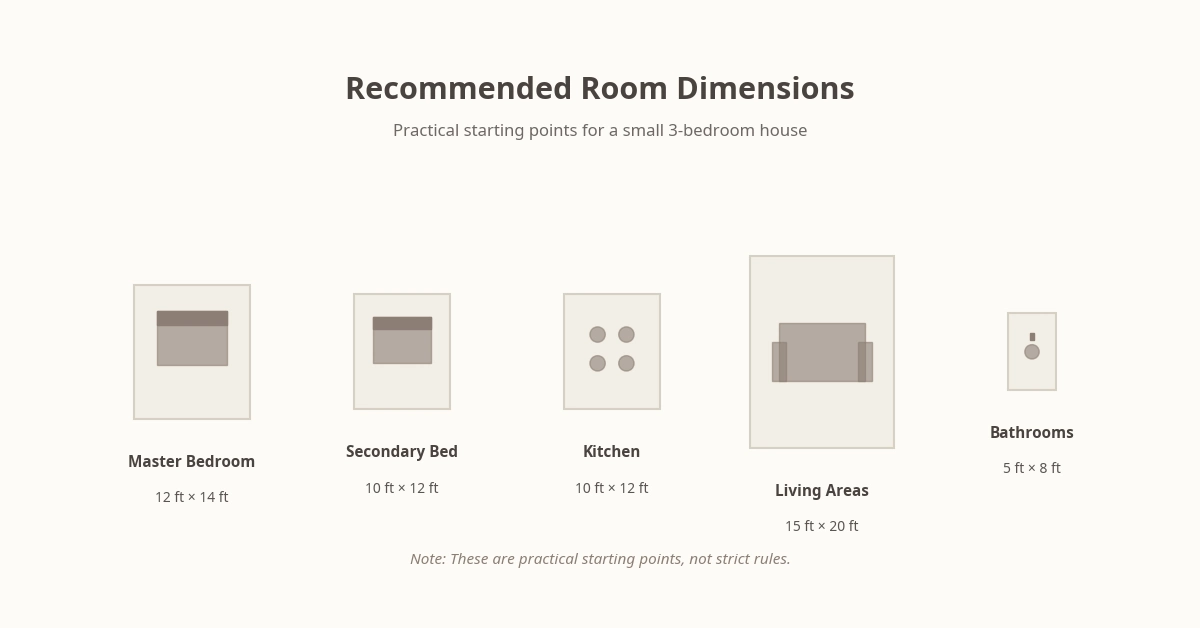
When you’re looking at small 3 bedroom house plans, here’s what comfortable dimensions actually look like:
- Master Bedroom: 12 x 14 feet feels spacious; 10 x 12 feet works but feels tight
- Secondary Bedrooms: 10 x 11 feet feels right for a single; 10 x 13 feet works for sharing
- Kitchen: 10 x 12 feet is functional; anything under 9 x 9 feet feels cramped
- Living Room: 16 x 18 feet allows for actual furniture arrangement; smaller starts to feel like a hallway
- Bathrooms: A 5 x 8 foot bathroom is standard and works fine; add a second half-bath if possible
These aren’t rules—just what most families find comfortable once they actually move in.
Tips for Maximising Small Spaces
Living well in a smaller home comes down to working smarter:
Use Multi-Functional Furniture
A sofa with storage underneath. A dining table that folds down. A coffee table on casters. These choices matter more than you’d think in how your space actually functions day to day.
Keep Clutter Under Control
This one’s important. Regularly go through what you own and keep only what you actually use and love. Dopamine decor for small spaces focuses on keeping your home bright and meaningful without piling things up.
Make the Most of Vertical Space
Use tall shelving, wall-mounted cabinets, and hooks. When you store upward, you free up floor space for actually living in your home.
Incorporate Mirrors
Mirrors reflect light and create the feeling of more space. One strategically placed mirror can make a room feel noticeably larger.
Real-World Budget Breakdown
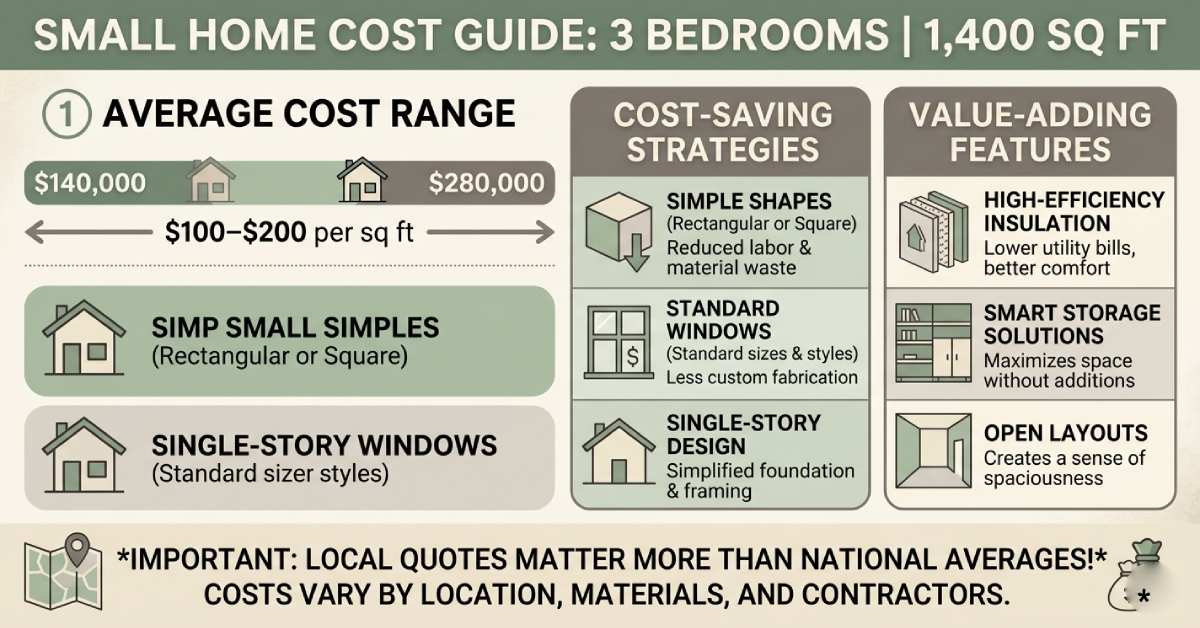
Most small 3 bedroom house plans run between $100 and $200 per square foot, depending on where you live and what materials you choose. Here’s where costs typically break down:
- Foundation and framing: Usually the biggest expense
- Kitchen and bathrooms: Where quality adds up fastest
- Energy-efficient windows and insulation: Costs more upfront but saves money long-term
- Finishes: Paint, flooring, and fixtures—this is where you can save money if needed
The best way to know real costs? Get quotes from local contractors familiar with small home builds in your area. They’ll give you accurate numbers based on what actually happens where you live.
Final Thoughts
Choosing a small 3 bedroom house plan is about making decisions that actually improve how you live every day. You’re not just picking a design—you’re creating a home that works for your family, matches what you care about, and will feel right for years to come.
Take time to think through what actually matters to you. Picture how you want to live and what your home needs to support that. Find professionals who understand small-space design and can help you avoid mistakes. When you find that right plan, you’ll feel it.
The best part? You end up with a comfortable home, welcoming, works within your budget and simplifies your life. That’s what a real home should feel like.
FAQs
What is the smallest size for a 3 bedroom house?
A functional 3-bedroom house can be as small as 900 to 1,200 square feet. What matters isn’t the total size—it’s how you use the space. Smart design makes a smaller home feel completely livable.
Is a 3 bedroom house enough for a family of 4?
Absolutely. With the right small 3-bedroom house plan, a 3-bedroom works beautifully for four people. Open-concept living areas give you room to be together, while private bedrooms let everyone have their own space.
What is the best layout for a small 3 bedroom house?
This depends on how you actually live. Many families prefer open-concept designs with the master suite on the main floor. Others like split bedroom plans for privacy. Think about your normal day and choose accordingly.
Can I add a garage to a small 3 bedroom house?
Yes, you can usually add a garage. Just check that your lot size works and that local zoning allows it. Many designs integrate garages nicely while keeping the overall footprint compact.
How much does it cost to build a small 3 bedroom house?
Costs vary widely based on your location, materials, and labour. You’re looking at somewhere between $100 to $200 per square foot on average. The only way to get accurate numbers is to talk to contractors in your area and get actual quotes.