

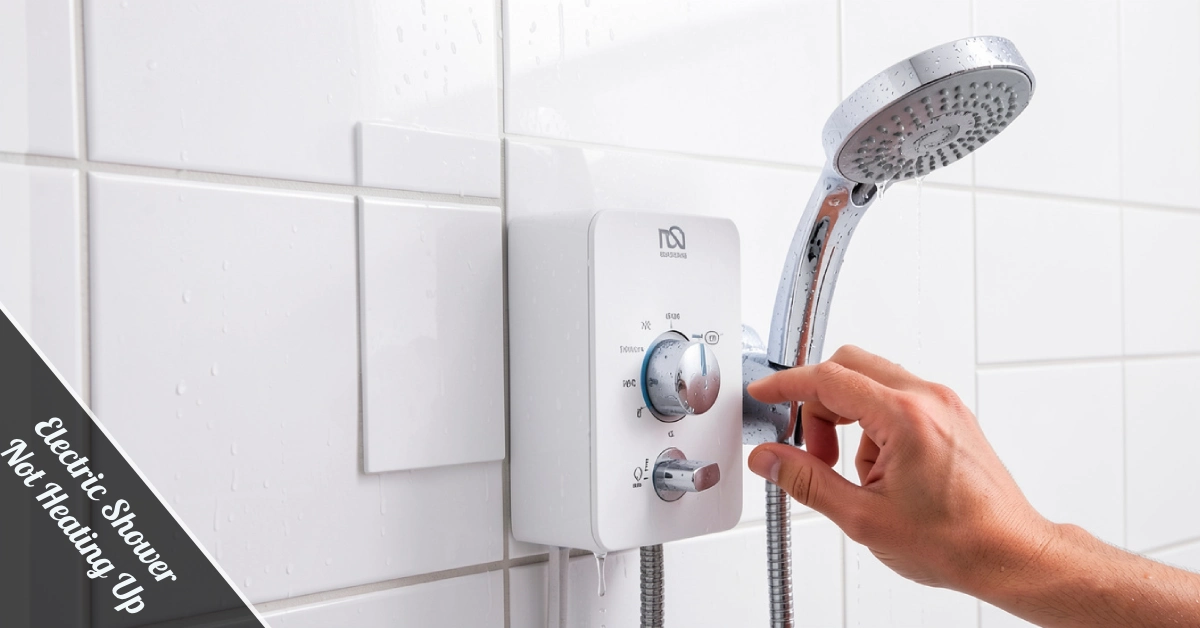
You hop in for a quick rinse, crank the temp dial, and—cold water. If your electric shower not heating up has you standing there like a confused penguin, you’re not alone. Before you spiral into a full bathroom renovation panic, take a breath. Most heating issues aren’t disasters—they’re fixable, and sometimes laughably simple. Let’s break down what’s sabotaging your hot shower and how to get things steaming again.
Why Your Electric Shower Is Acting Cold-Hearted
Electric showers are pretty straightforward machines. Cold water flows in, passes through a heating element, and exits warm. When that system breaks down, you’re left shivering. The culprit could be anything from wonky settings to a fried component. Understanding the usual suspects helps you troubleshoot faster and avoid unnecessary plumber bills. Here’s the deal: some fixes take two minutes, others need professional backup.
Check Your Power and Temperature Settings First
This one’s almost embarrassing, but it trips people up constantly. When your electric shower not heating up is actually just a settings issue, you’ll feel silly—but relieved. Your shower has power settings—usually low, eco, and high—plus a separate temperature dial. If the power’s on low and you’ve cranked the temp to scorching, the unit can’t keep up. You’ll get bursts of warmth followed by arctic blasts because the element’s struggling to heat water flowing too fast.
Here’s the fix: bump the power setting to high and dial back the temperature slightly. Most units perform best when both controls are balanced, not maxed out. Try different combos until you hit that sweet spot—consistent warmth without the temperature rollercoaster. If this doesn’t work, your problem’s deeper than settings.
Low Water Pressure Is Sabotaging Your Shower
Electric showers need a steady water flow to function properly. When pressure drops, the heating element can’t transfer heat efficiently, leaving you with lukewarm dribbles. This is another common reason why an electric shower not heating up frustrates homeowners daily. Winter months amplify this issue—everyone’s running taps, flushing toilets, doing laundry. Your shower’s fighting for water like it’s the last slice of pizza at a party.
Start by checking your mains stopcock valve. Sounds fancy, but it’s just the main water control for your home. If it’s partially closed, you’re choking off the flow to everything, including your shower. Make sure it’s fully open by turning it counterclockwise until it stops. Also, check if someone’s using water elsewhere—dishwasher, washing machine, garden hose. Sometimes the solution is just showering when nobody’s watering the lawn.
If pressure’s still weak with the stopcock wide open, your showerhead might be clogged. Mineral deposits build up over time, restricting flow through those tiny nozzles. Remove the head, soak it in white vinegar for an hour, scrub with an old toothbrush, and reinstall. You’d be shocked at how much gunk hides in there. If that doesn’t help, call a plumber—you might have deeper pipe issues.
Limescale Build-Up Is Choking Your Heating Element
Hard water areas are basically electric shower kryptonite. Calcium deposits accumulate inside the unit, coating the heating element like crusty armour. This blocks heat transfer and restricts water flow, which means your shower works harder for less warmth. Over time, performance tanks—you’ll notice temperatures fluctuating or never quite reaching “comfortable.”
You can tackle surface limescale yourself. Remove the showerhead, drop it in a bowl of white vinegar or commercial descaler, and let chemistry do its thing. Scrub off loosened deposits with a brush. For the inlet filter, unscrew it carefully, rinse under a tap, and check for debris. These small maintenance moves can restore decent performance if the build-up isn’t severe.
Internal limescale, though? That’s professional territory. The heating element sits inside the unit, surrounded by components you shouldn’t touch without electrical know-how. A qualified technician can descale or replace the element safely. Ignoring internal build-up eventually kills the shower entirely, so don’t wait until you’re showering in glacial meltwater. Prevention’s cheaper than replacement—descale every few months if you’re in a hard water zone.
Your Thermal Cut-Out Switch Might Be Tripped
Electric showers have a built-in safety device called a thermal cut-out. When the unit overheats internally, this switch kills power to the heating element, protecting you from scalding water or electrical fires. It’s a good feature, except when it trips randomly and leaves you freezing mid-shampoo. If an electric shower is not heating up after working fine earlier, this safety switch is likely the culprit.
Resetting the thermal cut-out is DIY-friendly but requires caution. First, turn off the power supply to your shower at the breaker box—a non-negotiable safety step. Locate the reset button on your shower unit (check your manual if you’re unsure). Press it firmly until you hear or feel a click. Restore power and test the shower. If it heats normally, you’re golden.
If the cut-out trips again immediately or repeatedly, there’s an underlying issue causing overheating. Could be limescale on the element, poor ventilation, or a failing component. Don’t keep resetting it, hoping for magic—that’s a fire hazard. Call a qualified electrician to diagnose the root cause. Your safety’s not worth gambling on with high-voltage appliances.
The Heating Element Itself Could Be Dead
Heating elements don’t last forever. Constant use, age, and hard water gradually wear them down until they fail. When this happens, you get zero heat—just cold water, no matter what settings you adjust. It’s the electric shower equivalent of a phone battery dying; the unit powers on, but it can’t perform its main job.
Testing a heating element requires electrical expertise and specialised tools, so don’t DIY this diagnosis. A qualified electrician can measure resistance and confirm whether the element is toast. Replacement involves working with high-voltage components that can cause serious injury.
If your shower’s ancient—think eight-plus years—replacing the whole unit might make more sense. Modern electric showers are more efficient and come with warranties.
When to Stop Troubleshooting and Call a Pro
DIY troubleshooting has limits. If you’ve checked settings, cleaned the showerhead, verified water pressure, and reset the thermal cut-out without success, you’re entering professional territory. Electrical work on showers involves high-voltage components that require proper certification.
Plumbers and electricians typically charge £150-£200 for standard shower repairs, with parts extra. Full unit replacement runs around £400, including labour. Get quotes from multiple pros and verify certifications before hiring.
Don’t ignore persistent heating issues. A malfunctioning electric shower can spike your electricity bill, waste water, and create safety hazards. Addressing problems promptly prevents bigger failures down the road.
Keep Your Electric Shower Running Smoothly
Prevention beats repair every time. Descalcify your showerhead monthly if you have hard water, and avoid constantly cranking settings to maximum. These habits extend your shower’s lifespan significantly. Most electric showers last eight to ten years with proper care.
If you’re in a rental, report heating issues to your landlord immediately. It’s their responsibility to maintain functioning facilities. Document everything—dates, symptoms, repair attempts—in case you need evidence later.
Your electric shower not heating up doesn’t automatically mean financial disaster or major renovations ahead. Start with simple checks, tackle DIY-friendly fixes, and call professionals when you hit your limits. Most issues resolve faster and cheaper than you’d expect. Now go forth and reclaim your steamy showers—you’ve earned it.