

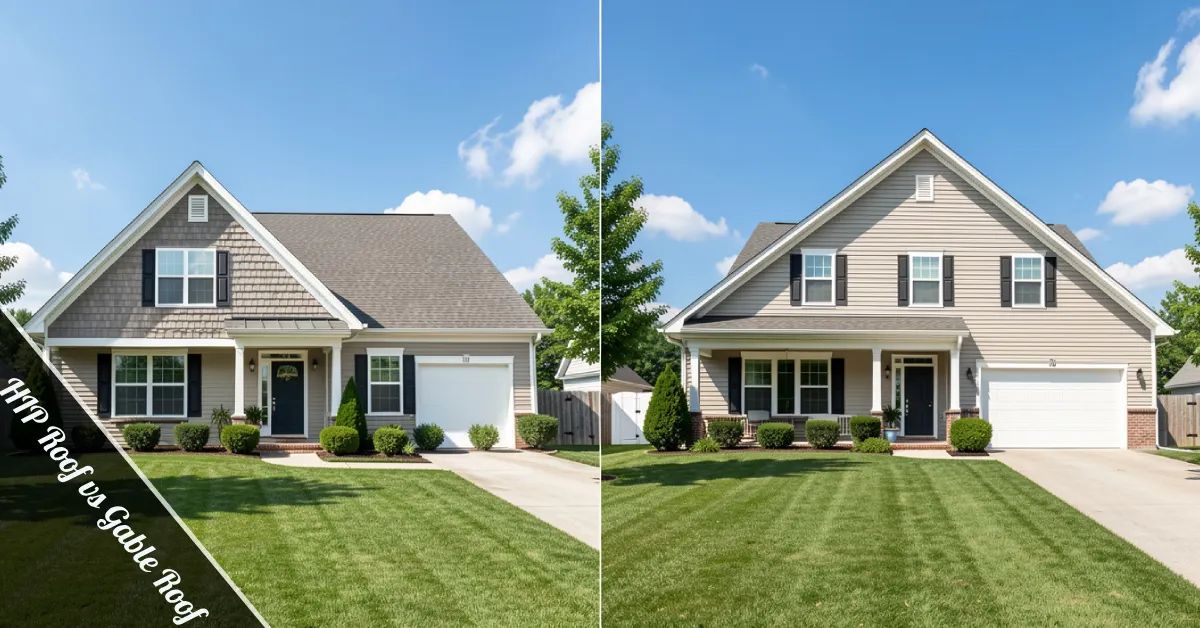
You’re standing in your future driveway, squinting at blueprints, and one question keeps popping up: what roof goes on top? It’s not just about keeping rain out—your roof shapes curb appeal, resale value, and how much you’ll spend on repairs down the road. The HIP Roof vs Gable Roof debate isn’t new, but it matters more than most homeowners realize when they’re signing construction contracts.
I’ve walked dozens of job sites where builders swear by one style, then drive two blocks over and see the opposite. Here’s the truth: both designs work, but they work differently depending on your climate, budget, and what you want your home to say from the street.
What Makes a Hip Roof Different?
A hip roof slopes down on all four sides. No vertical walls up top—just clean, angled lines meeting at a ridge. Think of it like a pyramid sitting on your house, except way more practical and a lot less ancient Egypt vibes going on here.
This design creates natural aerodynamics. Wind hits the slopes and slides off instead of slamming into flat gable ends like a brick wall during storms. That’s why you’ll spot hip roofs dominating coastal neighborhoods where hurricanes aren’t just weather—they’re annual budget line items for insurance companies and contractors alike.
The downside? You’re paying for complexity. More angles mean more materials, more labor hours, and more chances for leaks if your roofer cuts corners on flashing details.
How Gable Roofs Keep It Simple
Gable roofs are the classic triangular design you drew as a kid. Two sloping sides meet at a center ridge, leaving triangular gable ends on each side of your home standing tall and proud like architectural bookends.
Builders love them because they’re straightforward to frame. Fewer cuts, fewer custom pieces, and less head-scratching when apprentices show up Monday morning still shaking off the weekend. That simplicity translates directly into lower construction costs—sometimes thousands of dollars less than comparable hip roof installations on similar square footage homes.
But here’s the catch: those gable ends act like sails in high winds. I’ve seen storm damage reports where gable roofs took a beating while neighboring hip roofs barely lost shingles during the same weather event.
Cost Breakdown: What You’re Actually Paying For
Let’s talk numbers because your wallet cares more than your Pinterest board does right now, and that’s completely fair when you’re budgeting six figures for construction.
| Cost Factor | Hip Roof | Gable Roof |
|---|---|---|
| Material Use | 10-15% more shingles/metal | Standard coverage |
| Labor Complexity | Higher—intricate cuts | Lower—simpler framing |
| Installation Time | 2-4 days longer | Faster completion |
| Average Cost (per sq ft) | $8-$12 | $5-$9 |
Hip roofs need more materials because you’re covering four sloped surfaces instead of two. Every hip rafter, every valley, every transition point requires precision cutting and careful waterproofing that adds hours to the installation timeline; contractors charge by the day.
Gable roofs win on speed and budget. Framers can knock out the structure faster, roofers finish quicker, and you’re writing smaller checks throughout the entire build process without sacrificing quality.
Climate Considerations: Where Each Roof Shines
Geography matters more than most builders admit during initial consultations. The HIP Roof vs Gable Roof choice should factor in what Mother Nature throws at your zip code annually, not just what looks good in architectural magazines.
Hip roofs dominate hurricane zones for good reason. That four-sided slope creates natural wind resistance, reducing uplift forces that rip roofs clean off during Category 3+ storms. I’ve toured post-hurricane neighborhoods where hip roofs stood strong while gable roofs needed full replacements—the insurance claims tell the real story here.
Snow loads favor gable roofs in northern climates. Steep gable pitches shed snow faster, preventing dangerous accumulation that can collapse poorly designed structures. You’ll see them throughout Vermont, Montana, and anywhere winter means business for six months straight without apology.
Wind isn’t the hip roof’s only advantage. Rain runs off four sides instead of concentrating on two, spreading water distribution across your foundation perimeter more evenly throughout wet seasons.
Attic Space and Ventilation Differences
Gable roofs create more usable attic space. Those vertical gable ends give you full-height walls perfect for storage, bonus rooms, or future expansions when your family outgrows the main floor square footage.
Hip roofs sacrifice headroom for structural integrity. The angled walls on all sides limit where you can stand upright, making attic conversions trickier and reducing practical storage options for most homeowners.
Ventilation works differently, too. Gable vents sit in those triangular end walls, creating natural cross-ventilation that pulls hot air out during summer without requiring powered fans or complex systems. Hip roofs need ridge vents or roof-mounted solutions that cost more upfront and require ongoing maintenance to prevent failures.
Aesthetic Impact: Curb Appeal That Sells
Your roof covers about 40% of what people see driving past. Gable roofs read as traditional, approachable, and residential—perfect for suburban neighborhoods where HOAs expect certain architectural norms and buyers want familiar comfort.
Hip roofs signal modern sophistication. They look finished from every angle, with no exposed gable ends to maintain or paint. Contemporary designs favor hip roofs because clean lines photograph better for listings and appeal to buyers chasing minimalist vibes.
Resale value shifts based on local market preferences. Coastal luxury markets favor hip roofs, while Midwest suburbs move gable roof homes faster, according to regional MLS data I’ve analyzed.
Maintenance: Long-Term Reality Check
Hip roofs need more inspection points. Four sloped sides mean more valleys, more hips, more potential leak locations that require annual checkups from qualified professionals who know where water loves to sneak through compromised flashing.
Gable roofs simplify maintenance routines. Fewer transitions mean fewer problem areas, and those gable ends are easy to inspect from the ground without climbing ladders every season. DIY-friendly homeowners appreciate the accessibility when they’re budgeting for decades of ownership instead of flipping properties quickly.
Both need similar shingle replacement schedules. Asphalt lasts 20-25 years, metal lasts 50+, and neither roof style extends or shortens those timelines significantly based purely on design.
Making Your Decision: What Actually Matters
Climate wins this debate most often. High wind zones need hip roofs, heavy snow areas work better with steep gable pitches, and temperate regions can choose based on budget and aesthetics alone without weather forcing your hand.
Budget constraints matter too. If you’re stretching financially to afford the home, gable roofs save thousands you can redirect toward better insulation, upgraded HVAC systems, or finishes that impact daily living more than roof design ever will for most families.
Plans deserve consideration. Planning attic conversions? Gable roofs give you space to work with down the road when budgets recover, and kids need bedrooms.
The HIP Roof vs Gable Roof choice isn’t about finding a winner—it’s about matching design to your specific situation. I’ve seen both styles perform beautifully when installed correctly by contractors who understand local conditions and building codes that actually protect your investment long-term.
Talk to local builders who’ve worked through multiple seasons in your area. Check recent projects, ask about warranty claims, and trust professionals who’ve seen both roof styles succeed and fail under real-world conditions you’ll face for decades.
Your roof matters. Choose wisely based on facts, not trends, and you’ll thank yourself every time storms roll through without leaving calling cards in your ceiling.