

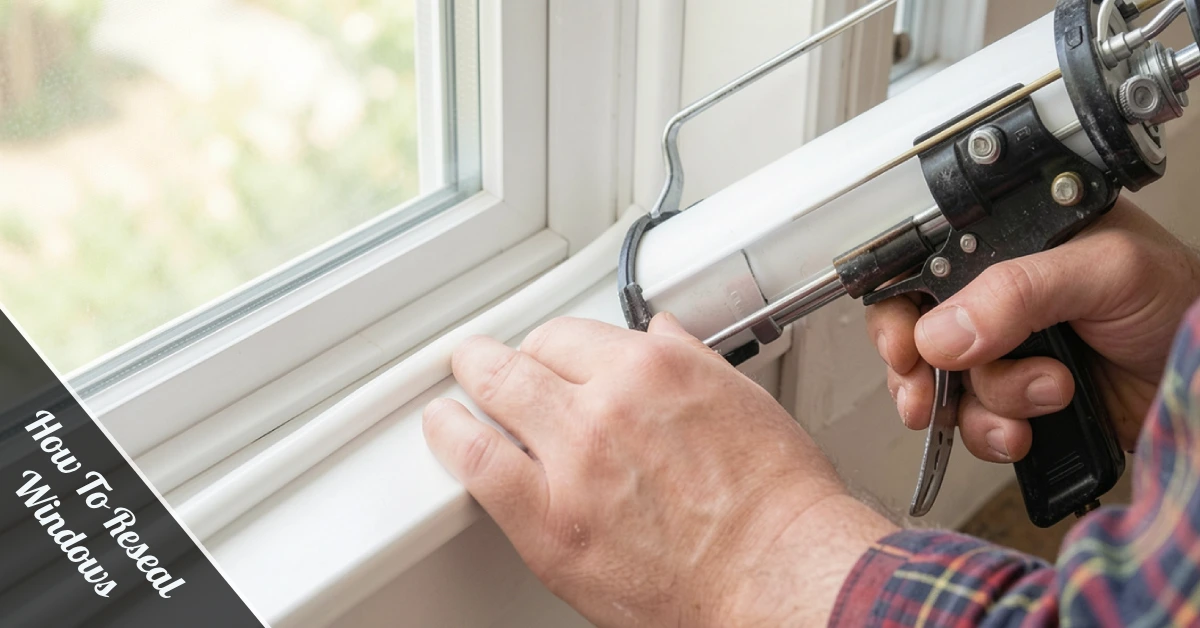
You feel it every winter. That cold little whisper of air sneaking past your window. Your heating bill feels like a second rent payment. And you’re tired of it.
Here’s the good news. Fixing this is easier than assembling IKEA furniture. Learning how to reseal windows takes an afternoon, not a weekend. You don’t need fancy tools or a contractor’s number on speed dial. Just you, some caulk, and a little patience.
This guide walks you through everything. No fluff. No confusing jargon. Just real steps that work.
Why Your Windows Are Betraying You
Sunlight, rain, and temperature swings wreck old sealant over time. That once-flexible caulk cracks, shrinks, or peels away completely. Suddenly, your cozy home has invisible leaks everywhere.
Moisture seeps in. Drafts sneak through. Your HVAC system runs twice as hard to keep up. And nobody wants mold creeping along the sill like an unwanted houseguest.
The fix is simple. Learning how to reseal windows before things get worse stops most problems before they start. You’re not rebuilding anything. You’re just sealing the gaps where air escapes.
Signs You Can’t Ignore (Even If You Want To)
You don’t need a thermal camera or a home inspection. Your own senses will tell you when it’s time to act.
Drafts near closed windows are the biggest clue. Hold your hand close on a windy day and feel for movement. Visible cracks in old caulk around the frame edges are another red flag. Water stains or peeling paint mean moisture is already winning. And higher energy bills? That’s your money literally leaving through the gaps.
One more sign deserves attention. Condensation inside the glass means double-pane seal failure. Resealing the edge won’t fix that. But for everything else, you’ve got this.
Can You Really DIY This? Yes. Here’s When.
Most homeowners can handle this job without breaking a sweat. Small cracks, worn-out caulk, or minor air leaks are all fair game. You save money, learn a useful skill, and feel like a boss afterward.
But you should call a pro if the window frame is rotting or damaged. Also call one if gaps are wider than a pencil’s thickness. And if fog sits between double-pane glass permanently, that’s a pro job too.
For everyone else, learning how to reseal windows is a perfect weekend DIY project. No ego needed. Just follow the steps below.
Tools You’ll Actually Use
| Tool | Why You Need It |
|---|---|
| Caulking gun | Applies sealant smoothly |
| Utility knife or scraper | Removes old, crusty caulk |
| Silicone or polyurethane caulk | Best for outdoor weather resistance |
| Acrylic latex caulk | Great for indoor, paintable surfaces |
| Clean cloth and mild soap | Preps the surface properly |
| Painter’s tape (optional) | Keeps your lines sharp |
| Backer rod foam | Fills large gaps before caulking |
You probably already own half of this stuff. The rest costs less than a pizza night. And good caulk lasts 5 to 10 years when applied correctly.
Step-by-Step: How To Reseal Windows
Follow these steps in order. Skip one, and your seal won’t last very long.
1. Remove Old Caulk Completely
Old sealant is the enemy of new sealant. Use your utility knife or scraper to cut and peel it away carefully. Don’t gouge the frame itself. Slow and steady wins this race.
2. Clean the Surface Like You Mean It
Dust, oil, and old residue ruin adhesion completely. Wipe everything down with soapy water and a clean rag. Let it dry fully before moving forward. No shortcuts here.
3. Apply Painter’s Tape (Optional but Smart)
Tape above and below the gap for museum-quality lines. It’s not required, but it makes you look like a pro. Peel it off before the caulk dries completely.
4. Load Your Caulking Gun and Cut the Tip
Cut the nozzle at a 45-degree angle. Start small because you can always cut more. Practice on scrap cardboard if you’re feeling nervous about it.
5. Apply a Steady, Even Bead
Hold the gun at a consistent angle throughout. Move slowly along the gap without stopping mid-line. You want one smooth snake of caulk, not a wobbly mess.
6. Smooth It Out Immediately
Wet your finger with soapy water. Silicone caulk needs this trick to work well. Run your finger gently over the bead to press it into the gap. A smoothing tool works too. Either way, make it flush.
7. Let It Cure — Do Not Touch
Curing takes about 24 hours for most products. No rain, no dust, and no curious fingers during that time. Check your caulk’s label for exact timing instructions.
Inside vs. Outside: Two Different Games
Inside sealing is about comfort and looks. Use acrylic latex caulk because it’s paintable and blends with trim. Focus on the edges where the frame meets the wall. Smooth lines make your window look cleaner instantly.
Outside sealing is about survival against the elements. Use silicone or polyurethane for this job. These materials handle sun, rain, and freezing temperatures without failing. Fill every crack where the frame meets the siding around it.
This stops moisture from rotting your walls from the outside in. When you learn how to reseal windows, always check both sides carefully. Inside keeps air in. Outside keeps the weather out completely.
How To Seal Windows From Cold Air
Cold air is sneaky by nature. It finds gaps you didn’t even know existed. Here’s how to shut it down for good.
Caulk all fixed gaps where the frame meets the wall. Use weatherstripping on movable parts along the sash where the window opens. For gaps wider than a quarter inch, use a backer rod before caulking. Test your work with a lit incense stick. The smoke wiggles wherever drafts hide from view.
Do this before winter hits your area. Your heating bill will thank you. So will your cold toes in the morning.
Common Mistakes That Ruin a Good Seal
Even great DIYers mess up sometimes. Avoid these common errors at all costs.
Sealing over old caulk is the biggest mistake. New caulk won’t stick to old material at all. Skipping the cleaning step is another failure point. Grease and dirt cause failure within months of application.
Use indoor caulk outside cracks immediately. That’s the wrong tool for the job completely. Ignoring the curing time ruins your work permanently. Touch it early, and you’ll have to start over.
Applying too much caulk looks messy and ugly. It’s also wasteful and harder to smooth out. One more thing: don’t seal in wet weather. Moisture under the caulk creates mold and weak bonding. Always wait for a dry day.
Maintenance: Make Your Work Last Longer
A good seal lasts 5 to 10 years with proper care. But you should still check it every single year. Walk around your home each spring and fall without fail. Look for cracks, peeling, or new gaps forming over time.
Touch up small issues immediately before they grow larger. Clean window edges when you wash your windows regularly. Dirt buildup weakens seals over many months. And if you notice the same window failing repeatedly, inspect the frame itself.
Structural movement or rot might be the real problem hiding underneath. Fix that first before resealing again.
When to Stop DIY and Call for Backup
You’ve learned how to reseal windows like a true champ. But some problems aren’t caulk’s job at all.
Call a professional if you see fog between glass panes. That’s an internal seal failure that caulk can’t fix. Also call one if the window frame feels soft or spongy to touch. That’s rot, and it needs serious repair.
Gaps larger than half an inch after backer rod need professional attention, too. And if you’re working on a third-floor window with a shaky ladder, just hire someone. Companies like Advantage Home Exteriors or Buckeye State Roofing handle the tough stuff safely.
For the rest of the jobs? You’ve got this completely under control.
Final Word: Small Fix, Big Difference
Resealing windows isn’t glamorous work. But it works really well for your home. Less draft, lower bills, and no more random whistling sounds at 2 AM.
You don’t need a contractor for most window sealing jobs. You don’t need luck either. You just need an afternoon, the right caulk, and this guide in your hands.
Now grab your caulking gun. Go show those windows who’s boss around here.
Frequently Asked Questions
How often should I reseal my windows?
Every 5 to 10 years, but inspect them yearly for early signs of failure.
Can I reseal double-pane windows myself?
Only the outer edges. Internal fog between panes needs professional repair work.
What’s the best sealant for outside use?
Silicone or polyurethane. Both are weatherproof and flexible in temperature changes.
Does resealing really save energy money?
Yes. Stopping drafts cuts heating and cooling costs noticeably every month.