

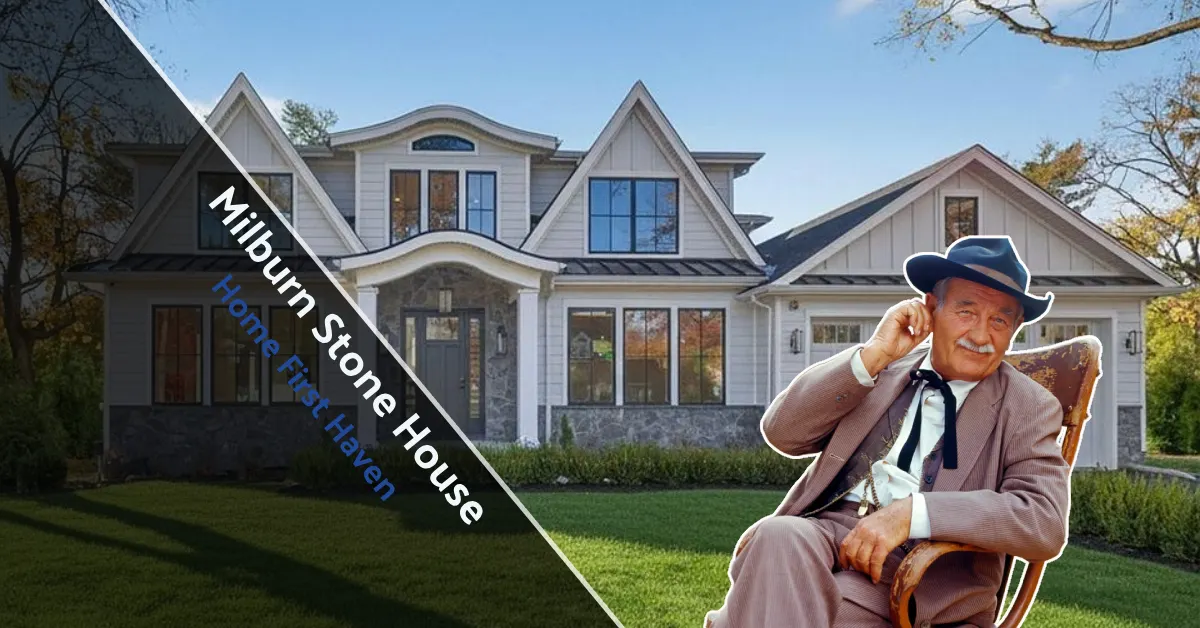
Ever wonder where TV legends actually lived when the cameras stopped rolling? The Milburn Stone House in La Jolla tells a story most modern celebrities wouldn’t recognize. No sprawling estates, no gates with security codes—just a comfortable home in a coastal neighborhood where a working actor built his life.
Milburn Stone played Doc Adams on Gunsmoke for two decades, becoming one of television’s most beloved characters during the golden age of westerns. His Emmy-winning performance made him a household name, yet his approach to real estate remained refreshingly grounded. While Hollywood transformed around him, Stone chose La Jolla’s relaxed charm over Beverly Hills’ excess.
Who Was Milburn Stone?
Born Hugh Milburn Stone in Burrton, Kansas, in 1904, he started his acting career in 1935 when Hollywood westerns dominated box offices. His breakthrough came with Gunsmoke, where Doc Galen Adams became television’s moral compass for 20 seasons. Stone won an Emmy in 1968 for his portrayal of the frontier physician.
His marriage to Jane Garrison lasted from 1939 until he died in 1980, spanning four decades of Hollywood’s most transformative years. They built their life in La Jolla during the 1960s and 1970s, when the coastal community still felt like a hidden gem. Stone worked consistently throughout his career, valuing stability over spotlight-chasing moves that defined many actors of his era.
The Kansas-born actor never forgot his middle-class roots despite achieving television stardom that could have funded a completely different lifestyle. His net worth reflected steady work rather than extravagant deals, estimated in the comfortable middle-class range for successful working actors. This practical approach extended to every major life decision, including where he chose to plant roots on the Pacific Coast.
Milburn Stone’s Life in La Jolla
La Jolla in the 1960s wasn’t the ultra-luxury market it is today—it was where professors, doctors, and yes, working actors found their slice of Southern California living. The Milburn Stone House fit perfectly into this modest, coastal community vibe that attracted people seeking quality of life over status symbols. Stone and Jane Garrison embraced the relaxed pace that made La Jolla feel more like a beach town than Hollywood’s backyard.
The neighborhood offered something rare for celebrities: actual privacy without pretense, where locals respected your space and morning coffee runs didn’t require sunglasses disguises. Stone could walk to nearby shops, enjoy ocean views, and live like a regular San Diego resident who happened to have a famous face. This anonymity became increasingly valuable as Gunsmoke’s popularity exploded, making Doc Adams one of television’s most recognizable characters during prime time’s golden era.
Pacific Coast living suited Stone’s temperament—he wasn’t chasing the Hollywood party circuit or networking at industry events every weekend. La Jolla provided the perfect retirement setting when Gunsmoke ended, allowing him to enjoy his final years in comfortable obscurity. The community respected working professionals, whether you practiced medicine or played a doctor on America’s longest-running western series at the time.
Real estate values in La Jolla have since skyrocketed, transforming the area into one of California’s most exclusive coastal markets where teardowns fetch millions. What Stone likely paid $200,000 for would command exponentially more today, illustrating how dramatically Southern California property values have appreciated over five decades. His choice looks prescient now, though at the time it simply made practical sense for a television actor seeking coastal comfort.
Inside the Milburn Stone House
Details about the specific property remain somewhat elusive—Stone valued privacy, and mid-century celebrity homes weren’t documented with today’s obsessive real estate fascination. What’s known suggests a comfortable, well-maintained residence that reflected mid-20th-century architectural styles popular throughout Southern California during that building boom. Think clean lines, indoor-outdoor flow, and practical design over ostentatious displays of wealth that characterized later celebrity real estate trends.
The home likely featured the hallmarks of 1960s California architecture: large windows capturing ocean breezes, modest square footage by modern standards, and functional spaces. Stone wasn’t hosting legendary Hollywood parties or building recording studios in his basement—his house served as an actual home, not a brand extension. This approach feels almost revolutionary when compared to today’s celebrity real estate portfolios, where homes become content for lifestyle magazines and social media feeds.
Location within La Jolla mattered more than mansion-sized rooms or imported marble countertops that define luxury real estate today in that specific market. Stone prioritized proximity to the coast, neighborhood character, and comfortable living spaces where he and Jane could actually relax after decades in front of cameras. The modest approach extended to property maintenance and upgrades—no constant renovations or designer overhauls chasing architectural trends that swept through affluent neighborhoods.
Milburn Stone’s Approach to Real Estate
Stone’s real estate philosophy reflected his Kansas upbringing and working actor mentality: buy what you can afford, maintain it well, and don’t overextend yourself chasing status. This stands in sharp contrast to modern celebrity real estate strategies involving multiple properties, investment flips, and brand-building mansion purchases that generate headlines. His portfolio remained simple—a primary residence in La Jolla where he actually lived, without the vacation homes and investment properties that define wealth today.
The Emmy-winning actor’s net worth supported a comfortable lifestyle without the financial gymnastics required to maintain sprawling estates with full-time staff and endless overhead. Stone understood that real estate should serve your life, not define it—a lesson many modern celebrities learn the hard way after overleveraging on trophy properties. His practical approach meant he could enjoy retirement without financial stress, a luxury many higher-earning actors never achieve despite flashier portfolios.
Television residuals worked differently in Stone’s era, without the streaming revenue and syndication deals that create generational wealth for today’s TV stars across platforms. Gunsmoke made him comfortable, but it didn’t make him Bezos-rich, which shaped realistic expectations about property investments and lifestyle choices throughout his career. This context matters when evaluating his real estate decisions—he was building security, not building an empire through property speculation and development deals.
La Jolla Real Estate Then and Now
The transformation of La Jolla from a middle-class coastal community to an ultra-luxury market illustrates broader Southern California real estate trends over the past five decades. Properties that housed working professionals in the 1970s now command prices accessible only to tech executives, hedge fund managers, and international buyers seeking prime coastal access. The neighborhood Stone knew has been almost completely redeveloped, with original homes either extensively renovated or demolished for modern construction that maximizes lot value.
Current La Jolla real estate listings regularly exceed $3 million for modest homes, with premium properties reaching eight figures in competitive bidding wars among wealthy buyers. The coastal access and established neighborhood character that attracted Stone remain the same, but the economic barriers to entry have fundamentally transformed who can afford to live there. What was once attainable for successful working actors is now reserved for the ultra-wealthy, reflecting income inequality’s impact on desirable real estate markets nationwide.
Stone’s generation enjoyed access to prime coastal California real estate that feels impossible for today’s equivalent professionals—even Emmy-winning television actors would struggle to buy in modern La Jolla on salary alone. The appreciation in property values has been extraordinary, turning modest homes into multi-million dollar assets that benefit existing owners while pricing out new generations. This wealth transfer through real estate appreciation has reshaped California’s coastal communities more dramatically than any single policy or development plan could have achieved.
Milburn Stone’s Legacy Beyond the House
Doc Adams remains one of television’s most enduring characters, still recognizable to Gunsmoke fans and western enthusiasts who discovered the show through reruns and streaming platforms. Stone’s 20-year portrayal created a character who felt real—not a caricature of frontier medicine, but a fully realized human being with flaws and wisdom. This depth came from Stone’s commitment to authentic performance over scene-stealing theatrics that marked many television westerns during that competitive era.
His approach to life mirrored his approach to acting: show up, do the work, treat people with respect, and don’t chase fame for fame’s sake. The Milburn Stone House in La Jolla embodied these values—it was where he lived, not a monument to his career or a calculated investment play. Modern celebrities could learn from this perspective, though the economics and incentive structures of entertainment have changed so dramatically that direct comparisons feel incomplete.
Stone died in 1980, just as television was entering a new era that would have felt alien to the Gunsmoke generation’s production rhythms. His legacy lives through decades of recorded performances and the memory of a working actor who never forgot his Kansas roots despite two decades playing television’s most famous frontier doctor. The house in La Jolla served its purpose—it gave him a comfortable place to live his final years in peace.
Final Thoughts
The Milburn Stone House story isn’t about architectural grandeur or record-breaking real estate transactions that dominate celebrity property coverage today across media platforms. It’s about a television legend who chose comfort over excess, community over status, and privacy over the spotlight that followed him everywhere outside La Jolla’s protective bubble. His approach feels almost quaint now, from an era when celebrities could be famous without being brands, and houses were homes rather than portfolio assets.
La Jolla provided Stone exactly what he needed: coastal beauty, community respect, and the space to be Hugh Milburn Stone rather than Doc Adams 24/7. The neighborhood has changed dramatically since his death, but the appeal that drew him there remains—ocean access, California weather, and a quality of life that justifies premium prices. Stone got to enjoy it when it was still accessible to working actors, a privilege fewer professionals can claim with each passing year.
His legacy extends beyond any single property or real estate decision—it’s about maintaining your values even when success offers easier paths toward excess and status-seeking behavior. The Milburn Stone House in La Jolla wasn’t a mansion, but it was enough, and that’s a lesson worth remembering in an age where enough never seems to be enough.