

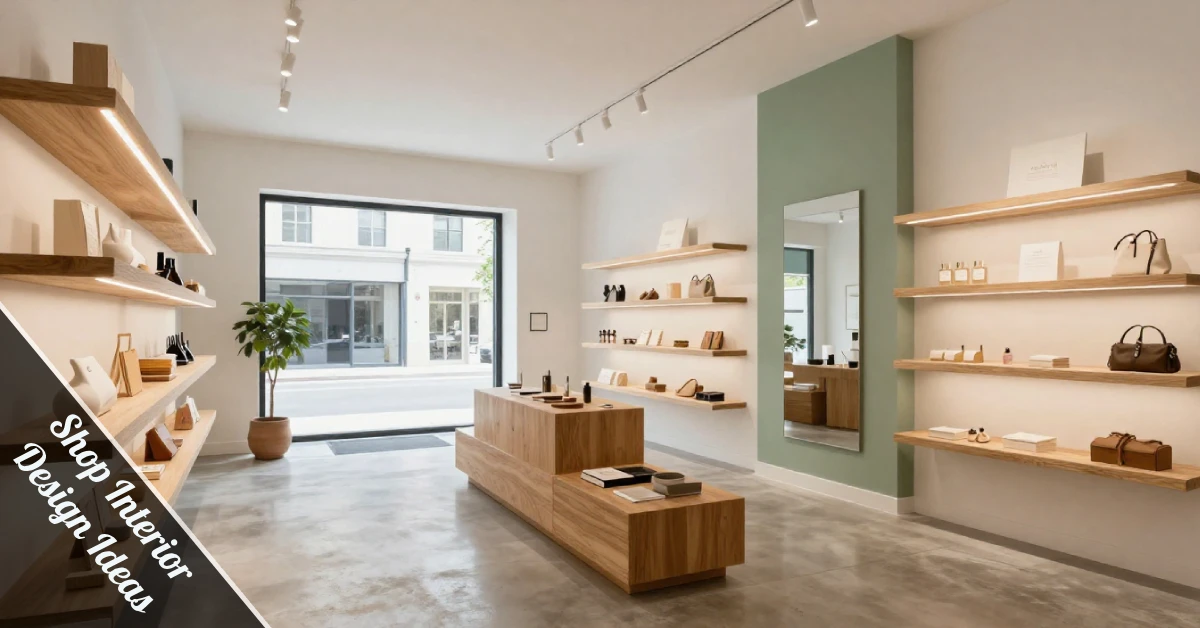
Your storefront isn’t just a sales floor—it’s your brand’s handshake, your vibe check, your unspoken promise to every browser who walks past. Implementing the right shop interior design ideas transforms dead space into cash flow, turning one-time visitors into regulars. Let’s skip the theory and dive into what works.
Why Your Shop’s Design Is Your Secret Weapon
Most retailers treat interior design like decoration. Wrong move. Effective shop interior design ideas create the experience that makes customers reach for their wallets or head for the exit through smart layout, lighting, and materials. A boutique owner in Toronto redesigned her cramped space with floating shelves and accent lighting—sales jumped 40% in three months.
Design doesn’t demand deep pockets. It demands intention. Every choice—from paint color to checkout counter height—shapes how long people stay and how much they spend. Think of it as psychological architecture: you’re building an environment that nudges browsing into buying, curiosity into commitment.
The shops crushing it right now blend function with feeling. They’re Instagram-worthy without trying too hard, practical without feeling sterile. That’s the sweet spot where shop interior design ideas stop being concepts and start generating revenue with proven results.
Create a Killer First Impression With Your Entrance
Your entrance does heavy lifting before anyone steps inside. Window displays stop foot traffic mid-scroll; they’re the visual hook that screams, “come check this out.” Layer products by height, use bold color blocks, and swap displays every two weeks to keep regular walkers curious.
Once they’re through the door, give them space. Cramming products near the entrance feels desperate. Leave breathing room—a clean threshold lets shoppers adjust their focus and scan the full space. That pause builds anticipation, not pressure.
Lighting here matters more than you think. Spotlights on hero pieces pull eyes exactly where you want them. Harsh overhead fluorescents? They kill the vibe faster than bad Spotify playlists. Warm LED strips or track lights set the mood without screaming “budget constraints.”
Nail Your Layout to Control Customer Flow
Layout isn’t about fitting more racks—it’s about guiding movement. The loop layout works like a racetrack, steering customers through a full circuit so they see everything. Small shops favor grids for efficiency; boutiques thrive with free-flow plans that feel exploratory, not transactional.
Watch where people naturally drift. Dead zones? Reposition fixtures or add focal points there. Traffic jams at checkout? Widen the aisle or relocate impulse items. Simple observation reveals bottlenecks that cost you conversions.
Sightlines matter too. Keep displays low enough that customers can see across the store. It builds confidence—they know what’s ahead instead of feeling lost. Plus, open sightlines let staff monitor the floor without hovering, which shoppers appreciate.
Use Color Psychology Like You Mean It
Colors aren’t just aesthetic—they’re behavioral triggers. Red creates urgency (perfect for clearance zones), blue builds trust (great for premium sections), and green feels organic (ideal for wellness or eco-brands). Pick your palette based on what you want customers to feel, not just what matches your logo.
Contrast draws attention. A neutral base with bold accent walls highlights featured collections without overwhelming the space. Too much color? It’s visual noise that fatigues shoppers. Too little? Boring white-box syndrome that makes everything feel disposable.
Test your palette under different lighting. What looks sophisticated in daylight might read flat under evening LED. Visit your shop at various times to see how colors shift—that’s the difference between intentional design and guesswork.
Smart Lighting Transforms Browsing Into Buying
Ambient lighting sets your baseline mood—warm for cozy, cool for modern. Accent lights spotlight hero products; task lighting supports functional zones like checkout. The trick is layering all three so the space feels dynamic, not flat.
Brighten display areas slightly more than the surrounding zones. That contrast draws eyes instantly, like visual magnetism. Spotlights on new arrivals or best-sellers guide attention without signage clutter. Think of lighting as silent sales staff—it directs, highlights, and persuades.
Avoid the fluorescent curse. Those buzzing overheads drain warmth and make skin tones look corpse-level bad in fitting rooms. Swap them for LEDs with high CRI (color rendering index) to show products as they’ll look in real life. Better color accuracy means fewer returns.
Balance Product Density With Breathing Room
Overstuffed shelves scream desperation; sparse displays feel pretentious. The Goldilocks zone? Negative space around featured items. High-end brands use this tactic to elevate perceived value—open space makes products look curated, not clearance-bin leftovers.
Slim fixtures free up floor area without sacrificing display capacity. Wall-mounted shelving keeps sightlines open and makes small shops feel bigger. Modular units let you reconfigure layouts seasonally without demolition-level chaos.
Group products intentionally. Color-coordinated clusters or thematic arrangements help shoppers visualize combinations. A lifestyle setup—like a desk styled with accessories—shows how pieces work together, nudging multi-item purchases instead of one-off buys.
Integrate Tech Without Losing the Human Touch
Digital screens showcasing lookbooks or tutorials keep browsers engaged longer. QR codes on product tags let shoppers explore reviews or variations instantly, bridging the gap between physical and online shopping. AR try-ons? They’re not gimmicks—they’re competitive advantages against e-commerce.
Tech should complement design, not dominate it. A wall of blaring screens feels chaotic; one strategically placed display feels intentional. Use tech where it adds genuine value—self-checkout for speed, tablets for inventory lookups, mood-setting playlists for atmosphere.
Wi-Fi-enabled queue management reduces perceived wait times during rushes. Customers checking their phones while in line feel less impatient than those staring at the back of someone’s head. Small tech upgrades create friction-free experiences that keep people coming back.
Build Sensory Layers That Stick in Memory
Retail’s about feeling, not just seeing. Tactile materials—linen, stone, reclaimed wood—add warmth and texture. A signature scent becomes your subconscious brand marker; think how Starbucks owns “roasted coffee,” or Lush owns “handmade soap.” Scent triggers memory faster than visuals.
Music tempo shapes behavior. Slower tracks invite lingering and exploration; upbeat playlists energize shoppers during sales. Match your soundtrack to your brand personality—indie folk for artisan vibes, electronic beats for streetwear, jazz for upscale.
Create touchpoints that encourage interaction. A sample station, selfie wall, or lounge corner turns visits into experiences worth sharing. User-generated content from those moments spreads organically, giving you free marketing and social proof simultaneously.
Turn Checkout Into Your Final Sales Push
The counter isn’t just an endpoint—it’s prime real estate. Place small impulse items there: travel-size products, accessories, gift cards. Even a curated “staff picks” shelf sparks last-minute additions. Design the checkout to reflect your brand’s tone—clean and minimal for premium, playful and cluttered for quirky.
Make payment seamless. Mobile POS systems let staff check customers out anywhere, reducing register bottlenecks. The easier you make parting with cash, the more frequently it happens. Friction kills conversions; smoothness multiplies them.
Leave customers with a positive final impression. A well-lit, organized checkout area says “we care about details.” A chaotic counter with tangled cords and stacked receipts says “we’re winging it.” Guess which one builds loyalty?
Design for Flexibility Because Trends Move Fast
Retail shifts constantly. Modular fixtures, rolling tables, and magnetic signage let you adjust layouts in hours instead of days. Build in zones that can pivot for pop-ups or limited drops—that versatility keeps regular customers curious and coming back for “what’s new.”
Seasonal refreshes don’t require full renovations. Swap throw pillows, rotate accent walls, or rearrange focal points. Small changes signal evolution without budget-breaking overhauls. The best shop interior design ideas adapt easily, staying relevant without constant reinvestment while maintaining brand consistency.
Leave some floor space intentionally open. It’s tempting to cram every inch with product, but flexible zones outperform static ones. Space becomes opportunity—for events, collaborations, or testing new layouts based on what customers actually engage with.
How to Match Design to Your Actual Customers
Start with data, not assumptions. Review sales reports to see what sells where. If premium items underperform in corner displays, move them front and center. If clearance zones generate unexpected revenue, give them better real estate. Let customer behavior shape your layout instead of fighting it.
Budget smart. A lighting upgrade often delivers higher ROI than new flooring. Prioritize changes that directly impact customer experience and sales conversion. Treat design as investment, not expense—every dollar should generate measurable returns.
Match aesthetics to your audience. A boutique targeting creative twentysomethings thrives with bold colors and statement displays; a luxury retailer needs minimalist layouts and muted tones. Successful shop interior design ideas speak your customers’ visual language, not your personal taste alone.
Conclusion: Design That Pays for Itself
Great retail design isn’t about following trends—it’s about understanding how space shapes behavior. These shop interior design ideas work when they make customers feel comfortable, curious, and ready to buy consistently. The stores winning right now blend beauty with strategy, creating environments that convert foot traffic into revenue.
Your next move? Walk your space like a first-time visitor. Notice what catches your eye, what feels awkward, what makes browsing easy. Those insights—combined with the tactics above—turn ordinary shops into destinations customers remember and recommend.