

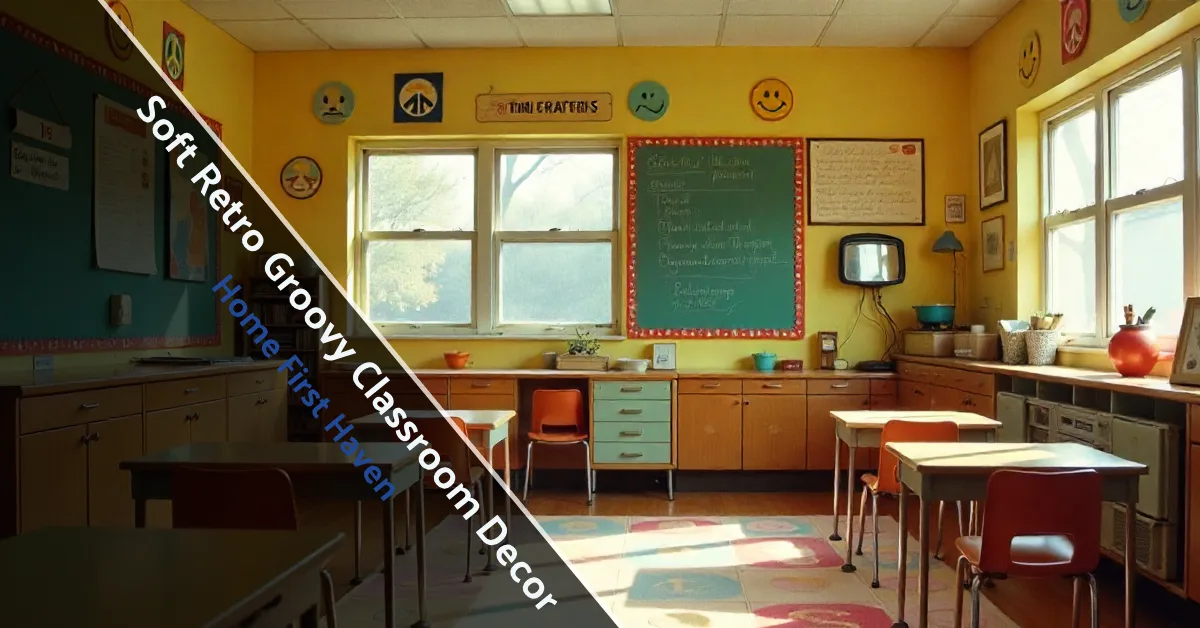
Your classroom vibe matters more than you think. Students pick up on energy, color, and mood the second they walk through that door. A well-designed space can shift focus, spark creativity, and make everyone feel like they actually want to be there. That’s where soft retro groovy classroom decor comes in—a style that mixes pastel warmth with vintage charm, creating a layout that’s equal parts peaceful and playful.
This isn’t about throwing random rainbows on the wall and calling it retro. It’s about building a space that feels intentional, calming, and genuinely welcoming. Think soft peach tones, round-edged posters, smiley face accents, and lighting that doesn’t scream fluorescent nightmare. The goal? A room where students thrive, and teachers don’t feel visually overwhelmed by the end of the day.
In this guide, you’ll get actionable setup tips, budget-friendly ideas, and real strategies for pulling off soft retro groovy classroom decor without losing your mind or your paycheck.
What Makes Soft Retro Groovy Classroom Decor Different
This style pulls from the 1970s but ditches the loud oranges and heavy patterns. Instead, it leans into soft pastels, smooth shapes, and gentle visual flow. Colors like mint, blush pink, sky blue, and buttery yellow dominate the palette. The vibe is calm, not chaotic. Every piece—from posters to storage bins—follows a muted, cohesive tone that keeps the room feeling organized and breathable.
You’ll see peace signs, vintage fonts, daisies, and retro sunbeams scattered across walls and bulletin boards. These icons add personality without screaming for attention. The layouts stay clean, the textures stay soft, and the overall mood stays inviting. This approach works because it creates a backdrop that supports learning instead of distracting from it.
It’s also flexible. You can adapt soft retro groovy classroom decor to any grade level, classroom size, or teaching style. Pod seating, rows, flexible zones—it all works. The key is sticking to your color story and avoiding anything too bold or visually jarring. When students walk in, they should feel calm, not overstimulated.
Why Teachers Are Choosing This Style Right Now
Teachers are ditching the bright primary colors and sterile walls for something that feels more human. Students respond better to spaces that feel warm and welcoming. Research shows that muted tones and organic shapes reduce anxiety and help kids focus better throughout the day. A groovy classroom hits that sweet spot between fun and functional.
This style also plays well online. Teachers sharing their setups on Pinterest consistently see high engagement with soft retro themes. The photos look clean, the vibes feel good, and other educators take notice. It’s a trend that’s gaining traction because it works—not just aesthetically, but practically.
Budget is another big factor. You don’t need a sponsorship deal to pull this off. Many teachers create soft retro groovy classroom decor using free printables, thrift finds, and DIY projects. The style thrives on creativity, not cash. That accessibility makes it even more appealing to educators working with tight funds and limited time.
Color Schemes That Actually Work
Start with three to four soft colors and stick to them. Consistency is everything. If you pick peach, mint, and cream, let those tones guide your posters, bins, rugs, and wall borders. Don’t throw in random neon accents. The goal is visual harmony, not a rainbow explosion.
Popular color combinations include pale terracotta with powder blue, buttery yellow with sage green, and blush pink with creamy beige. These pairings feel gentle on the eyes and create a cohesive look. You can find inspiration on platforms like Teachers Pay Teachers or Canva, where many free resources follow these exact palettes.
When shopping, look for pastel versions of classic groovy items. Instead of bright orange smiley faces, go for soft peach ones. Instead of bold rainbow borders, choose muted versions with curved edges. Small tweaks make a huge difference in maintaining that calm, retro vibe.
Essential Decor Items to Start With
You don’t need to buy everything at once. Start with a few key pieces that set the tone. A soft-colored rug near the reading corner instantly changes the feel. Add a warm-toned lamp to your desk instead of relying on harsh overhead lights. Swap plastic bins for wood crates or pastel storage solutions. These small upgrades create big visual shifts.
Wall decor matters too. Hang affirmation posters with phrases like “You belong here” or “You can do hard things” in vintage-style fonts. Use round mirrors, heart-shaped shelves, or cloud cutouts to add soft shapes. Bulletin boards wrapped in pastel fabric or bordered with rainbow trim tie everything together.
Don’t forget the details. Wrap cords with pastel fabric for safety and style. Label bins with retro icons or soft fonts. Choose corkboards over bright plastic. Even your desk setup can follow the theme with linen coverings or wrapped organizers. Every piece should feel like it belongs in the same calm, cohesive space.
Free Resources and Printables You Can Use
Free printables are your best friend when decorating on a budget. Search “soft retro groovy classroom decor free download” on Pinterest, and you’ll find banners, posters, desk tags, and wall quotes ready to print. Many teachers also share Google Drive folders in Facebook groups dedicated to classroom design. These resources save time and money.
Canva is another goldmine. You can design custom retro signs, edit existing templates, and download high-quality PDFs for free. The platform offers fonts, icons, and color palettes that match the groovy aesthetic perfectly. You can create everything from alphabet letters to calendar cards without spending a dime.
Teacher blogs and Pinterest boards often link to free sample packs from Teachers Pay Teachers. These packs usually include themed labels, bulletin board sets, and student name tags. Always check the size and layout before printing to make sure they fit your space. A little planning goes a long way.
DIY Projects You Can Finish This Weekend
DIY decor adds personality and keeps costs low. You can create custom banners using pastel paper, string, and markers. Cut shapes like stars, rainbows, or daisies and string them across empty wall space. Add kind words or student names for a personal touch. These projects take minimal time but make a big impact.
Upcycling is another smart move. Paint old jars in matte pastels and use them to hold pencils or glue sticks. Wrap storage bins with fabric scraps or soft wrapping paper. Use cereal boxes as makeshift organizers by covering them in pastel paint or paper. These small touches transform ordinary items into themed decor.
Wall art doesn’t have to be expensive. Print free designs, mount them on foam board, and hang them with command strips. Use fabric or linen to create texture on bulletin boards. Even simple touches like painting wooden clothespins in soft colors can add retro charm. Soft retro groovy classroom decor thrives on these thoughtful, budget-friendly details.
Setting Up on a Teacher’s Budget
Set a clear spending limit before you start shopping. Focus on priorities like lighting, seating, and wall decor first. Save extras like stickers and flair for later. A small but intentional plan beats a random spending spree every time. You’ll feel more in control and less stressed about money.
Shop off-season or hit clearance bins. Many stores mark down pastel and groovy items after the back-to-school season ends. Dollar stores often carry soft-colored bins, paper, and small decor pieces that fit the theme. Keep an eye out for rounded shapes and vintage-style fonts. Even generic items can work if they match your color palette.
Reuse what you already own. Paint old posters or bins to match your theme. Clip pastel prints over outdated wall art. Use fabric scraps to wrap boxes or jars. Reusing materials not only saves money but also gives your classroom a unique, handmade feel. Every small change adds up to a big transformation.
Seasonal Updates Without Full Makeovers
You don’t need to redo your entire classroom every season. Instead, focus on one area—maybe a bulletin board or reading corner. Change the border, swap out a quote, or add new pastel cutouts that match the season. These small updates keep the space feeling fresh without disrupting the overall vibe.
Keep your base setup in soft tones like mint, peach, or cream. Use clips or Velcro to attach lightweight seasonal decor that you can swap out easily. Even when fall or winter rolls around, avoid bold reds or blacks. Stick to muted oranges, soft blues, or gentle greens. This maintains your calm retro aesthetic year-round.
Seasonal refreshes also give students something to look forward to. They notice when the room changes, and it keeps them engaged. A new corner display or updated affirmation wall shows you care about the space. That attention to detail builds trust and makes the classroom feel alive, not static.
Making Your Classroom Safe and Functional
A beautiful classroom should also be a safe one. Use flame-safe paper, lightweight items, and soft fabrics. Avoid glass, sharp edges, or anything that could fall and cause injury. Make sure posters, lights, and wall decor stay secure with strong tape or command strips. Safety always comes first, no matter how cute the decor looks.
Keep cords out of walkways. Use cord covers or clips to hide wires and prevent tripping hazards. Place rugs with grip pads to stop slips. Clean surfaces regularly with non-toxic cleaners, and dust soft items like lamps, signs, or fabric accents. A clean, well-maintained room lowers stress for everyone.
Label every bin, drawer, and shelf so students know where to find and return supplies. Clear labels save time and reduce chaos during transitions. A room that’s both safe and organized helps students focus on learning instead of navigating clutter. It also makes your life as a teacher way easier.
Getting Students Involved in Design
Let students take ownership of a section of the room. Give them a bulletin board or wall space to post affirmations, drawings, or groovy quotes. When they contribute, they feel more connected to the space. They’re more likely to respect it, care for it, and treat it like it’s theirs—because it is.
Plan group DIY projects. Let students cut shapes, write quotes, or create themed art during downtime. Use their work in high-traffic areas where everyone can see it. This adds a real voice to the room and makes the decor feel lived-in, not staged. It’s a win for engagement and creativity.
Assign weekly helpers for simple tasks. One student can update the quote wall. Another can clean the soft rug or organize the reading corner. These small responsibilities build teamwork and care. A room that belongs to the students stays cleaner, calmer, and more inviting all year long.
Maintaining Your Theme Year-Round
Consistency is key. Once you’ve built your soft retro groovy classroom decor, stick with it. Avoid adding random items that don’t match your color palette or vibe. Every new piece should feel like it belongs. This keeps the space looking intentional and prevents visual clutter from creeping back in.
Reassess your setup every few months. Walk through the room and ask yourself what’s working and what’s not. Are there items that feel out of place? Is the layout still functional? Small adjustments keep the space feeling fresh and aligned with your teaching needs. Don’t be afraid to remove things that no longer serve a purpose.
Remember, this style is about creating calm, not perfection. If something breaks or fades, replace it when you can. If a project doesn’t turn out as planned, try again. The goal is progress, not Instagram-perfect pictures. Your classroom is a working space, and that’s exactly what makes it real and relatable.
Soft retro groovy classroom decor is more than a trend. It’s a thoughtful approach to creating spaces where students feel safe, calm, and ready to learn. With the right colors, free resources, and a bit of DIY spirit, you can transform your classroom into a place that feels good for everyone who walks through the door.