

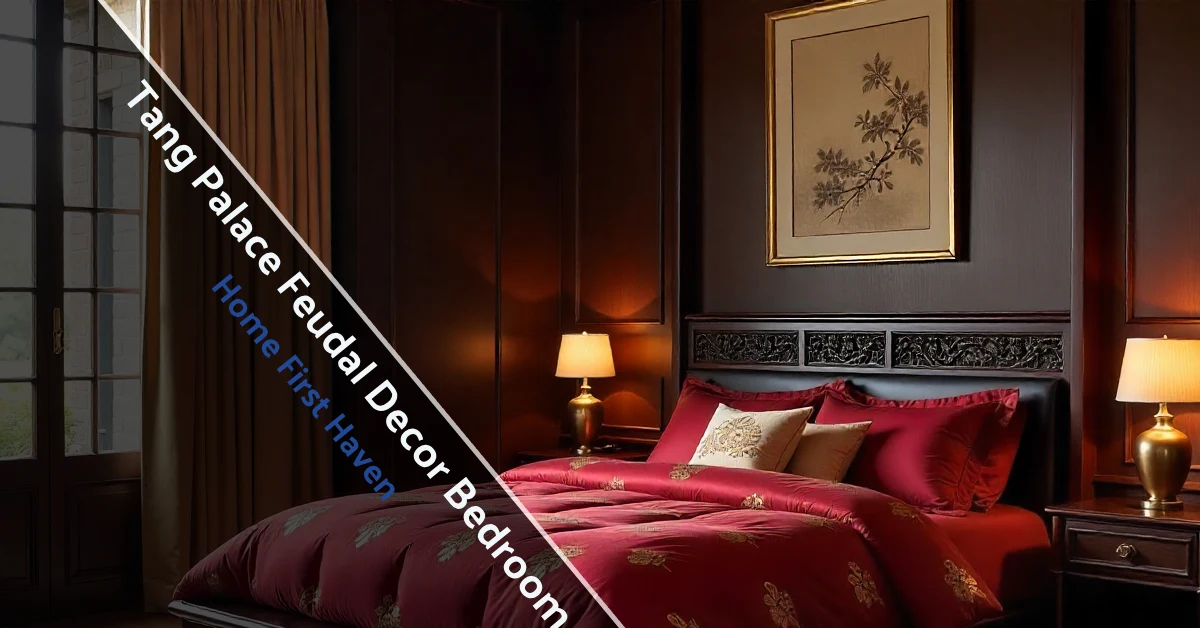
You’ve seen those jaw-dropping palace interiors in period dramas—rich silk, carved wood, lanterns casting warm shadows. That’s Tang Dynasty design. And here’s the thing: you can actually pull it off in your own bedroom without needing a palace budget or a history degree.
The Tang Dynasty ran from 618 to 907 AD, and it was China’s golden age of art, culture, and serious style. Think bold colors, detailed craftsmanship, and furniture that tells stories. A Tang Palace feudal decor bedroom captures all that energy—the drama, the elegance, the vibe of sleeping somewhere that matters.
This isn’t about turning your room into a museum. It’s about borrowing the best parts of Tang design and making them work for your modern life. I’m talking real tactics: color choices, furniture picks, layout tricks, and budget-friendly swaps that actually look expensive.
Why Tang Palace Style Still Hits Different
Tang Dynasty design wasn’t just pretty—it was flex culture at its finest. People showed status through carved screens, silk textiles, and rooms arranged with intention. Every piece had meaning. Dragons meant power. Phoenixes represented grace. Even the colors carried weight.
What makes this style work today is balance. Tang interiors mixed bold statements with calm, open space. You’d see deep vermilion walls paired with light wood floors. Heavy silk drapes next to minimal furniture. That contrast keeps things from feeling overwhelming or theme-park fake.
Modern bedrooms need that same energy. You want impact without clutter. Luxury without trying too hard. Tang Palace feudal decor bedroom design gives you both—if you know which elements to steal and which to skip.
Core Colors That Set the Tang Mood
Forget beige walls and safe neutrals. Tang palaces loved drama: pomegranate red, imperial gold, jade green, deep indigo. These weren’t shy accent colors—they owned the room. But here’s your cheat code: use one bold shade as your hero, then balance it with softer tones.
Try a single feature wall in rich red or emerald. Paint the other three walls in warm cream or soft beige. This gives you that Tang punch without making your bedroom feel like a Chinese restaurant. Add gold accents through lamp bases, picture frames, or drawer pulls.
If bold walls aren’t your move, bring color through textiles instead. A silk duvet in deep burgundy does the work. Throw pillows in jade and gold seal the deal. You get the imperial vibe without committing to paint you might regret later.
Purple and yellow also showed up in Tang design—think saffron and plum, not neon. These work great as secondary accents. A purple throw blanket or yellow silk cushions add layers without fighting your main color. Keep it rich. Keep it jewel-toned. That’s the Tang way.
Furniture That Feels Like Royalty
Tang Dynasty furniture sat low but felt substantial. Platform beds with carved wooden frames. Wide chairs with smooth lines. Tables that looked like they’d last centuries—because some actually did. The craftsmanship was next level: mortise-and-tenon joints, no nails, just wood fitting together like a puzzle.
You don’t need antiques, though. Look for modern pieces with dark wood finishes—mahogany, walnut, or rosewood tones. A low platform bed frame instantly changes the room’s energy. Add a carved wooden headboard or one with geometric patterns. Even subtle detailing reads as Tang-inspired.
Side tables matter too. Choose pieces with curved edges rather than sharp corners. Tang furniture loved organic shapes mixed with a clean structure. A pair of matching nightstands in dark wood keeps things symmetrical—balance was huge in Tang design.
Skip the glass-top tables and chrome accents. Those break the historical vibe fast. Stick with natural materials: wood, brass, bronze. If your budget’s tight, paint existing furniture in deep espresso or black. Add brass drawer pulls. Boom—instant upgrade.
Silk, Screens, and Textile Flexing
Tang Dynasty silk wasn’t just fabric—it was currency, art, and status rolled into one. Bedrooms featured silk drapes, embroidered cushions, and tapestries with massive floral medallions. Bold patterns, rich textures, symmetrical designs. This is where you can really dial up the luxury without breaking the bank.
Start with your bedding. A silk duvet cover in deep red or jade green makes your bed the room’s focal point. Layer it with silk or satin pillowcases. Add embroidered throw pillows—look for phoenix, dragon, or lotus motifs. Mix sizes. Tang design loved variety, not matching sets.
Curtains deserve attention, too. Heavy silk or velvet drapes in jewel tones control light and add drama. If real silk blows your budget, high-quality polyester blends can fake it convincingly. Hang them high and wide to make windows look bigger.
Folding screens were everywhere in Tang homes—room dividers, privacy shields, art pieces, draft blockers. A carved wooden screen with traditional paintings or calligraphy can section off a reading nook or hide storage. It’s functional and instantly reads as high-end. You can find affordable options online or at Asian home décor shops.
Layout Tricks From Ancient Architects
Tang Dynasty rooms followed symmetry hard. The bed sat centered on the main wall, with equal space on both sides. Matching nightstands. Balanced lighting. This creates calm and makes even small bedrooms feel intentional.
Leave the center of your room open. Tang design valued flow and energy movement—tight, cramped layouts killed the vibe. Push furniture toward the walls. Use a low dresser or trunk at the foot of your bed for storage without blocking sightlines.
A carved screen in one corner creates visual interest and breaks up boxy room shapes. Place a reading chair nearby with a warm lamp. This gives you a layered, palace-like feel—multiple zones within one space.
Mirrors weren’t Tang Dynasty staples, but they work in modern bedrooms to reflect light and expand space. Position one across from a window to bounce natural light. Just keep the frame simple—ornate gold or carved wood, not sleek chrome.
Lighting That Brings the Palace Glow
Tang palaces used candles, oil lamps, and natural light from courtyards. You’ve got better options, but the goal stays the same: warm, soft, layered lighting. No harsh overhead fluorescents. That’s the move that kills imperial vibes fast.
Paper lanterns are your best friend here—red or gold, hung at different heights. They diffuse light beautifully and scream Tang aesthetic. String lights behind screens or curtains add an ambient glow without obvious modern fixtures.
Table lamps with warm LED bulbs on your nightstands provide task lighting. Choose bases with traditional shapes—ceramic, carved wood, or bronze finishes. Add a dimmer switch to control intensity. Bright light wakes you up; soft light helps you wind down.
Candles in decorative bronze or ceramic holders add atmosphere for evening chill sessions. Just keep them away from silk drapes and never leave them unattended. Safety first, even in your palace bedroom.
Wall Art That Tells Your Story
Tang Dynasty walls featured traditional Chinese paintings, calligraphy scrolls, and decorative panels. These weren’t random—they reflected the owner’s taste and education. Your Tang Palace feudal decor bedroom should do the same.
Look for landscape paintings in traditional Chinese style: mountains, water, and trees rendered in ink wash. Birds and flowers work too—especially peonies, which symbolized wealth and honor. You can find affordable reproductions online or commission local artists working in traditional styles.
Calligraphy scrolls add instant sophistication. Choose characters representing peace, happiness, harmony, or prosperity. Even if you can’t read Chinese, the visual beauty carries weight. Hang them vertically on either side of your bed for symmetry.
Limit your wall art to a few key pieces. Tang design valued space as much as decoration. One stunning scroll beats five mediocre prints. Quality over quantity always wins.
Budget Moves That Still Look Expensive
You don’t need a palace treasury to pull off Tang style. Start small: a silk throw blanket in deep red. A carved wooden tray on your dresser. One quality scroll painting. Build from there as the budget allows.
Mix real silk accents with cotton or polyester blends. Save the authentic silk for visible pieces like pillow covers and small drapes. Use cheaper materials where texture matters less. Nobody’s inspecting your curtain lining.
Paint transforms cheap furniture fast. A basic wooden dresser becomes Tang-worthy with espresso stain and brass hardware. Thrift stores and estate sales often have solid wood pieces that just need refinement. Sand, stain, upgrade the pulls—you’re done.
Focus your spending on one or two statement pieces. Maybe that’s a carved wooden screen. Or an authentic antique trunk at the foot of your bed. Let that anchor the room, then fill in with budget-friendly supporting elements.
Common Mistakes That Kill the Vibe
Don’t go full theme park. Using dragon motifs on your walls, bedding, curtains, and art makes the room feel like a costume. Pick one or two focal points for bold symbols. Let the rest breathe.
Avoid mixing too many design periods. Tang style has specific characteristics—don’t throw in Japanese shoji screens or Indian block prints. Keep it cohesive. If you want fusion, make it intentional, not accidental.
Glass and chrome break the historical illusion fast. Modern materials can work, but choose ones that blend: dark metals, natural fabrics, warm woods. Save the steel and glass for other rooms.
Overcrowding kills Tang design’s power. This style needs space to work—visual breathing room between furniture, empty wall sections, and clear pathways. If your room feels cramped, you’ve added too much. Edit ruthlessly.
Making Tang Style Work in Small Bedrooms
Small spaces can absolutely handle Tang Palace feudal decor bedroom style—you just need to be selective. Choose one or two hero elements: maybe a carved wooden headboard and silk bedding. Skip the folding screen if space is tight.
Use mirrors strategically to expand visual space. A large mirror with a carved frame opposite your window doubles the light and makes the room feel bigger. This wasn’t traditional Tang, but it solves modern space problems.
Wall-mounted shelves display beautiful objects without eating floor space. Show off a few choice pieces: a bronze artifact, a ceramic vase, a small scroll painting. Keep surfaces mostly clear.
Low furniture helps small rooms feel less cramped. A platform bed without a towering headboard opens up vertical space. Choose nightstands with slim profiles. Every inch counts when you’re working with limited square footage.
Your Palace Awaits
A Tang Palace feudal decor bedroom brings ancient Chinese elegance into your modern life. Rich colors, carved wood, silk textiles, balanced layouts—these elements create spaces that feel both luxurious and restful. You’re not copying a museum. You’re borrowing techniques from master designers who understood how environments shape mood.
Start with one or two changes. Maybe that’s painting an accent wall in pomegranate red. Or swapping your bedding for silk in deep jewel tones. Add a carved wooden screen. Hang a traditional landscape painting. Build slowly and watch your bedroom transform into something that feels special every time you walk in.
The Tang Dynasty celebrated beauty, craftsmanship, and cultural richness. Your bedroom can do the same—no palace required, just smart choices and a willingness to embrace bold, timeless style that’s been impressing people for over a thousand years.