

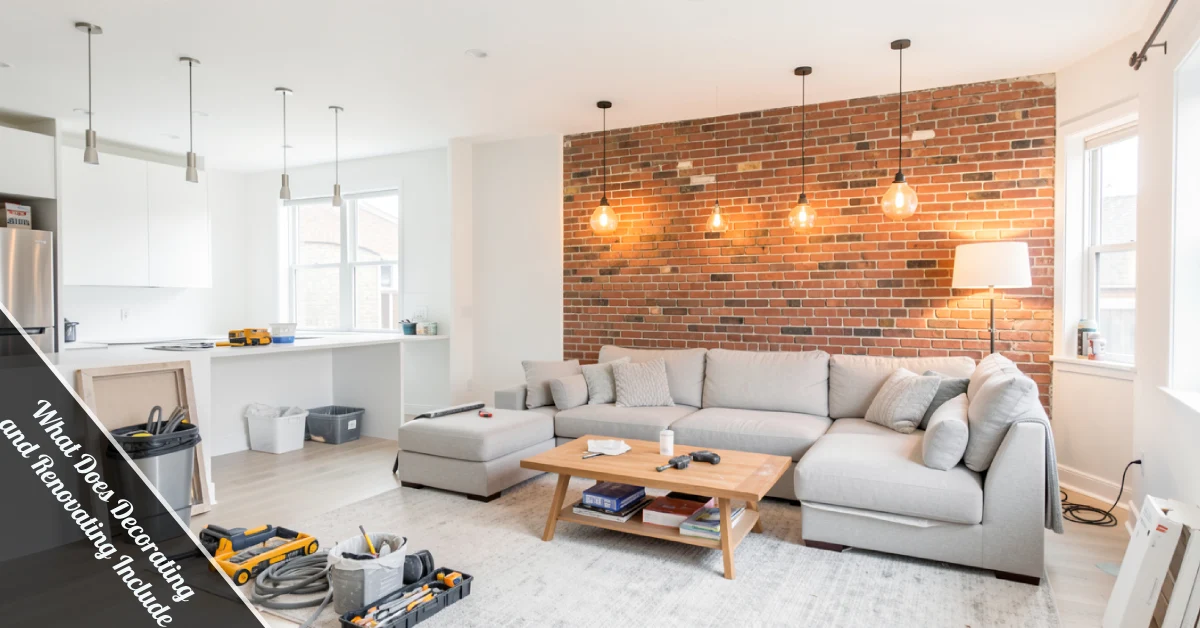
You walk into a friend’s newly done home and think — wow, this place hits different. But was it decorated or renovated? Trust me, that’s not a trick question — it’s the difference between a fresh coat of paint and knocking down a wall.
So, what does decorating and renovating include? Whether you’re a first-time homeowner, a landlord upgrading a rental, or someone who just wants their space to feel alive again, this guide has you covered.
We’re cutting straight to it: no fluff, no filler. Just the real breakdown of what each process involves, what it costs, and how to decide what your home actually needs right now.
Decorating vs. Renovating: What’s the Real Difference?
Here’s the cheat code: decorating = looks, renovating = bones. Decorating is about making your space feel a certain way — cozy, bold, modern, whatever vibe you’re going for.
Renovating is heavy-duty work. It’s about improving the structure, fixing what’s broken, and upgrading systems that keep your home safe and functional for years to come.
Here’s a real-life example: you move into a 1990s house. You paint the walls, swap the curtains, and add some warm lighting — that’s decorating. Then you discover the wiring is outdated and the pipes are corroded. Time to renovate.
The two processes often overlap. A kitchen renovation naturally leads to decorating decisions — new cabinets mean choosing hardware, colors, and lighting. Smart homeowners plan both together to avoid a mismatched finish.
What Does Decorating Include?
Cosmetic and Aesthetic Updates
Decorating starts with the surface — and it’s honestly the fun part. Paint alone can completely flip a room’s energy, from dark and moody to bright and airy.
Beyond paint, decorating covers wallpaper, accent walls, decorative moldings, and stylish light fixtures. Swapping harsh overhead bulbs for warm LEDs? That’s a decorating move with serious impact.
Pro tip: lighting is the most underrated decorating tool. A pendant light or table lamp can make a rental feel like a designer suite without touching a single wall.
Furniture, Layout, and Accessories
Decorating also covers how your space is arranged and styled. Choosing the right sofa, rug, shelving, and artwork — and putting them in the right spots — shapes how a room actually feels to live in.
Don’t sleep on small details like cabinet handles, curtain rods, or throw cushions. These quiet upgrades elevate a space without needing major work or big budgets.
Sometimes you don’t even need to buy anything new. Rearranging furniture to improve the flow is a zero-cost decorating move. Pull furniture away from walls, group items in odd numbers, and use rugs to define zones in open layouts.
What Does Renovating Include?
Structural and Layout Work
Renovation means going deeper than the surface. Removing non-load-bearing walls, creating open-concept spaces, converting an unused basement or loft — these are structural improvements that change how a home functions.
This is where you’ll need permits and likely a licensed contractor. Structural work affects safety, so it’s not the place to cut corners or go full DIY without professional guidance.
Plumbing, Electrical, and System Upgrades
Older homes often hide problems behind the walls. Outdated wiring, corroded pipes, and inefficient HVAC systems are all renovation territory. Fixing these isn’t glamorous, but it’s essential.
Upgrading these systems saves money long-term — think lower energy bills, fewer emergency repairs, and a safer living environment. Energy-efficient upgrades can also increase your property’s market value significantly.
Kitchen and Bathroom Renovations
These two rooms are the biggest renovation investments — and for good reason. They involve plumbing, electricity, waterproofing, and design all at once, making them complex but high-impact projects.
A proper kitchen renovation might include new cabinets, countertops, a better layout, updated appliances, and improved ventilation. A bathroom overhaul covers waterproofing, tiling, fixtures, and storage — the works.
Exterior and Energy Upgrades
Renovation isn’t only about what’s inside. Replacing windows, updating siding, fixing roofing, and improving insulation all fall under renovation. These protect the home from the weather and cut energy waste.
Solar panels, smart thermostats, and better insulation are modern renovation additions that reduce long-term costs. They’re not cheap upfront, but they pay off in comfort and savings.
Decorating vs. Renovating: Quick Comparison
| Aspect | Decorating | Renovating |
| Focus | Style, mood, personality | Structure, systems, function |
| Examples | Paint, furniture, lighting, rugs | Plumbing, wiring, flooring, walls |
| Cost Range | $1,000–$5,000 per room | $10,000–$100,000+ |
| Timeline | 1–2 weeks | 1–6 months |
| DIY-Friendly | Usually yes | Often needs a pro |
| Permits | Rarely needed | Commonly required |
What Does Decorating and Renovating Include When They Overlap?
Here’s where it gets interesting. Renovation decisions almost always affect decorating choices. If you install dark hardwood floors during renovation, your decorating palette will need to work with them — your furniture, rugs, and wall colors all have to follow.
Timing matters too. Renovate first, always. Structure and systems before style. It’s like baking a cake — you don’t frost it before it’s out of the oven. Decoration after construction dust settles is the professional way to do it.
The smartest homeowners plan both stages at the same time, even if they’re executed separately. Knowing your end decorating vision before renovation starts avoids awkward mismatches and wasted money.
Renovation vs. Remodelling: Know the Difference
People mix these up constantly, so here’s the quick version: renovation improves what exists. Remodelling changes the layout or purpose of a space entirely.
Updating kitchen cabinets and appliances? Renovation. Moving the kitchen to a different room or turning a garage into a home gym? That’s remodelling — bigger scope, bigger budget, bigger decisions to make.
Step-by-Step: The Right Order for Home Renovation
- Plan and budget — Define your scope, priorities, and total spend before touching anything.
- Get permits — Check local regulations for structural, plumbing, or electrical work.
- Demolition — Remove what’s outdated or damaged.
- Structural work — Reinforce, rebuild, or reconfigure the bones.
- Rough-ins — Plumbing, electrical, and HVAC before closing walls.
- Walls, ceilings, and floors — Install drywall, flooring, and finishes.
- Fixtures and fittings — Cabinets, countertops, lighting, hardware.
- Paint and decorate — Always last. Dust settles before you style.
- Final inspection — Safety check and quality walkthrough.
How Much Does It All Cost?
Let’s talk numbers — because budgeting right is half the battle. Decorating a single room typically runs $1,000 to $5,000, depending on your choices and the quality of materials.
Renovation costs are in a different league. A bathroom remodel runs $10,000–$25,000. A full kitchen renovation? Expect $15,000–$50,000 or more. Always add a 10–15% buffer for surprises — hidden leaks, outdated wiring, unexpected structural issues.
Budget-friendly wins: repaint instead of rebuilding, replace cabinet doors instead of full cabinets, and upgrade handles and lighting for a fraction of the cost. Peel-and-stick wallpaper and refinished floors are two smart money-saving moves.
How to Decide What Your Home Actually Needs
Functional problems mean you need renovation first — a leaking roof, faulty wiring, damaged flooring, or a layout that makes no sense. Don’t decorate over structural issues. It’s money wasted.
If everything works fine, but the place just feels tired and outdated, decoration alone might do the job. Fresh paint, new textiles, better lighting — you’d be surprised how far these changes go without a single contractor involved.
The best approach? Understand what decorating and renovating include for your specific home — then plan both stages together, even if you tackle them separately. That’s how you avoid regrets.
Common Mistakes to Avoid
- Skipping the plan: You’ll spend more and regret decisions made in the moment.
- Decorating before fixing structural issues: Classic money-waster.
- Choosing the cheapest contractor: Cheap bids often hide expensive surprises.
- Ignoring permits: Legal trouble later isn’t worth the shortcut now.
- Forgetting natural light: Bright rooms always feel larger and more welcoming.
FAQs
What does decorating and renovating include at a basic level?
Decorating covers aesthetic updates — paint, furniture, lighting, and accessories. Renovating covers structural repairs, system upgrades, and functional improvements like plumbing, wiring, and new flooring.
What comes first — decorating or renovating?
Always renovate first. Structural and system work before styling. Decorating is the final stage, after construction dust has settled and all major work is complete.
Can I decorate without renovating?
Yes — if your home is structurally sound and everything functions properly, decorating alone can dramatically refresh the space. New paint, furniture arrangement, and updated lighting go a long way.
Is renovation always expensive?
Not always. Small renovations like replacing flooring, updating fixtures, or improving insulation are manageable. Larger projects like full kitchen or bathroom overhauls are where costs climb significantly.
Do I need permits for renovation?
For structural changes, plumbing, electrical work, or anything that alters the layout — yes, permits are typically required. Decorating rarely needs them. Always check with your local authority first.
Final Word
So, what does decorating and renovating include? Everything from the first nail to the last cushion. Renovation builds the structure, the safety, and the function. Decoration brings the personality, the warmth, and you.
The real flex is planning both together. Know your end goal before you swing a hammer. Budget smart, renovate first, then decorate with intention. That’s how you turn a house into a home that works and feels incredible.
Your home is your biggest investment and your daily backdrop — treat it like both. Take your time, make informed choices, and don’t skip the fun part of making it yours.