

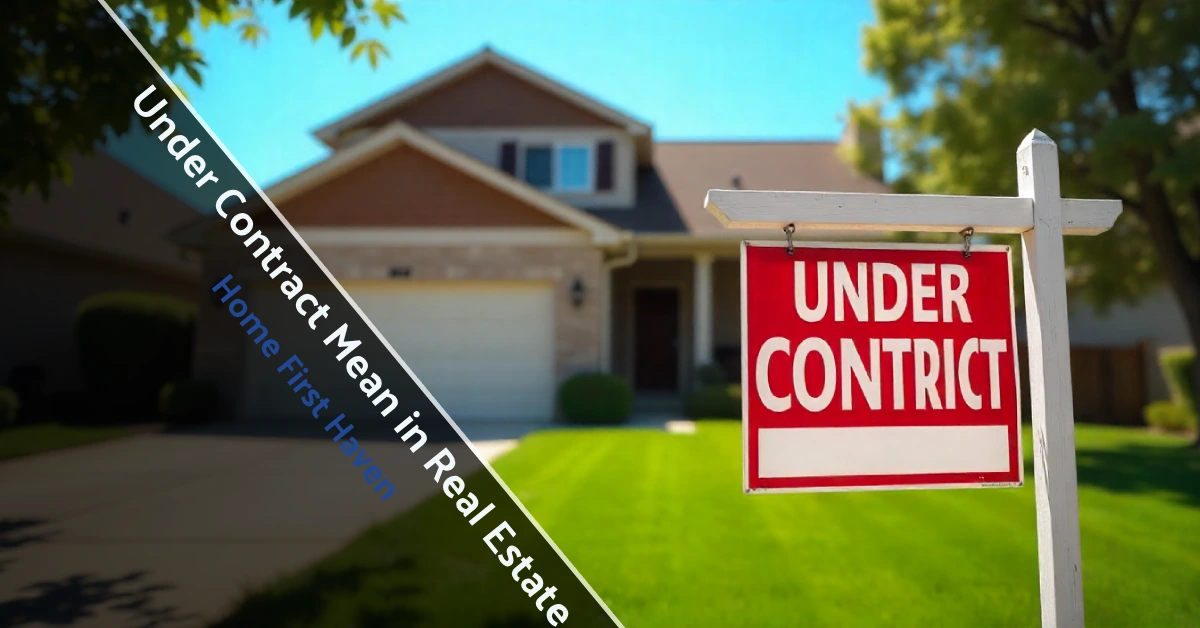
You’re scrolling through Zillow at 2 AM (again), and you spot your dream house. Three bedrooms, killer kitchen, that backyard where you can already picture weekend BBQs. Then you see it: “Under Contract.”
Your heart sinks a little. Is it sold? Can you still make a move? What does under contract mean in real estate, anyway?
Here’s the truth: under contract doesn’t mean game over. It means the seller accepted someone’s offer and signed a purchase agreement. But the deal isn’t sealed yet. Think of it like being engaged—committed, sure, but not married until you walk down that aisle.
This guide breaks down everything you need to know about homes under contract. You’ll learn what’s happening behind the scenes, whether you can still jump in, and how to play it smart if you’re the buyer or seller in this situation.
What Under Contract Actually Means
When a property goes under contract, the seller and buyer sign a legally binding purchase agreement. Both parties shook hands (metaphorically) and committed to terms like price, closing date, and who pays for what.
But here’s the catch: contingencies still exist. These are conditions that must be met before the sale closes. The buyer needs their loan approved. The home inspection can’t reveal any deal-breaking disasters. The appraisal has to come in at the agreed price.
If any contingency falls through, the deal can collapse. The buyer might walk away. The seller could back out under specific circumstances. Until everyone clears these hurdles, the property stays in limbo between “available” and “sold.”
The earnest money deposit shows the buyer’s seriousness. This cash sits in escrow as proof they’re not just window shopping. If the buyer bails without a valid reason, the seller typically keeps this money.
Most homes stay under contract for 30 to 60 days. That window gives everyone time to handle inspections, secure financing, and clear the title. Some deals close faster with cash buyers. Others drag on if complications pop up.
Can You Still Buy a House Under Contract?
Short answer: sometimes, yes. If the listing shows “active under contract,” the seller’s still accepting backup offers. They’re hedging their bets in case the first buyer ghosts or can’t close.
A backup offer positions you as next in line. You submit a full offer just like the original buyer did. If their deal tanks, yours kicks in automatically without starting from scratch.
Why would a seller want backup offers? Simple insurance. Deals fall through more often than you’d think. Financing falls apart. Inspections reveal expensive problems. Buyers get cold feet and decide losing their earnest money beats buying a house they’re not sure about.
Some sellers include a “bump clause” in their contract. This lets them accept a better offer even after signing with the first buyer. The original buyer gets a chance to match or improve their terms. If they can’t, you’re in.
But if the listing just says “pending,” you’re probably out of luck. That means all contingencies cleared and closings around the corner. The seller stopped accepting backup offers because they’re confident this one’s going through.
Your real estate agent can check the MLS for specifics. Different markets use different terminology. Some areas only mark homes “pending” once under contract. Others distinguish between “contingent,” “under contract,” and “pending” based on what stage things are at.
What Happens During the Contract Period
The buyer kicks things off by finalizing their mortgage application. They submit pay stubs, tax returns, bank statements—whatever their lender demands. Pre-approval helps, but full approval takes longer and requires more documentation.
Next comes the home inspection. A professional checks the foundation, roof, HVAC, plumbing, electrical—everything that could become your expensive nightmare later. If they find major issues, the buyer can request repairs or negotiate a lower price.
The appraisal follows. The lender sends someone to confirm the home’s worth matches the agreed price. If it appraises low, the buyer might need to bring more cash or renegotiate. Some buyers include an appraisal contingency that lets them walk if the numbers don’t work.
The title company runs a title search to verify ownership and check for liens. You don’t want to buy a house only to discover someone else has a legal claim. Title insurance protects you from hidden surprises that slip through the cracks.
Both parties juggle paperwork throughout this phase. The seller provides property disclosures, HOA documents, and proof of repairs. The buyer reviews closing disclosures and signs approximately one million documents.
Why Deals Fall Through
Financing problems top the list. The buyer’s credit score drops. Their debt-to-income ratio changes. The lender discovers something sketchy in their financial history. Suddenly, that pre-approval means nothing, and the loan gets denied.
Home inspections reveal deal-breakers regularly. Major foundation cracks. A roof that needs replacing. Mold in the basement. Electrical work that’s not up to code. If the seller won’t fix it and the buyer can’t afford to, everyone walks.
Appraisal gaps cause drama. The buyer offered $400,000, but the house appraised at $375,000. The lender only loans based on appraised value. Unless the buyer has an extra $25,000 lying around or the seller drops the price, the deal dies.
Sometimes buyers just get cold feet. Life changes. Job transfers happen. Relationships end. They realize they’re not ready for this commitment. If they’re within their contingency periods, they can back out and keep most of their earnest money.
Sellers can torpedo deals, too. They fail to make promised repairs on time. Title issues pop up that they can’t resolve. Or they receive a better offer and have a contingency, letting them jump ship.
Active vs Contingent vs Pending
“Active” means no accepted offers exist yet. The home’s fully available. You can schedule showings, submit offers, and negotiate freely. This is prime hunting territory for buyers.
“Under contract” or “contingent” signals an accepted offer with remaining contingencies. These might include inspection, financing, appraisal, or home sale contingencies. The seller might still accept backup offers depending on their confidence in the current buyer.
“Pending” means contingencies cleared and closing imminent. The seller stopped entertaining new offers. Only major disasters—failed financing or inspection surprises at the final walkthrough—can derail things now.
Different MLS systems use these terms inconsistently. Some markets only have “active” and “pending.” Others break it down further. Your agent knows your local MLS vocabulary and can translate what each status really means for your situation.
Understanding what under contract mean in real estate helps you gauge your odds. If you love a contingent home, making a backup offer costs nothing but time. Pending homes rarely become available again, so you’re better off moving on.
What Sellers Should Do Under Contract
Meet every deadline in your purchase agreement. If you promised repairs by Friday, finish them Thursday. Missing deadlines gives buyers ammunition to renegotiate or walk away entirely.
Stay responsive to requests from the buyer’s lender and inspector. They need access to the property, documentation about recent repairs, and HOA info. Ghosting them slows everything down and frustrates everyone involved.
Keep the property in the same condition as when the buyer made their offer. Don’t rip out that chandelier you suddenly decided you want. Don’t let maintenance slide. The buyer gets a final walkthrough before closing to confirm nothing has changed.
Consider accepting backup offers for insurance. Your current buyer seems solid, but life’s unpredictable. Having a backup ready means you won’t start from zero if things fall apart.
Maintain communication with your agent. They’ll update you on the buyer’s progress through contingencies and alert you to potential red flags. Staying informed helps you make smart decisions if problems arise.
What Buyers Should Do Under Contract
Move fast on your mortgage application. Submit the requested documents immediately. Follow up with your lender regularly. The faster you clear financing, the fewer chances exist for something to go wrong.
Schedule your home inspection quickly. Most contracts give you 7 to 10 days. Book a reputable inspector as soon as you go under contract. If issues surface, you’ll have time to negotiate without blowing your deadline.
Attend the inspection if possible. The inspector explains findings in real time. You’ll understand problem severity better than reading a report later. Plus, you can ask questions about maintenance and systems.
Review your closing disclosure carefully. This document shows your final costs, loan terms, and who pays what. Compare it against your loan estimate. Question anything that looks different or doesn’t make sense.
Don’t make major financial changes during this period. Don’t buy a car. Don’t open new credit cards. Don’t change jobs if you can avoid it. Lenders verify your finances right before closing, and changes can tank your loan.
When to Walk Away
If the inspection reveals problems costing more than you budgeted for, reconsider. Foundation issues, roof replacements, and major system failures add up fast. Run the numbers honestly before committing to expensive repairs the seller won’t handle.
Appraisal gaps that exceed your available cash create hard stops. You can’t wish extra money into existence. If the seller won’t budge and you can’t cover the difference, walking away beats financial disaster.
Title issues that can’t be resolved quickly spell trouble. Unresolved liens, ownership disputes, or clouded titles can delay closing indefinitely or make the property uninsurable. Your attorney will advise whether it’s fixable or fatal.
Sometimes the numbers just stop working. Interest rates have jumped since your pre-approval. Your circumstances changed. The monthly payment feels uncomfortable now. Trust your gut—buyer’s remorse before closing is better than regret after.
Your Next Move
Understanding what does under contract mean in real estate gives you power. You know when to make backup offers. You understand why deals collapse. You can spot which homes are truly unavailable versus which ones might still be in play.
If you’re buying and spot a home under contract that you love, talk to your agent about a backup offer. The worst they can say is no. The best outcome? You’re first in line if things fall apart.
If you’re selling and just went under contract, stay sharp through closing. Don’t celebrate until you’re signing final documents. Keep that backup offer ready just in case. Protect yourself while staying optimistic about your current buyer.
Real estate moves fast, but it’s not magic. Every status change—active, under contract, pending—tells a story about where that property sits in the buying process. Now you can read that story and make smarter moves whether you’re buying or selling.