

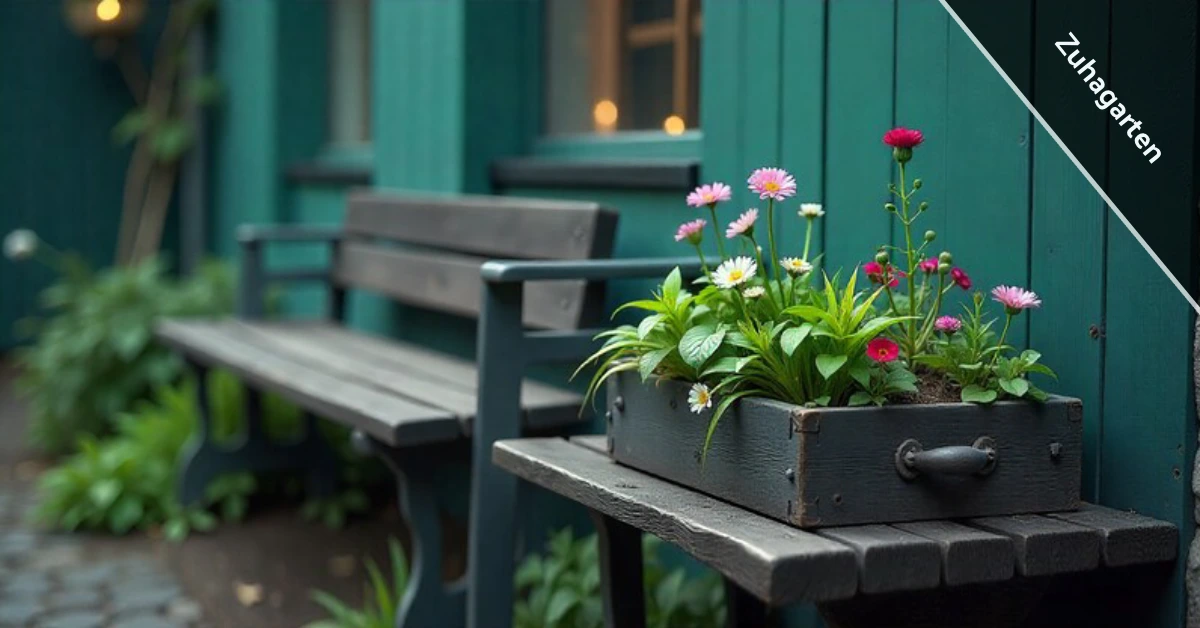
Zuhagarten is a German-inspired concept blending “zu Hause” (at home) and “Garten” (garden). It represents a personalized outdoor sanctuary designed for mental wellness, reflection, and connection with nature, where intention matters more than size or expense.
What Is Zuhagarten?
The word zuhagarten might sound unfamiliar, but its meaning is simple. It combines German words to describe a personal garden space that serves as your home sanctuary.
The term blends “zu Hause” (at home) with “Garten” (garden). Unlike typical backyard spaces, a zuhagarten is designed with purpose. It reflects your values, meets your emotional needs, and creates a retreat from daily stress.
You don’t need acres of land to create one. A zuhagarten can be a balcony with potted herbs, a small backyard plot, or a community garden space. What matters is the intention behind it.
Why People Create a Zuhagarten Today
Modern life moves fast. Screens dominate our attention. Work demands never stop. Many people feel disconnected from nature and themselves.
Research from the University of Colorado Boulder found that people who started gardening experienced significant drops in stress and anxiety levels. The 2023 study, published in Lancet Planetary Health, tracked first-time gardeners and found they also increased fiber intake and physical activity.
A Zuhagarten addresses these needs by offering:
- A space to disconnect from technology
- Physical activity that doesn’t feel like exercise
- A place to practice mindfulness naturally
- Connection to seasonal rhythms and natural cycles
The concept works because it combines several wellness practices in one accessible activity.
Building Your Zuhagarten: Start with Intention
Before you buy plants or tools, ask yourself a simple question: What do I want to feel here?
Your answer shapes every decision. Some people want a quiet reading spot. Others need a productive food garden. Many want a gathering space for friends and family.
A 2024 systematic review in the journal Systematic Reviews analyzed multiple studies on gardening and mental health. Researchers found that gardening interventions consistently improved well-being, reduced depression symptoms, and enhanced quality of life across different population groups.
Your zuhagarten should serve your specific needs:
- For stress relief: Include plants with calming scents like lavender, mint, or chamomile
- For food production: Focus on high-yield crops like tomatoes, herbs, and leafy greens
- For wildlife: Add native plants, bird feeders, and water features
- For family time: Create multiple zones for different activities
Key Elements of a Zuhagarten
Unlike formal gardens, a zuhagarten embraces imperfection. It values function and feeling over appearance.
Mix edible and ornamental plants. Wildflowers can grow beside vegetables. Climbing beans can share space with decorative vines. This biodiversity supports local wildlife and creates visual interest.
Include meaningful objects. Old garden tools, handmade pots, or inherited furniture add personal history. A tree planted on a birthday or herbs from a grandparent’s garden connect you to memories.
Create multi-use spaces. One area might serve as both a meditation spot and a harvesting station. A bench near your tomatoes lets you rest while checking on progress.
Use natural materials. Wood, stone, and metal weather beautifully over time. They require less maintenance than synthetic materials and blend into the landscape.
The Mental Health Benefits Are Real
The connection between gardening and mental wellness has strong scientific support. A December 2024 study in Frontiers in Psychiatry reviewed therapeutic horticulture programs and found they effectively reduced both depression and anxiety symptoms.
Gardening offers unique mental health advantages:
Soil contains beneficial bacteria that may boost serotonin levels. Getting your hands dirty literally impacts your brain chemistry. The physical sensation of working with soil has a grounding effect that helps regulate your nervous system.
Studies with mice showed that healthy bacteria in soil increased serotonin and reduced anxiety.
The repetitive nature of garden tasks creates a meditative state. Weeding, watering, and harvesting require focus without intense concentration. This allows your mind to process emotions and thoughts naturally.
A 2024 University of Florida study found that therapeutic horticulture sessions reduced symptoms of depression, stress, anxiety, and mood disturbances. The research also showed a dosage effect: attending more sessions produced greater benefits.
Seasonal Living in Your Zuhagarten
A true zuhagarten changes with the seasons. You work with nature’s cycles instead of fighting them.
Spring brings renewal. Plant cool-season crops and perennials. Watch pollinators return. The garden awakens slowly, and so do you.
Summer means abundance. Harvest vegetables and herbs regularly. Spend evenings in the garden with family. The space becomes a second living room.
Autumn offers reflection. Gather the final harvests. Collect seeds for next year. Prepare beds for winter rest. The garden teaches you about completion and letting go.
Winter provides quiet beauty. Bare branches catch snow. Frost patterns appear on leaves. Birds visit feeders. You plan and dream about spring.
This rhythm connects you to something larger than daily routines.
Sustainability Through Small Actions
Your zuhagarten can reduce your environmental impact without major effort.
Growing even a small amount of food cuts packaging waste. Tomatoes, herbs, and greens are easy to grow and expensive to buy. The food tastes better because you harvest it at peak ripeness.
Composting kitchen scraps creates free fertilizer. You divert waste from landfills and improve your soil quality. The cycle is satisfying and practical.
Native plants support local ecosystems. They need less water than exotic species and provide food for pollinators. Bees, butterflies, and birds thrive when you choose regional plants.
Collecting rainwater in barrels gives you free irrigation during dry periods. Most systems are simple to install and maintain.
Zuhagarten for Families and Children
Children benefit enormously from garden experiences. Modern kids spend most time indoors, but hands-on learning in soil creates lasting memories.
Give kids their own small plot. Let them choose what to grow. Don’t worry about mistakes. The process matters more than results.
Garden activities naturally teach patience. A seed takes time to sprout. Plants need daily care. These lessons stick with children far better than lectures.
Kids who garden are more likely to eat vegetables. They feel ownership of the food they grew. The connection between the seed and the plate becomes real.
Simple activities work best: digging for worms, making mud pies, watching butterflies, or painting rocks for garden markers.
Creating Indoor-Outdoor Flow
Your zuhagarten shouldn’t feel separate from your home. Blur the boundary between inside and outside.
French doors or large windows that open to the garden create visual connections. You see the garden from inside and feel more connected to it.
Grow some herbs indoors and others outside. The continuity makes cooking easier and keeps you engaged year-round.
Outdoor seating with comfortable cushions extends your living space. You’re more likely to spend time in the garden if it feels inviting.
Hang herb-drying racks near your kitchen. The visual reminder strengthens the connection between garden and meals.
Starting Small and Scaling Up
You don’t need to create your perfect zuhagarten immediately. Start with one bed or a few containers.
Choose plants that match your climate and skill level. Success builds confidence. Failure teaches valuable lessons.
Many successful gardeners began with a single tomato plant on a balcony. They expanded as they learned what worked.
Pay attention to what brings you joy. If you hate weeding but love harvesting, choose low-maintenance plants. Design your garden around your preferences, not someone else’s ideal.
Track what works. Take photos throughout the season. Note planting dates and harvest times. Your observations create a personal reference guide.
The Ritual of Garden Care
Tending your zuhagarten becomes a daily practice that supports mental health.
Morning watering gives you quiet time before the day’s demands start. The ritual grounds you and provides gentle exercise.
Evening walks through the garden help you decompress. You check on plant progress and notice small changes.
Harvesting with intention transforms cooking. When you pick fresh herbs for dinner, the meal becomes more meaningful.
These small rituals accumulate. They create structure and purpose. The garden needs you, and you need it.
Beyond Aesthetics: Zuhagarten as Philosophy
The concept extends beyond physical space. It represents a way of approaching life.
A Zuhagarten mindset values patience over speed. Plants grow on their schedule, not yours. You learn to wait and trust the process.
It embraces imperfection. Not every plant thrives. Weather brings surprises. The garden teaches acceptance of things beyond your control.
It encourages presence. You can’t garden while scrolling on your phone. The activity demands attention and rewards focus.
This philosophy applies to other life areas. The lessons learned from nurturing plants transfer to nurturing relationships, career goals, and personal growth.
Final Thoughts
A zuhagarten is more than a garden. It’s a personal sanctuary that supports your physical and mental health through connection with nature.
You don’t need gardening expertise or a large space to begin. Start with your intention. Choose plants that interest you. Spend time in your space regularly.
The benefits compound over time. Your stress levels drop. Your diet improves. You gain a deeper appreciation for seasonal rhythms and natural cycles.
Whether you have a balcony or a backyard, you can create your own zuhagarten. The concept adapts to any situation. What matters is the commitment to nurturing a space that nurtures you back.
FAQs
What does Zuhagarten mean?
Zuhagarten combines the German words “zu Hause” (at home) and “Garten” (garden). It describes a personalized garden sanctuary that serves as an outdoor extension of your home, designed for relaxation, reflection, and connection with nature.
Do I need a large yard to create a zuhagarten?
No. A zuhagarten can be any size. Balcony containers, window boxes, or small urban plots all work. The concept focuses on intention and personal connection rather than space requirements.
What should I plant in my Zuhagarten?
Choose plants based on your goals. For stress relief, try lavender or chamomile. For food production, start with herbs, tomatoes, or leafy greens. For wildlife support, select native plants. Mix edible and ornamental species for variety.
How much time does a Zuhagarten require?
Start small and build up. Even 15-20 minutes daily makes a difference. The time investment depends on your garden size and plant choices. Low-maintenance designs require less frequent attention.
Can I create a Zuhagarten indoors?
While traditional zuhagarten concepts focus on outdoor spaces, you can apply the philosophy indoors. Create a dedicated area with houseplants, herbs, and comfortable seating. The key is intention and regular engagement with your plants.