

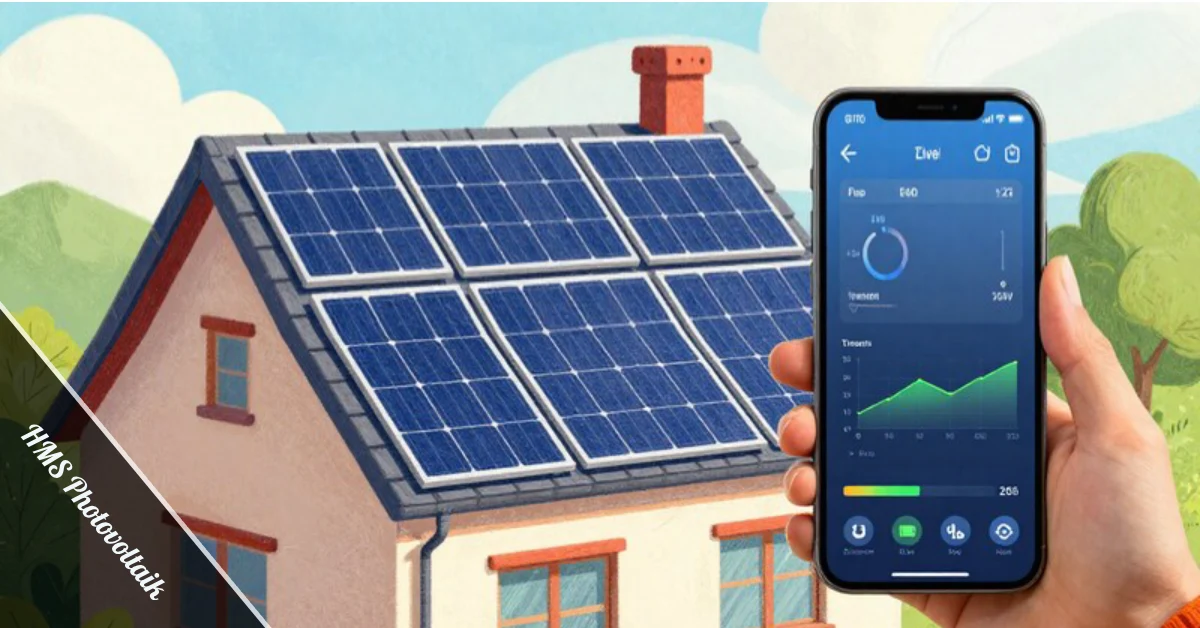
HMS Photovoltaik represents intelligent solar energy systems using microinverter technology that converts sunlight into electricity at the panel level. These systems offer 5-30% higher efficiency than traditional setups through independent panel operation, real-time monitoring, and smart energy management, making them ideal for residential and commercial applications.
Your electricity bill arrives, and the number makes you wince. You want solar panels, but traditional systems feel like a gamble. What if one panel fails? What if clouds reduce output? What if you can’t monitor what’s actually happening on your roof?
HMS Photovoltaik solves these problems. This smart solar technology gives you control, visibility, and better performance than standard solar installations.
What Makes HMS Photovoltaik Different
HMS stands for Hybrid Monitoring System or Home Management System, depending on the manufacturer. The technology combines solar panels with microinverters that attach directly to each panel.
Traditional solar systems use string inverters. One inverter handles all your panels. If one panel underperforms due to shade or damage, your entire system suffers.
HMS systems rely on microinverters mounted behind each solar module, allowing independent operation of each panel and reducing the impact of shading or malfunction. Each panel works alone. Your system keeps producing power even when issues affect individual panels.
The technology appeared in consumer markets around 2015. Hoymiles, a leading manufacturer, launched its HMS microinverter series with models ranging from 350 to 2000 VA output power. The HMS series includes single-phase microinverters ranging from 350 to 2000 VA, available in 1-in-1, 2-in-1, and 4-in-1 models.
Core Components That Drive Performance
Understanding what’s inside an HMS Photovoltaik system helps you make better purchasing decisions.
Microinverters handle the heavy lifting. These small devices attach to individual panels and convert DC electricity to AC power right at the source. Hoymiles announced it has launched its MiS series of residential microinverters at Intersolar North America 2025, with the MiS 1-in-1 model weighing just 2.43 lbs. The lightweight design cuts installation time by 70% compared to traditional systems.
Smart monitoring keeps you informed. Every HMS system includes wireless communication. Your panels send performance data to a central gateway that connects to cloud platforms. You can check energy production from your phone, spot problems early, and track savings in real time.
Maximum Power Point Tracking (MPPT) boosts output. This technology adjusts to changing light conditions throughout the day. With 99.8% MPPT efficiency and Sub-1G wireless communication, HMS microinverters ensure optimal performance and real-time monitoring.
Battery storage extends usefulness. Many HMS installations include lithium-ion batteries. You store excess power during peak sun hours and use it at night or during outages.
HMS Photovoltaik Installation Costs and Savings
Money matters when you’re investing in solar. HMS systems cost more upfront but deliver better returns.
HMS Photovoltaik systems’ cost varies by size and features, but expect a premium of 10-20% over traditional systems, often offset by higher ROI. The average cost per watt across the U.S. sits around $2.53 before incentives.
A typical residential installation breaks down like this:
- Equipment costs: 46%
- Labor: 17%
- Permitting and design: 13%
- Customer acquisition: 10%
- Overhead and profit: 14%
The microinverter premium adds roughly $1,500 to $3,000 to a standard home installation. But you gain 5-30% more energy production over the system’s lifetime.
Electricity bills decrease, and average savings reach $500 or more annually on a 5kW system, according to Energy Save 2025 data. Commercial installations see even bigger benefits. One small manufacturer cut running costs by 30% through smart energy timing.
The federal solar investment tax credit covers 30% of your total installation cost through the end of 2025. That $28,000 system? You get $8,400 back on your taxes.
How HMS Systems Outperform Traditional Solar
The performance gap between HMS and string inverter systems is real and measurable.
Panel-level optimization changes everything. String systems lose efficiency when one panel underperforms. If shade hits your roof at 2 PM daily, your entire array produces less power during peak sunlight hours. HMS systems isolate the problem. One shaded panel drops output, but the other 20 keep working at full capacity.
Users have reported a 20-30 percent increase in output in shaded systems, according to a 2025 study.
Monitoring identifies problems before they cost money. Traditional systems might show total output only. You won’t know which panel failed until production drops significantly. HMS monitoring shows each panel’s performance. Your app alerts you when Panel 12 produces 15% less power than expected. You fix the issue before it impacts your savings.
Safety features protect your property. HMS systems operate at low DC voltage, typically under 60 volts at the panel level. This reduces fire risk compared to high-voltage string systems. Rapid shutdown features meet NEC 2017 and NEC 2020 safety requirements.
Expansion becomes simpler. Need to add panels in five years? String systems require complex recalculation and possible inverter replacement. HMS systems let you add panels one at a time without redesigning your entire setup.
Real-World Applications and Success Stories
HMS Photovoltaik works across diverse settings.
Residential installations deliver immediate benefits. A family located in Munich mounted a 7kW HMS Photovoltaik system, and in two years, they cut utility bills by 65 percent and became 80 percent independent in electricity.
Homeowners schedule high-demand appliances during peak solar production. Running your dishwasher, washing machine, and pool pump between 11 AM and 3 PM can reduce grid reliance by 40%.
Commercial operations cut costs significantly. Businesses face higher electricity rates than residential customers. HMS systems provide predictable energy costs and operational savings. Factories use smart monitoring to shift energy-intensive processes to solar production hours.
Agricultural settings benefit from flexibility. Farms need reliable power for irrigation pumps, greenhouse climate control, and equipment operation. HMS installations provide energy independence in remote locations where grid access costs more or proves unreliable.
Rental properties gain management tools. Property owners monitor system health remotely and share energy data with tenants. Both parties benefit from reduced utility costs and transparent performance tracking.
Technical Specifications You Should Know
Understanding specifications helps you choose the right system.
Output power ranges matter. HMS microinverters come in several configurations. 1-in-1 models connect to single panels, 2-in-1 handle two panels, and 4-in-1 manage four panels. Output ranges from 350 VA for small installations to 2000 VA for high-power commercial setups.
Efficiency ratings affect production. Look for conversion efficiency above 96%. Top HMS microinverters reach 97.5% efficiency. Every percentage point means more electricity from the same amount of sunlight.
Warranty coverage protects your investment. Quality HMS systems include 25-year warranties on microinverters. That’s significantly longer than the 10-12-year warranties common with string inverters.
Weather resistance ensures longevity. IP67 ratings mean your system resists dust and water. These units survive in harsh climates, from desert heat to coastal humidity.
Communication protocols enable integration. Sub-1G wireless technology provides stable connections in commercial settings where WiFi might struggle. Gateway devices support WiFi, Ethernet, and 4G connections for monitoring up to 99 panels per system.
Installation Process and Requirements
Professional installation ensures optimal performance and safety.
Site assessment comes first. Installers evaluate your roof orientation, angle, shading patterns, and structural capacity. South-facing roofs work best in the northern hemisphere. East and west orientations produce less but still provide value.
Permitting takes time. Local regulations vary. Your installer handles building permits, electrical permits, and utility interconnection agreements. This process takes 2-6 weeks in most areas.
Installation happens quickly. Once permits clear, professional crews complete residential installations in 1-3 days. The lightweight design of HMS microinverters speeds the process. Mounting systems attach to rafters, panels lock into place, microinverters connect to each panel, and wiring runs to your electrical panel.
Inspection and activation follow. Local inspectors verify code compliance. Your utility company installs a bidirectional meter. The system activates once inspections pass.
Monitoring setup completes the process. Your installer configures the gateway and shows you the monitoring app. You’ll see real-time production data, historical trends, and system alerts.
Maintenance and Troubleshooting Tips
HMS systems require minimal maintenance but benefit from attention.
Clean panels regularly. Dust, pollen, and bird droppings reduce output. Rinse panels with water twice yearly. Avoid abrasive cleaners that scratch protective coatings.
Monitor performance weekly. Check your app for unusual drops in production. Panel output should remain consistent day to day under similar weather conditions.
Inspect connections annually. Loose wiring reduces efficiency and creates safety risks. Professional inspections cost $150-300 and identify problems before they become expensive.
Watch for shading changes. Trees grow. New buildings appear. Monitor shading patterns and trim branches that block panels.
Address alerts immediately. Your system notifies you about performance issues. A panel producing 20% less power might have a loose connection, a damaged cell, or a failing microinverter. Quick action prevents further losses.
Common issues include loose wiring connections, damaged panels from hail or debris, microinverter failure, and communication problems with the gateway. Most problems resolve with simple fixes. Microinverters rarely fail, but the modular design means replacing one unit doesn’t affect your entire system.
Smart Energy Management Features
HMS Photovoltaik systems do more than generate power.
Load shifting reduces costs. HMS Photovoltaik systems analyze usage patterns and adjust energy flow automatically, with power used where it makes the most sense, stored when valuable, and consumed when efficient.
Your system learns when you use the most power. It suggests optimal times to run appliances. Some systems integrate with smart home platforms to automate high-demand activities during peak solar production.
Battery integration increases independence. Energy storage systems work seamlessly with HMS monitoring. You track battery charge levels, consumption patterns, and grid interaction through a single interface.
Grid interaction optimizes returns. Many regions offer net metering programs. Your utility credits you for excess power sent to the grid. HMS systems track energy flow in both directions. You’ll know exactly how much you’re producing, consuming, storing, and selling.
Weather integration improves planning. Advanced HMS platforms connect to weather forecasts. The system alerts you about upcoming cloudy periods so you can adjust consumption or charge batteries before solar production drops.
Future Developments in Solar Technology
The solar industry keeps advancing. HMS Photovoltaik continues improving.
Bifacial panels capture more light. These panels generate electricity from both sides. Bottom surfaces catch reflected light from white roofs or ground cover. Output increases 5-20% compared to traditional panels.
Perovskite cells promise higher efficiency. Research into new materials aims to boost conversion rates beyond 30%. Current silicon cells top out around 22-23% efficiency.
AI integration enhances management. Machine learning algorithms will predict maintenance needs before failures occur. Systems will automatically adjust to maximize production and minimize costs.
Vehicle-to-grid technology expands options. Electric vehicles will store solar power during the day and supply homes at night. HMS systems will manage charging and discharging automatically.
Smart grid connectivity grows. Utilities increasingly reward customers who can adjust consumption based on grid demand. HMS systems will participate in demand response programs, earning you additional income.
Comparing HMS to Other Solar Options
Understanding alternatives helps you choose wisely.
String inverters cost less initially. Traditional systems save $1,500-3,000 on equipment. But you sacrifice monitoring granularity, face higher failure impact, and miss optimization benefits.
Power optimizers offer a middle ground. These devices attach to panels like microinverters but still use a central inverter. Costs fall between HMS and string systems. Performance improves over basic string setups but doesn’t match HMS capabilities.
Battery-first systems focus on storage. Some installations prioritize battery capacity over solar production. HMS integrates both seamlessly, giving you flexibility to add storage later.
Wind energy requires specific locations with consistent wind patterns. Large turbines suit rural areas but face zoning restrictions. HMS Photovoltaik installs easily on existing rooftops in urban and suburban settings.
Hydroelectric power needs flowing water. Most properties lack this resource. Solar works anywhere sunlight reaches.
Environmental Impact and Sustainability
Choosing solar reduces your carbon footprint significantly.
Due to the high efficiency of HMS systems, fossil fuels are not heavily relied upon, resulting in carbon emissions reductions of up to 1 ton per year per standard home installation, according to a 2025 Eman-Network report.
The manufacturing process for solar panels requires energy. But panels generate more clean electricity over their 25-30 year lifespan than the energy used to produce them. Payback occurs within 2-4 years for most systems.
Recycling programs handle end-of-life panels. Silicon, glass, and metal components get reclaimed and reused. The solar industry continues to develop better recycling methods to minimize waste.
HMS systems last longer than traditional setups. Microinverters spread across your roof mean individual failures don’t strand entire systems. This longevity reduces replacement waste.
Government Incentives and Financial Programs
Multiple programs reduce solar installation costs.
The federal Investment Tax Credit (ITC) remains the biggest incentive. You claim 30% of total system costs on your federal taxes through 2032. The credit then drops to 26% in 2033 and 22% in 2034.
Many states offer additional rebates. California, New York, Massachusetts, and New Jersey provide substantial state-level incentives. Check your state energy office for current programs.
Local utilities run solar incentive programs. Some pay upfront rebates per watt installed. Others offer performance-based incentives that pay you for actual production over time.
Property tax exemptions prevent solar installations from increasing your property tax assessment in many states. Your home value rises, but your taxes don’t.
Sales tax exemptions eliminate state sales tax on solar equipment purchases in multiple states.
Low-interest solar loans make financing easier. Credit unions and green banks offer rates as low as 2.99% for qualified borrowers.
PACE financing attaches solar loans to your property tax bill. Payments stay with the property if you sell.
Choosing the Right HMS System for Your Needs
Several factors determine the best system for your situation.
Roof space limits panel count. Measure available area. Account for vents, chimneys, and skylights. HMS systems work well with odd-shaped spaces because panels operate independently.
Energy consumption drives size requirements. Review your past 12 months of electric bills. Calculate your average daily usage in kilowatt-hours. Most households need 5-10 kW systems to offset significant portions of their consumption.
Budget affects configuration choices. You can start smaller and expand HMS systems over time. Install what you can afford now. Add panels when finances allow.
Shading patterns influence component selection. Heavy shade makes HMS particularly valuable. The independent operation of each panel minimizes losses. Light shade might make traditional systems acceptable if budget constraints exist.
Local weather impacts production estimates. Southern states generate more power annually than northern regions. Coastal areas face more humidity but still produce well. Check solar production maps for your location.
Installer reputation matters. Find certified professionals with HMS experience. Poor installation causes problems regardless of equipment quality. Check licenses, insurance, and references.
Final Thoughts
HMS Photovoltaik represents the current standard for smart solar installations. The technology delivers measurable benefits: higher energy production, better monitoring, increased safety, and simpler expansion.
Your situation determines whether HMS suits your needs. Homes with shading, homeowners who value detailed monitoring, properties planning future expansion, and businesses needing maximum output all benefit significantly.
The 10-20% price premium pays back through increased production and longer system life. Most installations recoup costs within 7-10 years. Systems continue producing power for another 15-20 years after payback.
Solar adoption accelerates globally. Installing HMS Photovoltaik now locks in current incentives, reduces your electricity costs immediately, increases your property value, and shrinks your environmental impact. The technology works, the math makes sense, and the benefits compound over time.
FAQs
How long do HMS Photovoltaik systems last?
Most HMS systems operate effectively for 25-30 years. Microinverters typically carry 25-year warranties. Panels maintain 80-90% of their original output after 25 years. Regular maintenance extends system life.
Can I install HMS Photovoltaik myself?
DIY installation is possible but not recommended. Electrical work requires licensing in most jurisdictions. Professional installation ensures code compliance, optimal performance, and warranty coverage. Licensed installers complete work faster and more safely.
What happens during power outages?
Standard grid-tied HMS systems shut down during outages for safety reasons. Adding battery storage enables backup power during outages. The system automatically switches to battery power when the grid voltage drops.
How does the weather affect HMS Photovoltaik’s performance?
Clouds reduce output but don’t stop production. Panels generate power on overcast days, just at lower levels. Rain cleans panels naturally. Snow must be cleared or will melt on its own. Extreme temperatures slightly reduce efficiency, but modern panels handle heat well.
Will HMS Photovoltaik work with my existing panels?
HMS microinverters work with most modern solar panels. Compatibility depends on panel voltage and wattage specifications. Consult an installer to verify your panels match microinverter ratings. Mixing systems requires careful planning, but often works well.