

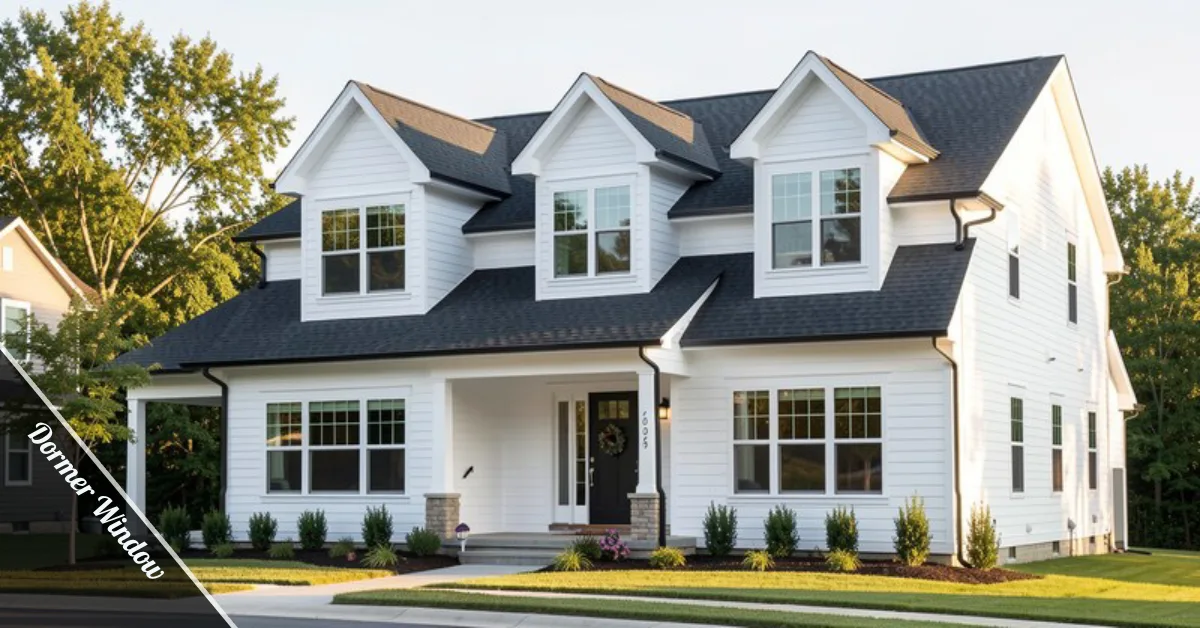
A Dormer Window is a roofed structure that projects vertically from a sloped roof, containing a window that brings natural light and ventilation to attic spaces. Dormers add usable square footage, increase headroom in previously unusable areas, and enhance your home’s curb appeal. Common types include gabled, shed, hipped, and eyebrow dormers, each offering distinct benefits for different architectural styles.
You’ve probably noticed those charming little windows peeking out from rooflines in your neighborhood. Those are dormer windows, and they do far more than look pretty.
Dormers transform dark, cramped attics into bright, livable spaces. They add character to your home’s exterior while creating a functional room inside. Whether you’re planning an attic conversion or simply want more natural light upstairs, understanding dormer windows helps you make smart choices.
What Is a Dormer Window
A dormer window is a roofed structure that extends out from your main roof. It has its own walls, a small roof, and contains a window that sits upright.
The term comes from the French word “dormeor,” meaning sleeping room. Architects first used these structures in the 1600s to bring light into attic bedrooms.
Today, dormers create vertical wall space where your ceiling would normally slope. This design gives you more headroom, allows for standard windows, and opens up previously wasted attic space. Dormers can increase your home’s resale value by $4,000 to $5,000 when properly installed.
Main Types of Dormer Window Styles
Each dormer style offers different benefits. Here’s what you need to know about the most popular options.
Gabled Dormers
Gabled dormers feature the classic “doghouse” shape most people recognize. Two sloping roof sides meet at a peak, creating a triangular structure.
This style works well on traditional homes like Cape Cod, Colonial, and cottage designs. The peaked roof provides excellent vertical headroom and strong natural light. Gabled dormers are simple to build, which keeps costs manageable.
Shed Dormers
Shed dormers have a single sloping roof plane that extends in the same direction as your main roof. This wider design creates more usable interior space than gabled versions.
The broad, flat front can accommodate multiple windows. Contemporary homes and Craftsman-style houses often feature shed dormers. They maximize square footage while blending seamlessly into modern designs.
Hipped Dormers
Hip dormers have three sloping roof surfaces that meet at the ridge. This style looks similar to bay windows but projects from the roof instead of the wall.
The three-sided design allows for multiple windows, which means excellent ventilation and abundant light. Hip dormers add elegant character to French, ranch-style, and Mediterranean homes. The hip roof design also offers better wind resistance than gabled versions.
Eyebrow Dormers
Eyebrow dormers feature a curved roof with no sides, creating a gentle arch that looks like an eyelid peeking from your house. These small structures add serious charm without taking up much roof space.
They’re primarily decorative, though they do bring natural light into your attic. Historic homes, cottages, and Tudor designs commonly feature eyebrow dormers. These usually cost $26,250 to $40,000 due to their complex construction.
Best Window Types for Your Dormer
The window you choose affects ventilation, light, and your dormer’s overall look.
Double-hung windows are the classic choice for traditional dormers. Both sashes move vertically, giving you flexible ventilation. They’re easy to clean since both sashes tilt inward. These work especially well in gabled and hipped dormers on Colonial or Cape Cod homes.
Casement windows hinge on the side and swing outward. A crank handle opens them wide for maximum airflow. The tight seal when closed improves energy efficiency. Their narrow profile works well in tight spaces and creates a clean, modern look.
Awning windows hinge at the top and open outward from the bottom. This design lets you keep them open during light rain. They’re ideal for decorative dormers like eyebrow styles and provide good ventilation without compromising weather protection.
Dormer Window Installation Costs
Homeowners spend an average of $15,000 on dormer additions, with most projects ranging between $6,000 and $25,000. Your final price depends on several factors.
Simpler shed dormers start around $2,500 to $5,000 for small additions. Larger gabled or hipped dormers run $7,000 to $20,000 or more. Labor costs range from $60 to $160 per hour, depending on your contractor’s experience and location.
Building permits add $400 to $2,000 to your project. Foundation reinforcement can add $4,500 to $12,500 if your structure needs extra support. Window installation alone ranges from $500 to $1,500 for the glass.
Interior finishing adds another expense layer. Insulation, drywall, electrical work, flooring, and paint can add $5,000 to $15,000 for a fully finished space. Custom windows cost more than standard sizes, and roof repairs run $400 to $1,300 per square of material.
Benefits of Adding Dormer Windows to Your Home
Dormers offer several advantages that make them worth considering for your renovation plans.
Extra Living Space
Dormers create usable square footage in areas where sloped ceilings make rooms feel cramped. The vertical walls let you place furniture normally and move around comfortably.
This added space works perfectly for bedrooms, home offices, reading nooks, or playrooms. You gain a functional area without expanding your home’s footprint.
Natural Light and Ventilation
Windows in dormers flood previously dark attic spaces with sunlight. The upright position captures more light throughout the day than skylights can provide.
Operable windows also improve airflow. This helps cut down on attic heat buildup and makes upstairs areas more comfortable year-round. Better ventilation means lower cooling costs in summer.
Increased Property Value
A Dormer Window can increase the kerb appeal and resale value of your home. The added square footage and improved functionality make your property more attractive to potential buyers.
Well-designed dormers enhance your home’s architectural interest. They break up flat rooflines and give your house a more finished, polished appearance from the street.
Architectural Character
Dormers add visual interest to your home’s exterior. They create depth and dimension that flat roofs simply can’t match.
You can match dormer styles to your home’s existing architecture or add contrasting elements for unique appeal. The right dormer becomes a focal point that sets your home apart from your neighbors.
Drawbacks to Consider Before Installing Dormers
While dormers offer many benefits, you should understand potential downsides before committing to the project.
High Installation Costs
Dormers require significant investment. Even simple additions run several thousand dollars, while complex projects can exceed $40,000.
The work involves structural modifications, roofing changes, and potentially reinforcing your home’s foundation. These aren’t simple cosmetic upgrades.
Potential for Leaks
Dormers create roof valleys and joints where water can collect. Poor installation or cheap materials lead to leaks that damage your home’s interior.
Proper flashing and weatherproofing are critical. You need experienced contractors who understand how to seal these vulnerable areas correctly.
Building Permits Required
Most jurisdictions require permits for dormer additions. The approval process takes time and adds fees to your project.
Local zoning laws may also restrict dormer size, placement, or style. You might face limitations based on your neighborhood’s regulations.
Installation Disruption
Building a dormer means contractors working on your roof for days or weeks. This creates noise, limits access to certain areas, and temporarily compromises your home’s weather protection.
You’ll need to plan around construction schedules and prepare for temporary inconveniences.
Popular Home Styles That Feature Dormer Windows
Certain architectural styles naturally incorporate dormers into their designs.
Cape Cod Homes
Cape Cod houses are synonymous with dormers. These classic coastal homes use gabled dormers to add space without increasing the building’s footprint.
The steep rooflines common in Cape Cod designs work perfectly with dormers. Multiple dormers in a row create the symmetrical look this style is known for.
Farmhouse Architecture
Modern farmhouses often feature shed dormers with metal roofs. The contrast between traditional shingles and tin roofing adds design interest.
Large windows with simple grille patterns let in plenty of light. Black window frames against white siding create a striking visual contrast.
Victorian and Tudor Homes
These ornate styles use eyebrow or arched dormers for decorative flair. The curved lines complement the elaborate detailing found in Victorian architecture.
Tudor homes often incorporate multiple dormer types to create visual interest along complex rooflines.
Contemporary and Modern Designs
Modern homes use clean-lined shed or flat roof dormers. The minimalist approach emphasizes straight edges and simple geometry.
While contemporary design doesn’t require dormers, many homeowners add them for the interior benefits they provide without cluttering the exterior aesthetic.
Key Factors to Consider Before Adding a Dormer
Several important considerations affect whether a dormer makes sense for your home.
Roof Slope Compatibility
Dormers work best with steeper roof pitches. Low-pitched roofs limit your options and may not provide enough height for functional dormers.
Your existing roof angle determines which dormer styles will work. Steep slopes accommodate all types, while moderate slopes might only support certain designs.
Structural Requirements
Adding a dormer changes your roof’s structure and adds weight. Your home’s framing needs to support these modifications safely.
A structural engineer may sign off on the stability of your roof before construction begins. Older homes, especially, may need reinforcement to handle the additional load.
Interior Layout Planning
Think about how the dormer affects your room layout. Will it create space for a reading nook, home office, or bedroom expansion?
Consider furniture placement, traffic flow, and how the new space connects with existing rooms. Good planning maximizes the benefits of your investment.
Weatherproofing and Maintenance
Dormers create additional roof penetrations that need proper sealing. Quality flashing around the dormer base prevents water intrusion.
You’ll need to inspect these areas annually for cracks or damage. Regular maintenance keeps your dormer leak-free and extends its lifespan.
How to Maintain Your Dormer Windows
Proper maintenance keeps your dormers functional and prevents costly repairs.
Inspect flashing annually around the dormer base. Look for cracks, gaps, or deterioration in the sealing materials. Catching problems early prevents water damage inside your home.
Clean nearby gutters regularly. Blocked gutters cause water to pool around dormers, increasing leak risk and potentially causing rot in the wooden structure.
Touch up paint and caulk as needed. Weather exposure breaks down exterior surfaces over time. Fresh paint and sealed joints protect against moisture and extend your dormer’s life.
Check for interior water stains near your dormer. Brown spots on ceilings or walls signal leaks that need immediate attention. Address these issues quickly to prevent mold and structural damage.
Replace missing or damaged shingles around dormers promptly. Exposed areas let water penetrate your roof, leading to expensive repairs if left unaddressed.
Dormer Installation: DIY or Hire a Professional
Building a dormer involves complex roofing, framing, and waterproofing work. This isn’t a beginner-level DIY project.
Professional installation ensures proper structural support, code compliance, and leak-proof construction. Contractors have the specialized tools and experience to handle the job safely.
Attempting dormer installation yourself only makes sense if you have serious roofing and carpentry experience. Even then, most homeowners find that the complexity and safety risks make professional installation worth the cost.
Be sure to get a licensed contractor with five or more years of experience. Check references, verify insurance coverage, and review their previous dormer projects before signing contracts.
Creative Ways to Use Your New Dormer Space
Once your dormer is installed, maximize the new space with smart design choices.
Build a window seat with storage underneath. Cushions and pillows create a cozy reading nook while hidden compartments keep the area organized.
Install a built-in desk for a home office. The natural light from the dormer window makes this space ideal for work or study.
Add custom shelving for books or display items. The alcove created by a dormer provides perfect spots for built-in storage that doesn’t waste space.
Create a small bedroom area in larger dormers. The added headroom and light transform attic spaces into comfortable sleeping quarters.
Final Thoughts
Dormer windows transform dark, unused attic spaces into bright, functional areas. They add character to your home’s exterior while creating valuable interior space.
The investment is significant, with costs ranging from $6,000 to over $40,000 depending on size and complexity. However, the benefits of added square footage, natural light, and increased home value often justify the expense.
Before moving forward, carefully consider your budget, the home’s structural requirements, and long-term plans. Work with experienced contractors who can design a dormer that enhances both your home’s function and appearance.
Whether you choose a classic gabled design or a modern shed dormer, this addition can fundamentally change how you use and enjoy your home’s upper level.
FAQs
What’s the difference between a dormer and a skylight?
Dormers project out from the roof with vertical walls and windows, creating usable interior space. Skylights lie flat against the roof surface and don’t add headroom or square footage.
Can I add a dormer to any house?
Most homes with sloped roofs can accommodate dormers, but your roof pitch, structural integrity, and local building codes determine feasibility. Homes with very low-pitched roofs or certain truss systems may face limitations.
How long does dormer installation take?
Typically, a dormer window installation can take from several days to several weeks, depending on the size and complexity of the project. Weather delays and unexpected structural issues can extend the timeline.
Do dormers always require permits?
Yes, most jurisdictions require building permits for dormer additions since they involve structural changes to your roof. Permit costs range from $400 to $2,000, depending on your location.
Will a dormer increase my property taxes?
Dormers add square footage and value to your home, which typically increases your property’s assessed value. This usually results in higher property taxes, though the amount varies by location.