

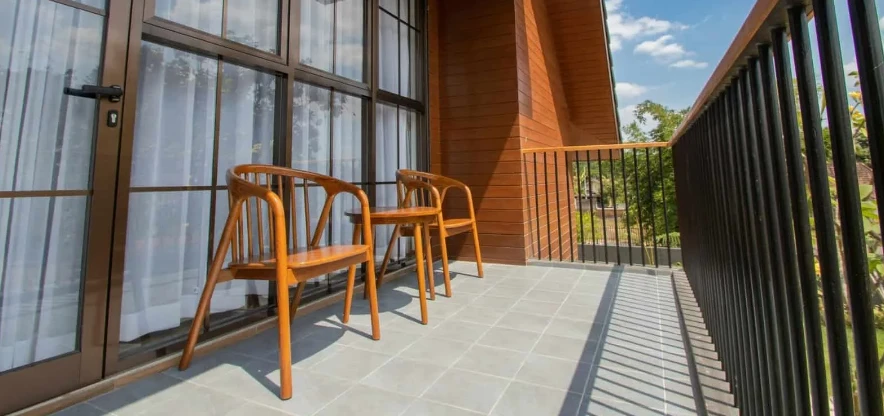
Making balcony tile waterproof means solving the problem more deeply than simply treating the top layer. For a residential property, what matters is not only the tile itself, but also the condition of the substrate beneath it, the transition points where walls meet the floor, the protective materials involved, and the joints through which water can reach the structure. D&B works according to exactly this logic: the company handles waterproofing, repair, replacement, inspection, and restoration of balconies, decks, and other elevated exterior elements so that they retain their strength and safely withstand everyday use.
When a tiled balcony does not need a temporary measure, but full protection from moisture, D&B https://www.decksandbalcony.com/ takes a comprehensive approach: it assesses the condition of the surface and the base beneath it, identifies weak points, eliminates leaks, and applies waterproofing membranes, protective coatings, and sealants suited to the specific situation. This approach is especially important where water has already affected not only the tile layer, but the structural substrate itself, which means that simple local treatment is no longer enough.
Why tile on a balcony does not solve the waterproofing issue by itself
A tiled surface on a balcony does not automatically make the structure protected from water. Both tiles and grout are porous materials, which means that over time, moisture finds its way through even when the surface appears intact. In D&B materials, signs of waterproofing problems include cracks, surface chips, water stains, peeling coatings, mould, puddles after rain, and corrosion of metal elements. It is also noted that even small defects can allow moisture to infiltrate the substrate and, over time, lead to more serious consequences for the entire balcony.
This is especially important for a tiled balcony installed over a concrete slab. If chips or damaged grout lines appear on the surface, the problem no longer looks purely cosmetic. Water moves farther into the base, enters vulnerable areas, remains in places with poor drainage, and begins working against the structure from within. That is exactly why D&B connects waterproofing not with a separate decorative procedure, but with full protection of the balcony from water damage — starting from the substrate level.
What shows that the tile covering is already letting moisture through
- Cracks and chips on the surface, including chipped tiles and deteriorated grout lines, that give water a path directly into the structure.
- Tenting or lifting tiles, where sections of the tile surface push upward or separate from the substrate — a sign that moisture trapped beneath is creating pressure.
- Water stains and discolouration on nearby surfaces, walls, ceilings, or the underside of the balcony.
- Salt deposits and efflorescence on or around the tile surface, which appear as white residue and indicate that moisture is moving through the material and evaporating at the surface.
- Mould, dampness, and persistent signs of moisture that do not disappear on their own.
- Puddles after rain, especially near walls, in corners, and in places where the drainage slope is not directing water away properly.
- Peeling or flaking coatings that indicate moisture has reached the layers beneath the top surface.
- Rust on metal parts and weakening of connections near the balcony.
- Blistering on coated or sealed surfaces, where small raised areas form because moisture is trapped underneath the protective layer.
These signs matter because they rarely remain isolated. D&B directly connects hidden leaks and persistent moisture with the risk of further deterioration, and for concrete balconies, it separately highlights cracks, surface deterioration, and the need to restore structural strength. If moisture is not stopped in time, a tiled balcony moves from the stage of a local defect to the stage of a much more expensive repair.
How D&B makes tile surfaces and the base more resistant to water
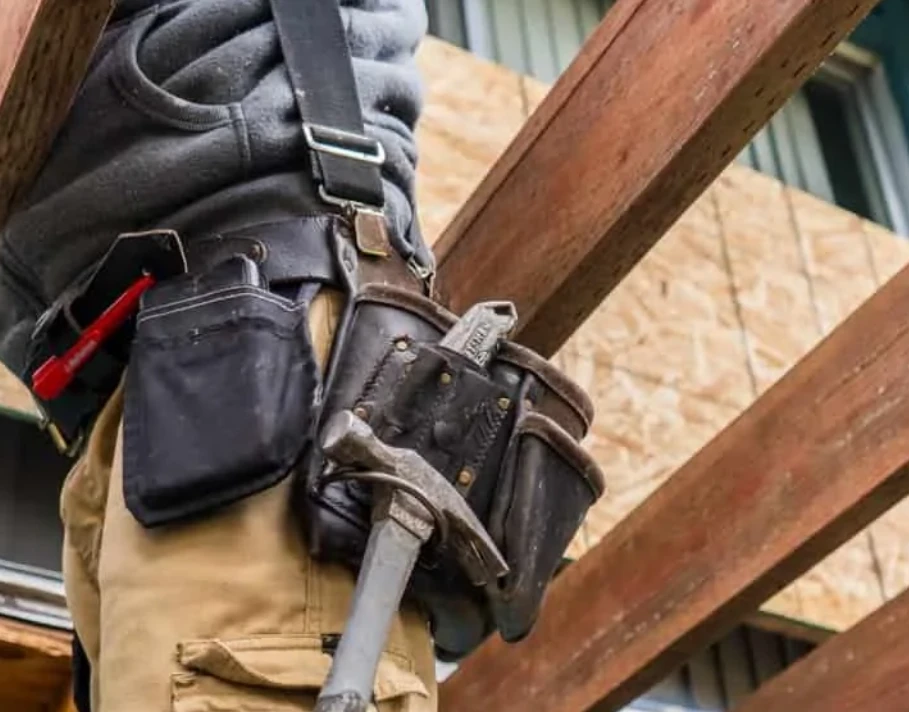
D&B works through a system of measures, not through one material alone. Depending on the condition of the balcony and the extent of existing damage, the company selects from proven waterproofing methods suited to the situation:
- Liquid-applied membranes — coatings based on polyurethane or acrylic that are spread across the surface with rollers or brushes, curing into a seamless, flexible layer that conforms to the shape of the balcony and fills minor cracks and irregularities in the substrate.
- Sheet membranes — pre-fabricated adhesive rolls that are laid across the subfloor to create a uniform, continuous barrier with consistent thickness, effective for larger balcony surfaces.
- Cementitious waterproofing coatings — cement-based mixtures with waterproofing additives that bond well with concrete substrates and provide durable protection, particularly suited to balconies where the concrete base is in sound condition.
In each case, proper surface preparation comes first: the substrate must be clean, dry, and free of dust or loose material before any waterproofing product is applied. A primer is used where required to ensure strong adhesion between the base surface and the protective membrane. Along wall-to-floor junctions, around drain points, and at edges where the balcony meets the building, flashing tape or sealant is applied to stop water from seeping into these transition areas — the points where leaks most commonly begin.
For properties where moisture has already affected the base, D&B combines waterproofing with crack repair, surface restoration, and structural reinforcement so that the structure lasts longer and remains safe. This is especially important where tile is installed over a concrete slab: water protection must go together with restoring the strength of the substrate, not replace it.
What D&B includes in protecting a tiled balcony from water
- Professional waterproofing as a dedicated line of work — not treated as part of the tiling process, but as a separate protective system for the structure.
- Detection and repair of hidden leaks before any protective materials are applied.
- Surface preparation of the substrate, including cleaning, crack repair, and primer application to ensure the waterproofing bonds properly.
- Application of liquid or sheet waterproofing membranes to create a continuous moisture barrier across the balcony surface.
- Application of protective coatings and sealants at wall-to-floor junctions, edges, and around drain points to address the areas where water intrusion most often occurs.
- Crack repair and restoration of the concrete base if moisture has already compromised the substrate.
- Condition assessments before the main work begins, so the correct scope and method are determined in advance.
This range of work reflects D&B’s main principle: tile is not viewed separately from the structure beneath it. If there is water, the company looks for the cause, eliminates weak points, and only after that creates lasting protection. For the owner, this is more practical than carrying out surface treatment and then returning to the same problems after the next rainy season.
Why the result will be incomplete without water drainage control
In D&B’s material about signs that waterproofing is needed, pooling water is mentioned separately. If puddles remain on the balcony after rain, this means the surface is not draining water properly. Building standards recommend a minimum slope of two per cent — roughly a quarter-inch drop per foot — away from the building to direct water toward the drain points. Without this gradient, water collects in low areas, finds weak spots in the grout and tile, and accelerates deterioration of the entire system from top to bottom.
Ponding on a tiled balcony is especially dangerous because the water does not simply sit on the surface. It works into cracks, remains in contact with grout lines and edges for extended periods, and increases the load of moisture that the substrate must handle. That is why D&B always connects moisture protection with checking the surface slope, the condition of the edges, and whether the drain outlets are functioning and clear of debris.
From this perspective, waterproofing is not only a question of which material is applied. It depends on how the whole system is built and how well it is maintained after the work is done. In its materials on the service life of waterproofing systems, D&emphasiseses that durability is affected by the quality of materials, the installation method, the local climate, and regular maintenance. A lasting result does not come from one coating alone — it comes from the proper performance of the entire protective system, including how effectively the balcony sheds water day after day.
How to keep tiled balcony waterproofing effective for longer
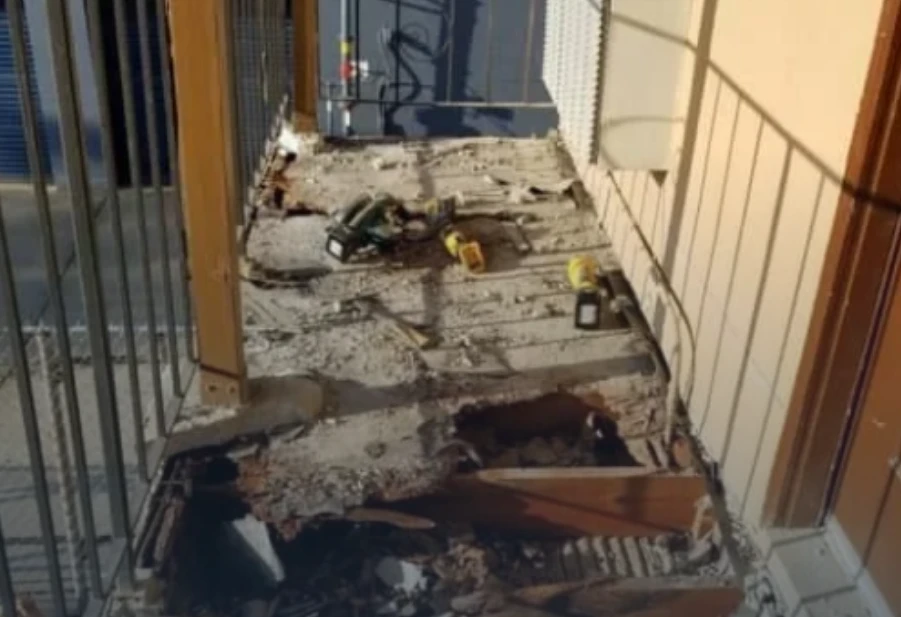
D&B connects the long service life of waterproofing with regular inspections and upkeep. The company states that most balcony waterproofing solutions last at least ten years when properly installed and maintained, and that periodic inspection helps detect wear before it turns into a serious problem. Two factors that affect this timeline in particular are the curing conditions during installation — membranes and coatings need adequate time and proper temperature to set fully — and ongoing exposure to sunlight, since UV radiation gradually breaks down some protective coatings if they are not formulated for UV resistance or refreshed with a new topcoat over time.
For tile covering, this translates into a simple, practical rule: do not wait until a chip, crack, or puddle becomes a normal sight, but respond at an early stage. Maintaining the result after the main work comes down to practical steps:
- Surface inspection at least twice a year and after severe weather.
- Monitoring for standing water after rain to confirm that the slope and drains are working.
- Attention to edges, junctions, and areas around drains where problems tend to appear first.
- Quick repair of small defects — cracked grout, a chipped tile, a gap in the sealant — before moisture can reach the substrate beneath.
- Periodic resealing or topcoat renewal where the waterproofing system calls for it, to maintain UV and weather protection.
This routine helps preserve both the tile itself and the structural base beneath it for longer. In D&B’s logic, this is the normal path for a balcony that is expected to remain dry, strong, and safe in everyday use.
D&B and the right waterproofing for balcony tile
D&B approaches tiled balcony protection not as a local finishing task, but as a question of the condition of the entire structure. The company combines inspections, waterproofing, leak detection, protective coatings, installation of waterproofing membranes, repairs, and restoration of the substrate if it has already been affected by water. Because of this, tile covering receives not a temporary treatment, but a more reliable moisture-protection system built from the base up.
When balcony tile needs not cosmetic work, but a clear professional solution, D&B offers exactly this format of cooperation. The company helps identify weak points, determine the right scope of work, and bring the balcony to a condition in which waterproofing, durability, and safe use of the entire structure all matter.