

Your lawn’s dying in July while your neighbor’s stays green. You’re dropping cash on fertilizer like it’s going out of style. There’s a better play here—and it’s not another bag of grass seed.
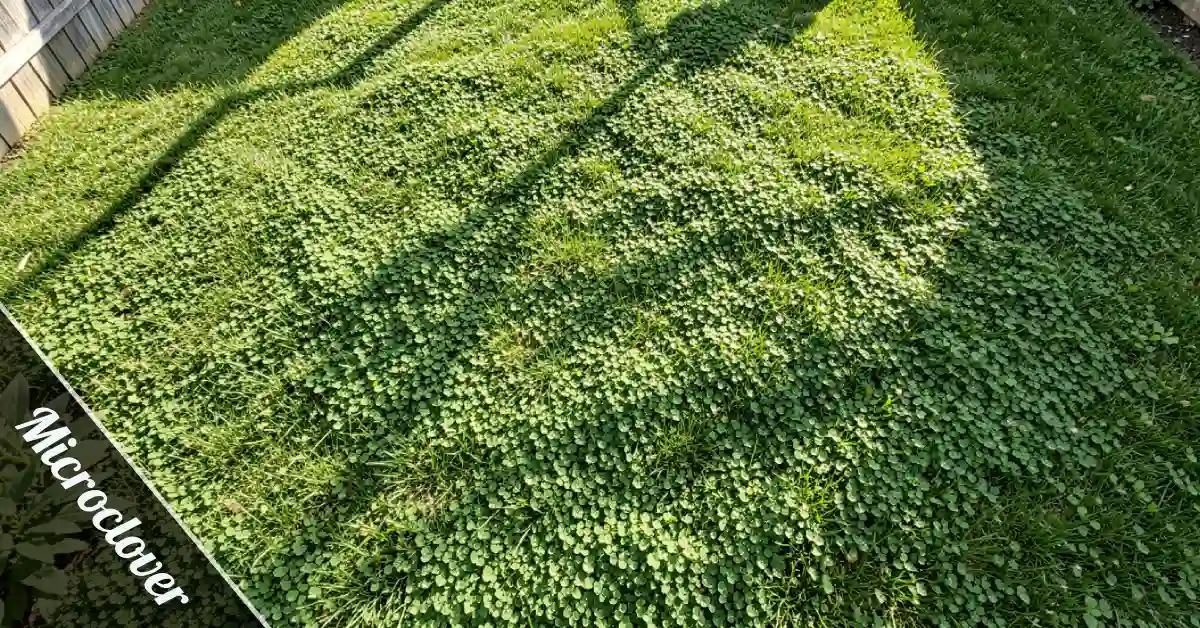
Microclover is a dwarf white clover variety that’s flipping the script on traditional lawns. It’s smaller than regular clover, blends seamlessly with grass, and does the heavy lifting your turf can’t handle alone. Think of it as your lawn’s personal trainer—making everything stronger without the drama.
What Makes This Different From Regular Clover
Here’s the deal: this isn’t just small clover. It’s a specifically bred variety called Trifolium repens ‘Pipolina’ or ‘Pirouette’ that grows 4-6 inches tall max. Regular white clover? That stuff hits 8 inches and forms clumps that look messy. University research shows this dwarf variety mixes better with most turfgrass species when seeded at appropriate rates.
The leaves are half the size of standard clover—or even one-third when you mow regularly. This means it actually looks like part of your lawn instead of a weed taking over. It produces fewer flowers, too, so you get the benefits without the backyard looking like a bee convention center.
Most importantly, it doesn’t crowd out your grass. Regular clover’s aggressive growth habit chokes turfgrass and creates patchy spots. This variety spreads evenly through stolons (those above-ground runners) and plays nicely with Kentucky bluegrass, tall fescue, and perennial ryegrass. It’s the difference between a teammate and a stage hog.
Why Your Lawn Needs This Green Machine
Microclover fixes atmospheric nitrogen—basically pulling fertilizer out of thin air and pumping it into your soil. According to Illinois Extension experts, lawn clippings that include it are a natural organic nitrogen source, which means you can reduce how many times you apply nitrogen. One less fertilizer application per year saves you money and protects waterways from nutrient runoff.
The drought tolerance is legit. Deep roots (way deeper than grass) tap into moisture your turf can’t reach. When your grass goes crispy in August, this clover stays green and keeps the whole lawn looking alive. It also tolerates compacted soil better than grass and even helps lighten dense soil over time.
Here’s where it gets interesting for your wallet: less mowing, zero fertilizer, no herbicides. Dense growth crowds out weeds naturally. It’s also resistant to common lawn pests like grubs that destroy grass roots. Dogs can do their business without leaving those burn spots that make your yard look like a warzone.
Pollinators love the small white flowers that appear in spring. Even though it’s a “shy bloomer” compared to regular clover, it still provides food for bees and butterflies. You’re basically running an eco-friendly operation without trying too hard.
The Downsides You Should Know About
Not everything’s perfect. University of Maryland research found microclover does not tolerate high heat and drought as well as expected—it starts dying when cool-season turfgrass enters summer dormancy. That’s why mixing it with grass makes more sense than going 100% clover.
Winter dormancy is real in colder zones. The top growth dies back completely, potentially leaving bare spots and erosion issues. In northern climates, your lawn won’t look as aesthetic during the winter months. Spring brings it back, but you’ll have a brown period unless snow covers everything.
It needs reseeding every two to three years for persistence. It’s perennial, but its lifespan is shorter than that of turfgrass. Budget for buying seed more often than you would with grass alone. And here’s the kicker: seed costs significantly more per pound than grass seed.
Heavy foot traffic isn’t its friend. Sports fields and high-use play areas will wear it down and create muddy messes during rain. If you’ve got kids running drills or hosting weekend games, mix it with Kentucky bluegrass for better durability. Shade tolerance exists, but isn’t great—this variety performs best in full sun.
How To Plant Microclover The Right Way
Timing matters. Spring planting works two weeks before your last frost date when nighttime temps stay above 40°F consistently. Fall seeding is ideal at least 8 weeks before the first frost, so roots establish before winter. You’ll face less weed competition in the fall versus spring.
For new lawns, prepare the soil by removing existing growth through rototilling or solarization. Loosen the top 4-6 inches, add compost for fertility, and adjust pH to 6-7 if needed. Level everything with a rake. Scatter microclover seed at 1-2 pounds per 1,000 square feet for pure clover lawns.
Overseeding existing lawns requires different tactics. Mow your current grass to 2-3 inches and remove clippings. Rake aggressively to remove dead material and loosen the soil surface. Aerate if your soil’s compacted. Use about 10% of the recommended seeding rate—your thick grass creates a barrier to germination. Water daily to keep the soil moist like a wrung-out sponge. Germination happens in 7-14 days. Once seedlings appear, reduce watering to 1-3 times weekly.
For mixing with grass seed from scratch, use 5% microclover and 95% grass seed by weight. That ratio lets it spread naturally without overwhelming your turf. Example: 10 pounds of grass seed plus half-pound microclover covers about 1,000 square feet. Most commercial pelleted seed comes coated with Rhizobium bacteria for nitrogen fixation.
Maintaining Your Clover Lawn
Mowing trains it to stay compact. Weekly mowing at 3-4 inches encourages that tight, miniature habit everyone wants. The more you mow, the smaller the leaves become and the denser the coverage gets. Once established, you can reduce mowing to once monthly if you’re cool with slightly taller growth. Skip mowing entirely, and it’ll reach 6 inches with larger leaves.
Water once or twice weekly after establishment. That’s it. The deep root system handles drought conditions, grass can’t survive. During extended dry spells, this clover helps soil retain moisture better than pure grass lawns.
Avoid fertilizer—seriously. It produces its own nitrogen and shares it with the surrounding grass. Adding nitrogen-rich fertilizers actually works against you by encouraging aggressive grass growth that can crowd out the clover. Skip broadleaf herbicides, too, since they’ll kill your clover along with dandelions.
Fill bare patches as they appear. Keep 10-15% of your original seed for touch-ups during the first year. Thin areas benefit from additional seed to boost density. More plants mean smaller leaves and better coverage overall. Hand-seed small problem spots rather than broadcasting across the whole lawn.
Microclover vs Traditional Grass Lawns
Cost comparison gets interesting. Microclover seed runs $30-60 per pound versus $2-8 for grass seed. But factor in zero fertilizer costs, minimal watering, and reduced mowing—the long-term economics shift in favor of this alternative. You’re trading higher upfront costs for lower maintenance expenses over the years.
Environmental impact isn’t even close. Traditional lawns consume 9 billion gallons of water daily in the US, require frequent chemical applications, and contribute to nutrient runoff polluting waterways. This lawn type fixes its own nitrogen, needs minimal water, and eliminates herbicide/pesticide use. You’re essentially running a sustainable operation by default.
Appearance depends on personal preference. Grass purists want that uniform green carpet look—this adds texture variation and small white flowers. If you’re chasing country club aesthetics, pure grass wins. If you want lush, green, functional outdoor space without the country club maintenance, it delivers.
Durability for high-traffic areas favors grass-clover mixes over either alone. Sports fields benefit from adding it at 5-10% to boost turf hardiness and fertility, while grass provides structure and wear resistance. Home lawns with moderate use handle 100% clover fine.
Climate Considerations For Success
Zones 3-10 work for this clover variety, but performance varies. Northern climates (zones 3-5) see complete winter dormancy and brown lawns until spring. Southern zones (8-10) keep green color longer but may struggle during peak summer heat.
Mid-Atlantic and Midwest regions (zones 6-7) hit the sweet spot. Research in Maryland and Illinois confirms solid performance when mixed with tall fescue or Kentucky bluegrass in these zones.
Sandy soil requires extra attention. This plant prefers moisture-retentive soil and performs better in clay or loam. Amend sandy soil with compost before planting. Full sun locations deliver the best results—partial shade works, but growth slows significantly.
Making The Switch: Is Microclover Right For You
Your lawn goals matter here. Want zero maintenance? Pure microclover with monthly mowing checks that box. Want a traditional appearance with eco-benefits? Grass-clover mix at 5-10% gives you both. Hosting weekend soccer games? Stick with durable grass or use minimal clover for a nitrogen boost only.
Budget considerations extend beyond seed cost. Factor in long-term savings from eliminating fertilizer, reduced water bills, and less frequent mowing. If you’re currently spending $200+ yearly on lawn chemicals and irrigation, this alternative pays for itself within two seasons despite higher seed prices.
Climate reality check: Northern gardeners deal with winter brown-out. Southern growers face summer stress. Temperate zones enjoy the longest green periods. Match your expectations to your hardiness zone before committing. Don’t expect year-round emerald carpet in Minnesota or assume it will thrive in Arizona’s desert heat.
Personal tolerance for flowers and texture variation determines satisfaction. Some people love the cottage garden vibe it brings. Others want golf course uniformity. Neither preference is wrong—just know what you’re signing up for before seeding 5,000 square feet.
The Bottom Line On Microclover Lawns
Microclover works best as a team player with grass, not a solo act. The 5-10% mix strategy gives you nitrogen fixation, weed suppression, drought tolerance, and maintained aesthetics. Pure lawns succeed in specific situations but come with trade-offs around traffic tolerance and winter appearance.
Start small if you’re unsure. Overseed a 500-square-foot test section of your existing lawn. Watch how it performs through a full season before converting your entire yard. You’ll learn whether your soil, climate, and maintenance preferences align with what it delivers.
The lawn care industry’s been selling you the same playbook for 70 years: more fertilizer, more water, more chemicals. This tiny plant’s the cheat code that breaks that cycle. It won’t work for everyone or every situation. But for homeowners tired of high-maintenance grass that still looks mediocre? This might be exactly what your lawn’s been missing.