

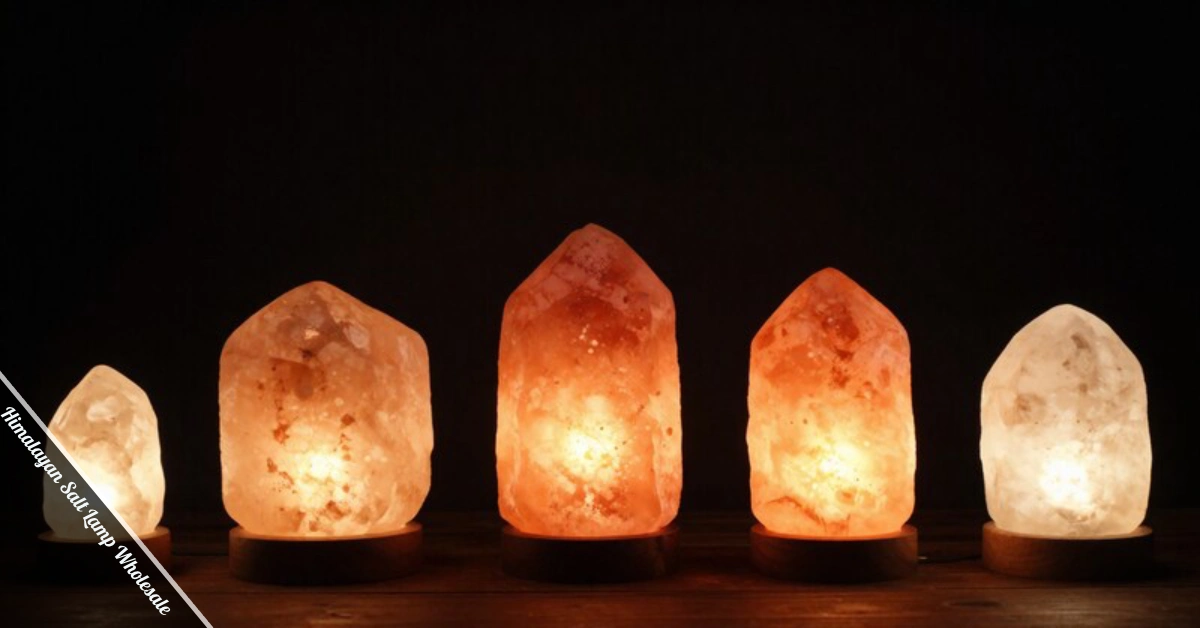
Himalayan Salt Lamp Wholesale involves buying authentic salt lamps directly from manufacturers or distributors at bulk prices. Quality wholesale suppliers offer various lamp sizes (1.5-22kg), UL-certified electrical components, competitive pricing with MOQ starting at 5-100 units, and often provide private labeling options. Top sources include direct Pakistan exporters, North American distributors, and platforms like Faire.
The wholesale market for Himalayan salt lamps reached $148 million globally in 2024, with North America accounting for 42% of sales. Retailers want reliable suppliers who deliver authentic products, competitive margins, and consistent quality.
Buying wholesale differs from retail. You need suppliers who understand your inventory cycles, offer flexible minimum orders, and provide products that actually sell. This guide breaks down what works in 2026.
Authentic vs Fake Salt Lamps
Real Himalayan salt comes from the Khewra Salt Mine in Pakistan, the world’s second-largest salt mine. The salt formed over 250 million years ago, creating distinct mineral compositions that produce specific color variations.
Authentic lamps display natural color gradients from light pink to deep orange. The color indicates mineral content and mine location. Darker orange typically signals higher iron content. White salt lamps exist but are rarer and command premium prices.
Fake lamps appear unnaturally uniform. They often use dyed rock salt or acrylic. Check for these red flags: perfectly smooth surfaces, identical coloring across units, unusually low weight for size, and resistance to moisture absorption.
The hygroscopic test confirms authenticity. Real salt absorbs moisture from the air, producing a slight dampness when placed in humid conditions. Leave a lamp in a bathroom overnight. Authentic salt develops surface moisture while fakes remain completely dry.
Weight matters. A 6-inch authentic lamp should weigh 6-9 pounds. Lighter weight suggests hollow cores or non-salt materials.
Price Points and Margins
Wholesale prices vary based on lamp weight, supplier location, and order volume. Small lamps (4-7 pounds) wholesale for $8-15, retailing at $25-40. Medium lamps (8-11 pounds) cost $15-25 wholesale, selling retail at $40-65. Large lamps (12-18 pounds) run $25-45 wholesale, retailing for $65-110.
Direct Pakistan importers offer the lowest prices but require container orders (1,000+ units). Regional distributors charge 20-35% more but offer mixed orders starting at 50-100 units. Specialty shapes command 25-40% premiums over natural cuts.
Factor in landed costs: shipping from Pakistan runs $0.80-1.50 per pound, customs duties add 3-6%, and inspection fees plus warehousing total 8-12% of product cost. Target 60-75% gross margin on standard lamps, 75-85% on specialty items.
Electrical Safety Standards
UL certification separates professional suppliers from backyard operations. This certification verifies that electrical components meet North American safety standards.
Look for SPT-2 rated cords. These handle up to 60-watt bulbs safely. Many cheap imports use SPT-1 cords limited to 15 watts. Using higher wattage bulbs in SPT-1 fixtures creates fire hazards.
Quality suppliers include:
- UL-listed cord and plug assembly
- CE/RoHS certification for international markets
- Candelabra base sockets (E12 in North America)
- Inline on/off switches
- 6-foot minimum cord length
Replacement bulbs matter for customer satisfaction. Standard candelabra bulbs (available at any hardware store) work best. Proprietary bulb requirements frustrate customers and kill repeat business.
Dimmable cords add value. Customers appreciate brightness control. Wholesale price difference runs $1-2 per unit but supports $5-8 retail premiums.
LED bulbs extend lamp life and reduce heat. Some customers prefer traditional incandescent for authenticity. Stock both options.
Size Selection Strategy
Room size determines optimal lamp weight. Industry standards: up to 100 sq ft needs 5-7 pounds, 100-200 sq ft needs 9-11 pounds, 200-300 sq ft needs 12-15 pounds, and over 300 sq ft requires multiple lamps or 18+ pound units.
Most retailers stock three core sizes covering 80% of customer needs: 6-8 pound, 9-11 pound, and 13-15 pound lamps. Mini lamps (2-4 pounds) sell well as desk accessories and gifts at $20-30 price points. Natural cut lamps outsell carved shapes 3-to-1. Stock 70% natural cuts, 20% geometric shapes, and 10% specialty items.
Top Wholesale Suppliers
Direct Pakistan Manufacturers: Minimum orders start at 500-2,000 units. Prices run 40-60% below those of North American distributors. Lead times stretch 8-12 weeks. Best for established retailers with storage capacity.
Regional Distributors: North American warehouses offer 50-100 unit minimums with two-week delivery. Prices include landed costs and warranty support. Ideal for new retailers testing markets.
Online Platforms: Faire and similar B2B marketplaces offer 5-25 unit minimums with Net 60 payment terms and free returns on first orders.
Vet suppliers carefully. Request product samples, Khewra Mine sourcing documentation, electrical certifications, customer references, and clear return policies. Red flags include refusing samples, vague sourcing claims, no physical address, and prices significantly below market rates.
Quality Inspection Checklist
Inspect 10% of incoming units randomly selected from different boxes. Check for natural color variation (avoid uniform batches), clean wooden base attachment, secure socket mounting, no cracks, and appropriate weight. Test plug operation, bulb illumination, heat distribution, and dimmer function.
Review documentation: UL certification numbers match cords, country of origin labels present, instructions, and warranty cards included. Breakage rates should stay below 2-3%. Document damage immediately with photos for insurance claims. Return defective units within 7 days.
Private Labeling Options
Private labeling builds brand recognition and customer loyalty. Minimum orders typically start at 200-500 units per design. Customization includes printed boxes, branded cards, hang tags, and QR codes. Cost additions run $0.50-2.00 per unit. Lead times extend 4-6 weeks for first orders.
Many suppliers offer test runs of 100-200 units before committing to extensive customization. This validates market response before major investment. Registered trademarks protect your brand—file applications 6-8 months before launch.
Storage and Display Requirements
Salt lamps require climate-controlled storage, maintaining 40-60% relative humidity. High humidity causes “sweating” (moisture accumulation). Never store directly on concrete floors—use pallets or shelving 6+ inches above floor level.
Effective retail displays include lit lamps (keep 2-3 illuminated continuously), size comparisons, touch-and-feel access, and educational signage. Rotate display lamps every 30 days to maintain a fresh appearance. Point-of-purchase materials increase conversion rates by 15-25%.
Shipping and Handling
Protect inventory with proper packaging. Use double-wall corrugated boxes with 2-inch foam or bubble wrap on all sides. Separate the base from the lamp during shipping. Maximum 40 pounds per box with “Fragile” labels.
Insurance coverage should equal 125-150% of the wholesale cost. Standard carrier liability ($100) won’t cover losses. Commercial shipping accounts provide 30-45% discounts over retail rates.
Marketing Strategies That Work
Salt lamps sell through education. Create room-by-room sizing guides—bedroom lamps need different weights than living room lamps. Video demonstrations showing color variations and size comparisons outperform static images by 40%. Before/after room photos illustrate ambiance impact.
Seasonal timing matters: Peak sales occur from October through February during holiday gifting and darker days. Mother’s Day, Valentine’s Day, and housewarming seasons create secondary peaks. Summer (June-August) represents the slowest period—run clearance sales then.
Profitable bundles: Lamp + essential oils + candle gift sets increase average order value by $25-40. Bedroom sets (lamp + dimmer cord + nightlight) solve specific customer problems and beat individual product marketing.
Common Customer Questions
“How long do salt lamps last?” Quality lamps function indefinitely with proper care. Electrical components may need replacement every 2-5 years.
“Do they really purify air?” Salt lamps emit minimal negative ions. Market them primarily for ambiance and aesthetic value, with wellness benefits as secondary features.
“Why is my lamp sweating?” Moisture absorption confirms authenticity. Leave the lamp on continuously or place it on a waterproof surface when off.
Warranty and Return Policies
Standard wholesale warranties cover manufacturer defects for 30-90 days. Electrical components receive longer coverage (90-180 days) from quality suppliers. Offer customers 30-day returns on unopened products.
Damage claims require prompt documentation within 5-7 days. Photograph all damage immediately. Established distributors replace defective units within 48 hours, while direct importers may require 4-8 weeks.
Pricing Strategy for Retailers
Keystone pricing (50% gross margin) won’t work against Amazon and big-box competition. Differentiate through education-based selling, curated selection, local sourcing stories, bundle value, and service advantages like free sizing consultations.
Track days-in-stock. Discount items sitting 90+ days by 15-25% to free capital. Gift-with-purchase promotions during slow seasons maintain margins while moving inventory.
Future Market Trends
Watch these 2026 developments: WiFi-enabled lamps with app control (wholesale $25-35, retail $60-90), sustainable biodegradable packaging (12-18% cost increase), stricter electrical certification requirements, and direct-to-consumer pressure from manufacturer-operated stores.
Market saturation affects coastal urban areas. Focus expansion on suburban and rural markets. Wellness tourism destinations (resorts, retreat centers) offer untapped wholesale opportunities.
Final Thoughts
Success in Himalayan Salt Lamp Wholesale depends on supplier selection, quality control, and customer education. Start small with proven distributors. Verify authenticity obsessively—one batch of fake lamps destroys customer trust.
Price competitively but not cheaply. Focus on value: authentic products, knowledgeable service, reliable support. Track inventory turnover, gross margin per square foot, customer return rates, and repeat purchase frequency. Adjust your product mix based on actual sales data.
FAQs
What is the minimum order quantity for wholesale salt lamps?
Most North American distributors require 50-100 units. Direct Pakistan manufacturers need 500-2,000 units. Online platforms like Faire offer smaller minimums (5-25 units) for first orders.
How can I verify a Himalayan salt lamp is authentic?
Check for natural color variation, appropriate weight (roughly 1 pound per inch of height), moisture absorption in humid conditions, and Khewra Mine sourcing documentation. Authentic lamps show slight imperfections and variations.
What profit margins should retailers expect?
Target 60-75% gross margin on standard lamps, 75-85% on specialty shapes. Actual margins depend on supplier pricing, shipping costs, and local competition.
Do I need business insurance to sell salt lamps?
Yes. Product liability insurance protects against injury claims from electrical malfunctions or falling lamps. General liability coverage typically costs $400-800 annually for small retailers.
How should I price salt lamps for retail?
Base pricing on weight: $3.50-5.00 per pound retail for standard cuts, higher for specialty shapes. A 10-pound natural cut lamp retails for $35-50, depending on market and competition.