

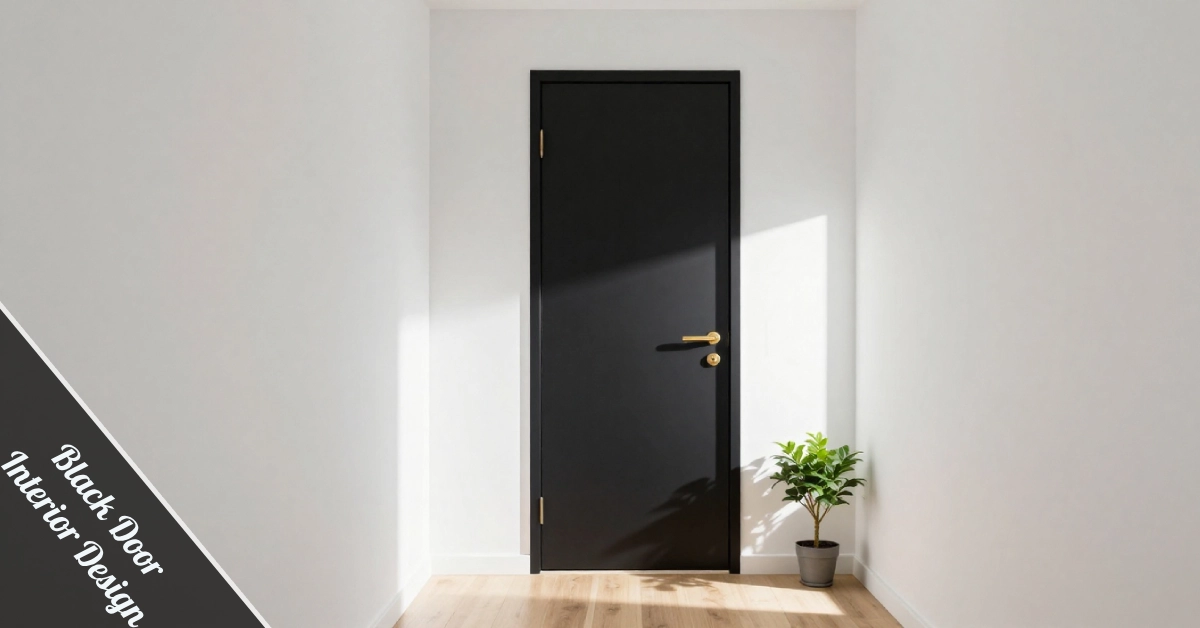
You’ve seen it—those stunning interiors where a single black door steals the show. It’s not just paint. It’s a statement. Black door interior design has surged in popularity because it works everywhere. Modern lofts. Classic brownstones. Even that rental apartment you’re trying to make feel less, well, rental.
Here’s the thing: black doors aren’t a trend that’ll age like milk. They’re timeless. They create contrast, add depth, and make rooms feel intentional without screaming “I tried too hard.” Whether you’re flipping a fixer-upper or just want your hallway to look less boring, black doors deliver that effortless cool factor designers charge thousands to achieve.
This guide breaks down how to nail black door interior design in every room. We’ll cover finishes, hardware, color pairings, and the rookie mistakes that kill the vibe. No fluff—just the blueprint for making your doors work harder than your morning coffee.
Why Black Doors Hit Different in Interior Design
Black doors create instant drama without the commitment of a full room makeover. They anchor spaces, giving your eye something to land on instead of floating around aimlessly. Light walls suddenly pop. Architectural details you didn’t notice before? They’re front and center now.
The psychology is simple: dark tones suggest confidence. A black door says you know what you want. It works because it’s versatile enough to complement minimalist vibes and ornate Victorian moldings alike. That’s rare in design—most elements box you into one aesthetic lane.
Modern homes love them for their clean lines and bold presence. Traditional spaces use them to add a contemporary edge without betraying the bones of the house. Basically, black doors are the design equivalent of a leather jacket—they make everything cooler. They absorb light instead of bouncing it around, which creates coziness in rooms that might otherwise feel sterile or cold.
Modern vs Classic Black Door Styles
Modern black doors lean into simplicity. Think flat panels, zero ornamentation, and hardware that disappears into the design. They’re sleek. Often matter. The kind of door that’d look at home in a Scandinavian loft or a Brooklyn brownstone remodel. Geometric patterns work here—long vertical lines or asymmetrical panel layouts that play with negative space.
Classic styles bring the details. Raised panels. Crown molding integration. Hardware that’s meant to be noticed—think brass knobs or iron hinges with decorative backplates. These doors work in spaces where craftsmanship matters. Farmhouses. Colonials. Anywhere tradition runs deep but needs a contemporary kick.
Your choice shapes the room’s entire vibe. Modern styles demand minimal clutter and clean sight lines. Classic versions let you layer textures—rugs, textiles, wood tones—without visual chaos. Neither’s wrong. It’s about matching the door to your space’s existing personality or the one you’re building from scratch.
Choosing Wall Colors That Make Black Doors Shine
White walls with black doors? Classic high-contrast that never misses. It’s the design world’s striped tee—simple, effective, endlessly replicable. Soft whites and warm creams soften the starkness while keeping that crisp division between surfaces. This pairing works in small apartments where you need walls to recede and doors to define zones.
Deep jewel tones flip the script entirely. Emerald green or navy blue walls turn black doors into sophisticated anchors instead of bold statements. The contrast mellows but the elegance doubles down. These combinations work best in dining rooms, bedrooms, or anywhere you want intimacy over airiness. Lighting matters here—warm bulbs prevent the space from feeling like a cave.
Muted pastels surprise people. Blush pink or powder blue might sound too soft for black doors, but they create this unexpected modern-meets-romantic thing that works. It’s less traditional, more editorial. Think design magazines where nothing quite matches but everything feels intentional. This approach needs confidence—commit to the palette or it reads indecisive.
Black Door Interior Design for Living Rooms
Your living room’s where black doors earn their keep. They frame the space like gallery walls frame art. Position them strategically—between the living area and hallway, maybe, or as pocket doors dividing open-plan zones. The contrast against lighter furniture creates visual boundaries without actual walls.
Furniture placement matters more than you’d think. Neutral sofas let the door dominate. Deep-toned pieces balance the door’s weight instead of competing with it. Layer in brass or gold accents through lighting fixtures—they warm up the starkness and add dimension that pure monochrome misses.
Artwork becomes your secret weapon. A gallery wall of framed prints pulls focus when the door’s closed. When it’s open, the door itself becomes part of the composition. Plants work similarly—their organic shapes and vibrant greens pop against black surfaces. Texture through textiles like throw pillows, woven rugs, and linen curtains prevents the space from feeling flat or one-dimensional.
Styling Black Doors in Bedrooms
Bedrooms get interesting with black doors because intimacy’s the goal. A black door against soft gray or blush walls creates this cocooning effect. It signals transition—you’re entering a private zone. That psychological shift matters more in bedrooms than anywhere else in your home. The door becomes a threshold between public and personal space.
Soft textiles offset the door’s hard edge. Linen bedding in cream or white. Plush area rugs that beg you to walk barefoot. These elements prevent the black from reading harshly or coldly. Minimalist decor works here—one statement mirror, maybe some framed art, but resist clutter. The door should anchor the room, not fight for attention against seventeen decorative pillows.
Hardware choices change the entire vibe. Matte black handles disappear into the door for that ultra-modern look. Brass or gold hardware creates contrast and catches light beautifully. For classic bedrooms, ornate crystal knobs or vintage-style levers add character. Just match the hardware finish to your lighting fixtures—mixing metals works sometimes, but cohesion’s safer when you’re starting.
Black Doors in Kitchens and Dining Areas
Kitchens love black doors on pantries or between cooking and dining zones. They hide the mess while looking intentional. Pair them with white cabinetry and stainless steel appliances for that clean, modern aesthetic everyone screenshots. Light countertops like marble, quartz, or butcher block keep things from feeling too heavy or enclosed.
Rustic kitchens benefit differently. Black doors against exposed brick or reclaimed wood create farmhouse sophistication. It’s a country with an edge. Add matte black cabinet hardware and you’ve got cohesion without trying too hard. This style works especially well in open-plan spaces where the kitchen flows into living areas—the black door marks territory without building walls.
Dining areas use black doors as dramatic backdrops. French doors in black? Chef’s kiss. They frame views into adjacent rooms while maintaining separation. Sliding barn-style doors work when space is tight—they’re functional and stylish. Warm lighting like Edison bulbs or brass pendants prevents these darker elements from making dining feel like a dungeon ambiance instead of a moody elegance.
Hardware That Completes Black Door Interior Design
Handles make or break the look. Oversized pull handles on sliding doors scream modern confidence. Minimalist lever handles disappear into contemporary designs. For traditional spaces, ornate knobs with decorative backplates add character that plain black surfaces need. The hardware’s your chance to inject personality without repainting anything.
Finishes matter more than style sometimes. Brass and gold warm up black doors—they catch light and create visual interest. Chrome or brushed nickel leans cooler and more industrial. Matte black hardware creates seamless monochrome vibes that work when you want the door itself to shine. Mixing finishes across your home can work, but keep them consistent within sight lines to avoid visual chaos.
Hinges deserve attention, too. Black-painted hinges blend seamlessly—you won’t notice them, which is often the point. Exposed decorative hinges work in traditional or industrial settings where every detail tells the story. Oil-rubbed bronze hinges split the difference—visible but not distracting. Whatever you choose, quality matters. Cheap hardware sags and frustrates. Invest here and your doors perform beautifully for years.
Finishes: Matte, Glossy, and Textured Options
Matte finishes dominate modern black door interior design because they absorb light instead of reflecting it. That creates depth and sophistication without glare. They hide fingerprints better than glossy options and work in any lighting condition. The trade-off? They can show scuffs more easily, especially in high-traffic areas.
Glossy black doors bring drama and dimension. They reflect light, making small spaces feel larger. Hallways benefit from this reflective quality—it bounces natural light around instead of absorbing it. But glossy surfaces show every smudge, fingerprint, and imperfection. You’ll clean them more often. They work best in formal spaces or rooms where kids and pets aren’t constantly touching surfaces.
Textured finishes add character through wood grain or subtle patterns. They’re less common but incredibly effective for adding warmth to black doors. Rustic or industrial spaces love textured options because they prevent black from feeling too sleek or cold. The texture catches light differently throughout the day, creating visual interest that flat surfaces miss entirely. This finish bridges modern and traditional aesthetics better than smooth options.
Common Mistakes That Kill the Vibe
Ignoring scale ruins black door designs faster than bad hardware. Oversized doors in small rooms feel oppressive instead of dramatic. They shrink the space visually and create claustrophobia. If you’re working with limited square footage, consider lighter door options or glass panels that maintain openness while incorporating black frames for that design edge.
Mismatched hardware disrupts visual flow across your home. If you’ve got brass fixtures in the living room and chrome in the bedroom, black doors amplify that inconsistency. Pick a finish family and commit. It doesn’t mean every piece matches exactly, but they should speak the same design language. Cohesion matters more with bold door colors because they draw attention to details you’d otherwise overlook.
Poor lighting placement sabotages black doors completely. Putting them in naturally dark corners creates dead zones that feel uninviting. Strategic placement near windows lets natural light enhance their beauty instead of fighting against it. If your door’s stuck in a dim spot, invest in good artificial lighting—sconces, overhead fixtures, anything that prevents the area from feeling like a black hole instead of an intentional design choice.
Making Black Doors Work in Your Space
Black door interior design isn’t complicated—it just requires confidence. You’re committing to contrast, depth, and intentionality. Those elements transform basic architecture into something worth noticing. Start with one door if you’re hesitant. A bedroom or bathroom tests the waters without overwhelming your entire home.
The beauty here is versatility. Black doors adapt to your existing style instead of demanding total renovation. They work with what you’ve got while elevating everything around them. Modern or traditional. Minimal or maximalist. The door doesn’t care—it just makes your space better.
Ready to take the plunge? Grab some painter’s tape, quality paint, and commit to the vision. Your home’s about to get a whole lot more interesting.