

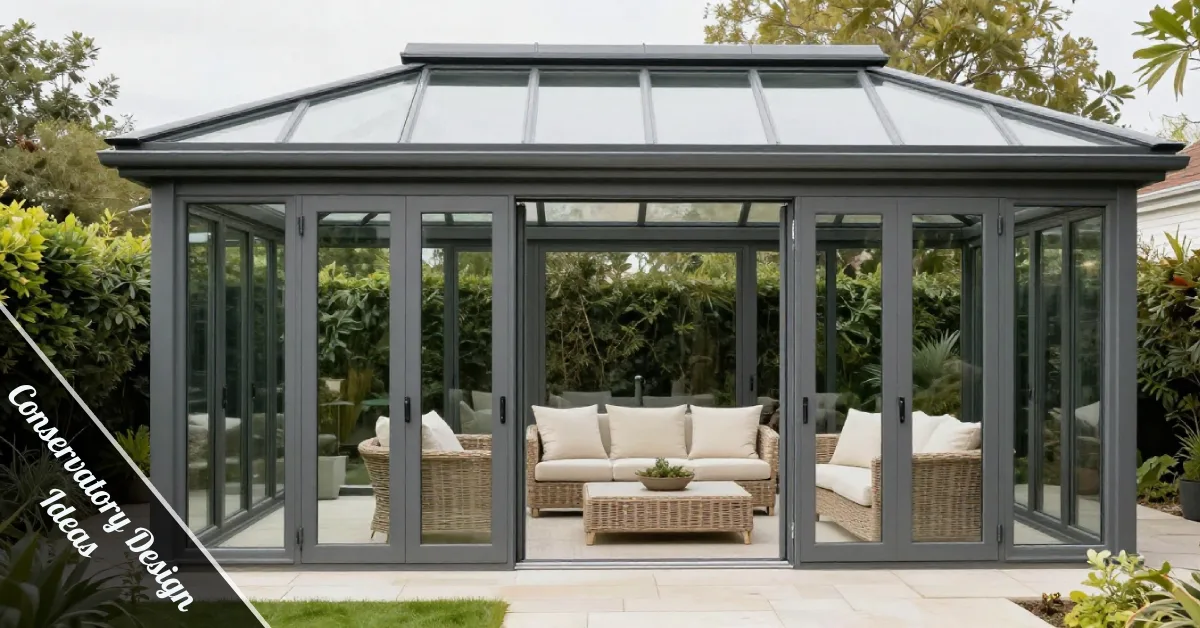
You’ve got extra square footage potential sitting right there—your conservatory. That glass-walled beauty isn’t just for show. It’s your secret weapon for leveling up your living space without the full renovation chaos. Whether you’re dreaming of a sun-soaked reading nook or a party-ready dining spot, smart conservatory design ideas can flip that underused space into your home’s MVP.
Here’s the thing: most homeowners treat their conservatory like that gym membership they never use. Too hot in summer, freezing in winter, and collecting more dust than compliments. But with the right conservatory design ideas, you can transform it into an all-year-round space that actually pulls its weight. These conservatory design ideas work because they focus on real solutions, not trendy gimmicks.
Why Your Conservatory Deserves Better
Think of your conservatory as prime real estate you’re currently wasting. It’s got natural light flooding in from every angle. The indoor-outdoor vibe is already built in. All it needs is your vision and some strategic upgrades to become the room everyone gravitates toward.
Modern conservatories aren’t your grandma’s plant prison anymore. Today’s designs blend seamlessly with your home’s aesthetic while giving you that connection to your garden year-round. Plus, when done right, they genuinely boost your property value—not just in listing photos, but in actual appraisal numbers.
Victorian Charm Meets Modern Comfort
Victorian conservatories bring that classic elegance with their ornate ridge details and curved glass panels. These aren’t just pretty—they’re designed to maximize light from multiple angles. The bay-front projection creates natural seating nooks that are perfect for morning coffee or evening wine sessions with zero extra effort.
Pair Victorian architecture with contemporary furnishings for that high-low mix that interior designers charge thousands to achieve. Think sleek velvet sofas against traditional glass frameworks. Add some metallic accent pieces, and you’ve got yourself a space that bridges centuries of style effortlessly.
Modern Victorian conservatories come with energy-efficient glazing and insulated roof panels that keep temperatures comfortable regardless of the season. No more abandoning your conservatory when summer hits.
Lean-To Design: Maximum Impact, Minimal Fuss
The lean-to conservatory is your no-nonsense option that still delivers serious style points. It attaches directly to your home’s existing wall, sloping downward like an architectural power move. This design works brilliantly for properties with height restrictions or when you’re working with tighter budgets.
What makes lean-to designs genius is their versatility. Stick one against your kitchen, and boom—instant dining extension with garden views. The clean lines work with virtually any home style, from modern minimalist to traditional cottages, without looking forced.
Size-wise, you’re not locked into massive dimensions. Lean-to conservatories can be compact reading rooms or sprawling entertainment zones. The rectangular footprint makes furniture arrangement straightforward.
Edwardian Elegance Without the Stuffiness
Edwardian conservatories bring that symmetrical, squared-off floor plan that makes interior design feel like a cheat code. The flat-fronted design maximizes usable space, so you’re not wrestling with weird angles when placing furniture. Every square foot actually counts here.
This style works exceptionally well as a garden room where you can surround yourself with plants without sacrificing comfort. Natural ventilation flows better in Edwardian designs compared to more enclosed styles, keeping air fresh throughout warmer months.
Modern updates to classic Edwardian frames include powder-coated aluminum in sleek blacks, greys, or even sage green finishes. These contemporary colors shift the vibe from period property to cutting-edge extension.
Orangery Style: When You Want Solid Luxury
Orangeries blend traditional brickwork with generous glass panels, creating extensions that feel more like permanent rooms than add-ons. The brick pillars and fascia give structural weight that standard all-glass conservatories lack. This makes them ideal if you’re after year-round functionality with serious insulation benefits.
Insulated roof panels in orangeries deliver game-changing comfort levels. You can actually use the space in July without melting or January without bundling up like you’re climbing Everest. Underfloor heating integrates beautifully with the solid construction, creating consistent warmth that glass roofs struggle to maintain.
The solid sections allow for better temperature control and give you wall space for mounting TVs, artwork, or built-in storage solutions.
Maximizing Natural Light Like a Pro
Natural light is your conservatory’s whole personality—lean into it. Roof vents and opening windows aren’t just about airflow; they control how light moves through your space throughout the day. Morning light hits differently than afternoon sun, and smart window placement lets you choreograph that experience perfectly. Most conservatory design ideas overlook this critical detail.
Frosted glass panels strategically placed maintain privacy without sacrificing brightness. This works brilliantly for conservatories facing neighboring properties or busy streets. You get the luminosity without feeling like you’re living in a fishbowl where everyone watches your every move.
Bifold doors connecting your conservatory to outdoor patios create that seamless indoor-outdoor transition everyone claims to want but few actually achieve. When fully opened, the boundaries literally disappear.
Furniture and Flooring That Makes Sense
Stone or tile flooring in conservatories isn’t just about aesthetics—it’s thermal mass that helps regulate temperature. These materials absorb heat during sunny days and release it gradually, creating more stable conditions. Plus, they handle the inevitable tracked-in garden dirt without stressing you out about permanent stains.
Engineered wood offers warmth underfoot while handling temperature fluctuations better than solid hardwood. It’s the Goldilocks option for homeowners wanting that cozy feel without warping nightmares during seasonal changes.
Furniture-wise, think lightweight and flexible. Rattan, aluminum-framed pieces, and modular seating let you reconfigure the space for different uses without breaking your back.
Color Schemes That Work Year-Round
Neutral bases with bold accent pieces give you flexibility to shift vibes seasonally without repainting entire walls. Cream walls and natural wood tones create a canvas you can dress up or down, depending onyour mood. Summer? Throw in bright cushions and tropical plants. Winter? Swap to deeper jewel tones and textured throws for cozy vibes.
Sage green and soft grey frames have exploded in popularity because they blend with gardens better than stark white. These colors recede visually, making the greenery beyond your glass the real star of the show.
Avoid all-white everything unless you’re committed to constant cleaning. Glass shows every fingerprint, and white furniture in a high-traffic space is asking for trouble.
Heating and Cooling: The Make-or-Break Details
Underfloor heating in conservatories is the luxury upgrade that stops being a luxury once you experience it. No radiators eating wall space, no cold spots, just consistent warmth rising naturally from below. It pairs perfectly with tile or stone flooring for maximum efficiency without looking clunky or industrial.
Thermal blinds or sophisticated shading systems control solar gain during summer months when conservatories can become unbearable saunas. Without proper shading, even insulated conservatories turn into hotboxes by afternoon, making them completely unusable during peak heat.
Ceiling fans might seem basic, but they’re incredibly effective in conservatories with high-pitched roofs. They circulate warm air that rises to glass ceilings.
Turning Your Space Into a Multi-Purpose Powerhouse
When exploring conservatory design ideas, flexibility should be priority number one. A dining area by day transforms into a home office by afternoon and an entertainment zone by evening without major reorganization. Foldable tables, stackable chairs, and mobile storage make these transitions seamless and stress-free.
Garden room vibes with lush plants, comfortable seating, and soft lighting create a retreat that feels separate from your main house. It’s your personal sanctuary without needing a separate property or expensive spa memberships to find peace.
Home offices in conservatories give you natural light that reduces eye strain and boosts productivity throughout your workday. Just ensure you have proper blinds for screen glare.
Size and Layout Planning That Prevents Regrets
The golden ratio of 1:1.168 for conservatory proportions isn’t just designer nonsense—it creates spaces that feel balanced to our brains. But honestly, functionality trumps mathematical perfection every single time. A dining conservatory needs enough room for your table plus comfortable circulation space around it for guests to move freely.
Consider how the conservatory connects to existing rooms. A narrow doorway kills the flow, making your extension feel tacked on. Wider openings or removing walls entirely creates that cohesive feel where spaces enhance each other.
Don’t let your conservatory overwhelm your property’s scale. A massive glass structure on a modest home looks awkward and can actually hurt resale value.
Making It Yours With Personal Touches
Lighting sets the mood once natural light fades into evening hours. Lantern-style pendants or recessed ceiling lights create ambiance without fighting your conservatory’s architectural features. Smart lighting controls let you dial in the perfect atmosphere for any occasion with zero effort or complicated switches.
Plants aren’t just decoration in conservatories—they’re essential. The humidity and light conditions are ideal for indoor greenery that struggles elsewhere in homes. Boston ferns, rubber plants, and bird of paradise thrive here.
Soft furnishings like cushions, rugs, and curtains add texture and color while helping with acoustics. All that glass can create echo-y spaces that feel cold.
Your Conservatory Upgrade Starts Now
The best conservatory design ideas only work when you actually implement them instead of just bookmarking articles forever. Start by identifying your primary use case—dining, relaxation, home office, or garden room. That focus drives every subsequent decision about glazing, flooring, heating, and furniture that you’ll need to purchase.
Set a realistic budget that includes heating, cooling, and furnishing—not just the structural build itself. A beautiful shell that’s unusable half the year or empty because you ran out of money defeats the purpose entirely. Plan holistically from day one to avoid expensive regrets later.
Your conservatory has the potential to be your home’s standout feature. The space that makes guests pause and think, “Okay, this is seriously cool.” With smart conservatory design ideas informed by how you actually live, that transformation is totally within reach right now.