

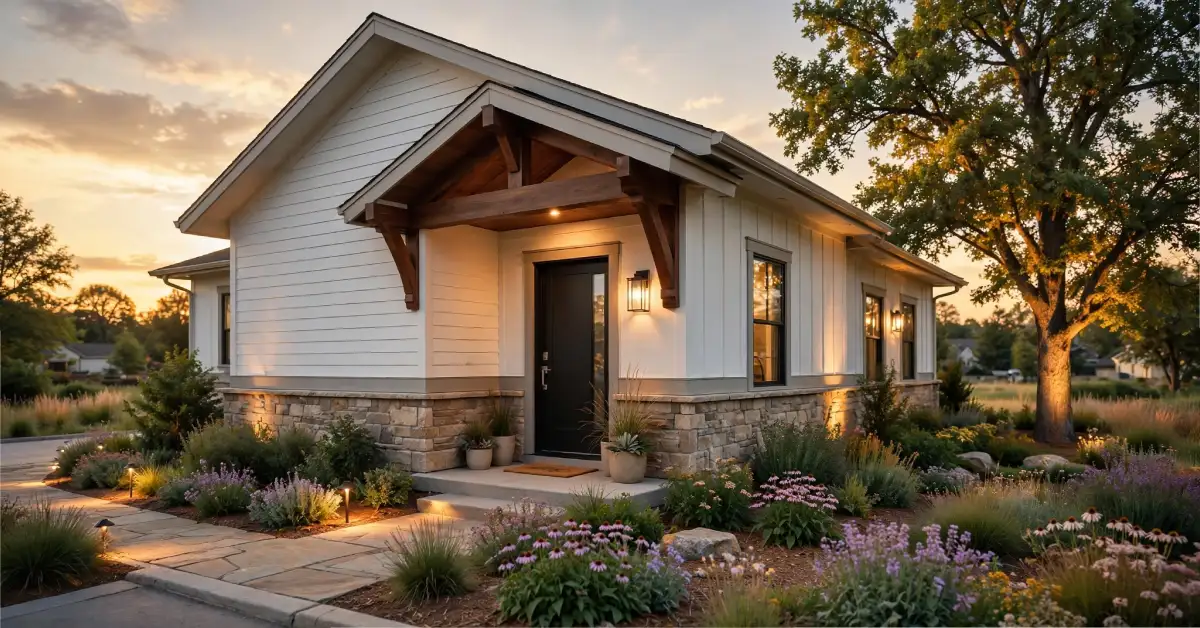
Your home’s exterior is the first thing people notice. It sets the tone before anyone steps inside. Whether you’re planning a full renovation or just want to boost curb appeal, Dr Homey Exterior Design offers a fresh approach that blends modern aesthetics with warmth and livability.
This isn’t about chasing trends or creating cold, ultra-minimal facades. It’s about designing exteriors that feel intentional, welcoming, and built to last. From colour choices to material selection, every decision shapes how your home looks and how it makes people feel.
Why Your Home’s Exterior Design Actually Matters
First impressions happen fast. Studies show that buyers form opinions about a home within 7 to 10 seconds of seeing it. That’s barely enough time to park the car. Your exterior sets expectations for everything inside, fair or not.
A well-designed exterior does more than look good. It increases property value, creates an emotional connection, and signals quality. Neglected exteriors communicate hidden problems, even when the inside is immaculate. That’s why Dr Homey Exterior Design focuses on balance, warmth, and real-world functionality. It treats structure, materials, greenery, and lighting as one connected system rather than separate elements.
Strong curb appeal also delivers serious financial returns. Exterior upgrades like siding replacement, fresh paint, and landscaping often recover 70 to 90 percent of their cost at resale. In competitive markets, homes with standout exteriors and classic curb appeal sell faster and closer to the asking price.
Choosing the Right Colour Palette for Your Exterior
Colour psychology plays a bigger role than most homeowners realise. Warm neutrals feel inviting, while high-contrast palettes create bold, modern statements. The key is choosing colours that suit your home’s style and the surrounding environment.
Popular choices in Dr Homey Exterior Design include soft whites with warm undertones, warm greys, beiges, earthy greys, charcoal accents, and muted greens or blues inspired by nature. Crisp white trim can sharpen the look without making it feel cold. Coastal homes benefit from lighter hues that reflect sunlight. Urban settings often suit darker, moodier palettes that add drama and sophistication.
A practical colour strategy has three parts: the primary colour covers the siding, the secondary colour handles the trim, window frames, and corner boards, and the accent colour lands on the front door. Dark front doors in navy, forest green, deep charcoal, or black create a clear focal point when the siding behind them supports the contrast.
One common mistake is selecting colours without testing them in different lighting conditions. Morning sun, harsh midday light, and evening shadows all change how colour appears. Testing samples on multiple sides of the house helps you avoid disappointment later. Don’t rush this step.
Materials That Define Modern Exteriors
Modern exterior design blends natural materials with engineered options. Wood and stone bring warmth and texture, while fibre cement siding, lap siding, stucco, and metal roofing offer durability and low maintenance. The best exteriors combine both for a balanced, layered look.
Common material pairings include fibre cement siding with wood accents, stone veneer paired with smooth stucco, and metal roofing combined with textured walls. Stone at the base, siding above, wood brackets at the entry, and classic brick flanking the garage are examples of contrast without conflict. Each choice affects maintenance, cost, and longevity.
Climate plays a huge role too. Homes in humid areas need moisture-resistant materials, while extreme heat demands UV-stable finishes. Dr Homey Exterior Design doesn’t ignore these realities. It integrates them into the visual language of the home. Reclaimed timber, fibre cement boards, and recycled bricks offer refined finishes while minimising environmental impact. Sustainable choices don’t mean compromising on style.
Creating Depth and Texture on Your Facade
Flat facades feel lifeless. Depth is introduced through mixed textures like wood accents, stone features, and metal trims. These textures catch light differently throughout the day, giving your home a dynamic appearance that changes with the sun.
Architectural balance matters here. Rooflines, window placement, and entryways should feel proportional, not oversized or cramped. Symmetry works where appropriate; asymmetry adds interest where needed. Clear focal points, usually the main entrance, create a visual hierarchy that guides the eye naturally.
Small details make a big difference. Matte finishes on walls reduce glare and help your design settle into its environment. Warm colour tones for eaves and soffits subtly frame your roofline. Asymmetrical shrub placements provide visual interest without overwhelming a minimal front facade.
Landscaping That Complements Your Structure
Landscaping isn’t just about plants. It’s about creating a visual language that reflects your home’s character. Linear hedges, sculptural succulents, or wildflower borders each send a different message. Gravel paths form small gardens on natural topography, adding texture and guiding movement.
Layered landscaping works best when it follows a clear order: taller elements at the back or sides create a backdrop, mid-level shrubs and ornamental grasses fill the middle, and ground-level plants, mulch, and hardscape surfaces anchor the base. Native plant landscaping can reduce the need for constant watering and fertiliser once established.
Biophilic design is a core aspect of Dr Homey Exterior Design. Natural elements like wood cladding, stone textures, and living walls soften hard architectural lines and create peaceful, earthy spaces. An ivy-covered wall or bamboo screen can transform a plain facade into something memorable.
Plant selection should consider four-season appeal. Choose species that offer spring blooms, summer foliage, fall colour, and winter structure. This ensures your exterior looks intentional year-round, not just during peak growing season. Your landscaping should work as hard as your architecture.
Landscaping can also support durable outdoor spaces. Patios, decks, covered porches, and side yards can function as outdoor rooms when they are planned around how people actually live. A pergola creates a ceiling reference without fully enclosing the space. A privacy hedge or wall defines the boundary. An outdoor rug anchors a seating area the same way an interior rug does.
Lighting Strategies That Transform Exteriors
Exterior lighting serves multiple functions. It provides safety, highlights architectural features, and creates ambience after dark. Layering your lighting approach creates texture and depth that flat, single-source lighting can’t achieve. Think in terms of ambient, task, and accent lighting: ambient handles general illumination, task addresses specific needs like the front entry and steps, and accent draws attention to architecture, trees, or landscape features.
Consider recessed path lights for walkways, pendant lights for porches, and wall-mounted lantern-style fixtures for visual interest. Warm-temperature bulbs in the 2700K to 3000K range feel most natural against residential materials. Avoid over-illuminating with bright floodlights that wash across the facade. A single well-placed uplighter at the base of a significant tree can shift the nighttime feel of a front yard without dominating the view.
Lighting that adapts to changing daylight hours enhances year-round curb appeal. Install fixtures with adjustable settings or smart controls that respond to seasonal shifts. Good lighting design ensures your exterior looks just as impressive in January as it does in June.
Budget-Friendly Upgrades That Deliver Impact
Not every upgrade requires a hefty investment. Small changes often deliver the biggest visual impact. Adding board and batten accents, vertical timber strips, or painting in mid-tones are affordable ways to refresh your exterior without breaking the bank.
Window framing makes a surprising difference, too. Frameless windows create a minimalist feeling, while thick cedar frames add rustic warmth. Functional shutters or deep sills add dimension and create beautiful shadows. These details cost less than full renovations but transform how your home feels.
Privacy elements don’t have to be bland. Slatted wood fences, frosted glass panels, and green walls provide seclusion while maintaining airflow and natural light. These features add personality and function without requiring major construction or permits.
Small entry upgrades also matter. A modern front door, updated house numbers, a stylish pot or two, and comfortable outdoor seating can noticeably lift the look of a home. These details work best when finishes, colours, and style are coordinated with the rest of the exterior.
Common Mistakes to Avoid
Choosing materials without considering climate is a costly mistake. What works in dry, temperate zones fails in humid or extreme environments. Always select materials rated for your specific climate conditions. This prevents premature ageing, warping, and expensive repairs down the line.
Another common error is ignoring proportion and scale. Oversized features on small homes look awkward, while undersized elements on large structures feel incomplete. Maintain balance by ensuring windows, doors, and architectural details suit your home’s overall size and style.
Too many competing colours can make a house look busy rather than polished. Choosing low-quality materials to cut costs upfront often backfires through frequent repairs later. Skipping outdoor lighting, or picking a design style that clashes with the house’s original architecture, are two more mistakes worth avoiding.
Skipping professional guidance can lead to expensive mistakes. While not mandatory, a designer helps ensure cohesive results and avoids costly errors. They understand how materials age, how colours shift in different lighting, and how to create exteriors that remain relevant for years.
Final Thoughts
Your home’s exterior isn’t just a shell. It’s a statement, an invitation, and a long-term investment. Dr Homey Exterior Design offers a refreshing alternative to cold, trend-driven facades by prioritising warmth, balance, and livability.
When done right, this approach creates homes that feel welcoming today and remain relevant tomorrow. It also creates a stronger connection between interior and exterior design, so the home feels unified rather than assembled from separate decisions. Whether you’re planning a full renovation or small upgrades, thoughtful exterior design is one of the smartest decisions a homeowner can make. Start with what is most visible, usually the entry, and work outward from there. Your exterior speaks before you do—make sure it says the right thing.


