

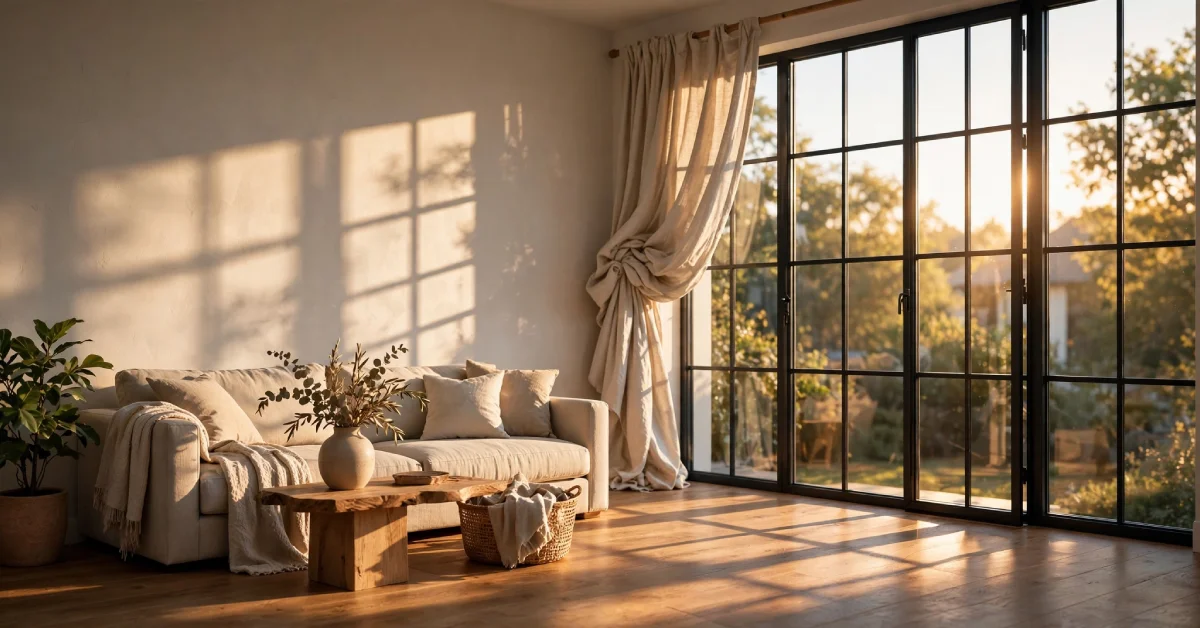
To insulate windows and keep heat out, close blinds or shades on sunny sides, add reflective window film or exterior awnings, seal gaps around frames, and use light-colored or reflective curtains. Windows can account for 10 to 20 Percent of a home’s heating and cooling costs, so these steps can cut cooling costs. Start with the sunniest windows.
The hottest room in a house is often the one with the biggest window. Sunlight passes through the glass, lands on floors and furniture, and turns into heat that your air conditioner must then remove. Windows are usually the weakest point in a home’s thermal envelope, and the problem gets worse on south- and west-facing walls.
This guide explains why windows let heat in, which fixes work best, and how to apply them in order of impact. You will also see which upgrades justify their cost and which small changes you can make in an afternoon.
Why Windows Let So Much Heat In
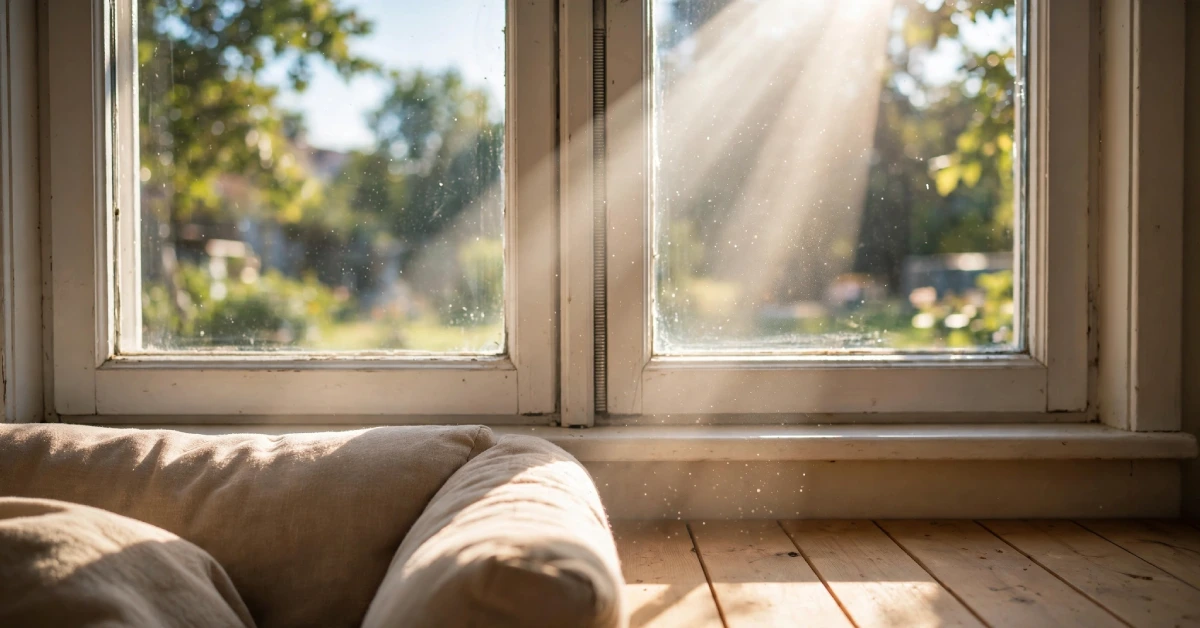
Heat reaches your rooms through windows in two main ways. The first is solar heat gain. Sunlight enters through the glass and becomes heat when it hits walls, floors, and furniture. The second is conduction, where warm outdoor air passes through the glass itself. Single-pane glass conducts heat much more easily than double-pane glass with a low-emissivity (low-e) coating.
The scale of the problem is significant. According to guidance from the U.S. Department of Energy, windows can account for 10 to 20 Percent of heating and cooling costs in the average American home. A summary of that guidance published by the Maryland Department of Housing and Community Development notes that sunny windows can force air conditioners to work two to three times harder to cool a room.
Heat gain also depends on how much glass you have. Large picture windows and sliding doors can add more heat in a single afternoon than a small bedroom window does all day. That is why the first step in any plan is figuring out where the heat enters.
Start With Your Sunniest Windows
Not every window needs the same attention. Orientation strongly affects heat gain. South-facing windows receive strong sun for much of the day. West-facing windows take the hottest afternoon light, which is often the most damaging. East-facing windows catch the morning sun, which is less intense. North-facing windows in the Northern Hemisphere usually stay the coolest.
Walk through your home on a hot afternoon and note which rooms feel hottest. Those rooms and their windows deserve attention first. Treating one or two problem windows often produces a noticeable difference, and it costs far less than a whole-house project.
Keep a simple list as you go. Note the window direction, the room, and whether direct sun enters before 2 p.m. or after. That list will guide every decision in the rest of this guide.
Use Exterior Shading to Block Sun Early
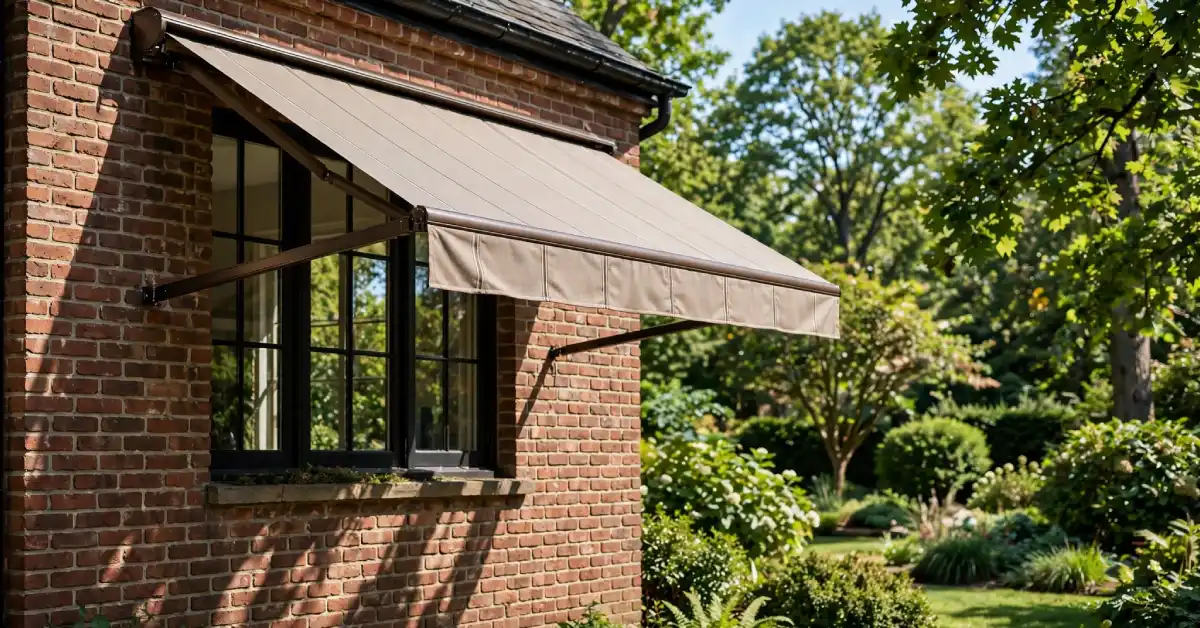
Exterior shading stops heat before it reaches the glass, which makes it one of the most effective options. The Department of Energy reports that window awnings can reduce solar heat gain in summer by up to 65 Percent on south-facing windows and up to 77 Percent on west-facing windows. Awnings, exterior shutters, and fixed overhangs all work on this principle.
Retractable awnings give you flexibility. You can extend them during the hottest months and retract them in winter to let in warm sun. Fixed overhangs work well on south-facing walls, where the summer sun sits high in the sky, and the winter sun sits lower. Installation costs vary by material and window size, so request at least two quotes from local installers before you commit.
Exterior shading also protects interior finishes. Less direct sun means less fading on carpets, floors, and artwork, which adds value beyond cooling.
Apply Window Film for Lasting Heat Control
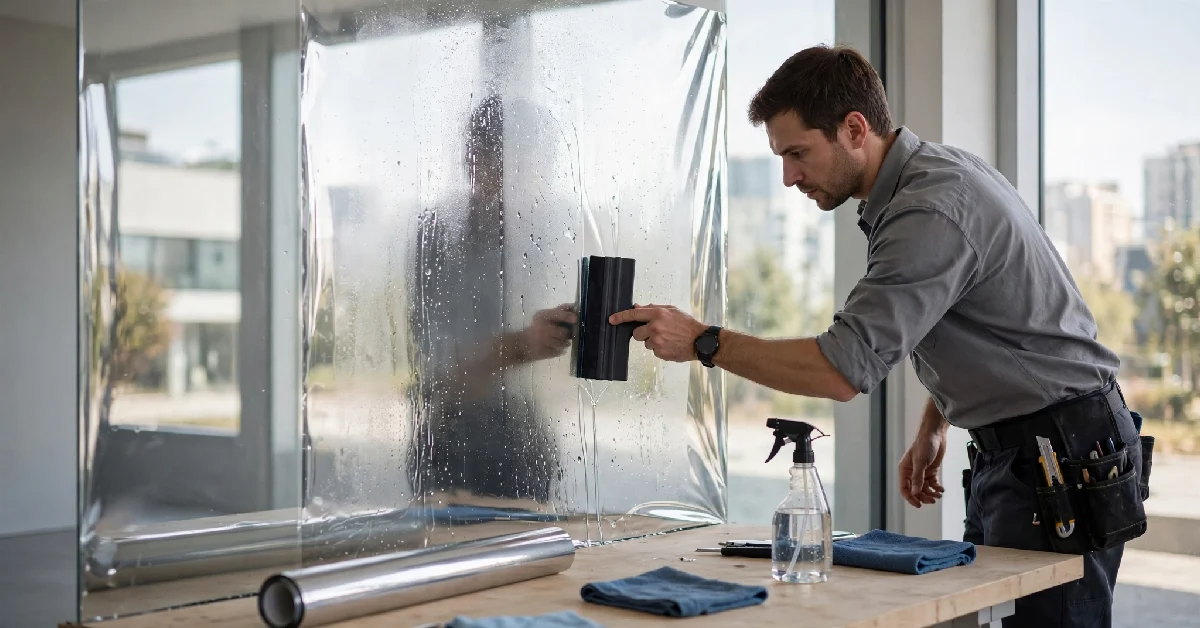
Window film is one of the most affordable upgrades for existing glass. Films reflect or absorb part of the solar energy before it turns into indoor heat. Film does not replace a new window, but it can deliver real savings on glass you already own.
A 2024 case study from FLEXLAB, a Department of Energy research facility at Lawrence Berkeley National Laboratory, tested a window film from Lucent Optics. The tests showed the film reduced solar heat gain and cooling needs, and the researchers also measured changes in daylight glare. The study shows that film can work well, but results depend on window orientation and the specific product.
A 2025 study of window film in several major Turkish cities modelled summer heat gain for clear and tinted glass. The authors compared three film types and estimated both heat gain and cost. Their findings reinforce that climate and window type should guide your choice.
Department of Energy guidance also notes that silver, mirror-like film is typically more effective than colored, transparent film. East- and west-facing windows benefit most from film, and homes in regions with long cooling seasons see the strongest return. Ask your installer for the product’s solar heat gain coefficient (SHGC), which indicates how much solar heat the film allows through. A lower number means more heat blocked.
Film also has trade-offs. Very dark film can reduce natural light and outward views, and some reflective films change how a building looks from outside. Check the warranty before buying. Some manufacturers guarantee their films for up to 15 years, but terms vary.
Close Blinds, Shades, and Curtains Correctly
Interior coverings help, but they work best when you close them before the sun hits the glass. The Department of Energy says highly reflective blinds can reduce heat gain by around 45 Percentwhen fully closed. Medium-colored draperies with white plastic backings can reduce heat gain by about 33 Percent, according to the same guidance.
Build these habits into your daily routine:
- Close shades on south- and west-facing windows by midday, before the strongest sun arrives.
- Hang curtains as close to the window as possible so less warm air slips in behind them.
- Choose light-colored or reflective backings, since dark fabrics absorb heat and can warm the room.
- Use reversible shades that are white on one side and dark on the other, flipping them with the seasons.
Fabric matters as well. The ability of a curtain to block heat depends on its weave and colour. Tightly woven, lined drapes block more heat than sheer fabrics. Keep this in mind when you shop, because a decorative curtain may look good but do little for cooling.
Seal Gaps and Reduce Air Leaks
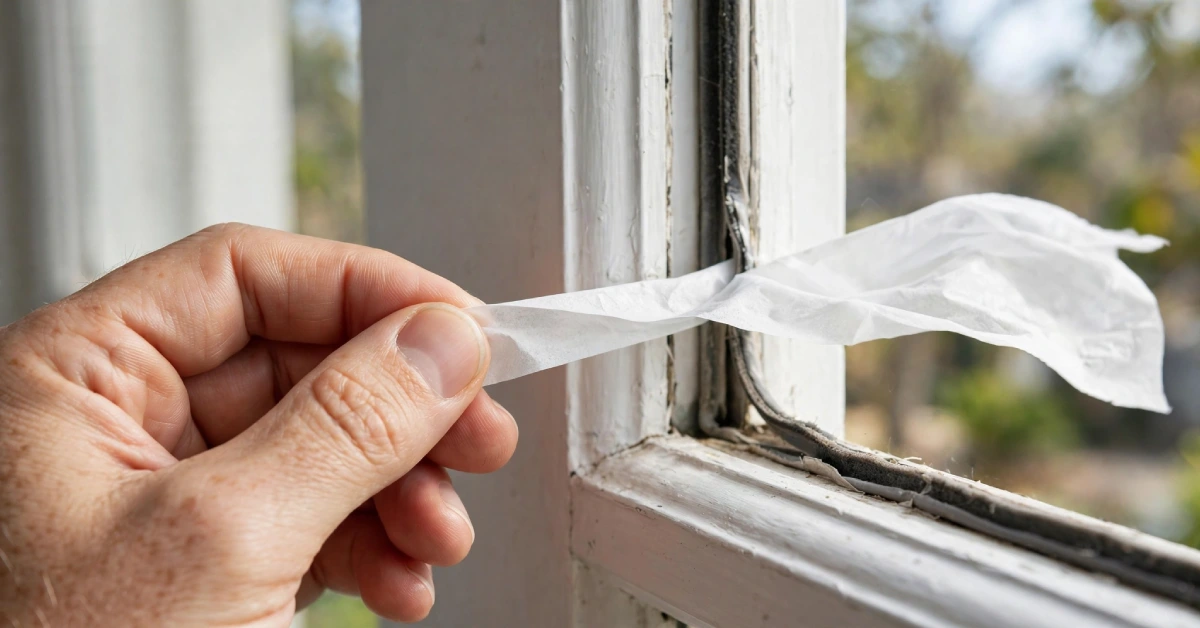
Warm air can seep in around old frames, worn weatherstripping, and cracked caulk. Each leak forces your cooling system to work harder to offset the incoming heat. Sealing these openings costs little and often produces quick results.
Test for leaks on a windy day. Hold a thin strip of tissue paper near the edges of each window and door. If the paper moves, you have found a gap. Check the bottom of sash windows, the meeting rail where two panels join, and the edges of sliding doors, since these are common trouble spots.
Once you find the leaks, replace worn weatherstripping, add foam backer rod to larger gaps, and recaulk exterior trim where it has cracked. Use a paintable, exterior-grade sealant. These tasks take a few hours and need only basic tools.
Decide Between Upgrading and Retrofitting
Some windows cost more to fix than to replace. If your windows are old, single-pane, or badly fitted, a full replacement may justify the expense. ENERGY STAR-certified windows use less energy than standard models. Certified windows also carry National Fenestration Rating Council (NFRC) labels that show performance values, including the U-factor and the SHGC.
For hot climates, look for a lower SHGC, since it blocks more solar heat. Compare labels side by side and avoid assuming that a new window automatically performs better. Performance depends on glass type, coatings, and frame quality.
If replacement is out of reach, retrofitting is a sensible middle path. Film, exterior screens, and better coverings cost less and can deliver much of the solar control you need. Revisit the replacement question when the windows reach the end of their useful life.
Ventilate During Cooler Hours
Opening windows helps only when outdoor air is cooler than indoor air. Open windows in the early morning or late evening, when temperatures drop, and close them before the day heats up. Cross ventilation works best when you open windows on opposite sides of the house.
Plan this routine around your weather. On mild nights, a few hours of fresh air can cool the interior and reduce how hard your air conditioner runs the next day. On hot nights, keep windows closed and rely on fans or your cooling system.
Ventilation also works best alongside shading. If sun still enters through unshaded glass, opening windows will not offset the heat. Close the sunny side first, then open the shaded side.
FAQs
Which window should I treat first?
Start with the west-facing window that receives direct afternoon sun. West-facing glass often produces the highest heat gain because the sun hits it during the hottest part of the day. South-facing windows come next in most homes.
Do curtains really reduce heat?
Yes, when you close them before the sun hits the glass and choose a light or reflective backing. Lined, tightly woven drapes block more heat than sheer panels. Curtains help most when combined with exterior shading or film.
How long does window film last?
Lifespan depends on the product, the installation, and the level of sun exposure. Some manufacturers offer warranties of up to 15 years. Check the warranty terms before you buy and ask your installer what maintenance the film requires.