

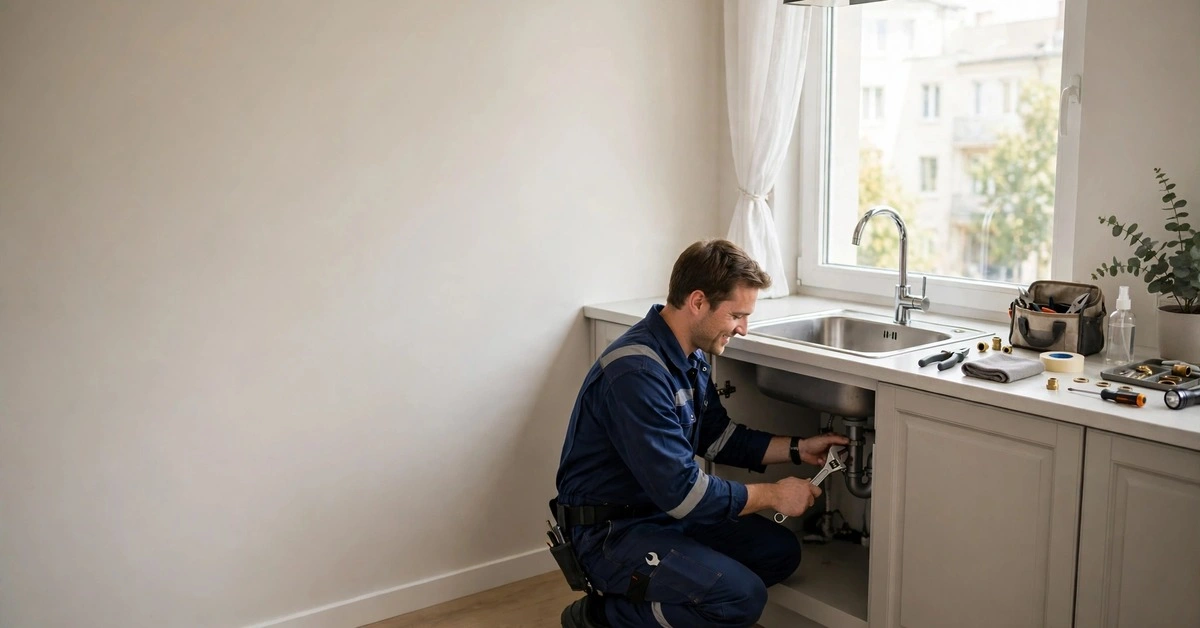
Apartment complex maintenance covers the routine repairs, preventive checks, and emergency fixes that keep a rental building safe and livable. Most tenants judge a property by how quickly their requests are acknowledged and resolved.
This guide explains how maintenance works, which requests come up most, how to build a response process that keeps residents informed, and how to cut repeat issues.
What Apartment Complex Maintenance Covers
Apartment complex maintenance includes everything needed to keep shared spaces and individual units in working order. That means repairing units between tenants, handling day-to-day service requests, keeping common areas clean and safe, and planning for equipment that will eventually wear out.
Maintenance usually falls into three groups. Routine maintenance covers tasks like replacing air filters, checking smoke detectors, and cleaning gutters. Preventive maintenance schedules inspections and servicing before a problem starts. Reactive maintenance responds to requests and breakdowns once they happen.
A well-run complex balances all three. Reactive work will never disappear, but a steady preventive schedule lowers the number of emergencies and gives your team more control over budgets.
Why Maintenance Shapes Resident Satisfaction
Maintenance affects how residents feel about where they live more than most other factors. AppFolio’s 2026 Renter Preferences Report, based on a survey of 3,002 U.S. renters conducted in early 2026, found that maintenance correlated more strongly with satisfaction than any other measured factor. Renters who were satisfied with maintenance were 81% more likely to renew their leases and 36% less likely to plan a move.
Speed matters, but transparency matters just as much. Buildium’s 2026 Renters’ Survey found that maintenance follow-through was the leading factor renters named when asked what would improve their experience. Renters often accept a slower repair when they know where the request stands. They become frustrated when a request disappears into a void.
This means the response process matters as much as the repair itself. A quick acknowledgement, a realistic timeline, and a closing update can turn a tense experience into a positive one.
Common Requests Property Teams Receive
Knowing which requests arrive most often helps you staff, stock parts, and schedule vendors. Hemlane’s analysis of roughly 193,000 maintenance requests found that plumbing was the most common category. Across the portfolio, the company reported an average of about 3.3 requests per unit per year, and that number has been trending upward.
Most complexes see a similar mix of problems:
- Plumbing issues, including leaks, clogged drains, and running toilets
- Heating, ventilation, and air conditioning problems, which spike during seasonal extremes
- Appliance failures, especially refrigerators, dishwashers, and washing machines
- Electrical concerns, such as tripped breakers, outlets that stop working, and broken light fixtures
- Pest control requests, which often follow weather changes or construction nearby
- Door, lock, and window repairs tied to security and comfort
Track these categories over time. A rise in one type often points to a specific cause, such as an ageing water heater fleet or a building envelope problem that needs attention.
Building a Maintenance Request Process
A clear process reduces confusion for residents and staff alike. Start with a single intake channel. A tenant portal, an app, or a dedicated email address works well because it creates a written record of every request. Phone calls are fine as a backup, but they should be logged the same day.
Each request should follow the same steps. Acknowledge it within one business day, even if the repair cannot happen right away. Assign a priority based on safety and habitability. Give the resident a realistic timeline and send an update when the status changes. Close the request only after the work is confirmed, and the resident agrees it is complete.
Automated status messages help a great deal here. Sending updates when a request is received, assigned, delayed, and completed reduces the number of “any news?” calls your team has to answer. Many residents say they simply want to know someone is handling the problem.
Consider keeping a simple log that records the date received, the category, the priority, the vendor, the completion date, and any notes about the cause. Over a year, this log shows which units and systems create the most work.
Preventive Maintenance That Reduces Emergencies
Preventive maintenance costs less than emergency repairs, and it protects the building over the long term. Build a calendar that covers the systems most likely to fail.
Heating and cooling systems need servicing twice a year. Technicians can clean coils, check refrigerant levels, and replace worn belts before a summer or winter peak. Water heaters should be flushed annually to reduce sediment buildup. Smoke and carbon monoxide detectors need regular testing and battery replacement.
Common areas deserve attention too. Schedule inspections for parking lots, stairwells, handrails, and exterior lighting. Check roofs and gutters after heavy storms. Inspect fire extinguishers and emergency lighting according to local fire code requirements.
Use the request log to refine your schedule. If a certain unit type keeps producing leaks, move that unit’s plumbing inspection up. Targeted prevention usually costs less than replacing damaged flooring or drywall after water damage spreads.
Handling Emergencies and Urgent Repairs
Some problems cannot wait. A gas smell, a burst pipe, a fire alarm, or a power outage affecting heat during cold weather requires an immediate response. Create a written emergency procedure and make sure every staff member and on-call contact knows it.
The procedure should list emergency phone numbers, the location of main shutoff valves for water, gas, and electricity, and the steps to take before a technician arrives. Post key information in common areas and include it in resident welcome packets. Residents should know whom to call after hours and what counts as an emergency.
After an emergency is resolved, document what happened and what caused it. Review whether the warning signs appeared earlier in the request log. Patterns like these often reveal opportunities for better prevention.
Managing Vendors and Repair Costs
Most complexes rely on a mix of in-house staff and outside contractors. In-house maintenance staff handle quick fixes and routine tasks, while licensed vendors handle electrical, gas, roofing, and major HVAC work. Clear vendor agreements protect both your budget and your residents.
Get at least two quotes for significant repairs. Confirm that every vendor carries current licenses and liability insurance. Agree on response times and invoicing rules in writing before work begins. Keep records of every invoice so you can compare costs across vendors and years.
Budget for maintenance based on the actual request volume and the age of your equipment. A reasonable approach is to set aside funds for routine work, a separate reserve for replacements, and a contingency for unexpected repairs. Reviewing these numbers each quarter helps you spot cost increases before they grow.
Property owners who want to reduce long-term exposure can also review broader cost controls. Our guide on [ways to minimise financial risks in property ownership] offers useful context for planning reserves and insurance coverage.
If you do not have an in-house team, a local property management partner can coordinate vendors and communication. Teams that offer [property management services in San Antonio] often handle intake, scheduling, and resident updates in one place, which can simplify daily operations for owners and managers in that market.
Final Thoughts
Apartment complex maintenance works best when it is planned, documented, and communicated clearly. Residents notice how quickly their requests are handled and how often they receive updates. Owners notice how costs stay controlled when prevention is part of the routine.
Start with three steps this month. Build a single intake channel, write a short emergency procedure, and set up a preventive calendar for heating, cooling, and water systems. Review your request log each quarter to see where problems repeat.
FAQs
How often should apartment complex maintenance requests be answered?
Acknowledge every request within one business day. Even a short message confirming receipt builds trust while the repair is scheduled.
What maintenance tasks should happen every year?
Service heating and cooling systems, flush water heaters, test smoke and carbon monoxide detectors, and inspect roofs, gutters, and parking areas. Exact requirements depend on local codes and equipment manufacturers.
Is it better to hire in-house staff or outside vendors?
Many complexes use both. In-house staff handle quick, routine work, while licensed vendors handle specialised repairs. Choose based on request volume, budget, and the types of problems your building experiences most.
How can you reduce repeat maintenance requests?
Review your request log for patterns, address root causes instead of symptoms, and add targeted inspections for units or systems that generate frequent calls.
What should residents receive after reporting a problem?
Residents should receive a confirmation, a realistic timeline, and an update when the status changes. A closing message confirming the repair is complete finishes the process well.