

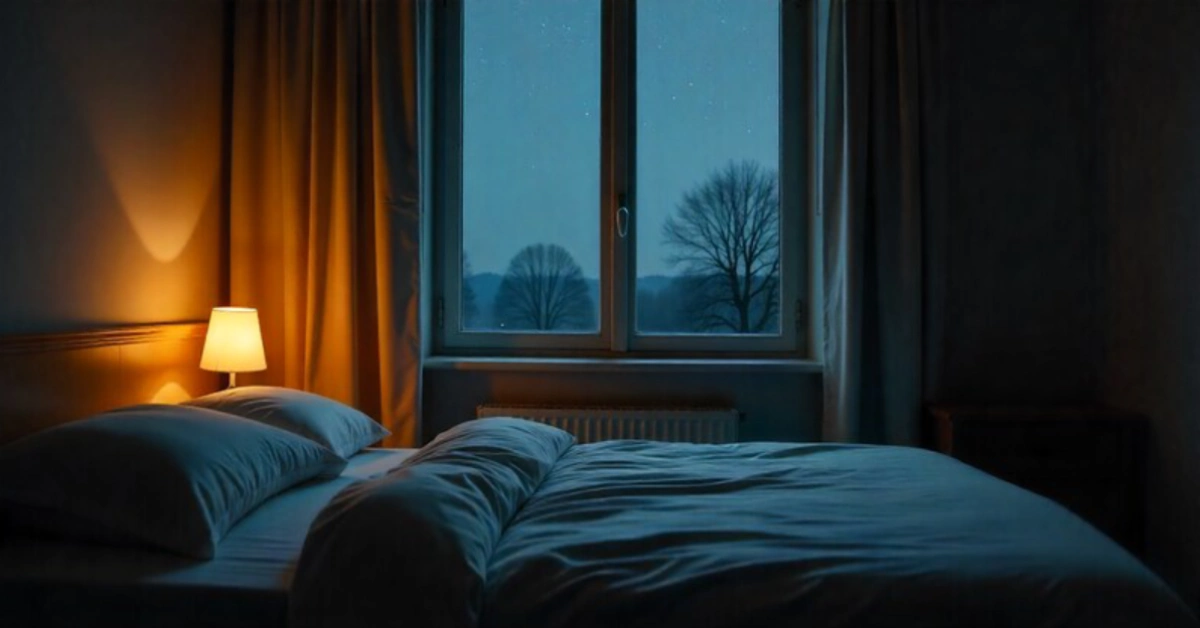
Basničky na dobrou noc are traditional Czech bedtime poems and lullabies recited to children before sleep. These rhythmic verses, rooted in oral folklore, combine nature imagery, moral lessons, and soothing language to calm children while preserving Czech cultural identity across generations.
What are Basničky na Dobrou Noc?
The Czech phrase breaks down simply: “basničky” means little poems or rhymes, while “na dobrou noc” translates to “for a good night.” Combined, these are short verses that parents and grandparents share with children at bedtime.
These poems originated as an oral tradition, passed from parents and grandparents through memory. Families recited them for centuries before publishers began collecting them into books. In 2024, Ladislava Whitcraft released a book titled “Básničky na dobrou noc” for preschoolers, featuring six rhythmic poems with color illustrations and calming gestures.
Unlike typical Western bedtime stories with complex plots, Czech bedtime poems rely on rhythm, repetition, and imagery. They feature forests, rivers, mythical creatures, and simple moral scenes. The poems rarely exceed a few stanzas, making them perfect for tired children ready for sleep.
Why Czech Families Still Use These Poems
Czech bedtime poetry serves three distinct purposes in modern homes.
Cultural Connection The poems reflect local landscapes like forests, rivers, and fields, along with mythical creatures and rural life. When children hear these verses, they connect with their heritage. The poems feature distinctly Czech elements: medieval kingdoms, dense Bohemian forests, and folk characters like clever Honza or wise Mrs. Stařenka.
Moral Teaching Without Preaching Rather than explicitly teaching, the poems embed values like kindness, honesty, and respect for elders through small scenes and caring imagery. A poem might show a child helping someone or being brave, letting the moral emerge naturally from the story.
Sleep Preparation The rhythmic, melodic quality of Czech poems helps regulate breathing and creates predictability. Children know what comes next in familiar verses, which reduces anxiety and signals bedtime. The repetitive patterns act like verbal rocking, gradually slowing the mind toward sleep.
Science Backs Bedtime Reading Rituals
Research from 2023-2024 shows clear benefits when parents establish consistent bedtime routines with language-based activities.
A Penn State study published in the Journal of Developmental and Behavioral Pediatrics found that children with consistent bedtimes displayed better emotional and behavioral regulation. The study showed that bedtime variability matters more than sleep duration alone. Children whose bedtime varied by just 20 minutes across a week regulated their emotions better than those with two-hour variations.
Research in the Fragile Families study tracked 4,274 children from birth to age five. Those who regularly experienced language-based bedtime routines at age three showed both longer sleep duration and higher cognitive scores at age five.
A 2017 study from the Pediatric Academic Societies Meeting found that reading to babies impacts vocabulary and reading skills four years later when they start school.
The brain responds to bedtime stories in measurable ways. Research with 19 children aged two to five found that those with greater reading exposure at home showed higher brain activation in semantic processing areas while listening to stories.
How Basničky na Dobrou Noc Work Their Magic
Czech bedtime poems use specific techniques that make them effective sleep aids.
Rhythmic Patterns The poems follow predictable meters that mirror breathing patterns. When you read or sing them aloud, your breathing naturally slows, and children unconsciously match this rhythm. This physiological response prepares the body for sleep.
Nature Imagery Czech poems fill their lines with stars falling like drops, gentle winds, sleeping forests, and quiet rivers. This imagery activates the imagination without stimulating it. Children visualize calm scenes rather than exciting adventures.
Simple Language: The vocabulary stays accessible to young children. Complex words rarely appear. Short lines and clear rhymes let children follow along easily, reducing cognitive strain before sleep.
Repetitive Structure Many poems repeat phrases or entire lines. This repetition feels comforting and helps children anticipate what comes next. The predictability reduces mental alertness, which speeds the transition to sleep.
Czech Bedtime Poems vs. Western Bedtime Stories
The differences reveal distinct cultural approaches to sleep.
Czech poems run shorter—often just four to eight lines compared to Western picture books that might take 10-15 minutes to read. The brevity matches a tired child’s attention span better.
Western stories often build tension and resolution, keeping children engaged. Czech poems avoid narrative tension entirely. They create mood and feeling without plot complications.
Czech tales maintain stronger focus on the natural world and rural life compared to Danish storyteller Hans Christian Andersen’s work, which explores similar magical elements but with less earthy grounding.
Building Your Own Czech-Inspired Bedtime Routine
You don’t need to speak Czech to apply these principles.
Start With Short Verses. Choose poems under 10 lines. Nursery rhymes, haikus, or simple poetry collections work well. Read the same few poems for several weeks before rotating new ones in. Familiarity matters more than variety.
Add a Melodic Voice, speak or sing the poems with rhythm. Even if you’re not musically trained, adding a gentle sing-song quality helps. The melody soothes more than plain reading.
Include Simple Gestures. Modern Czech poetry books for children include simple gestures and calming exercises before sleep. Try gentle hand movements, light touches, or swaying while reciting.
Create Consistent Timing Penn State researchers emphasize that establishing clear structures and routines leads to better outcomes in both weight regulation and behavior years later. Pick the same time each night. Consistency signals to your child’s body that sleep approaches.
Where Czech Bedtime Traditions Meet Modern Needs
Czech families adapted these traditions as life changed. Books, recordings, and digital versions now exist alongside oral tradition. This flexibility keeps the practice alive.
Contemporary authors and illustrators put their own spin on timeless Czech tales, breathing fresh life into familiar stories while maintaining core elements. These adaptations ensure younger generations still connect with their heritage.
The poems appear in festivals, museums, and educational programs throughout Czech Republic. They’ve become symbols of Czech literary heritage and sources of national pride.
Parents worldwide can learn from this approach. The Czech method proves you don’t need elaborate stories or expensive books. Simple, rhythmic verses create powerful bedtime routines when applied consistently.
Why Your Child’s Brain Needs Bedtime Poetry
The cognitive benefits extend far beyond sleep quality.
Children who read with parents or hear stories regularly develop higher cognitive skills than those who don’t. Vocabulary acquisition happens naturally when children encounter words they don’t hear in daily conversation. Poetry exposes them to richer language than typical speech.
Regular language-based bedtime routines stimulate literacy directly, not just through improved sleep duration. The rhyme schemes help children recognize phonetic patterns, which builds reading skills later.
Memory strengthens through repeated exposure to the same poems. Children develop stronger recall and pattern recognition abilities. These cognitive skills transfer to academic performance years later.
Making It Work When Life Gets Chaotic
Real parents face real obstacles. Here’s how to maintain the routine.
When Time Runs Short, Keep three ultra-short poems memorized. Even 60 seconds of rhythmic verse before bed beats skipping the routine entirely. Your child benefits from consistency more than length.
When Children Resist, Behavioral sleep medicine psychologist Jade Wu suggests tying stories to daily activities or upcoming events that excite your child. If your child loves dinosaurs, choose poems with animal themes. Relevance increases engagement.
When Screens Dominate, Experts recommend shutting down screens about one hour before bed, as blue light suppresses melatonin production. Replace screen time gradually rather than eliminating it overnight. Start with just three nights per week where poetry replaces devices.
When You Need Help, get partners, grandparents, or older siblings involved. Multiple family members can share the bedtime poetry duty. This spreads the responsibility and creates varied voices for the child to enjoy.
Three Czech-Style Poems to Start Tonight
You can begin immediately with these approaches inspired by Czech traditions:
Nature Focus: “Stars above are closing eyes, Wind whispers soft lullabies, Trees stand guard throughout the night, Morning brings the sun so bright.”
Simple Moral: “Kind words shared before you sleep, Warm memories you’ll always keep, Dreams will come on gentle wings, Rest brings joy that morning brings.”
Rhythm-First: “Close your eyes, breathe in deep, Time has come for gentle sleep, Moon above will watch you rest, Morning comes when you’ve slept best.”
What Research Shows About Long-Term Benefits
The impacts of consistent bedtime routines with poetry extend years into the future.
Foster children with bedtime reading routines that offer comfort and love settle into new home placements better, according to research on bonding during bedtime. This shows bedtime poetry works across different family structures and situations.
Preschoolers with bedtime story routines sleep longer and show less bedtime resistance. The battle many parents face at bedtime reduces significantly when you establish predictable, soothing routines.
Dr. Suha Al-Hassan, professor of Early Childhood Special Education, notes that consistent storytelling improves sleep quality, which proves essential for children’s overall health and helps them understand different perspectives.
Final Thoughts
Basničky na dobrou noc represents more than a quaint tradition. These Czech bedtime poems offer a practical, science-backed approach to better sleep and child development. The method costs nothing, requires minimal time, and delivers measurable benefits.
You build your child’s vocabulary, strengthen their memory, improve their sleep quality, and create lasting family bonds. The Czech approach proves that simple, rhythmic verses repeated consistently outperform elaborate entertainment.
Start tonight with one short poem. Repeat it for a week. Notice how your child begins anticipating the words. Watch their breathing slow as familiar rhythms wash over them. This is how generations of Czech families created calm, connected children ready for restful sleep.
Frequently Asked Questions
Do I need to use Czech poems specifically?
No. Apply the principles—short length, rhythmic pattern, nature imagery, repetition—to any poems. The Czech tradition shows what works, but you can adapt it to your language and culture.
How young can I start this routine?
Babies benefit from hearing rhythmic language and parents’ voices. Even newborns respond to the soothing quality of poetry recited in calm tones. You’re never starting too early.
What if my child asks for longer stories?
Use Czech-style poems for the final bedtime step. Read longer stories earlier in the routine. The short poem becomes the sleep signal, coming right before lights out.
Can singing help more than speaking?
Yes, singing or reciting in a melodic voice helps soothe, regulates breathing, and makes the rhyme more memorable. Many Czech lullabies intended for bedtime use melodic or rhythmic delivery.
How do I know if it’s working?
Track three metrics: how long your child takes to fall asleep, how often they resist bedtime, and how rested they seem in the morning. You should see improvements within two to three weeks of consistent practice.