

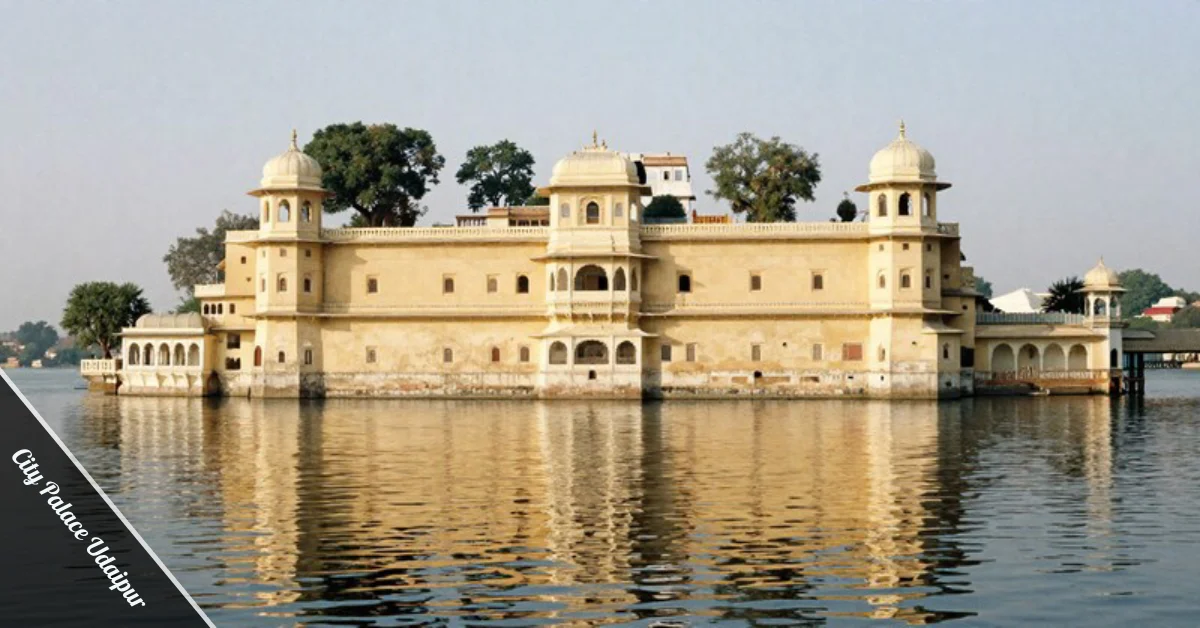
City Palace Udaipur is Rajasthan’s largest palace complex, built in 1559 by Maharana Udai Singh II on Lake Pichola’s banks. The 400-year-old architectural marvel blends Rajput, Mughal, and European styles across 4 acres, featuring 11 palaces, museums, and stunning courtyards. Entry fee is ₹300 for Indian visitors, open daily 9 AM to 9 PM.
Why City Palace Udaipur Stands Above All
Standing on Lake Pichola’s eastern shore, City Palace Udaipur dominates the skyline with 100-foot-high walls stretching 800 feet. This isn’t just another palace. It’s the largest royal complex in Rajasthan, built by 23 generations of Mewar rulers over four centuries.
You walk through gates where elephants once paraded. You explore courtyards where kings held court. Every corner tells stories of valor, romance, and survival against Mughal attacks. The palace doesn’t whisper history—it shouts it from marble balconies and mirrored halls.
Over 2.5 million tourists visit annually, making it Udaipur’s most popular attraction. The palace complex covers 4 acres with 11 interconnected palaces, each showcasing different architectural periods and royal tastes.
What Makes the City Palace Worth Visiting
The Architectural Heritage
Built from white marble and granite, the palace fuses Rajput military architecture with Mughal decorative arts. European Renaissance influences appear in later additions, creating a unique aesthetic you won’t find elsewhere in India.
The palace sits 1,962 feet above sea level, offering panoramic views of Udaipur city, the Aravalli hills, and Lake Pichola. The complex features octagonal towers, hanging gardens, intricate balconies, and fortified walls designed to withstand attacks.
Inside the Palace Complex
Mor Chowk captivates visitors with its peacock mosaics made from colored glass and tiles. Three massive peacocks represent summer, winter, and monsoon seasons. The craftsmanship took years to complete, with artisans using thousands of glass pieces.
Sheesh Mahal displays mirror work that transforms candlelight into starry skies. The mirrors are so precisely cut and placed that a single candle can illuminate the entire chamber.
Badi Mahal sits atop an 89-foot rock formation, providing the best vantage point in the complex. The garden palace contains a swimming pool once used for Holi celebrations, where royals threw colored water at each other.
Zenana Mahal housed the royal women. Its architecture balances privacy with ventilation, using carved screens called jalis that allow air flow while maintaining seclusion.
The Museum Collection
The City Palace Museum holds centuries of Mewar history. Royal clothing with gold thread embroidery, miniature paintings from the 18th and 19th centuries, antique weapons including the famous two-pronged sword, and vintage photographs line the galleries.
The armory showcases swords, daggers, shields, and firearms used by Mewar warriors. Each weapon tells battle stories, from victories against Mughals to defensive stands against Marathas.
Crystal Gallery displays rare European crystal furniture and decorative items. The collection includes crystal chairs, tables, beds, and even a crystal sofa, all imported in the 19th century but never used.
City Palace Entry Fee and Timings
Ticket Prices for 2025
Indian citizens pay ₹300 per adult for museum access. Children under 12 get discounted rates at ₹150. SAARC country visitors pay the same as Indians with a valid passport.
Foreign tourists face higher fees at ₹600 per adult. The price includes access to the main museum complex, courtyards, galleries, and heritage rooms.
Audio guides cost an additional ₹200 and come in Hindi, English, French, German, and Spanish. Professional guides charge ₹500 to ₹800 for group tours, providing detailed historical context and architectural explanations.
Still camera permits cost ₹200, while video cameras require ₹500. Some sections restrict photography to protect delicate artwork and mirror work from flash damage.
Opening Hours
The palace opens daily from 9 AM to 9 PM, including weekends and holidays. Morning visits between 9 AM and 11 AM offer cooler temperatures and smaller crowds. Evening visits from 5 PM onward provide softer light for photography and views of the illuminated palace.
Plan for 2 to 3 hours minimum to explore the main complex. Serious history enthusiasts spend 4 to 5 hours examining exhibits, reading plaques, and soaking in architectural details.
The palace closes briefly during special royal ceremonies, but management announces closures in advance on the official website and at hotel concierge desks.
Best Time to Visit City Palace
October to March brings pleasant weather with daytime temperatures between 15°C and 25°C. Clear skies and moderate humidity make walking through outdoor courtyards comfortable.
Monsoon season from July to September transforms the landscape. Lake Pichola fills, reflecting the palace in its waters. Fewer tourists mean shorter queues and more personal space in galleries. Rain showers are brief and add dramatic clouds to photographs.
Avoid April to June when temperatures soar above 40°C. The marble and granite absorb heat, making afternoon exploration exhausting. If summer visits are unavoidable, arrive right at opening time.
December and January see the highest tourist numbers. Families on school holidays and foreign tour groups fill the complex. Book tickets online to skip long queues at the entrance gates.
How to Reach City Palace Udaipur
By Air
Maharana Pratap Airport is 22 kilometers from the palace. Taxis take 30 to 40 minutes, depending on traffic. Pre-paid taxi counters at the airport charge fixed rates of ₹500 to ₹700.
App-based cabs offer slightly lower fares at ₹400 to ₹600. Airlines connect Udaipur to Delhi, Mumbai, Jaipur, and Bangalore with daily flights. Book airport transfers through hotels for hassle-free pickup.
By Train
Udaipur Railway Station is just 2 kilometers from the City Palace. Auto-rickshaws charge ₹50 to ₹100 for a 5 to 10-minute ride. Walking is possible for fit travelers, taking 20 to 25 minutes through old city lanes.
Major trains connect Udaipur to Delhi, Jaipur, Ajmer, and Ahmedabad. The Mewar Express and Chetak Express are popular overnight options from Delhi. Book train tickets 2 to 3 months in advance during peak season.
By Road
Udaipur connects to major Rajasthan cities via well-maintained highways. Delhi is 663 kilometers away, Jaipur 340 kilometers, and Jodhpur 250 kilometers. State-run buses and private operators offer regular services.
Driving from Jaipur takes 6 to 7 hours through scenic Aravalli passes. Jodhpur to Udaipur is a 5-hour drive with rest stops at local eateries. Private taxis can be hired for inter-city travel at ₹10 to ₹15 per kilometer.
Within Udaipur
Taxis can’t enter the historic center during the daytime. Park at designated lots near Chand Pol or Delhi Gate and walk 10 to 15 minutes to the palace.
Auto-rickshaws navigate narrow lanes but often get stuck in traffic jams. Walking from Lake Pichola hotels takes 5 to 10 minutes, passing through colorful bazaars and haveli hotels.
Planning Your Visit: Practical Tips
Arrive Early
Gates open at 9 AM. Arriving at opening time gives you 1 to 2 hours before tour groups arrive. You’ll photograph empty courtyards and examine exhibits without crowds pushing past.
Morning light illuminates the eastern facade perfectly. The white marble glows golden, creating ideal conditions for exterior shots. Lake views are clearest before afternoon haze builds up.
Comfortable Footwear Matters
The palace complex requires significant walking. Marble floors get slippery, especially after rain or cleaning. Stairs connect different palace levels, some steep and narrow.
Wear closed-toe shoes with a good grip. Sandals work but provide less ankle support on uneven surfaces. Heels are impractical and may damage your feet after hours of standing.
Stay Hydrated
Rajasthan’s dry climate causes faster dehydration. Carry water bottles and sip regularly. Food stalls near the entrance sell bottled water at ₹20 to ₹30.
Avoid drinking from public taps. Stick to sealed bottled water. Restaurants inside the complex sell snacks and beverages, but at tourist prices.
Dress Appropriately
While not a religious site, the palace maintains a respectful dress code. Cover shoulders and knees. Lightweight cotton clothing works best in Rajasthan’s climate.
Scarves or shawls help in air-conditioned museum sections where temperatures drop suddenly. Sunglasses and hats protect against strong sunlight in open courtyards.
Skip the Crowds
Weekends and public holidays bring maximum crowds. Tuesday and Wednesday see fewer visitors. Avoid visiting during Diwali, Dussehra, and winter holidays when domestic tourism peaks.
Late afternoon from 4 PM onward, empties as day-trippers leave. You’ll get better access to popular photo spots like Mor Chowk and Sheesh Mahal.
Hire a Guide
Self-exploration works but misses historical context. Professional guides explain architectural features, royal lineages, and battle stories that plaques don’t cover.
Guides cost ₹500 to ₹800 for 2 to 3-hour tours. They speak multiple languages and tailor explanations to your interests. Book guides at the ticket counter or arrange through hotels.
Audio guides offer flexibility at a lower cost. You control the pace, replaying sections as needed. Download Palace apps before visiting for offline access to information.
What to Explore Nearby
Lake Pichola Boat Ride
Board boats from the palace jetty for 45-minute lake tours. Sunset cruises leave at 5 PM and 6 PM, offering views of the illuminated palace reflected in the water.
Boats stop at Jag Mandir Island Palace, another Mewar creation used in James Bond’s Octopussy. The island features gardens, pavilions, and a restaurant serving Rajasthani cuisine.
Standard boat tickets cost ₹400 per person. Private boats for 2 to 4 people charge ₹1,500 to ₹2,000. Book tickets at the palace boat counter or online through the official website.
Jagdish Temple
Located 200 meters from the palace, this 1651 temple dedicated to Lord Vishnu showcases Indo-Aryan architecture. Intricate carvings cover the exterior walls, depicting Hindu mythology.
The temple hosts evening aarti ceremonies at 7 PM with devotional singing and lamp offerings. Visitors can attend free of charge. Remove shoes before entering and dress modestly.
Bagore Ki Haveli
This 18th-century haveli turned museum sits on Gangaur Ghat, a 5-minute walk from City Palace. It displays traditional Rajasthani costumes, jewelry, and household items.
Evening cultural performances at 7 PM feature folk dances like Ghoomar and puppet shows. Tickets cost ₹150 per person. The one-hour show provides insight into Rajasthani performing arts.
Vintage Car Museum
The museum houses the royal family’s classic car collection, including a 1934 Rolls-Royce and a 1939 Cadillac convertible. Located 1.5 kilometers from the City Palace, it requires separate tickets at ₹300 per person.
Cars are maintained in working condition. Photography is allowed without flash. The collection includes 20 vehicles spanning seven decades of automotive history.
The History Behind City Palace
Foundation and Early Years
Maharana Udai Singh II laid the palace foundation in 1559 after abandoning Chittor Fort. A sage advised him to build near Lake Pichola, surrounded by forests and Aravalli hills, providing natural defense.
The first structure was Rai Angan, the royal courtyard. Successive rulers added palaces, gardens, and fortifications over 400 years. Each Maharana contributed unique architectural elements reflecting their era.
Mughal Conflicts
Maharana Pratap, Udai Singh’s son, fought Akbar at the Battle of Haldighati in 1576. Despite defeat, Mewar never fully submitted to Mughal rule. The palace withstood several sieges, its high walls and strategic position deterring attackers.
Akbar’s death in 1605 eased pressure on Udaipur. Maharana Amar Singh signed a treaty with Jahangir, securing Mewar’s autonomy while avoiding direct conflict.
British Era
Maratha raids in 1761 devastated Udaipur. Maharana Bhim Singh signed a protection treaty with the British East India Company in 1818. British influence introduced European architectural elements visible in later palace additions.
The British respected Mewar’s status as the oldest Rajput dynasty. Udaipur maintained internal governance while accepting British oversight in external affairs.
Post-Independence
India gained independence in 1947. Mewar merged with democratic India in 1949. The royal family retained palace ownership, converting portions into museums and heritage hotels.
Fateh Prakash Palace and Shiv Niwas Palace now operate as luxury hotels managed by HRH Group. Guests experience royal hospitality while the family maintains private residences within the complex.
Final Thoughts
City Palace Udaipur delivers what few monuments can: authentic royal heritage preserved across four centuries. You don’t just observe history here; you walk through corridors where kings plotted battles, celebrate in courtyards where festivals occurred, and gaze from balconies offering the same lake views royals enjoyed.
The architecture alone justifies the visit, but the stories behind each room, each painting, each weapon in the armory bring the palace alive. Whether you’re a first-time visitor or returning explorer, City Palace reveals new details with each visit.
Book tickets online, arrive early, and give yourself time to absorb the grandeur. This isn’t a quick photo-stop destination. It’s a journey through Mewar history, Rajput valor, and architectural brilliance that defined an era.
Plan your Udaipur trip around this palace. Everything else in the city—temples, lakes, markets—connects back to the royal legacy preserved within these walls.
FAQs
How long does it take to visit the City Palace in Udaipur?
Allow 2 to 3 hours for the main museum and courtyards. Detailed exploration with guides takes 4 to 5 hours. Photography enthusiasts often spend entire days capturing architectural details.
Can I visit City Palace Udaipur without a guide?
Yes, self-guided tours work fine. Informational plaques explain major exhibits. Audio guides in multiple languages provide detailed commentary for ₹200. However, professional guides add historical context and answer specific questions.
Is photography allowed inside the City Palace?
Photography is permitted in most areas with a ₹200 still camera fee and a ₹500 video camera fee. Some galleries restrict flash photography to protect delicate artwork. Museum staff indicate no-photo zones clearly.
What should I wear to the City Palace, Udaipur?
Wear comfortable, modest clothing covering shoulders and knees. Closed-toe shoes with a good grip work best on marble floors. Carry sunglasses and hats for outdoor courtyards. Light cotton fabrics suit Rajasthan’s climate.
Are wheelchairs available at City Palace?
The palace has wheelchair-accessible routes to major sections. Request wheelchair assistance at the entrance gate. Some narrow staircases and elevated pavilions remain inaccessible. Staff help with alternative viewing points.