

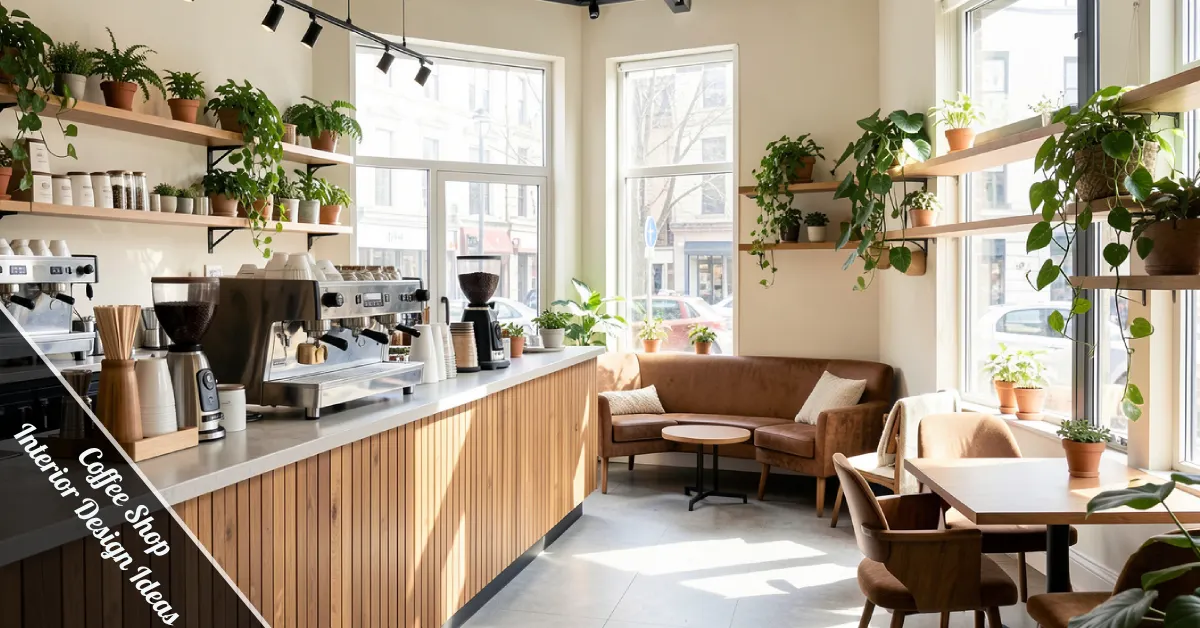
Your coffee might be fire, but if the vibe’s off? People won’t stick around. Here’s the thing: coffee shop interior design ideas aren’t just about looking good on Instagram. They’re about creating a space where someone plans their morning, closes a deal, or escapes the chaos. The right design turns a quick caffeine grab into a 90-minute work session. And that’s where the money lives.
Think about it. You walk into a café that feels right. The lighting doesn’t assault your eyes. The chair doesn’t make your back hate you after 10 minutes. There’s a corner that feels like yours. That’s not luck. That’s intentional design working its magic while you sip your flat white.
We’re breaking down eight coffee shop interior design ideas that blend style with strategy. No fluff. Just what works when you’re building a space people actually want to hang out in.
Industrial Chic: When Raw Feels Right
Industrial design strips everything back to the bones. Exposed brick, visible ductwork, concrete floors, metal fixtures. It’s the aesthetic of old warehouses and factories reimagined for your morning espresso ritual. This style works because it feels honest. No pretense. Just materials doing their thing while your coffee does its thing. These coffee shop interior design ideas celebrate authenticity.
The beauty here? You’re not hiding imperfections. You’re celebrating them. That rough brick wall becomes texture. Those overhead pipes become a visual interest. The concrete floor becomes durable; you can count on it for years.
Balance all that hardness with warmth. Throw in leather seating that develops character over time. Add Edison bulbs that cast that amber glow everyone loves. Layer in some greenery because nothing softens industrial edges like a fiddle-leaf fig in the corner.
Sound matters too. All those hard surfaces bounce noise around. Install acoustic panels disguised as art. Your customers will thank you when they can actually hear their conference call. Wood accents bring life to the metal and concrete.
Scandinavian Minimalism: Less Clutter, More Calm
Scandinavian design is the antidote to overstimulation. Clean lines, muted colors, natural light flooding every corner. It’s built around hygge, that Danish concept of cozy contentment that makes you want to curl up with a book and never leave.
This isn’t about being boring. It’s about being intentional. Every piece of furniture earns its place. The color palette sticks to whites, greys, and pale woods that make small spaces feel airy. Clutter gets the boot because it kills the vibe.
Light is your best friend here. Maximize those windows. Use sheer blinds that filter sunlight without blocking it. Position mirrors to bounce natural light into darker corners and visually expand the space.
Texture prevents minimalism from feeling sterile. Wool throws over oak chairs. Linen cushions on simple benches. Maybe some felted acoustic panels that double as subtle art. These layers add warmth without adding visual noise.
Brass or copper accents provide just enough sparkle. A few pendant lights in brushed metal. Tap fixtures that catch the light. These small details elevate the space from basic to beautiful without screaming for attention.
Plants are non-negotiable. Snake plants, pothos, string of pearls. They bring life and color to the neutral backdrop. Plus, they purify the air while looking effortlessly good doing it.
Vintage Vibes: Nostalgia That Sells
Retro design transports people. Pick your era and commit. Maybe you’re going full 1950s diner with chrome and vinyl. Or 1970s earth tones with macramé and wood paneling. Whatever you choose, consistency is key.
The magic happens when you mix authentic vintage finds with quality reproductions. Hit up flea markets for that perfect jukebox or mid-century sideboard. But don’t sacrifice comfort for authenticity. Your seating needs to handle eight hours of laptop warriors.
Statement pieces tell your story. A vintage Coca-Cola sign. An original rotary phone as décor. Pendant lights from your chosen decade. These anchors create Instagram moments while reinforcing your theme without overwhelming the senses.
Here’s the trick: keep your equipment modern. That vintage aesthetic is perfect until someone’s waiting 10 minutes for a latte. Invest in high-performance espresso machines that deliver quality fast. The contrast between retro design and modern function is actually pretty slick.
Color choices define the era. The 1950s meant pastels and chrome. The 1960s brought bold patterns. The 1970s go earthy with harvest gold and avocado green. Stay true to your period for an immersive experience.
Biophilic Design: Bringing the Outdoors Inside
Biophilic design taps into our hardwired connection to nature. It’s more than potted plants on a shelf. We’re talking living walls, natural materials, water features, and maximum sunlight. This approach creates an urban oasis that makes people breathe easier. Among coffee shop interior design ideas, this one delivers measurable wellness benefits.
The centerpiece? Go big with a preserved moss wall or living wall installation. Position it behind the counter or along a main seating area. It becomes your signature visual that customers remember and seek out regularly.
Layer natural materials everywhere. Stone countertops. Slate flooring. Rattan light fixtures. Linen upholstery. These textures create a multisensory experience that feels grounded and calming in ways synthetic materials never will.
Light strategy matters. Arrange seating to capture window views. Use translucent blinds that diffuse harsh sunlight. Let natural light do the heavy lifting for ambiance throughout the day.
Choose plants that actually survive. Snake plants, pothos, and ZZ plants. They’re low-maintenance and purify the air. Partner with a local nursery for ongoing care support. Water features add soothing background noise.
Modern Minimalism: Function Meets Form
Modern design strips away excess and keeps what works. Sleek surfaces, clean lines, monochromatic palettes. Everything serves a purpose. If it doesn’t function, it doesn’t belong. This philosophy creates spaces that feel organized and intentional.
The color scheme stays neutral. Black, white, grey, cream, brown. These tones create a sophisticated backdrop that lets your coffee and customers become the color. Wood and stone add warmth without complicating the palette.
Furniture choices matter. Each piece should be beautiful and practical. Chairs with elegant lines that actually support your back. Tables that are durable but visually light. Multi-functional pieces like storage benches maximize utility in smaller footprints.
Lighting provides the drama. Pendant lights with geometric shapes. Track lighting that highlights specific zones. Under-counter LEDs that create an ambient glow. Strategic lighting adds depth and interest to the simplified aesthetic.
Storage stays hidden—everything behind closed doors or integrated into furniture. The counter stays clear except for essentials. This disciplined approach to clutter makes the space feel larger and more peaceful.
Rustic Charm: Organic Materials Take Center Stage
Rustic design celebrates natural imperfection. Raw wood with visible grain. Stone with variation. Textures that feel handcrafted. This style creates warmth and authenticity that appeals to people craving connection. Smart coffee shop interior design ideas embrace these organic elements.
Wood dominates the material palette. Reclaimed barn wood for accent walls. Live-edge tables that showcase natural beauty. Wide-plank flooring that adds character underfoot. Each piece tells a story.
Earth tones ground the space. Browns, creams, deep greens, warm greys. These colors reflect the natural materials and create cohesion. Pops of green from live plants enhance the vibe.
Lighting goes warm and welcoming. Wrought iron chandeliers or pendant lights with exposed filaments. The goal is to create pools of soft light. Vintage farm tools or botanical prints add personality.
Small Space Solutions: Maximize Every Square Foot
Small coffee shops need smart design that doesn’t feel cramped. Light colors expand the visual space. Whites, creams, pale greys make walls recede. This optical trick creates the illusion of more room. Effective coffee shop interior design ideas work with your constraints.
Strategically placed mirrors double your space visually. Position them opposite windows to reflect natural light. One large mirror creates more impact than several small ones.
Furniture scale matters. Choose pieces proportional to your space. Smaller round tables instead of large squares. Benches along walls instead of bulky armchairs. Every inch counts.
Vertical storage saves floor space. Wall-mounted shelves for retail items. Hanging plants instead of floor planters. Take advantage of height. Multi-functional pieces work overtime.
Color Psychology: Setting the Right Mood
Colors influence emotion and behavior more than most people realize. Warm tones like terracotta, mustard, and rust create energy and appetite. They’re perfect for high-turnover breakfast spots where you want people energized and moving.
Cool tones like blues, greens, and soft greys promote calm and focus. Ideal for study-friendly cafés where customers camp out with laptops. These colors reduce stress and help people concentrate for extended periods without feeling overwhelmed.
Neutral palettes provide versatility. They work as backgrounds that let other elements shine. Customers can project their own mood onto the space. This flexibility appeals to diverse crowds throughout the day.
Accent colors add personality without commitment. A feature wall in deep teal. Chairs in burnt orange. These pops of color create visual interest and Instagram-worthy spots without overwhelming the overall design or requiring full renovation.
Test colors in your actual space before committing. Paint samples on different walls. Observe how they look at different times of day. Natural light, artificial light, and shadows all affect color perception.
Bringing It All Together
These coffee shop interior design ideas work best when they align with your brand and customer expectations. Industrial chic attracts creatives who appreciate authenticity. Scandinavian minimalism draws people seeking calm. Vintage themes build nostalgia and community connection.
Your space tells your story before you brew a single cup. Choose design elements that reflect who you are. Mix practical considerations like acoustics and lighting with aesthetic choices that make people feel something.
The best designs balance form and function. Beautiful furniture that’s also comfortable. Lighting that sets the mood while letting people see. Layouts that flow naturally while maximizing capacity.
Start with one strong concept. Don’t try to be everything to everyone. Own your aesthetic. Execute it well. The customers who vibe with it will become your most loyal regulars. Your interior is an investment in customer experience.