

You scroll through Instagram, see those dreamy living rooms, and think: “Yeah, that’s never happening on my budget.” But here’s the truth nobody tells you—those picture-perfect spaces don’t require trust fund money. Economy home decor is your cheat code to a home that looks expensive without the designer price tag. It’s about being smart, resourceful, and knowing where to spend (and where to save). Let’s break down how you can pull this off without sacrificing your weekend brunch fund.
The Budget Decor Mindset: Think Like a Pro
Stop seeing budget decorating as settling. That’s the first mental block you need to destroy completely. Economy home decor is actually about curating your space with intention, choosing pieces that serve multiple purposes while looking sharp. The best designers don’t throw money at problems—they solve them creatively. You’re about to do the same thing, just without the four-figure consultation fee.
Start by walking through your space with fresh eyes. What actually bothers you? Maybe it’s the sad beige walls or that furniture layout from 2019. Identify two or three high-impact changes that’ll transform how the room feels. A fresh coat of paint costs around thirty bucks, but changes everything. Rearranging furniture is free and can make your living room feel twice as spacious overnight.
Think of yourself as a curator, not a shopper. You’re building a collection over time, not buying everything in one Target run. Each piece should earn its spot—whether it’s a thrifted lamp you repainted or that vintage mirror from your grandma’s attic. This approach saves money and creates a home that actually reflects your personality instead of looking like a showroom.
Your Living Room Revival: Make It Pop
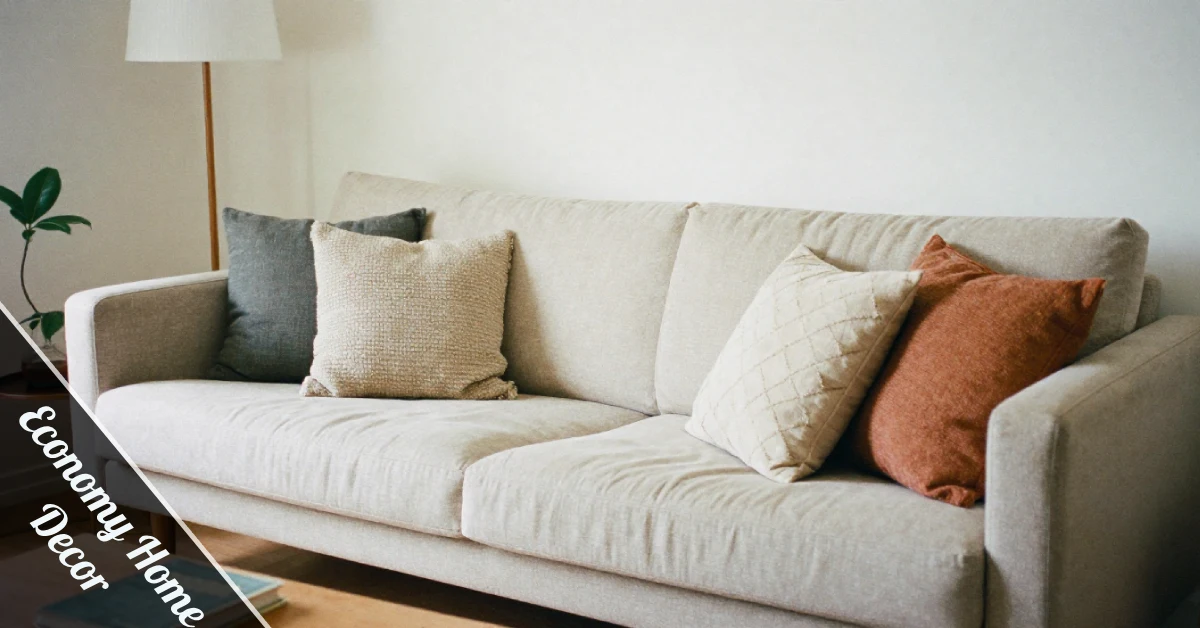
The living room is where you unwind, binge-watch shows, and pretend to read that book on your coffee table. It deserves attention without requiring a second mortgage. Pull your sofa away from the wall first—yes, really. This creates depth and makes the space feel intentional. Angle a chair, create a conversation zone, and watch your room transform into something that feels designed. Throw pillows are your secret weapon. Swap out covers seasonally for an instant refresh without buying new furniture. Mix textures like linen, velvet, and knit, then layer patterns—pair a large floral with a small geometric for that designer look. You can find budget-friendly options on Amazon, with many sold in pairs for under twenty dollars, making this one of the cheapest ways to transform your space.
Statement walls don’t require wallpaper budgets. Use washi tape to create geometric designs or paint a single accent arch behind your furniture. Both options are renter-friendly and cost almost nothing. Layer your lighting next—overhead lights can feel harsh, so add floor lamps for ambiance and table lamps for reading. Thrift stores are goldmines for unique fixtures you can spray paint and pair with new shades.
Bedroom Retreat: Your Sleep Space Matters
Your bedroom should be a sanctuary, not an afterthought. Start with a DIY headboard if you don’t have one. Upholster plywood with batting and fabric, or hang a large tapestry behind your bed. It anchors the room visually and costs a fraction of what furniture stores charge for similar pieces.
Bedding doesn’t need to drain your wallet. Invest in one quality duvet cover and nice pillowcases, then use cheaper, solid-colored sheets underneath. Layer with a chunky knit throw for texture—nobody knows what’s under that top layer. Nightstands can be creative too: stack vintage books, repurpose painted crates, or use small stools you found at estate sales.
Under-bed storage is a game-changer for small spaces. Rolling bins or vintage suitcases keep off-season clothing organized while freeing up closet space. This reduces visual clutter and makes your room feel more spacious. Simple changes like these prove that economy home decor works in any room, regardless of square footage.
Kitchen Updates That Don’t Require Renovation
Your kitchen can look expensive with minimal investment. Swapping cabinet hardware is the number one trick for upcycling furniture and cabinetry. Replace dated knobs with modern handles for just a few dollars per piece. This small change completely transforms the look of your kitchen without touching power tools.
Consider open shelving if you’re feeling adventurous. Removing a few cabinet doors creates display space for nice dishes or vintage cookbooks. It makes the space feel larger and more personal. If you own your home, a new modern faucet is a relatively inexpensive upgrade that feels incredibly luxurious every time you use it.
Thrifted dishware beats matching sets every time. Hunt for unique plates, bowls, and mugs at secondhand shops. Mix complementary patterns and colors for a character your friends will envy. This approach to economy home decor creates personality while keeping costs low, turning your kitchen into a curated collection rather than a catalog copy.
Smart Shopping: Where Budget Hunters Win
Knowing where to shop is half the battle. Thrift stores and estate sales are seeing major interest in solid wood furniture, mid-century modern pieces, and sculptural designs from the 1950s through 1970s. Look past ugly finishes to see potential. That dated dresser could become a statement piece with fresh paint and new hardware.
Facebook Marketplace and Craigslist remain goldmines for local finds. People constantly move and sell quality items for fractions of their original cost. Be patient, check regularly, and jump on good deals quickly. Dollar stores deserve respect, too—grab vases, baskets, and organizational bins there. A simple glass vase filled with grocery store flowers looks just as stylish as expensive boutique versions.
Nature provides free decor if you’re willing to look. Forage for interesting branches, dried grasses, or smooth stones. A large branch leaning in a corner becomesa natural sculpture. This approach to economy home decor costs nothing and brings organic texture indoors.
DIY Projects That Actually Look Professional
Paint transforms everything. That wood-grain laminate dresser sitting in your garage? Sand it lightly, prime it, paint it bold or neutral, then swap the hardware. You’ve created a custom piece for under fifty bucks. You can even paint rugs—use stencils and outdoor-rated floor paint on plain jute or sisal for custom patterns that always get attention.
Wall art doesn’t require expensive prints. Stretch beautiful fabric or leftover wallpaper samples over canvas frames for instant custom art. Create gallery walls using thrifted frames, spray-painted the same color. Fill them with your photos, vintage postcards, or pages from beautiful old books. This curated approach feels intentional and personal.
Textile projects don’t always need sewing machines. Use fabric glue or iron-on hem tape for simple envelope-style pillow covers. Fabric dye revives faded rugs, boring beige curtains, or stained tablecloths. Transform them into rich new colors that match your current scheme. These simple projects prove that economy home decor doesn’t require advanced skills or expensive tools.
Color Schemes That Maximize Your Budget
Neutral tones are your foundation. Beige, gray, and soft whites create timeless backdrops that let furniture and accessories shine. They provide cohesive, beautiful appearances without constant updates. Use brighter accents through cheaper textiles, artwork, or decorative items rather than structural changes. This strategy lets you refresh your space seasonally without repainting walls.
Layout matters as much as color. Maximize space utilization and flow when arranging furniture. Economical home decor becomes especially important in apartments or tiny houses where every piece must serve a purpose. Furniture should contribute to the overall appearance while remaining functional. Strategic placement makes rooms feel larger and more intentional without spending extra money.
Making It Last Without Constant Investment
Maintenance extends the life of your budget finds. Routine cleaning preserves furniture and textiles, preventing expensive replacements. Address minor scratches or stains immediately before they become bigger problems. Minimalist thinking helps too—carefully select objects and minimize clutter to keep spaces beautiful and functional without high ongoing costs.
Plan purchases instead of impulse buying. Focus on high-impact products that genuinely transform your environment. Track sales online, comparison shop, and embrace DIY projects to save more. The mix of cheap decor and clever planning gives budget-conscious homeowners the luxurious feel they’re after. This strategic approach to home decor creates lasting satisfaction.
Your home should reflect your personality, not your bank account. Economy home decor proves you can create comfortable, stylish spaces through smart choices and creative thinking. Start with one small project—maybe painting that thrifted lamp or rearranging your living room. Build from there, curating pieces over time that tell your story. The best spaces aren’t the most expensive ones. They’re the ones where every item has meaning and purpose. Now go make your space yours.


