

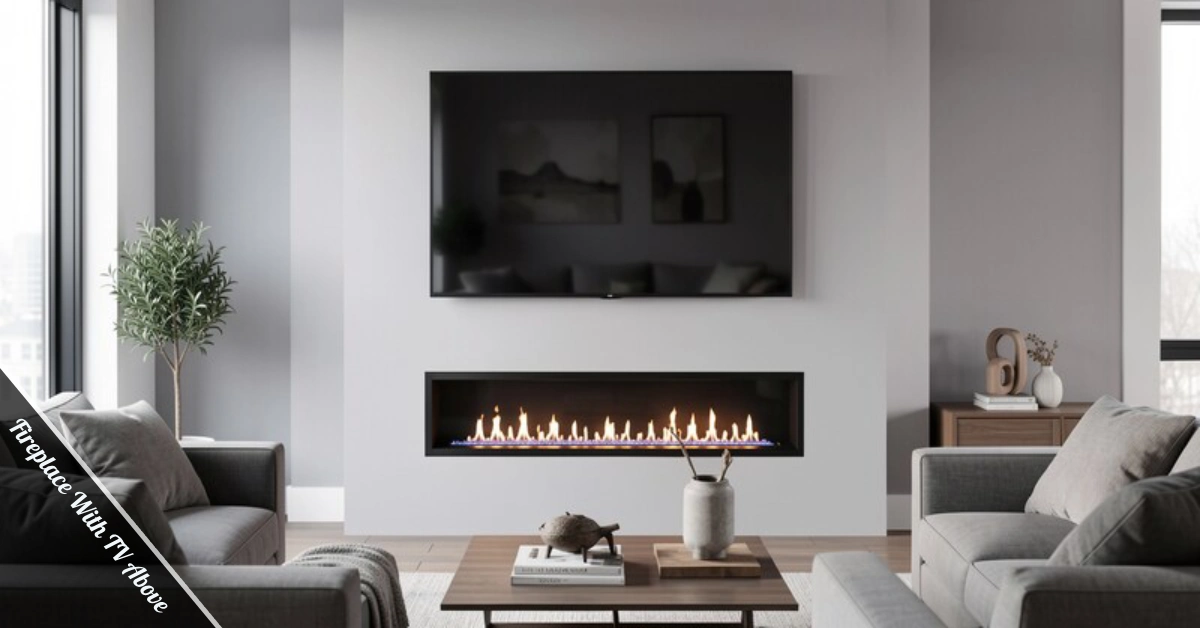
Mounting a TV above your fireplace creates a dual focal point that saves floor space and modernizes your living room. You can safely install a TV above most fireplaces if you maintain proper clearance (6-12 inches minimum), keep wall temperatures below 100°F, and use a tilting mount to prevent neck strain.
Electric fireplaces offer the safest option, while gas and wood-burning units require heat shields and careful planning.
Can You Really Mount a TV Above a Fireplace?
You’ve probably seen countless living rooms where the TV sits proudly above the fireplace. Maybe you’ve wondered if this setup damages electronics or causes neck pain. The short answer: yes, you can mount a TV above a fireplace, but only when you follow specific safety rules.
Most modern fireplaces work fine with a TV overhead. Electric models produce minimal heat—usually under 5,000 BTUs—making them the safest choice. Gas fireplaces generate moderate warmth, while wood-burning units create intense heat that requires extra protection.
The real question isn’t whether you can do it, but whether you should. Your decision depends on fireplace type, room layout, viewing habits, and willingness to invest in proper mounting equipment.
Why This Setup Works (When Done Right)
Combining your fireplace and TV solves several design challenges at once.
Space efficiency: Wall-mounting frees up floor space for seating, storage, or foot traffic. Smaller living rooms benefit most from this vertical arrangement.
Visual balance: Two major focal points compete for attention when placed separately. Stacking them creates one cohesive design element.
Modern aesthetic: The clean lines of a wall-mounted TV complement contemporary fireplace designs, especially linear electric models.
Cable management: Running wires through the wall during installation eliminates visible cords and creates a polished finish.
Your room layout often dictates this choice. Homes with limited wall space or open floor plans find this configuration almost necessary rather than optional.
Heat: The Biggest Safety Concern
Heat damages electronic components. Period. Your TV’s delicate circuitry can’t handle prolonged exposure to high temperatures.
Extended exposure to high heat can potentially cause dead pixels and melted components in televisions. Most manufacturers void warranties if heat damage occurs, even within the coverage period.
The 100-degree test: Before mounting, tape a thermometer where your TV will hang. Run your fireplace for several hours. If the wall temperature is 100 degrees Fahrenheit or more, this area is too hot for the TV.
Different fireplace types produce varying heat levels:
- Electric: 4,000-5,000 BTUs, lowest risk
- Gas: Moderate heat output, requires planning
- Wood-burning: Highest heat, needs serious protection
Most experts recommend at least 3-6 feet of separation between a wood-burning fireplace and a TV. For above-mantel installations, maintain a minimum clearance of 8-12 inches between the fireplace top and TV bottom.
Mounting Height and Viewing Angles
Placing your TV too high creates genuine neck strain. You know that stiff feeling after sitting in the front row of a movie theater? Same problem here.
The ideal mounting height for a TV should be around 42 inches measured from the ground to the center of the screen. This measurement assumes standard sofa height and average eye level when seated.
Fireplaces force compromise on this rule. The mantel pushes TVs higher than ideal. Combat this with smart mounting solutions:
Tilting mounts angle the screen downward, reducing neck strain when the TV sits above eye level. Full-motion mounts offer even more flexibility but cost more and require stronger wall anchors.
Pull-down mounts solve the height problem entirely. Lower your TV to eye level when watching, then raise it back up when done. These work brilliantly above fireplaces but add $200-500 to installation costs.
Measure your actual eye level while seated in your usual spot. If your TV center sits more than 10-15 degrees above this line, you need a tilting or pull-down mount.
Design Styles That Work Best
Your fireplace and TV combination should look intentional, not accidental. Here’s how different design approaches handle this setup.
Modern Minimalist
Linear electric fireplaces pair perfectly with flat-screen TVs. These units sit low and wide, keeping your TV at a reasonable viewing height. The clean horizontal lines create visual flow rather than competition.
Mount everything flush to the wall. Hide cables inside. Keep decorative elements minimal. The fireplace and TV become one integrated feature.
Traditional With Mantels
Wood mantels create a natural separation between the flame and screen. They also deflect rising heat away from electronics.
Choose mantel depth carefully. Deeper mantels (8-12 inches) provide better heat protection but can create shadows if you mount artwork or decorative items. Shallower mantels (4-6 inches) look sleeker but offer less thermal barrier.
The TV should be roughly ⅔ to ⅞ the width of your mantel for proper proportions. Too small looks awkward, too large overpowers the fireplace.
Built-In Cabinetry
Flanking shelves or cabinets create visual weight that balances the TV-fireplace stack. They also provide storage for media components, keeping them away from heat.
Custom built-ins cost more—expect $2,000-8,000 depending on materials and complexity. The payoff: a magazine-worthy wall that solves multiple problems at once.
Recessed niches let your TV sit flush with surrounding cabinetry. This approach works especially well for modern spaces where you want minimal visual interruption.
Media Wall Approach
Full-wall treatments transform your entire fireplace wall into one design statement. Think floor-to-ceiling materials—stone, wood panels, or textured tiles—that unify the fireplace and TV.
This method requires serious planning but delivers professional results. The fireplace becomes one element in a larger composition rather than a standalone feature fighting for attention.
Fireplace Types and Compatibility
Not all fireplaces handle TV mounting equally. Understanding these differences prevents expensive mistakes.
Electric Fireplaces
Your safest bet. Most electric units can heat an area to 400 square feet, although some have a heat output that can handle larger areas up to 1,000 square feet.
Look for models with front or bottom heat vents. Top-venting units direct warm air toward your TV—exactly what you want to avoid. Many manufacturers now design electric fireplaces specifically for TV installation, with built-in mounting points and strategic vent placement.
Wall-mounted linear models work best for TV pairing. They provide a wide visual presence without pushing screens too high.
Gas Fireplaces
You can mount a TV above a gas fireplace, but it’s important to do it safely. Gas fireplaces produce heat, which can damage a TV if not managed properly.
Maintain 12-24 inches between the fireplace top and the TV bottom. Install a mantel or heat shield—this isn’t optional with gas units. Check your fireplace manual for specific clearance requirements, as different models vary significantly.
Vent configuration matters. Direct-vent models send heat outside through exterior walls, reducing upward heat transfer. Vent-free units release more heat into the room, requiring extra precautions.
Wood-Burning Fireplaces
The most challenging option. Wood fires generate intense heat and produce soot that can settle on your screen.
If this is a masonry wood-burning fireplace, we would not recommend installing a TV on the stone. The stone “structure” will heat up when you build a fire.
If you must install a TV above a wood-burning fireplace:
- Install a deep mantel (10-12 inches minimum)
- Leave 18-24 inches of clearance
- Use heat-resistant mounting hardware
- Run the thermometer test multiple times
- Consider a heat shield behind the TV mounting area
Many designers suggest avoiding this combination entirely. The risks often outweigh the benefits.
Installation Requirements and Steps
Professional installation costs $200-800, depending on complexity, local rates, and wall type. DIY saves money but carries real risks—especially with masonry walls or heat concerns.
Wall Preparation
Locate studs: TVs need secure anchor points. Use a quality stud finder to locate wall framing. Drywall anchors alone won’t support a 50+ pound TV safely.
Masonry walls: Brick or stone require masonry bits and proper anchors. Full-motion wall mounts can be risky, especially when attached to a brick or stone veneer, as the strain on the facing can lead to structural issues.
Cable routing: Plan wire paths before drilling mounting holes. In-wall cable kits keep everything code-compliant and hidden. Power cables must use in-wall rated wiring—regular extension cords inside walls violate electrical codes and create fire hazards.
Mounting Hardware Selection
Fixed mounts hold TVs flat against walls. They cost less ($25-75) and work well when your TV sits at the perfect height. No adjustment means no flexibility if something feels wrong.
Tilting mounts angle screens downward 5-15 degrees. This small adjustment makes a huge difference for above-fireplace installations. Expect to pay $50-150.
Full-motion mounts swing, tilt, and extend from walls. They solve viewing angle problems, but add weight and stress to mounting points. Budget $100-300 for quality units rated for your TV size.
Match the mount’s weight capacity to your TV. A 65-inch TV weighs 40-70 pounds, depending on the model. Add 20% safety margin when selecting mounts.
Heat Protection Measures
Install heat shields or deflectors between the fireplace and TV mounting area. These redirect rising warm air away from electronics.
Installing heat shields, mantels, or barriers around the fireplace can prevent excessive heat from damaging walls, furniture, or decor.
Recessed alcoves work brilliantly for heat management. Setting your TV back into the wall creates an air gap that prevents direct heat exposure.
Some installers build framed boxes above fireplaces specifically for TVs. These structures provide a mounting surface, a heat barrier, and cable routing all in one system.
Common Mistakes to Avoid
Mounting too high: The most frequent error. Measure twice, drill once. Use painter’s tape to mock up the TV position before committing.
Ignoring manufacturer clearances: Every fireplace manual specifies minimum distances for combustibles. Your TV qualifies as a heat-sensitive item. Read the manual, follow the specs.
Using wrong fasteners: Toggle bolts, drywall anchors, and plastic inserts fail with heavier TVs. Lag bolts into solid wood studs provide only acceptable support for most installations.
Forgetting about glare: Windows, skylights, and room lighting create screen reflections. Test your viewing position at different times of day before finalizing placement.
Blocking fireplace vents: Some mantels or TV configurations block critical airflow. This reduces heating efficiency and can trigger safety shutoffs on gas units.
DIY complex installs: Stone walls, large TVs (75+ inches), or wood-burning fireplaces need professional expertise. The $500 you save could cost thousands in damage.
Alternative Solutions
Maybe the above-fireplace setup doesn’t work for your space. Consider these options:
Side-by-side arrangement: Place your fireplace and TV on the same wall but separated horizontally. This works in rooms wider than 12 feet and eliminates all heat concerns.
Separate walls: Position your fireplace on one wall, TV on another. Room layout permitting, this gives each element a prime viewing position without compromise.
TV cabinets with built-in fireplaces: Freestanding units combine both features at proper viewing heights. These cost $800-3,000 but require zero installation and solve the heat problem completely.
Projector screens: Mount a retractable screen above your fireplace. Lower it for viewing, raise it to showcase your fireplace when not watching TV. This approach works best in dedicated media rooms with controlled lighting.
Recessed TV lifts: Motorized lifts hide TVs inside cabinetry or behind panels. Press a button, and your screen rises into view. These luxury solutions start around $2,000 but deliver the ultimate clean aesthetic.
Styling Your Fireplace-TV Wall
Once the technical aspects work, make your setup look intentional rather than accidental.
Symmetry matters: Balance is key. If you add shelving on one side of your fireplace, mirror it on the other. Asymmetrical designs can work, but require a trained designer’s eye.
Scale objects appropriately: When styling a mantle or beam, you can lean into any architectural or characterful details of the property and mirror this through your choice of accessories. Oversized vases or artwork compete with your TV. Keep decorative items modest.
Color coordination: Black TVs show up harshly against white walls or light stone. Consider painting the TV wall a darker color or using dark-stained wood treatments to minimize visual impact.
Seasonal rotation: Change mantel decorations with seasons or holidays. This keeps the space feeling fresh without a major redesign.
LED backlighting: Mounting LED strips behind your TV creates a soft glow that reduces eye strain and adds a modern touch. Choose warm white (2700-3000K) to complement the fireplace ambiance.
How Much Does This Cost?
Budget varies widely based on choices and existing conditions.
Basic electric fireplace + TV mount: $800-2,000
- Entry-level electric fireplace: $300-800
- Quality tilting mount: $75-150
- Professional installation: $200-400
- Cable concealment kit: $50-150
Mid-range gas fireplace setup: $3,000-7,000
- Gas fireplace insert: $2,000-4,000
- Heat shield and mantel: $500-1,500
- Premium full-motion mount: $150-300
- Professional installation: $500-1,200
High-end custom built-in: $8,000-25,000
- Custom cabinetry: $4,000-12,000
- Premium fireplace: $3,000-8,000
- Advanced mounting system: $300-800
- Professional design and installation: $2,000-5,000
Add 20% to any estimate for unexpected issues—unusual wall construction, code compliance requirements, or necessary electrical work.
Maintenance and Long-Term Care
Your setup needs ongoing attention to stay safe and functional.
Monthly checks: Verify mounting hardware hasn’t loosened. Wall anchors can work freely over time, especially with full-motion mounts. Tighten any loose bolts immediately.
Clean regularly: Dust accumulates around heat sources. Wipe down your TV and fireplace surround monthly. Use microfiber cloths on screens to prevent scratches.
Monitor wall temperature: Run periodic thermometer tests, especially after changing fireplace usage patterns. Winter heating might affect temperatures differently from occasional autumn fires.
Inspect cables: Heat ages electrical components faster than normal. Check power cords and HDMI cables annually for brittleness, discoloration, or damage.
Professional servicing: Have your fireplace professionally cleaned and inspected annually. Gas units need safety checks, and electric units need electrical connections verified.
Final Thoughts
Mounting a TV above your fireplace can work beautifully when you respect physics and plan carefully. The key: understand your fireplace type, maintain proper clearances, choose appropriate mounting hardware, and test temperatures before committing.
Electric fireplaces give you the easiest path forward. Gas units require more planning but remain viable with proper precautions. Wood-burning fireplaces present the biggest challenges—carefully weigh whether the aesthetic payoff justifies the risks and costs.
Your TV should enhance your living space, not create maintenance headaches or viewing discomfort. Take time to measure properly, invest in quality mounting equipment, and don’t hesitate to hire professionals when installation exceeds your skill level.
The combination works best when it looks intentional. Balance proportions, hide wires, protect electronics from heat, and position screens at comfortable viewing heights. Follow these principles, and you’ll create a focal point that serves your household for years.
FAQs
Can heat from a fireplace damage my TV permanently?
Yes. Temperatures above 100°F can cause dead pixels, internal component failure, and shortened lifespan. Most TV manufacturers void warranties if heat damage occurs, even during warranty periods. Always test wall temperatures before mounting and maintain recommended clearances.
What’s the minimum safe distance between the fireplace and TV?
Electric fireplaces: 6-8 inches minimum. Gas fireplaces: 12-18 inches recommended. Wood-burning fireplaces: 18-24 inches or more. Always consult your fireplace manufacturer’s specifications, as requirements vary by model and heat output.
Do I need special mounting equipment for the above-fireplace installation?
Yes. Standard fixed mounts often position TVs too high for comfortable viewing. Tilting mounts ($50-150) or pull-down mounts ($200-500) improve viewing angles significantly. For wood-burning fireplaces, consider heat-resistant mounting hardware and backing materials.
Will mounting a TV above my fireplace cause neck strain?
Potentially, yes. TVs mounted more than 10-15 degrees above seated eye level create discomfort during extended viewing. Use tilting or adjustable mounts to angle screens downward. For permanent installations above tall mantels, pull-down mounts provide the best solution despite the higher cost.
Can I install a TV above a wood-burning fireplace safely?
Technically, yes, but most experts advise against it. Wood fires produce intense heat and soot that threaten electronics. If you proceed, install a substantial mantel (10+ inches deep), maintain 18-24 inches clearance, use heat shields, and run regular temperature tests. Professional installation strongly recommended.


