

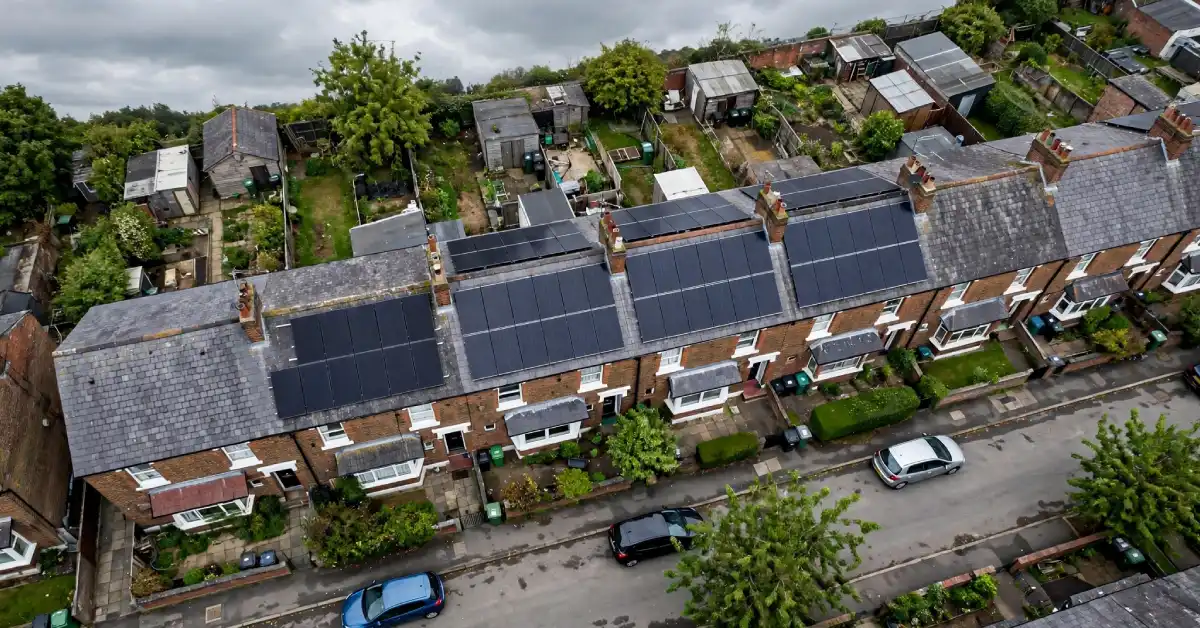
More UK homes are installing solar panels than at any point in the last decade. Official figures show record numbers of rooftop systems going in across the country. If you are weighing up a system, you face three big choices: which installer to trust, what to check in the quote, and how you will earn money from the electricity you do not use.
This guide walks through each choice. It also shows what to verify in any HMS Photovoltaic offer so you can compare it fairly with other installers.
Why Home Solar Demand Is Rising Across the UK
Demand has grown quickly. The Microgeneration Certification Scheme (MCS) recorded 267,032 certified rooftop solar installations in 2025. MCS says that figure beat the previous record, set in 2011, by 31%. Interest is also spreading beyond big cities. Analysis of MCS data shows that Wales, Scotland and rural areas feature heavily among the places where the highest share of homes now have a certified system.
The national picture matches the trend. Government statistics show the UK had 18GW of operational solar capacity by the end of February 2025. Domestic systems make up most installations by number. They account for about 30% of total capacity, which means each home system is small, but the volume adds up fast.
What a Home Solar Installation Involves
Most projects follow the same basic path. Knowing the steps helps you ask better questions at each stage.
- A site survey checks your roof direction, pitch, shading and structural condition. A good installer will note trees, chimneys and neighbouring buildings that could block sunlight.
- A system design sizes the panels and inverter to your electricity use. Ask for the design to be based on your own meter readings, not a generic household estimate.
- The installation covers mounting, wiring and connection to your consumer unit. Your installer should explain how the system connects to your existing supply.
- Testing and certification confirm the system meets safety and performance standards. Ask for the commissioning certificate and copies of all registration paperwork.
- Export and metering setup links the system to your energy supplier. This step determines whether you can earn payments for electricity you send to the grid.
Choosing an HMS Photovoltaic Installer in the UK
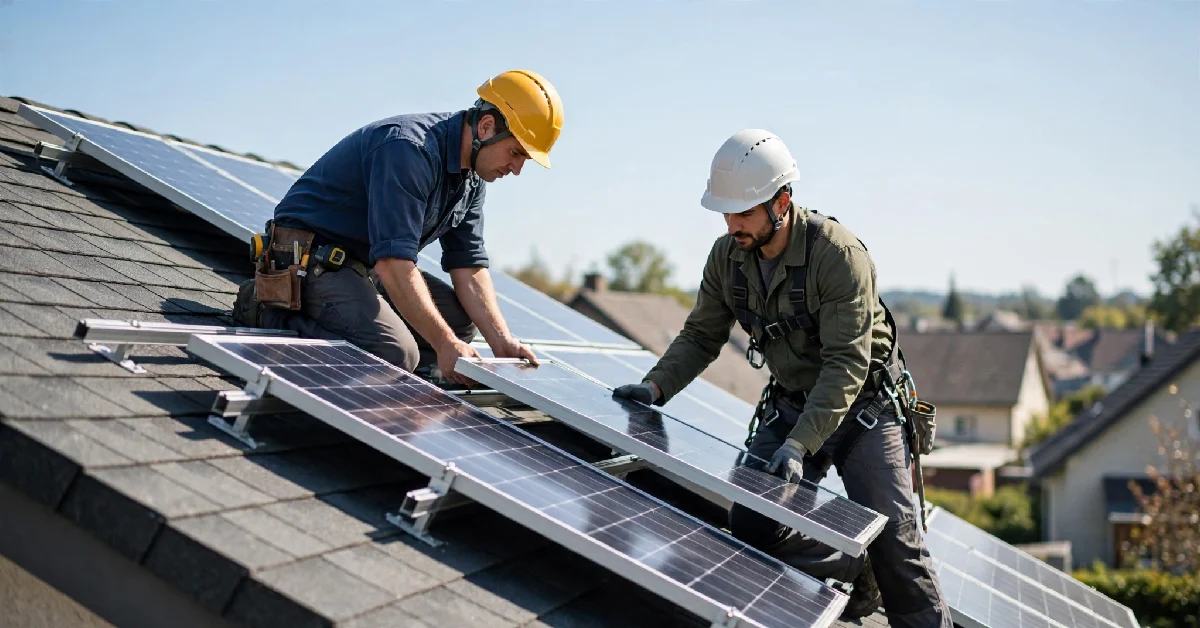
Start with certification. MCS certifies both products and installers.PV Magazine’s reporting on MCS data notes that using an MCS-certified installer is the only way most households can guarantee access to the Smart Export Guarantee export tariff. Check the installer’s certificate number on the MCS directory before you agree to anything.
Next, request a written quote that lists every component. A proper quote names the panel model, inverter model, battery model if included, mounting system and expected annual output. Vague line items such as “solar system, 4kW” make it hard to compare offers.
When you review an HMS Photovoltaic quote, confirm three points. First, check the product warranty length for panels and inverters. Second, check the workmanship warranty and who handles claims if a fault appears. Third, ask for references from recent local installations and confirm the installer holds public liability insurance.
Costs, Incentives and Export Payments
Solar costs have two sides: the upfront price and the savings it produces. The upfront price depends on system size, roof complexity and whether you add battery storage. Savings depend on how much of the electricity you use while the sun is shining, and on the export payments your supplier offers.
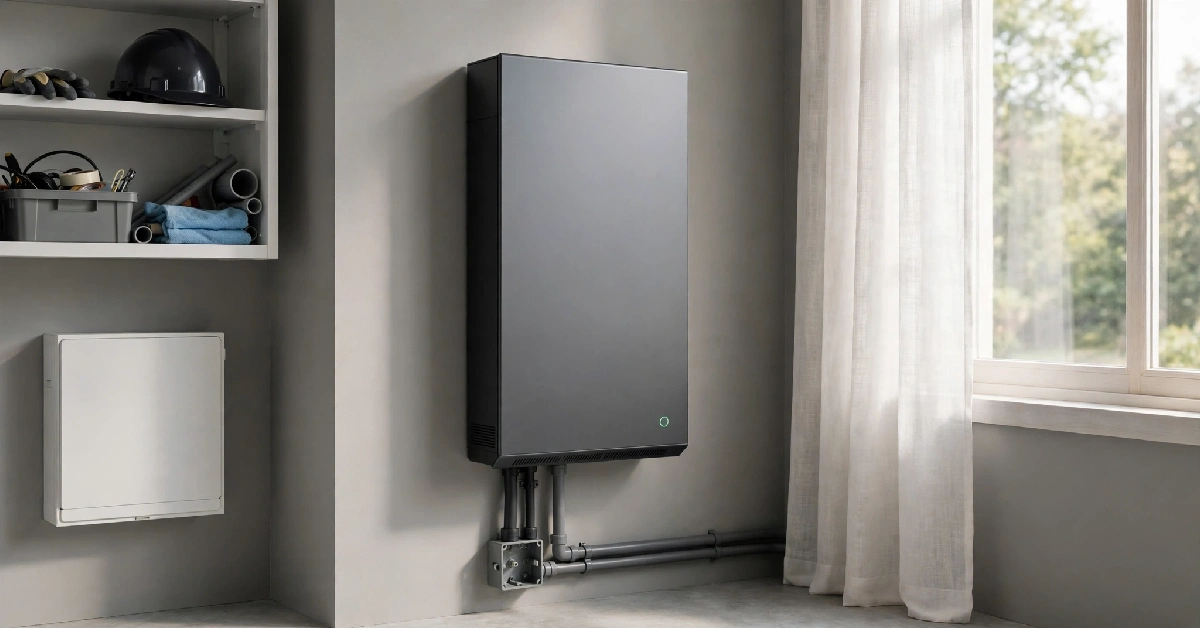
Battery storage has grown fast alongside panels. MCS recorded more than 40,000 certified battery installations in 2025, almost double the previous record. Batteries help most in homes where people use power in the evening, after panels have stopped generating. A battery adds cost, so ask your installer to model savings with and without one.
Export payments also vary. Suppliers set their own Smart Export Guarantee rates, and those rates change. Compare tariffs from several suppliers before you choose one, and read the terms on how exported electricity is measured.
Common Mistakes to Avoid With Home Solar
Several errors appear again and again in homeowner complaints and installer reports. You can avoid most of them with a little preparation.
- Skipping the shading check. Even partial shade on a few panels can reduce output across a string of connected panels.
- Accepting a quote without model names. Without them, you cannot check the warranty or compare the product with others.
- Sizing the system from a sales estimate alone. Use your own annual electricity figures from your bills or smart meter.
- Ignoring export terms. A high export rate means little if the supplier pays it only on a small share of exported power.
Is HMS Photovoltaic Worth It for UK Homes?
Whether a system pays off depends on your roof, your household habits and the terms you agree. Systems tend to suit roofs with a good southerly or westerly aspect and little shading. They also suit homes where someone is present during daylight hours, because that usage draws power directly from the panels.
Build your own comparison before you commit. Request quotes from at least three MCS-certified installers. If HMS Photovoltaic covers your area, include it in that list. Compare the same system size, the same warranty terms and the same export arrangements. A fair comparison shows which offer gives you the best return, not which one sounds most confident.
Final Thoughts
Home solar suits many UK households, but the right choice depends on your roof and your usage. Start with certification, insist on a detailed quote and compare export terms from several suppliers. Those three steps prevent most costly surprises.
FAQs
Do I need planning permission for solar panels on my house?
Many rooftop installations on houses fall under permitted development rights in England. Check with your local planning authority first, especially if your home is listed or sits in a conservation area.
How do I confirm an installer is certified?
Search the MCS installer directory using the company name or certificate number. Certification is free to check and takes only a few minutes.
Is a battery always worth adding?
No. A battery helps most when your household uses a lot of power in the evening. Ask your installer to model savings both with and without one before you decide.