

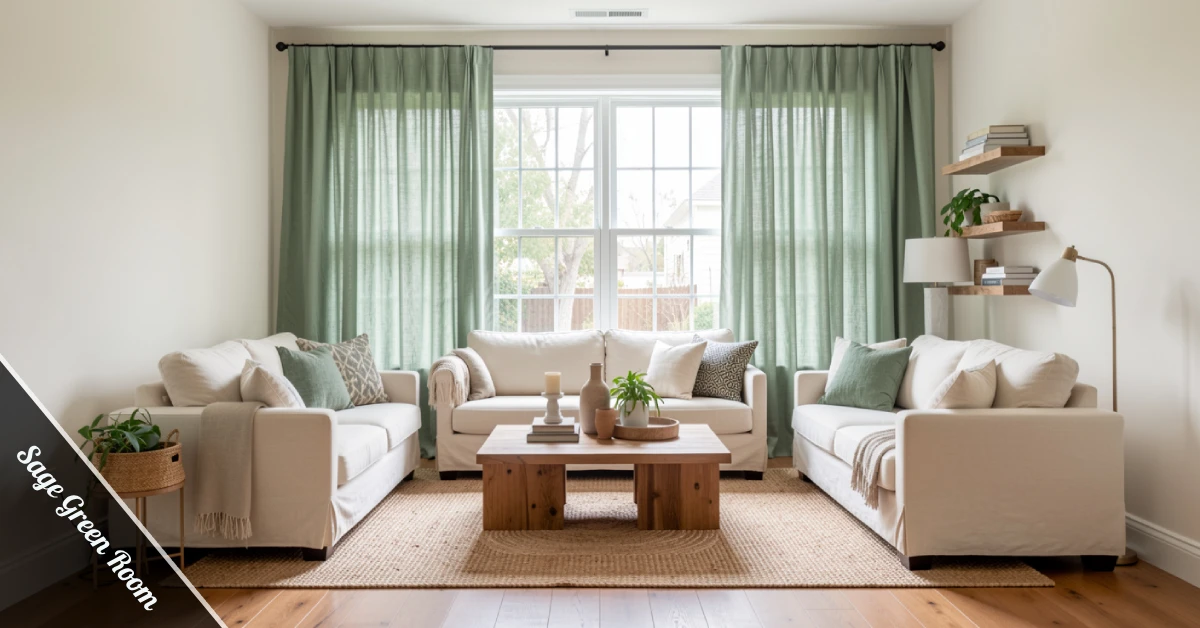
Sage green room ideas work because the color sits right in that rare middle ground—it’s not demanding, not invisible, and not locked to one decade. Sage has warm, muted undertones that shift with your lighting and hold up next to nearly any palette you already own. Whether you’re working with a rented apartment, an older home, or a space you’re redoing from scratch, this color fits without forcing you to rebuild everything around it.
The key is knowing where to start. Picking the wrong shade or pairing it with the wrong textures turns a calm idea into something flat or off. This guide walks you through the decisions that actually matter—shade selection, room-by-room ideas, budget-friendly ways in, and why this color works long-term for your well-being, not just your feed.
Why Sage Green Feels Different from Other Neutrals
Most people reach for white or gray when they want a calm room. Sage green does something both colors miss: it adds warmth without weight. It reads as grounded, almost like the room has always looked this way.
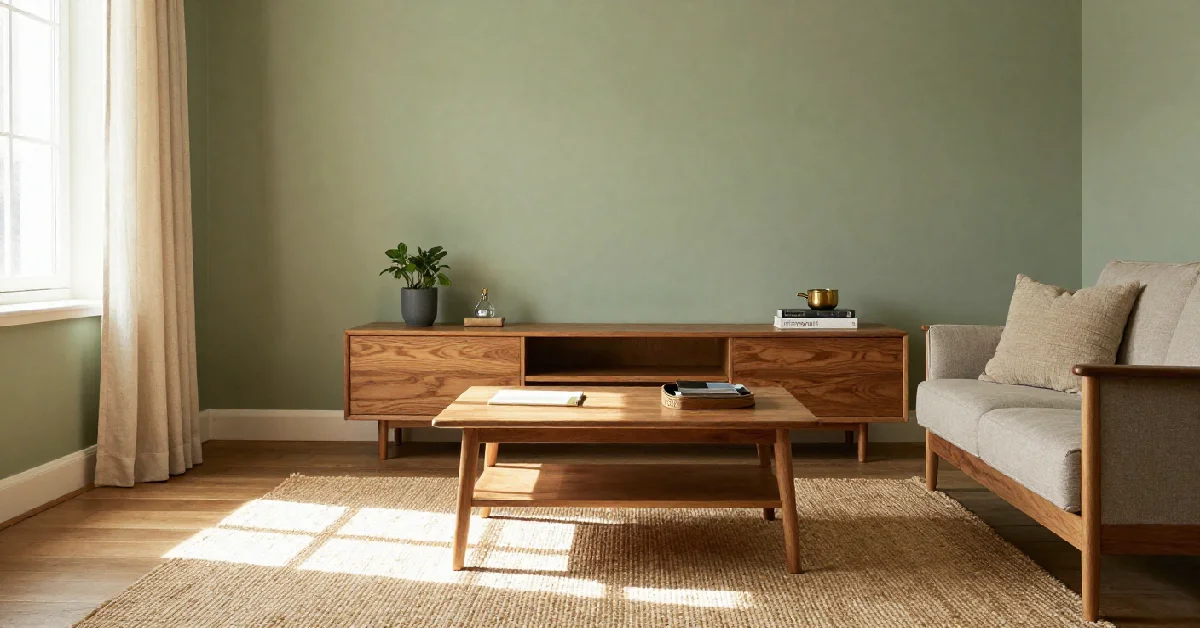
What makes sage green paint colors work in so many rooms is the undertone range. Some shades lean gray and cool—good for north-facing rooms that already feel warm. Others lean yellow or olive, which suits spaces with cold, flat light. Before you buy a can, hold the sample chip next to your biggest furniture piece and your floor. If those lean warm (honey wood, cream upholstery, tan tile), a cool-gray sage will fight them. If your room already runs cool and modern, a warmer sage will balance it out.
Sage also ties directly into biophilic design—the idea that surrounding yourself with nature-inspired tones lowers stress and supports better rest. Studies in environmental psychology have pointed to green hues as calming for the nervous system. That’s not marketing. It’s why hospitals use muted greens and why you sleep better in a space that doesn’t feel like a screen.
Sage Green Living Room Ideas That Don’t Look Staged
A sage green living room works best when it doesn’t try too hard. The most common mistake is buying all-new furniture to “match.” You don’t need to. Sage plays well with what you already own.
If your sofa is a neutral gray or beige, sage walls immediately make the room feel more intentional. Add in warm wood—a coffee table, a bookshelf, a side table—and the space grounds itself without any extra effort. For rooms that get strong afternoon light, try a cooler sage so the walls don’t go yellow-orange in direct sun.
Want more energy without losing the calm? Pair sage with a deep charcoal accent wall or dark navy throw pillows. The contrast keeps things from feeling washed out while staying in the same cool, muted family. If you’re not ready to paint, sage green decor accents—curtains, a large area rug, or even a linen slipcover—read clearly in a room without committing to a color on the walls.
Sage Green Bedroom Ideas for Real Rest
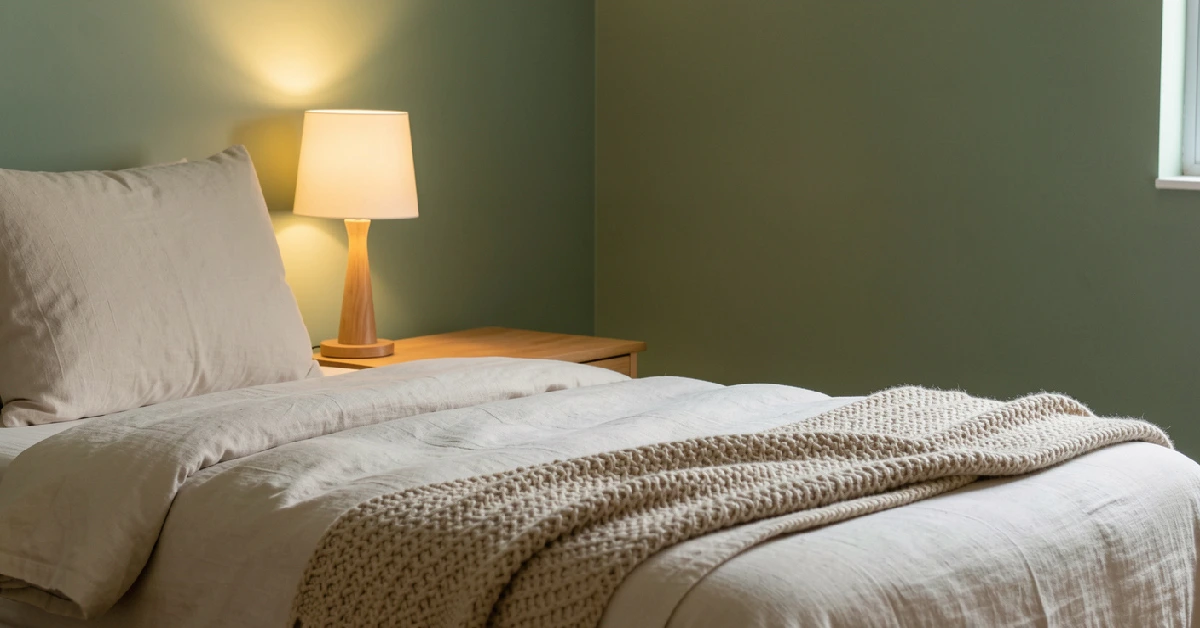
The sage green bedroom trend isn’t just aesthetic. A cooler, nature-adjacent tone on the walls genuinely shifts how alert your brain feels when it enters the room. That matters most at night.
For a bedroom that actually helps you wind down, start with the walls if you can paint. A mid-tone sage with a slight gray lean is the most forgiving choice—it looks soft in the morning and warm under lamp light at night. Pair it with white or off-white bedding, then layer in texture through pillows, a woven throw, or a jute rug. The texture is what keeps it from looking blank.
Not a painter? This is one of the easiest rooms to swap into sage green without tools. A sage duvet cover or two sage velvet pillow covers shifts the mood noticeably. Test a $20–30 pillow set before spending more. If the color works with your existing walls and furniture, you’ll know immediately.
One thing worth knowing: sage green bedding tends to photograph darker than it looks in person. Always check fabric swatches in your actual bedroom lighting before ordering online.
How to Use Sage Green in a Small Room Without Making It Dark
Small rooms and sage green can absolutely work together—the shade choice is everything. A lighter sage, sometimes called “soft sage” or “pale sage,” keeps the walls from closing in. Avoid anything that reads more olive or army at the paint store, as those shades absorb light rather than reflecting it.
In a small room, pair sage walls with light-colored flooring and white or warm-cream trim. That trim color matters more than most people realize. Bright white trim against sage can feel stark and modern. Cream or linen-toned trim softens the whole space. If you want the room to feel larger, paint the ceiling a shade lighter than the walls rather than stark white.
For a small bathroom or office that feels a bit cave-like, try sage on a single wall only—usually the one you face most often. That one note of color gives the room an identity without pulling everything in.
Colors That Go With Sage Green (And a Few That Don’t)
Colors that go with sage green fall into two broad groups: warm earth tones and cooler, muted tones. Both work, but they create different moods.
Warm earthy pairings—rust, terracotta, camel, warm wood stains, honey-toned rattan—make a sage room feel cozy and grounded. These combinations work especially well in living rooms and bedrooms where you want a settled, lived-in feeling.
Cooler pairings—cream, white, soft blush, dusty navy—push sage toward something cleaner and more modern. These work well in kitchens, bathrooms, and home offices.
What doesn’t work as well: saturated warm oranges and most neons will fight sage rather than support it. Bright fire-engine red is a specific clash. Anything that shouts visually will cancel out the quiet that the sage is trying to create.
Over time, these pairings shift naturally as you add or replace pieces. Sage is one of the few colors that doesn’t make that process awkward. It accepts changes—new art, a different rug, swapped textiles—without making the room feel off.
Budget-Friendly Ways to Try Sage Green First
You don’t have to repaint to test this color in your home. Before spending on paint, furniture, or anything major, start with small, low-risk items.
Thrift stores and secondhand markets regularly stock linen and cotton pieces in sage tones, often for a few dollars. A secondhand throw blanket or a set of mismatched pillow covers can tell you quickly whether sage works with your current walls, floors, and furniture. If it does, invest more. If it feels off, you’ve lost very little.
For a more permanent step that still stays reversible, sage green peel-and-stick wallpaper on a single wall works well in rentals. Removable paint (applied with a roller over a primer base) is another option in spaces where you can’t commit to permanent changes.
If you’re buying paint, eco-friendly low-VOC formulas have improved significantly and now cover just as well as standard options. Brands like Clare, Backdrop, and Benjamin Moore’s Natura line all carry muted sage shades with minimal off-gassing—worth considering if you’re painting a bedroom or a room where a child sleeps.
A Note Before You Start
Sage green is not a fixed color—it shifts with light, changes with the seasons, and reads differently depending on what surrounds it. Sample before you commit. Live with a large swatch on your wall for at least two full days before buying a full can. And if you’re unsure, start with textiles. The room will tell you fairly quickly whether you’re on the right track.
FAQs
What colors pair best with sage green for a balanced look?
Warm neutrals like cream, camel, and warm wood tones pair well for a cozy, grounded feel. If you want something cleaner, soft white, and dusty blush, keep it fresh without competing.
How can I use sage green in a small room without making it feel dark?
Use a lighter sage with gray or white undertones, not olive or deep green. Pair with light trim and pale flooring. If the room is windowless, stick to one accent wall rather than painting all four.
Is sage green a good choice for a calming bedroom setup?
Yes. Muted green tones have a documented calming effect and support rest better than brighter or highly saturated colors. Pair sage walls with layered textures and warm lamp light for the best result.
What’s the easiest way to add sage green to my home without painting?
Swap in sage bedding, throw pillows, or curtains first. These low-cost changes let you see how the color interacts with your existing space before you commit to anything permanent.