

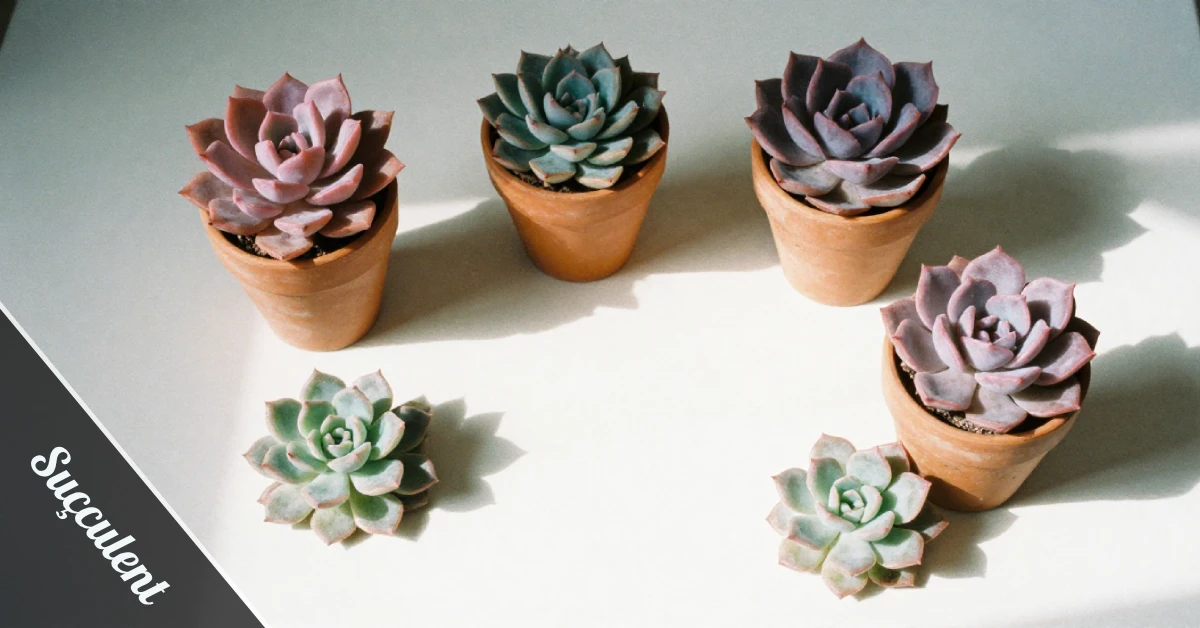
You want greenery in your space, but watering schedules make your head spin? Enter the suçculent—your new low-maintenance plant buddy. These thick-leaved beauties store water like camels, which means they’ll survive your chaotic work weeks and weekend getaways without staging a dramatic death scene.
These plants aren’t demanding. They’re the opposite. While other houseplants need constant attention and perfect conditions, these desert natives actually prefer neglect. It’s like having a roommate who cleans up after themselves and never complains about the thermostat.
The best part? They come in hundreds of varieties with different colors, shapes, and textures. Some fit in your palm, others cascade dramatically from hanging planters. You’re not stuck with one boring green look.
This guide gives you everything: watering tricks that work, light setups that make sense, and propagation hacks. No botanical mumbo-jumbo or corporate speak. Just real talk about keeping these plants alive and multiplying across your windowsills.
Why Suçculents Are Built Differently
These plants evolved in harsh, dry climates where rain shows up less often than your flaky friend. Their fleshy leaves and stems act as water storage tanks. This biological superpower means missing a watering day won’t trigger a plant apocalypse.
Most houseplants throw tantrums when you travel for a week. Your plant? It’s basically doing push-ups, getting stronger through the drought. The thick cuticle on their leaves prevents water loss. It’s nature’s version of moisture-lock technology.
You don’t need a green thumb here. These plants forgive mistakes that would murder a fern. Forgot to water for three weeks? They’re good. Went on vacation? Still thriving.
The One Mistake That Kills Most Suçculents
Here’s the plot twist: overwatering is your plant’s biggest enemy, not drought. Sounds backwards, right? Most plant parents kill their greenery with kindness—specifically, too much water. The shallow root system can’t handle constantly wet soil.
When roots sit in moisture, rot develops fast. It’s a death sentence. Your plant’s roots literally suffocate and decay. The rule? Water less than you think necessary. Way less.
For indoor plants, water only when the soil feels completely dry—usually every two to three weeks. Stick your finger two inches deep into the soil. Feels damp? Wait another week before watering again.
Temperature and seasons matter here. During winter dormancy, reduce watering to once every four to six weeks. Spring and summer? Water every seven to ten days when growth picks up.
Light Requirements Your Suçculent Actually Needs
These plants crave bright light—ideally four to six hours daily. A south or west-facing windowsill works perfectly. Not enough light? Your plant stretches toward the windows, looking pale and weak.
But here’s the catch: sudden, intense sun causes sunburn. Brown or beige patches appear on leaves. If you’re moving a plant from shade to brightness, do it gradually over one to two weeks.
Watch your plant’s behavior. It’ll tell you what’s wrong. Stretching and fading mean insufficient light. Move it closer to that window.
Soil and Container Secrets
Regular potting soil is a plant killer. It holds too much moisture. Instead, grab cactus and suçculent mix from any garden center. Or make your own by mixing equal parts regular soil, perlite, and sand.
Your pot must have drainage holes. Non-negotiable. Terracotta pots work best because the porous clay dries out faster and keeps soil cooler.
Glass containers look Instagram-worthy, but they’re death traps without drainage. Choose function over aesthetics here. Your plant will thank you by actually staying alive instead of becoming compost.
Pro tip: add gravel or small rocks to the bottom of pots for extra drainage insurance. Some growers swear by this method. Empty any water that collects in saucers underneath your pots immediately after watering.
Turn One Plant Into Ten: Propagation Magic
This is where these plants get genuinely cool. wide varieties propagate so easily, you’ll accidentally create new plants. Leaf propagation is almost foolproof—gently remove a healthy leaf from the base and let it sit on well-draining soil.
Wait for it to callous over, then mist occasionally with water. Within one to two weeks, tiny roots and a new rosette develop. It’s like plant cloning but easier.
Stem cuttings work similarly. Cut a healthy two to three-inch stem, let it dry for a day or two, then place it on cactus soil. Don’t bury it—just lay it on top. Mist lightly and wait for roots to emerge from the base naturally.
The callusing period is crucial—skip it and your cutting rots instead of rooting. Patience wins here. Some people find themselves with dozens of baby plants appearing around their collection without even trying to propagate.
Popular Varieties Worth Checking Out
Aloe vera brings tall, spiky leaves with medicinal sap. Nearly impossible to kill. Echeveria creates stunning rosettes in shades of pink, purple, and green—perfect for small spaces and dish gardens.
Jade plants grow slowly but develop thick woody stems that look sculptural over time. They prefer more direct sunlight than most varieties. String of Pearls offers trailing stems covered in bead-like leaves, perfect for hanging planters that soften shelf edges.
For cold climates, Sempervivum varieties survive winters outdoors. They form tight rosettes in deep reds and purples. Each variety brings different visual interest to your collection while maintaining the same low-maintenance DNA.
Common Problems and Quick Fixes
Yellowing, translucent leaves signal overwatering. Let the soil dry completely and reduce watering frequency going forward. Pale, weak growth means insufficient light—move your plant closer to a window immediately.
Pest issues are rare but possible. Mealybugs appear as white fuzzy spots on leaves and stems. Spray them with rubbing alcohol and water using a cotton swab for targeted removal.
Spider mites create fine webs and cause stippled leaves. A strong spray of water from a hose removes them. Root rot is the biggest killer—if leaves feel mushy and smell rotten, it’s likely too late. Prevention through well-draining soil and proper drainage beats any cure.
Watering Schedule That Actually Works
| Season | Indoor Frequency | Outdoor Frequency | Soil Check Method |
|---|---|---|---|
| Winter | Every 4-6 weeks | Minimal to none | Finger test: 2 inches deep |
| Spring | Every 7-10 days | Every 5-7 days | Wait until completely dry |
| Summer | Every 7-10 days | Every 3-5 days | Check after hot days |
| Fall | Every 2-3 weeks | Every 7-10 days | Reduce as temperatures drop |
Use this as a starting point, not gospel. Your specific environment affects watering needs. Humidity, temperature, pot size, and plant variety all play roles. The finger test never lies—trust it over any rigid schedule.
Your Path Forward With Suçculents
Starting this type of collection is one of the smartest moves for new plant parents. You’ll gain confidence watching them thrive with minimal effort. Experiment with propagation and watch new plants grow from single leaves you thought were trash.
You might find yourself hunting rare varieties at nurseries, building dish gardens, or styling entire shelves with cascading arrangements. The beauty of these plants? They demand almost nothing while offering plenty in return—color, texture, and the satisfaction of keeping something alive.
Start with one plant. Master the basics: less water, more light, drainage matters. Watch it thrive. Then grab another. Your collection will grow naturally as your confidence builds and your space transforms into a low-maintenance green sanctuary.