

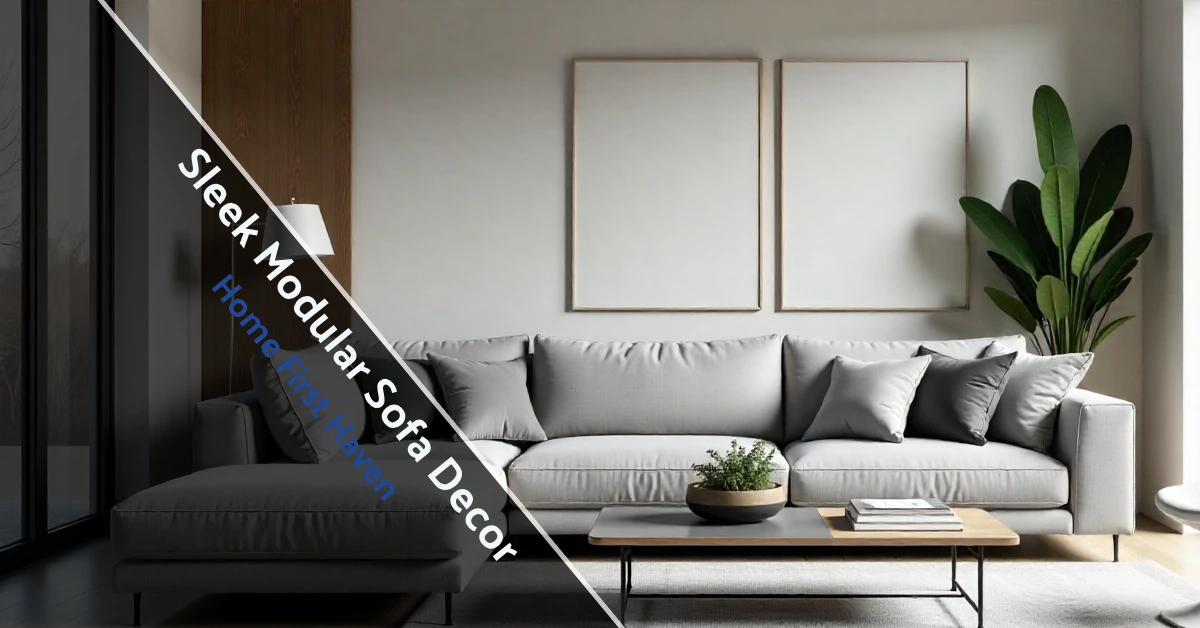
You want your living room to look sharp, feel comfortable, and flex a little when friends come over. That’s where sleek modular sofa decor comes in. These sofas don’t just sit there looking pretty—they adapt to your vibe, your space, and your lifestyle. You can rearrange them when you’re bored, split sections for game night, or go full lounge mode on lazy Sundays.
Most people think modular sofas are complicated or only for minimalist snobs. Wrong. They’re actually the cheat code for anyone who wants a space that works as hard as it looks good. Whether you’re in a cramped studio or a spacious loft, modular pieces give you control without the commitment of a bulky, one-piece couch that haunts you forever.
This guide breaks down everything you need to know about sleek modular sofa decor—from choosing the right layout to styling it like you hired a designer. No fluff, no boring theory. Just real advice that helps you turn your living room into a spot people actually want to hang out in.
What Makes Modular Sofas Different From Regular Couches
Modular sofas come in separate pieces that lock together, giving you the freedom to create different shapes and layouts. You’re not stuck with one fixed design. Need an L-shape for movie nights? Done. Want a straight line for a narrow room? Easy. That flexibility is what sets them apart from traditional couches that stay the same forever.
Each module connects with clips or latches hidden underneath the base, keeping everything stable and tight. You won’t deal with sections sliding apart every time someone sits down. The connectors are designed to feel like one solid piece once locked in place.
Most sleek modular sofas feature low profiles, slim arms, and clean lines that fit modern aesthetics without trying too hard. They don’t scream for attention—they just look right. The style works with glass tables, wood floors, and open shelving without clashing.
You can add sections later if your space or needs change, which is perfect for renters or anyone planning to move. Traditional couches force you to commit up front. Modular setups grow with you, and that’s a huge advantage for people who value adaptability over permanence in their furniture choices.
Why Sleek Modular Sofa Decor Works in Small Spaces
Small rooms benefit from modular sofas because the low profile and open base make the space feel larger than it actually is. When you can see underneath the sofa, your eyes keep moving, which tricks your brain into thinking there’s more room. It’s a simple visual hack that works every time.
You can skip bulky armrests and deep seats that eat up precious floor space. Slim designs give you seating without blocking walkways or making the room feel cramped. A two-section setup near a wall leaves enough space for a coffee table and a rug without crowding everything together.
Light colors like gray, cream, or tan amplify the airy vibe, especially when paired with light-toned walls and floors. Dark sofas can work too if you balance them with bright accents or mirrors that reflect light. The key is keeping everything intentional so the room doesn’t feel heavy or cluttered.
Modular pieces also let you skip the corner trap. Instead of shoving a huge sectional into a tight corner, you arrange smaller modules in a way that opens up circulation. You’re not fighting your furniture—you’re working with it to make the space feel functional and stylish at the same time.
How to Choose the Right Layout for Your Room
Start by measuring your room and marking where doors, windows, and outlets sit. You don’t want a beautiful setup that blocks natural light or forces you to climb over the sofa to plug in your phone. Use painter’s tape on the floor to outline where each module will go before you commit.
L-shaped layouts work best in most living rooms because they create a natural conversation zone without taking up too much space. One side faces the TV or focal point, while the other section invites people to sit and chat. It’s the Goldilocks option—not too big, not too small, just right for casual hangouts.
U-shaped setups fill larger rooms and work well if you host often or have a big family. They wrap around a coffee table and make everyone feel included in the conversation. Just leave at least two feet between the sofa and the walls so people can move around without squeezing past furniture.
Straight-line arrangements suit narrow rooms or open-concept spaces where you need to define zones without blocking flow. You can place the sofa as a soft divider between your living area and dining space. It anchors the room while keeping everything open and connected, which is clutch for smaller homes.
Picking the Right Fabric and Frame for Long-Term Use
Your frame determines how long the sofa lasts, so don’t cheap out here. Solid wood or steel frames hold up better than particleboard or plastic, which can warp or crack over time. If you can, test the joints in person to make sure they feel sturdy and tight.
High-density foam keeps cushions from sagging after a few months of use. Cheaper foam compresses quickly, leaving you with a pancake-flat seat that kills the vibe. Ask about foam density before buying—anything above 1.8 pounds per cubic foot is solid for daily use.
Microfiber, velvet, and linen blends handle wear and spills better than delicate fabrics like silk or untreated cotton. Microfiber resists stains and cleans up fast, making it ideal for homes with kids or pets. Velvet adds a luxe feel without being high-maintenance if you choose a quality grade.
Removable covers are a game-changer for keeping your sleek modular sofa decor looking fresh. You can toss them in the wash instead of spot-cleaning forever or paying for professional cleanings. Check if the covers come off easily before you buy, because some brands make it unnecessarily difficult.
Styling Tips That Actually Make Your Sofa Look Expensive
Keep your color palette simple and let textures do the talking. A neutral sofa in gray or beige pairs well with warm gold or soft green throw pillows that add visual interest without clutter. Stick to two or three accent colors max so the room feels cohesive instead of chaotic.
A clean rug anchors the setup and defines the seating area, especially in open-concept spaces. Round rugs soften sharp lines and add balance, while rectangular rugs work if you want a more structured look. Make sure the rug extends beyond the sofa legs for a polished finish.
Slim floor lamps or metal stands keep the lighting modern without adding bulk. Heavy lamps feel out of place next to sleek furniture. You want pieces that complement the low profile and clean edges, not compete with them for attention.
One large mirror or a simple piece of wall art draws the eye upward and makes the room feel taller. Avoid cluttering shelves with too many trinkets. Use plants in clean pots to bring life into the space without overwhelming it. The sofa should stay the focal point, not get lost in a sea of décor.
Common Mistakes People Make With Modular Sofas
Skipping measurements is the biggest rookie mistake. You eyeball the space, order the sofa, and then realize it blocks a doorway or feels too large for the room. Always measure twice and use tape to test the layout before anything arrives at your door.
Overloading the sofa with too many pillows or throws makes it look messy instead of stylish. Two or three pillows per section is enough. More than that, and you’re just creating clutter that people will toss aside anyway when they sit down.
Ignoring fabric needs based on your lifestyle leads to regret. If you have pets or kids, delicate fabrics will stain or tear quickly. Choose durable materials that suit your actual life, not some imagined version where nothing ever spills or gets dirty.
Forgetting to check the connector quality means you’ll deal with wobbly sections that shift every time someone moves. Cheap clips loosen over time, ruining the experience. Read reviews or test the connectors in-store to make sure they lock tight and stay that way.
How to Maintain Your Modular Sofa Without Breaking a Sweat
Vacuum the seats once a week to keep dust and crumbs from building up. Use a soft brush attachment so you don’t scratch or snag the fabric. This simple step prevents dirt from embedding into the cushions and keeps everything looking fresh.
Wipe surfaces with a clean, damp cloth when needed. Mild soap works for tougher spots, but skip bleach or harsh chemicals that damage fabric. Avoid stiff brushes that leave marks or pull threads, especially on velvet or linen blends.
Check the clips or latches once a month to make sure everything stays tight. Loose connectors lead to shifting sections that feel unstable. Tightening them takes two minutes and prevents bigger issues down the line that could require repairs or replacements.
Keep the sofa out of direct sunlight to prevent fading. Close blinds during peak hours or use light-filtering curtains. A few small habits like these extend the life of your sleek modular sofa decor and keep it looking showroom-ready for years.
Where to Place Your Modular Sofa for Maximum Impact
In living rooms, position the sofa near a focal point like a TV wall, fireplace, or large window. Leave at least two feet on each side so air and people can move freely. Use a rug to define the seating zone and separate it from other areas of the room.
For studio apartments, place the sofa against a wall to maximize floor space and avoid blocking walkways. Add a shelf or floor lamp next to one side to create a cozy corner. Low furniture around the sofa keeps sight lines open and prevents the room from feeling cramped.
In guest rooms or home offices, use one or two modules as a daybed or extra seating. Throw in a soft blanket to make it inviting. This dual-purpose setup saves space while keeping the room functional and stylish without requiring a separate bed or bulky furniture.
Conclusion
Sleek modular sofa decor gives you the flexibility to design a living space that adapts to your life instead of locking you into one setup forever. You can rearrange sections, add modules, or change the layout whenever your needs shift. That kind of control turns your home into a place that works for you, not against you.
The style stays modern without feeling cold or overly minimalist. You get clean lines, comfortable seating, and a look that pairs well with almost any décor. Whether you’re in a small apartment or a spacious house, modular sofas fit the vibe and make the room feel intentional.
Now you know how to pick the right layout, choose durable materials, style it like a pro, and keep it looking fresh. You’ve got the blueprint—time to make your living room a spot people actually want to hang out in. Go lock in that setup and flex a little.