

Barn conversion projects are blowing up right now—and for good reason. You’re not just buying another cookie-cutter suburban box. You’re getting high ceilings, exposed beams, countryside views, and a property that actually has character. But here’s the thing: converting a barn isn’t like renovating your kitchen. It’s a whole different ballgame with unique challenges, planning hoops, and costs that can spiral if you don’t know what you’re doing. This guide breaks down everything you need to know—from planning permission to design choices—so you can turn that old agricultural building into a functional, stunning home.
What Is a Barn Conversion and Why It’s Worth Considering
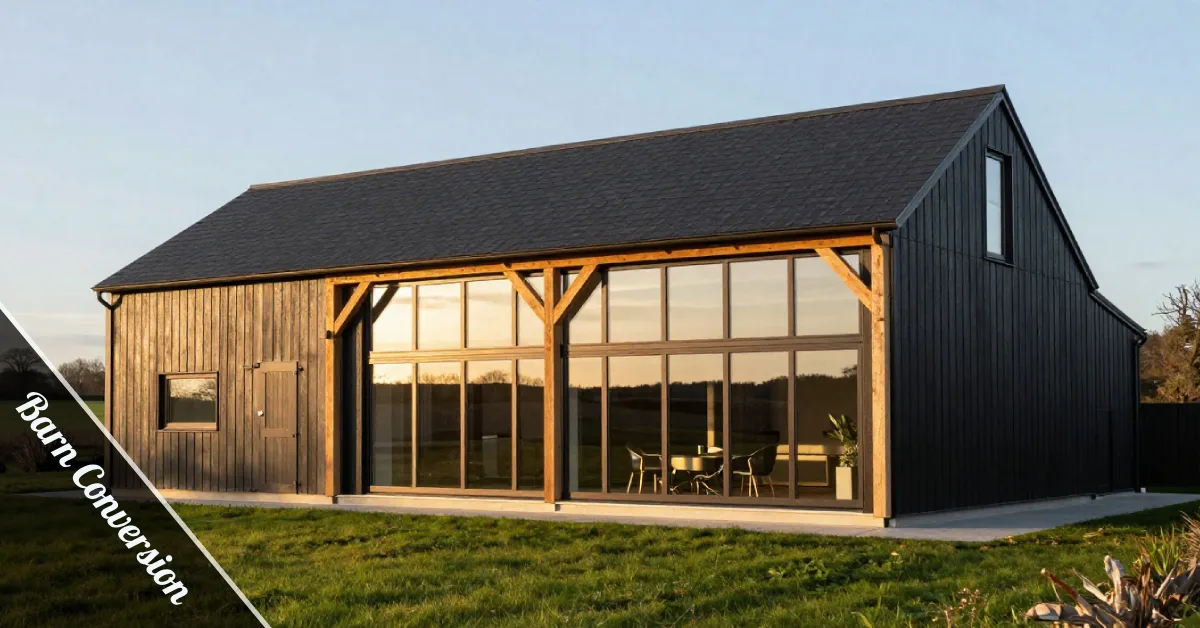
A barn conversion takes unused farm buildings and transforms them into modern residential spaces while keeping original architectural features intact. Think exposed timber frames, stone walls, and that rustic charm developers can’t replicate. The best conversions balance heritage with contemporary living—like installing floor-to-ceiling windows without destroying the building’s soul.
These properties stand out in the market because they’re genuinely unique. No two barns are identical, which means your home won’t look like every other new build on the street. Plus, you’re typically buying in rural locations with privacy and views that urban properties can’t touch. That combination of character and location makes converted barns hold their value exceptionally well.
From an investment perspective, barn conversions often command premium prices. Buyers pay extra for authenticity and space—especially when original features like oak beams or stone foundations are preserved. The uniqueness factor alone creates demand. When done right, you’re not just building equity; you’re creating a property people actually want to own.
Planning Permission: The First Hurdle You Can’t Skip
Planning permission is where most barn conversion projects either fly or die. You can’t just start demolishing walls and hope for the best. Local councils have strict rules about converting agricultural buildings, especially if your barn is listed or sits in a conservation area. The good news? Many councils support barn conversions because they preserve rural heritage while adding housing stock.
Start by checking if your barn qualifies under permitted development rights. Some agricultural buildings can be converted to residential use without full planning permission—but conditions apply. The structure must be structurally sound, and you’ll need to prove it was genuinely used for agriculture. Derelict shells that have been abandoned for decades won’t qualify.
Listed buildings add extra layers of approval. Grade II or Grade II* barns require a conservation officer sign-off before you touch anything. They’ll scrutinise every detail—from window styles to roofing materials—to ensure historical integrity isn’t compromised. Yes, it’s bureaucratic. But it also protects the building’s value and character long-term.
Hire an architect who specialises in barn conversions early in the process. They understand local planning quirks and can design around restrictions instead of fighting them. This saves months of back-and-forth with planners. Budget several thousand for planning application fees and consultant reports—it’s non-negotiable if you want approval.
Structural Considerations: What You’re Really Getting Into
Barn structures weren’t designed for modern living. They were built to store hay and house livestock, which means zero insulation, minimal weather protection, and foundations that may not exist. Before buying any barn, commission a full structural survey. You need to know exactly what you’re dealing with—roof integrity, wall stability, damp issues, everything.
Timber-framed barns require careful assessment of beam condition. Oak beams can last centuries, but rot and woodworm damage are common in neglected buildings. A structural engineer will tell you which timbers can stay exposed and which need reinforcement or replacement. Don’t assume those Instagram-worthy beams are structurally sound just because they look good.
Stone and brick barns have different challenges. Walls may need repointing, and you’ll likely need to install damp-proof courses that didn’t exist originally. Original barn openings for doors and windows are often massive—great for natural light, but they can compromise structural integrity if you’re not strategic about support.
Roofing is where costs escalate quickly. Many barns have corrugated metal or deteriorating tiles that need complete replacement. If it’s a thatched roof, you’re looking at specialist craftsmen and premium materials. Factor in steel beams or additional support for second floors. The structure might look solid, but converting it to handle residential loads requires engineering.
Insulation and Heating: Making Your Barn Actually Livable
Old barns have zero insulation—they were designed for airflow, not comfort. You’ll need to wrap the entire building in high-performance insulation without covering those exposed beams everyone wants to see. Multi-foil insulation systems work well because they’re thin but effective, letting you insulate between existing timbers while maintaining internal aesthetics.
Underfloor heating is standard in barn conversions because radiators look awkward against stone walls and exposed frames. It’s expensive upfront but provides even heat throughout those massive open spaces. Plus, it frees up wall space for furniture and doesn’t clash with the rustic vibe you’re trying to preserve.
Heating a barn costs more than heating a standard home because of volume and surface area. High ceilings and large windows mean heat escapes faster. Triple-glazed windows help, but you’ll also need a powerful heating system—heat pumps are popular for their efficiency, though installation requires outdoor space for equipment.
Ventilation is critical but often overlooked. Modern airtight insulation can trap moisture inside, leading to condensation and mould. Your building control officer will require mechanical ventilation systems that exchange air without losing heat. It’s unglamorous but essential for keeping your barn conversion healthy long-term.
Design Choices: Balancing Modern Comfort With Rustic Character
The best barn conversions don’t try to hide what the building was. You want exposed beams, stone walls, and original features on display—that’s literally why people buy these properties. But you also need modern kitchens, bathrooms, and living spaces that don’t feel like you’re camping in a museum.
Bronze or steel-framed windows are popular because they nod to traditional industrial aesthetics while providing modern performance. Floor-to-ceiling glazing works beautifully in barn conversions, especially on gable ends where you can frame countryside views. Just ensure your window choices align with planning requirements—some conservation areas restrict contemporary glazing.
Open-plan layouts suit barn structures naturally. You’ve got massive volumes and minimal internal walls to start with. Keep sightlines open so you can appreciate the full scale of the space. Use furniture and level changes to define areas instead of building walls that block light and views.
Mezzanine levels are brilliant for adding bedroom space without sacrificing ceiling height downstairs. You maintain that cathedral-like volume in living areas while creating cosy sleeping spaces above. Just make sure structural support is properly calculated—these aren’t light additions.
Original barn doors can be repurposed as sliding interior doors or feature walls. It’s a clever way to incorporate heritage elements into functional spaces. Same with old stable fittings—they make unique bathroom fixtures or kitchen details when restored properly.
Costs and Financing: What You’ll Actually Spend
Barn conversion costs vary wildly depending on condition and finishes, but expect to spend significantly more per square meter than new builds. Basic conversions start around £1,500 per square meter; high-end projects easily hit £3,000 or more. That’s before you factor in the purchase price of the barn itself.
Self-build mortgages are the standard financing route for barn conversions. Lenders release funds in stages as construction progresses, which helps manage cash flow. You’ll typically need a 25-30% deposit and detailed build plans before approval. Banks treat these as higher-risk than standard mortgages, so interest rates may be slightly elevated.
Bridging loans offer short-term financing if you need to move quickly or the property isn’t mortgageable in its current state. They’re expensive—expect 0.5-1.5% monthly interest—but they let you secure the property and start work before refinancing onto a traditional mortgage once the conversion is complete.
Hidden costs kill budgets fast. Building control fees, specialist surveys, utility connections to rural sites, scaffolding for months, materials delivered to remote locations—these aren’t glamorous, but they’re real. Add 15-20% contingency for surprises. Old buildings always have surprises.
Common Mistakes to Avoid in Your Barn Conversion Project
The biggest mistake is underestimating timelines and costs. Barn conversions take longer than you think—18 to 24 months is realistic for most projects. Planning delays, weather shutdowns, and structural surprises all push deadlines. Don’t commit to moving dates you can’t flex.
Skimping on professional advice is false economy. Cutting corners on architects or structural engineers means expensive fixes later or planning rejection that kills the project. These specialists understand how to navigate restrictions and design solutions that actually work structurally and aesthetically.
Over-modernising destroys the appeal of barn conversions. If you want a contemporary box, build a new one. People buy converted barns for their character—exposed timbers, stone walls, quirky layouts. Stripping all that away to create sleek minimalism wastes the building’s potential and tanks resale value.
Ignoring ongoing maintenance costs is another trap. Thatched roofs need specialist upkeep. Timber frames require regular inspection. These properties need more attention than standard homes, and maintenance bills reflect that reality. Budget for it from day one.
Final Thoughts: Is a Barn Conversion Right for You?
Barn conversion projects aren’t for everyone. They demand patience, significant capital, and a willingness to deal with complexity that standard property purchases don’t involve. But if you value uniqueness, rural living, and character-filled spaces, they’re genuinely rewarding. You’re not just buying a house—you’re preserving history while creating something personal.
Do your homework thoroughly before committing. Visit completed barn conversions in your target area to understand local building styles and planning attitudes. Talk to specialists early—architects, structural engineers, and mortgage brokers who handle self-build projects. The more you understand upfront, the fewer expensive surprises you’ll encounter.
The payoff is a home that genuinely stands out. When executed well, barn conversions offer space, character, and lifestyle that regular properties can’t match. Those exposed beams, countryside views, and unique layouts become part of your daily life—not just Instagram content. That’s worth the effort if you’re ready for the journey.