

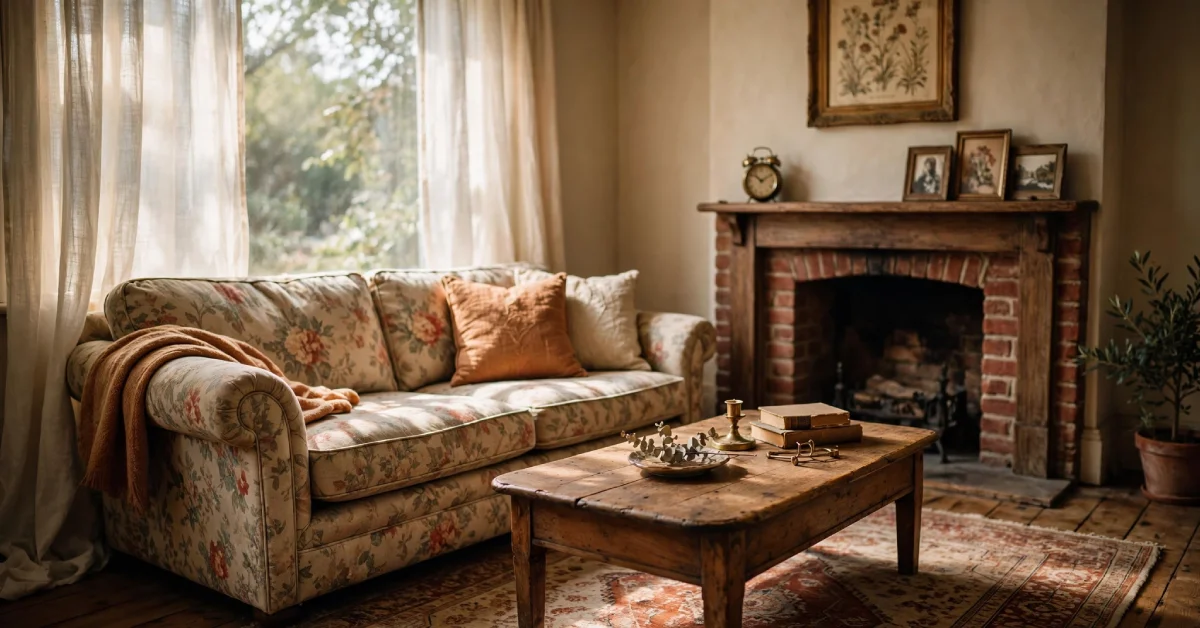
A vintage home doesn’t try to look new. It carries a bit of history in every corner — a chipped dresser with real character, a rug that’s softened with age, a colour palette that feels warm instead of sterile. That’s the appeal. Vintage interiors give a home a sense of depth that fresh-off-the-showroom furniture rarely manages.
The look has changed a lot over the decades. Victorian homes leaned into ornate detail and heavy fabric. By the 1990s, interiors had opened up into brighter, simpler spaces with clean lines. Somewhere in between sits nearly a century of style shifts — mid-century optimism, 1970s earth tones, 1980s excess — and each one still shows up in homes today, often mixed and reinterpreted rather than copied exactly.
This guide covers vintage home interior pictures and ideas for every major room, along with the colours, furniture, and design styles that define the look. Whether the goal is a full-room transformation or just a few well-chosen pieces, there’s a starting point here for it.
Vintage Home Interior Pictures for Inspiration
Before diving into individual rooms, it helps to see how vintage style has shifted decade by decade. Each era has its own furniture shapes, colours, and materials, and knowing the differences makes it much easier to pick a direction instead of mixing eras that don’t quite match.
Victorian-Era Vintage Interior
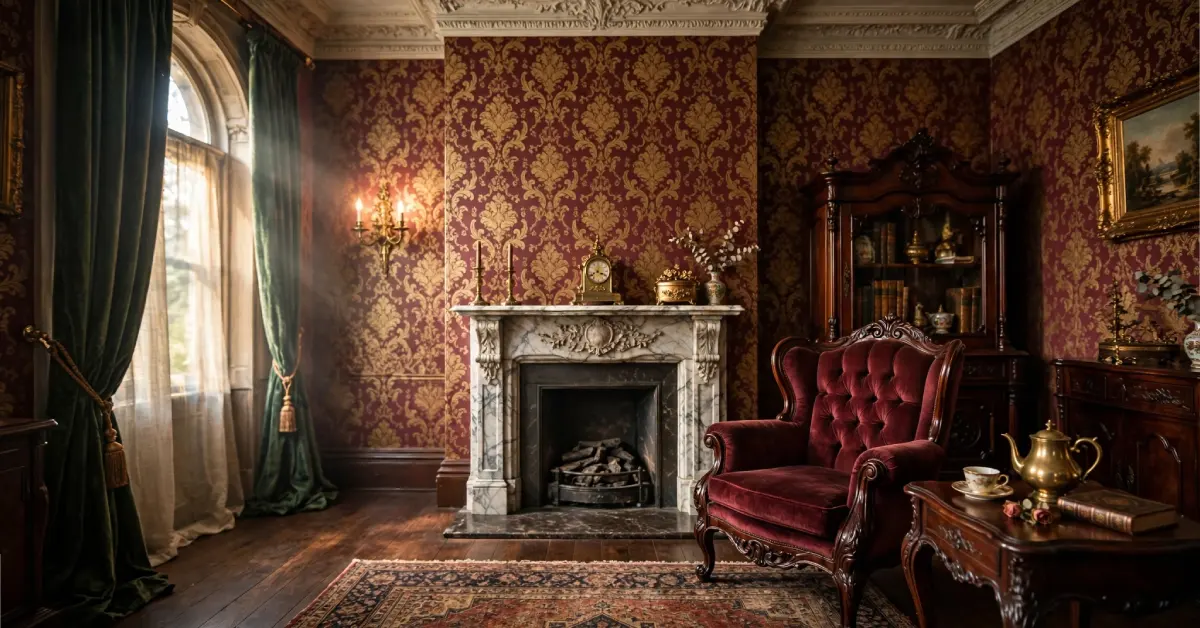
Victorian interiors are the most detailed of the bunch. Expect ornate furniture with carved wood details, patterned wallpaper in deep jewel tones, and rugs layered over hardwood floors. Canopy beds with heavy drapery were common in bedrooms, and rich architectural details — crown moulding, wainscoting, decorative trim — gave every room a sense of formality.
Early 1900s Home Interior
As homes moved past Victorian excess, furniture became more practical. Early 1900s interiors relied on wood-burning or cast-iron stoves as both a heat source and a centrepiece, with traditional furnishings built for smaller, more compact living spaces. The look was simpler, but still warm and lived-in.
1920s–1930s Vintage Interior
This era leaned into wooden furniture with clean, sturdy lines and decorative wall coverings that added texture without overwhelming a room. Fireplaces remained a focal point, often dressed with classic clocks and small decorative accessories on the mantel.
1940s–1950s Interior
Post-war interiors got cosier. Traditional sitting rooms were built around conversation, with early television and radio furniture becoming a new kind of centrepiece. Classic sofas and chairs, often in muted florals or solid upholstery, paired with sturdy wooden tables.
1960s Vintage Interior
The 1960s brought mid-century furniture with tapered legs and simple silhouettes, along with a colour palette that’s instantly recognisable: avocado green, gold, and other warm tones. Wall-to-wall carpeting became standard, and bold upholstery patterns added personality to otherwise streamlined rooms.
1970s Vintage Interior
Earthy colour palettes took over in the 1970s — rust, mustard, and deep brown showed up on everything from walls to appliances. Kitchens got a major update with laminate countertops, tile flooring, and built-in appliances that supported more open kitchen layouts.
1980s Vintage Interior
The 1980s brought a return to ornate furniture, but with a different feel than Victorian style. Gilt accents and decorative details added shine, large windows let in more natural light, and bedrooms in particular leaned luxurious, with layered bedding and statement headboards.
1990s Vintage Interior
By the 1990s, interiors had shifted toward cream and neutral colours, with open layouts replacing the segmented rooms of earlier decades. Kitchen islands became a standard feature, and rooms overall felt brighter and more spacious.
Vintage Living Room Interior Pictures
The living room is usually where vintage style makes the strongest first impression, since it’s the room guests see first and the one with the most furniture to work with.
Classic Vintage Living Room
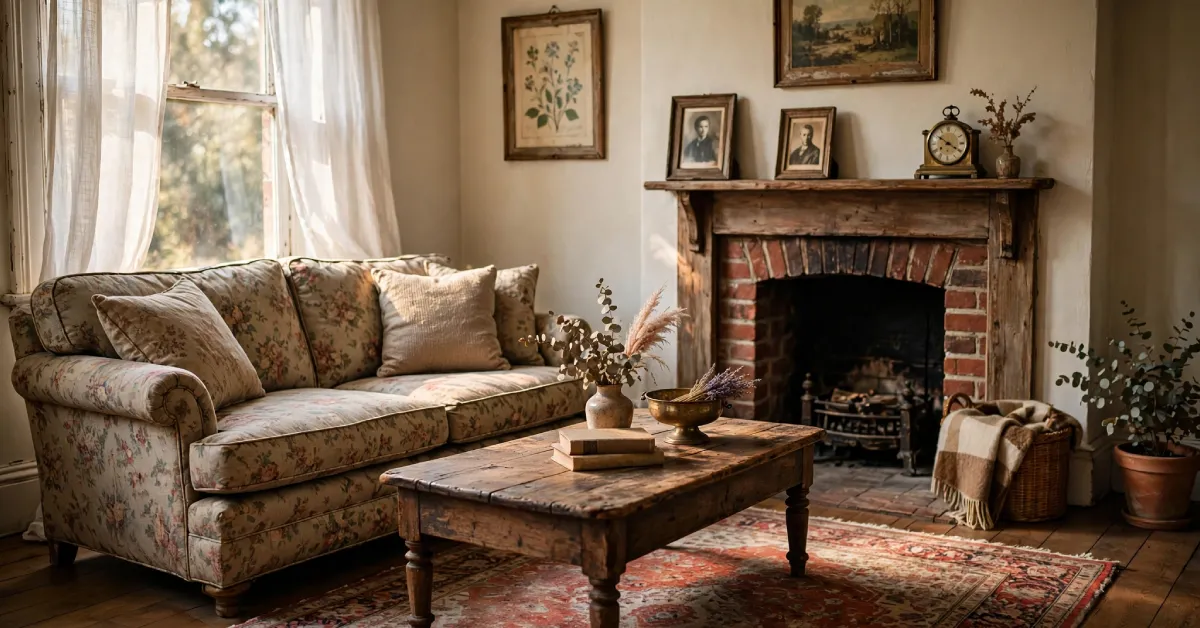
A traditional sofa, an antique coffee table, and a well-worn vintage rug form the foundation. Add a fireplace as a focal point,nt and a few pieces of decorative artwork, and the room already feels collected rather than purchased in one trip.
Mid-Century Vintage Living Room
Low-profile furniture is the giveaway here — sofas and chairs that sit closer to the ground, paired with wooden elements like tapered-leg side tables. Retro colours (mustard, teal, burnt orange) show up in upholstery or accent pieces, and statement lighting, like a sculptural floor lamp, pulls the look togethCosy
Cosy Rustic Vintage Living Room
This style relies on natural wood, furniture with visible wear, and textured fabrics like wool or linen. Warm lighting — table lamps instead of overhead fixtures — keeps the room feeling relaxed rather than staged.
Vintage Bedroom Interior Pictures
Bedrooms benefit from vintage touches because the style naturally leans toward comfort and softness.
Romantic Vintage Bedroom
A canopy or traditional bed frame sets the tone, paired with floral bedding and soft colours. Antique bedside furniture — a small nightstand with turned legs, for example — completes the look without adding bulk.
Traditional Vintage Bedroom
Wooden furniture throughout, a vintage dresser with original hardware, a decorative mirror, and patterned curtains all work together here. This style holds up well in bedrooms of almost any size.
Small Vintage Bedroom
Space-saving furniture is key in smaller rooms — a slim dresser instead of a large armoire, for instance. Colours keep the room from feeling cramped, and vintage accessories layered with textiles (a quilt, a few throw pillows) add character without taking up floor space.
Vintage Kitchen Interior Pictures
Kitchens show the clearest generational shifts in vintage design, since function and technology changed so much decade to decade.
Classic Vintage Kitchen
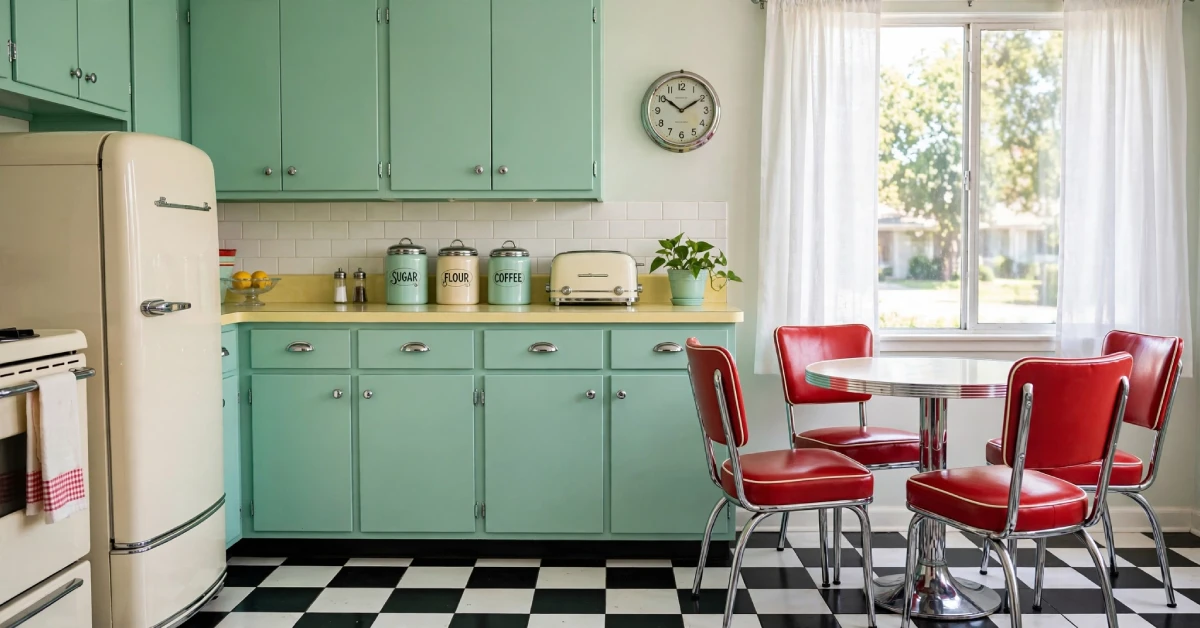
Wooden cabinets with traditional hardware, ceramic accessories on open shelving, and patterned flooring (often tile) give this style its warmth.
Retro 1950s: Colourful cabinets in mint, red, or yellow are the signature move, paired with retro appliances and checkerboard flooring. Vintage dining furniture — a chrome-and-vinyl dinette set, for example — finishes the look.
1970s-Inspired Vintage Kitchen
Earthy colours dominate, applied to laminate surfaces and paired with wood accents on cabinetry or open shelving. Built-in appliances, a hallmark of the decade, keep the kitchen looking intentional rather than cluttered.
Vintage Dining Room Interior Ideas
A vintage dining room centres on a solid wooden table paired with traditional chairs — mismatched sets work well here and add to the collected feel. A chandelier overhead sets the mood, while vintage tableware and an antique cabinet for storage round out the practical side. Decorative wall art above the sideboard or along an empty wall finishes the room without overcrowding it.
Vintage Bathroom Interior Pictures
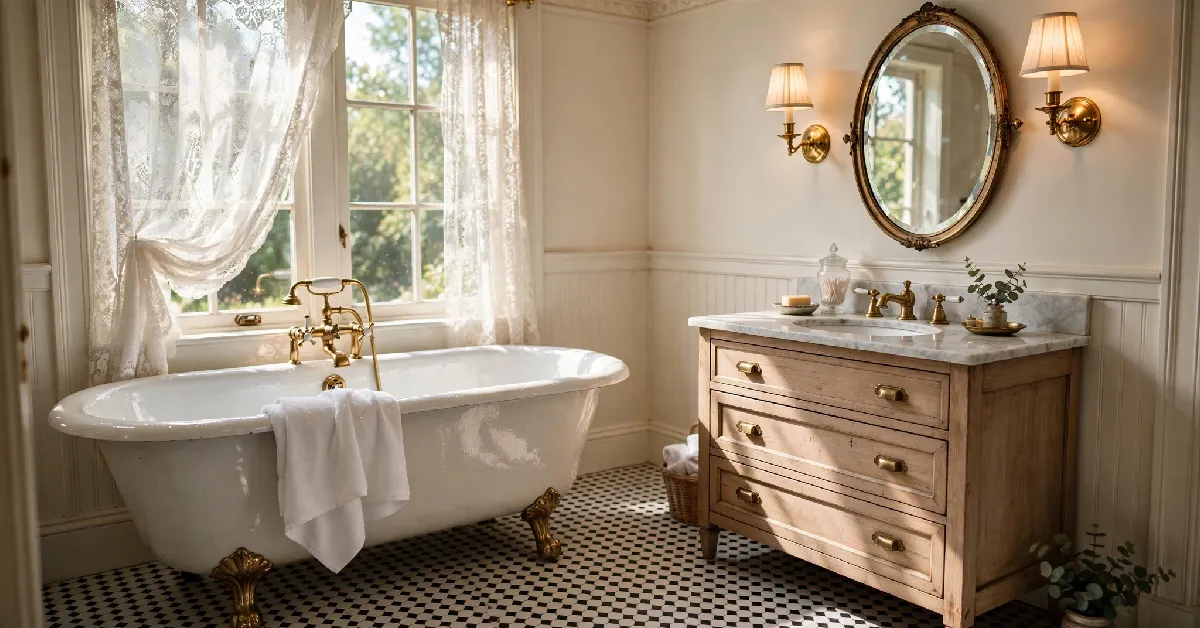
Bathrooms are an easy place to add vintage charm in small doses. A clawfoot-style tub is the most recognisable feature, paired with a vintage mirror and brass fixtures for warmth. Patterned tiles — small hexagons or classic black-and-white checks — bring texture to the floor, while a traditional vanity and classic lighting fixtures tie the whole space together.
Popular Vintage Interior Design Styles
Not every vintage home fits into one clean category. Here are the styles that show up most often, either on their own or blended.
Victorian Vintage Style
Ornate, formal, and detail-heavy, with rich colours and traditional architectural elements.
Mid-Century Vintage Style
Clean lines, low-profile furniture, and warm retro colours from the 1950s and 60s.
Rustic Vintage Style
Natural wood, worn textures, and a relaxed, lived-in feel.
Cottage Vintage Style
Soft colours, floral patterns, and cosy, informal layout.
French Vintage Style
Elegant furniture, muted pastel tones, and refined detailing like carved wood and soft upholstery.
Farmhouse Vintage Style
Practical furniture, natural materials, and a mix of rustic and traditional elements.
Retro Vintage Style
Bold colours and shapes borrowed directly from the 1960s and 70s, often used as accents rather than throughout a whole room.
Vintage Colours That Transform a Home
Colour does a lot of the work in vintage design. Getting the palette right often matters more than the furniture itself.
Warm Neutrals
Cream, beige, warm white, and brown form the backdrop for most vintage rooms. They’re flexible enough to pair with almost any era-specific accent colour.
Classic Vintage Colours
Olive green, mustard yellow, burgundy, dusty rose, and deep blue are the colours most associated with vintage interiors overall. They work well as wall colours, upholstery, or accents.
Colour Combinations
Certain pairings instantly read as a specific decade: avocado green and gold call back to the 1960s and 70s, cream and brown feel like a 1970s kitchen, and mustard with orange or burgundy with beige both lean strongly retro.
Vintage Furniture and Décor Ideas
Vintage Furniture
Antique cabinets, wooden tables, vintage sofas, armchairs, dressers, and sideboards form the backbone of most vintage rooms. Solid wood construction and visible age are usually what separate a true vintage piece from a modern reproduction.
Vintage Accessories
Antique clocks, mirrors, picture frames, ceramic vases, old books, artwork, and decorative lamps fill in the details. These smaller pieces are often the easiest and most affordable way to add vintage character to a room.
Vintage Textiles
Persian-style rugs, floral curtains, velvet upholstery, quilts, and patterned cushions bring softness and pattern into a space that might otherwise feel too rigid.
How to Make a Modern Home Look Vintage
- Start with one statement vintage piece, like a dresser or coffee table, and build the room around it.
- Use warm, muted colours instead of stark white or cool grey.
- Add traditional lighting, such as table lamps or a chandelier, instead of relying only on recessed lighting.
- Incorporate vintage artwork, even a single framed piece, to break up plain walls.
- Use natural wood and aged finishes wherever possible.
- Add rugs and layered textiles to soften hard flooring.
- Mix vintage pieces with modern furniture so the room still feels livable, not like a museum display.
How to Mix Vintage and Modern Interior Design
Combine Old and New Furniture
Pair a vintage armchair with a modern sofa, or a modern dining table with vintage chairs. The contrast keeps the room from feeling dated or overly staged.
Balance Vintage Colours With Modern Neutrals
Use a modern neutral wall colour as the base, then bring in vintage colour through furniture, textiles, or accessories.
Use Vintage Accessories as Accents
A single antique mirror or a collection of vintage frames can add character to an otherwise modern room without a full renovation.
Avoid Making the Room Look Overcrowded
Vintage decorating can tip into clutter fast. Choose a few pieces with real presence instead of filling every surface.
Vintage Home Interior Ideas on a Budget
- Shop thrift stores and flea markets for furniture and accessories at a fraction of retail cost.
- Repurpose old furniture with a fresh coat of paint or new hardware instead of buying new.
- Use secondhand artwork from estate sales or online marketplaces.
- Look for vintage-style lighting at salvage shops or online resale sites.
- Refresh existing furniture rather than replacing it — reupholstering a chair often costs less than buying a new one.
- Add inexpensive vintage accessories, like ceramic vases or old books, to build character gradually.
- Focus on a few statement pieces rather than trying to decorate an entire room at once.
What Makes a Home Interior Look Vintage?
A handful of characteristics separate a true vintage interior from a modern room with a few old pieces mixed in:
- Age and patina — visible wear that shows a piece has been used and cared for over time.
- Traditional furniture shapes, often heavier or more detailed than modern designs.
- Historical design elements tied to a specific decade or era.
- Warm colours instead of cool, stark tones.
- Patterned textiles, from rugs to curtains to upholstery.
- Antique accessories that add small details throughout a room.
- Vintage artwork, whether original or reproduction.
- Layered décor rather than a single, matched set.
- Natural materials like wood, brass, and stone over synthetic finishes.
Vintage vs. Retro vs. Antique Interior Design
These terms get used interchangeably, but they don’t mean the same thing.
Vintage generally refers to furniture or décor that’s at least 20 years old and reflects the style of its era, though it doesn’t necessarily have to be rare or valuable.
Retro refers to a modern reproduction or new design that borrows the look of a past decade, most often the 1950s through the 1980s. Retro items are new, not old.
Antique typically applies to pieces that are 100 years or older, often with more formal value tied to craftsmanship, rarity, or history.
Traditional is a broader design category that draws on classic, time-tested furniture shapes and layouts, without being tied to one specific decade.
Knowing the difference helps when shopping, since a “retro” chair at a furniture store is a new item styled to look old, while a true vintage or antique piece will have actual age behind it.
Final Thoughts
Vintage home interiors work because they don’t ask a homeowner to commit to one rigid look. A single well-chosen piece — a dresser, a rug, a set of dining chairs — can bring warmth and history into a space without requiring a full historical recreation.
There’s no need to pick one decade and stick to it strictly. The most livable vintage homes usually borrow a little from several eras, guided by what actually fits the homeowner’s taste and the practical needs of daily life. Start small, choose pieces that feel right, and let the room grow from there.
FAQs
What makes a home interior look vintage?
A mix of aged or antique furniture, colour palettes, patterned textiles, and design details tied to a specific past decade or era.
What colours are best for a vintage home?
Warm neutrals like cream and beige work as a base, paired with classic vintage colours such as olive green, mustard, burgundy, or dusty rose.
How can I make my modern home look vintage?
Start with one or two statement vintage pieces, add warm colours and traditional lighting, and mix in vintage textiles and artwork gradually.
What furniture is used in vintage interior design?
Common pieces include wooden tables, antique cabinets, vintage sofas, dressers, sideboards, and armchairs, often with visible age or detailing.
Can vintage and modern furniture be mixed?
Yes. Pairing modern neutrals and simple furniture shapes with a few vintage statement pieces is one of the most common ways to decorate today.
What is the difference between vintage and retro interiors?
Vintage refers to genuinely old furniture and décor, while retro describes new pieces designed to look like an older style.
How can I decorate my home in vintage style on a budget?
Shop secondhand at thrift stores and flea markets, refresh existing furniture instead of replacing it, and focus spending on a few statement pieces.
Looking for more room-by-room inspiration? Browse our full collection of home design guides for ideas on every space in your house.