

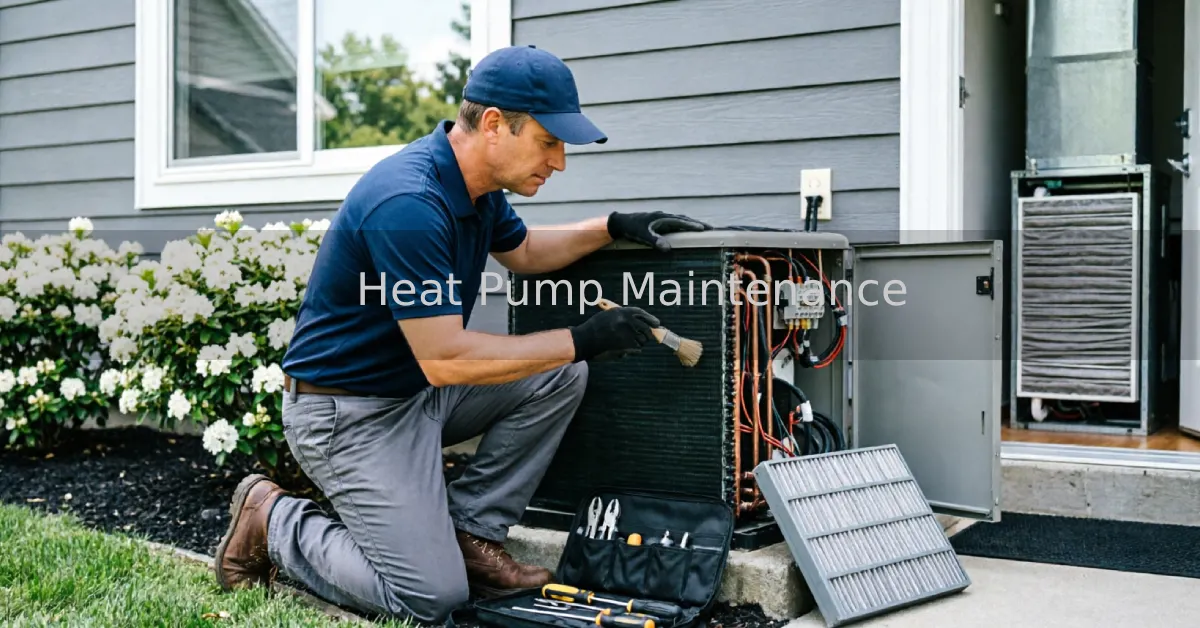
Your heat pump is quietly doing the heavy lifting for your comfort, all year, every year. Skip Heat Pump Maintenance, and it starts working overtime, burning more energy for less payoff. Think of it like a good pair of sneakers. Ignore the upkeep and the whole thing breaks down faster than you’d like.
Why Heat Pump Maintenance Actually Matters
A neglected system doesn’t fail all at once. It slides quietly, losing a little efficiency every month until your energy bill notices before you do. Regular upkeep keeps that slide from happening in the first place.
Landlords and property managers feel this the most. One unmaintained unit in a rental can mean tenant complaints, emergency repair calls, and a bill nobody budgeted for. A little attention now saves a lot of scrambling later, guaranteed.
Here’s the trade: a few minutes each month versus a few hundred dollars each winter. Most homeowners pick the minutes once they see it laid out clearly.
Comfort, cost, and equipment life all ride on the same habit. Skip it, and all three quietly slip at the same time.
Routine Maintenance Tasks You Can Handle Yourself
You don’t need an HVAC license for the basics. Regular Heat Pump Maintenance starts with things you can knock out on a Saturday morning, coffee in hand.
Check the area around your outdoor unit. Clear leaves, grass clippings, and debris so air can move freely. A blocked unit works harder for the same result.
Look at your indoor vents too. Furniture, curtains, or rugs blocking airflow force the system to strain, which quietly drives up your energy costs over time.
Keep a simple checklist taped inside a cabinet. Filters, vents, outdoor clearance, thermostat settings. Five minutes a month beats a surprise repair bill any day.
Filter Cleaning and Replacement
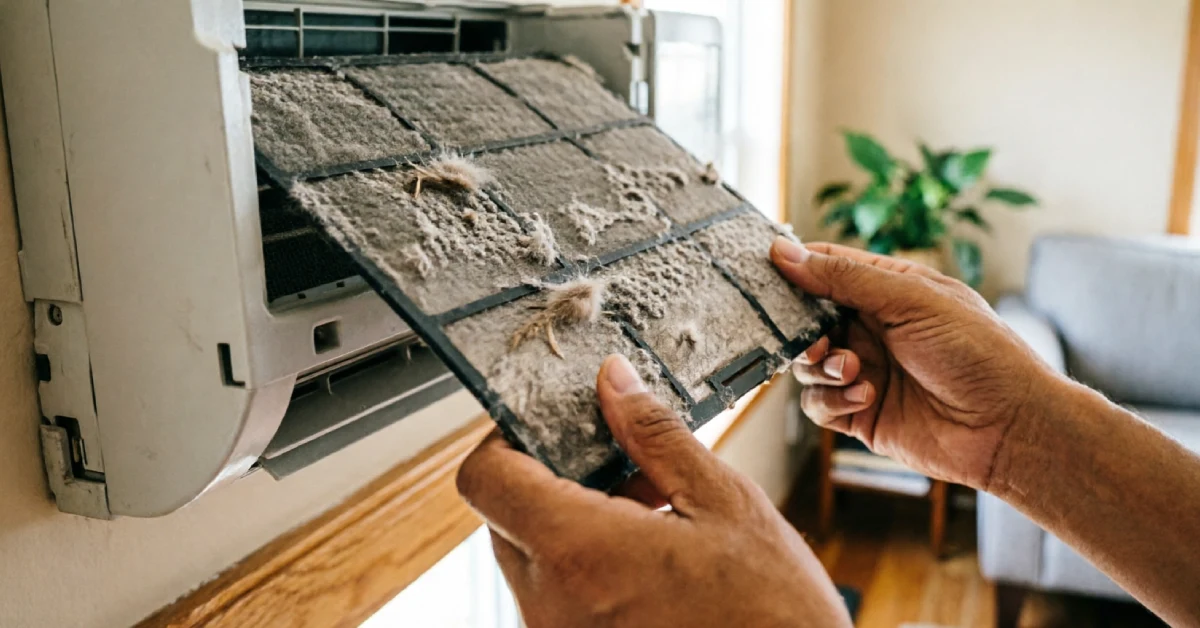
This is the single easiest win in your upkeep routine, and most people skip it anyway. A dirty filter chokes airflow, forcing your system to work harder than it should.
Check filters monthly, especially during heavy-use seasons. Replace disposable filters every one to three months, depending on your household, pets, and local air quality.
Washable filters need a gentle rinse and full dry before going back in. Rushing this step traps moisture inside the system, which is a problem you don’t want.
A clean filter is such a small task with an outsized payoff. It’s the cheat code nobody talks about enough. Mark it on a calendar, and it becomes second nature within a season or two.
Outdoor Unit Care That Pays Off
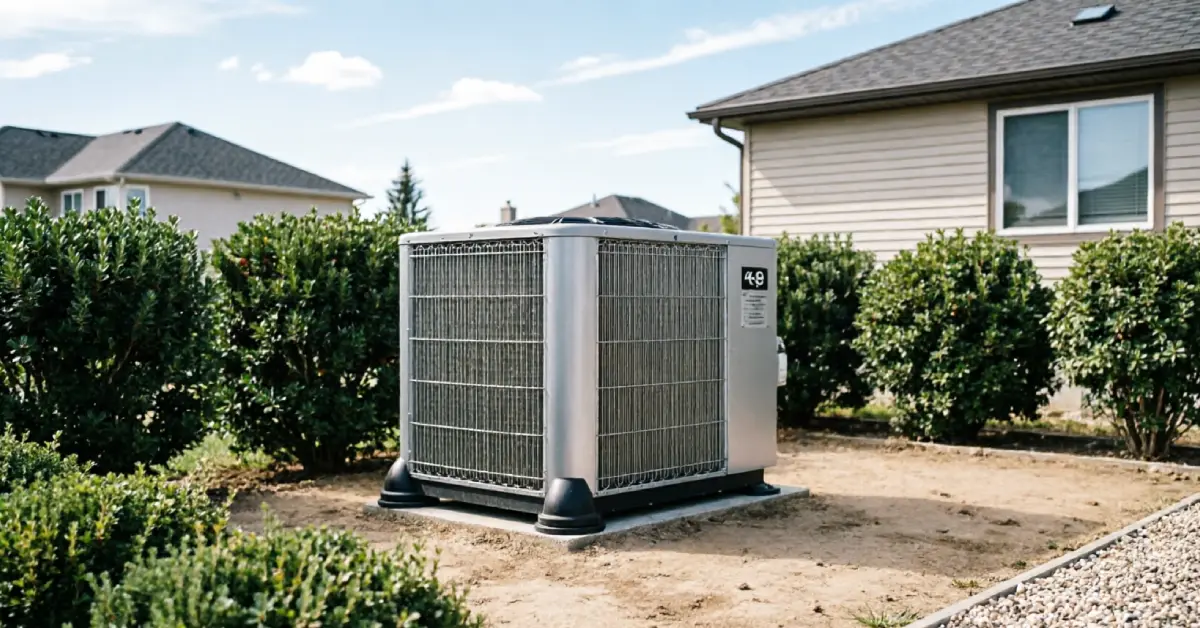
Your outdoor unit takes the brunt of the weather, so it deserves a little respect. Consistent Heat Pump Maintenance out here protects the whole system’s performance.
Trim back plants and shrubs so there’s at least two feet of clearance on every side. Airflow needs room to breathe, just like you do after a big meal.
After storms, check for debris caught in the fins. Twigs, leaves, and dirt build up fast and restrict the airflow your unit depends on.
In winter, keep snow and ice cleared from around the base. A buried unit is a struggling unit, and struggling units cost you money.
Coil and Airflow Checks
Coils are where the real work happens, quietly converting outdoor air into indoor comfort. Dirty coils are one of the most overlooked parts of a well-kept system.
Over time, dust and grime coat the coil surface, cutting its efficiency significantly. This forces your system to run longer to reach the same temperature.
A visual check twice a year catches most buildup early. If coils look caked or grimy, that’s your cue to call in a professional cleaning.
Airflow restrictions anywhere in the system show up here first. Weak airflow at your vents often traces straight back to coil condition.
Don’t reach for harsh chemicals or a pressure washer on your own. Coil fins bend easily, and a bent fin undoes any cleaning you just did.
Thermostat Settings That Actually Help
Your thermostat is the brain of the operation, and small tweaks make a real difference. Smart settings are an underrated piece of your overall care routine.
Avoid drastic temperature swings. Heat pumps work best with steady, moderate settings rather than big jumps that force the system to sprint to catch up.
A programmable or smart thermostat adjusts automatically while you’re out, saving energy without you lifting a finger. Set it once and let it work.
Check the batteries and calibration each season. A thermostat reading wrong throws off your comfort and your bill at the same time.
A one-degree offset sounds small, but it compounds fast across a full heating season. Small corrections here are worth more than they look.
Seasonal Preparation Tips
Heat pumps work year-round, so seasonal Heat Pump Maintenance looks a little different depending on the calendar. Fall and spring are your prep windows.
Before winter hits, confirm your outdoor unit is clear and your filters are fresh. This is your last easy shot before the cold settles in for good.
Come spring, check for any winter damage. Ice, wind, and debris can quietly stress a system that just spent months working overtime.
Summer brings its own demands too. Trim any fresh growth around the outdoor unit and confirm your thermostat schedule matches your actual routine, not last year’s.
A quick seasonal walkthrough, twice a year, catches most issues before they turn into emergencies. Consider it cheap insurance for your comfort.
Warning Signs You Shouldn’t Ignore
Some signals mean it’s time to stop DIY-ing and call someone. Skipping these is where routine care turns into a full-blown emergency, fast.
Unusual noises, like grinding, clicking, or banging, mean something’s off internally. Don’t wait these out hoping they resolve themselves quietly.
Weak airflow, uneven heating, or rooms that never quite reach temperature all point to a system struggling to keep up with demand.
Rising energy bills with no lifestyle change are a quiet red flag. Your system may be compensating for a problem you haven’t noticed yet.
Ice buildup on the outdoor unit outside of a normal defrost cycle is another sign worth a call. It usually points to a refrigerant or airflow issue underneath.
When to Call in a Professional
DIY covers a lot, but not everything. Refrigerant levels, electrical components, and internal parts belong to trained technicians, not weekend warriors with a screwdriver.
Schedule a professional tune-up once a year, ideally before your heaviest-use season begins. Think of it as your system’s annual physical.
A technician catches what visual checks miss: refrigerant pressure, electrical connections, and internal wear. This is the part of the process you genuinely can’t skip.
Trying to save money by skipping professional service often costs more later. A cheap fix now beats an expensive failure down the line.
Ask your technician for a written summary after each visit. It’s an easy way to track your system’s history and spot patterns over the years.
How Maintenance Extends Your System’s Life
Here’s the payoff for all this effort: a well-maintained heat pump simply lasts longer. Consistent Heat Pump Maintenance protects your investment year after year.
Systems under regular care run more efficiently, which means less strain on internal parts. Less strain means fewer breakdowns and fewer surprise repair bills.
| Maintenance Task | How Often | Who Does It |
|---|---|---|
| Filter check | Monthly | You |
| Outdoor unit clearance | Monthly | You |
| Coil inspection | Twice a year | You, then a pro if dirty |
| Thermostat calibration | Each season | You |
| Full professional tune-up | Once a year | Licensed technician |
Replacement is expensive, disruptive, and avoidable in most cases. A little consistency now is genuinely the cheapest insurance your home can buy.
Your heat pump isn’t asking for much. Clear filters, clean coils, a clear outdoor unit, and one professional visit a year. Stay consistent with Heat Pump Maintenance and the system handles the rest, quietly, efficiently, for years to come.