

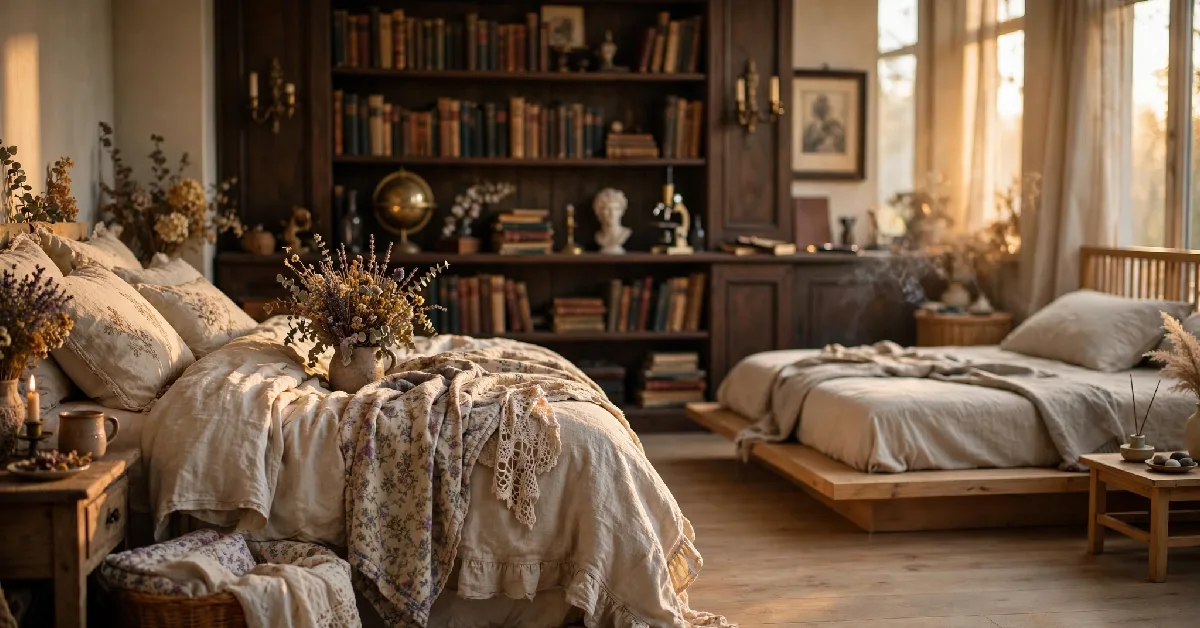
A bedroom aesthetic is a consistent visual theme, such as cottagecore, dark academia, or Japandi, built through colour, furniture shape, and texture choices. Picking one gives every purchase a purpose instead of a random mix. The right aesthetic depends on your light, room size, and how calm or bold you want the space to feel.
Open Pinterest for ten seconds and you will see it. Rooms wrapped in floral linen. Rooms lined with dark wood and old books. Rooms so bare they feel like a gallery. Each one has a name, and each one signals a different mood before you even walk in.
More than half of Gen Z homeowners planned a room makeover in 2025, the highest share of any generation, according to a Fortune and LendingTree survey. A big part of that project is choosing a bedroom aesthetic that actually fits how you live, not just how a photo looks online.
This guide breaks down seven bedroom aesthetic styles people are searching for right now, what each one needs to work, and how to pick between them without overspending.
What Is a Bedroom Aesthetic and Why It Matters
A bedroom aesthetic is a repeatable design language. It tells you what colours to reach for, what shapes belong in the room, and what to leave out. Without one, most bedrooms end up as a collection of items that don’t talk to each other.
Choosing a style first saves money later. You stop buying things because they are on sale and start buying things because they belong. It also makes small rooms read as intentional rather than crowded, since every piece supports the same idea.
The seven styles below cover a wide range, from soft and floral to bold and maximal, so most tastes and budgets have a starting point here.
Cottagecore Bedroom Aesthetic for Cozy Charm
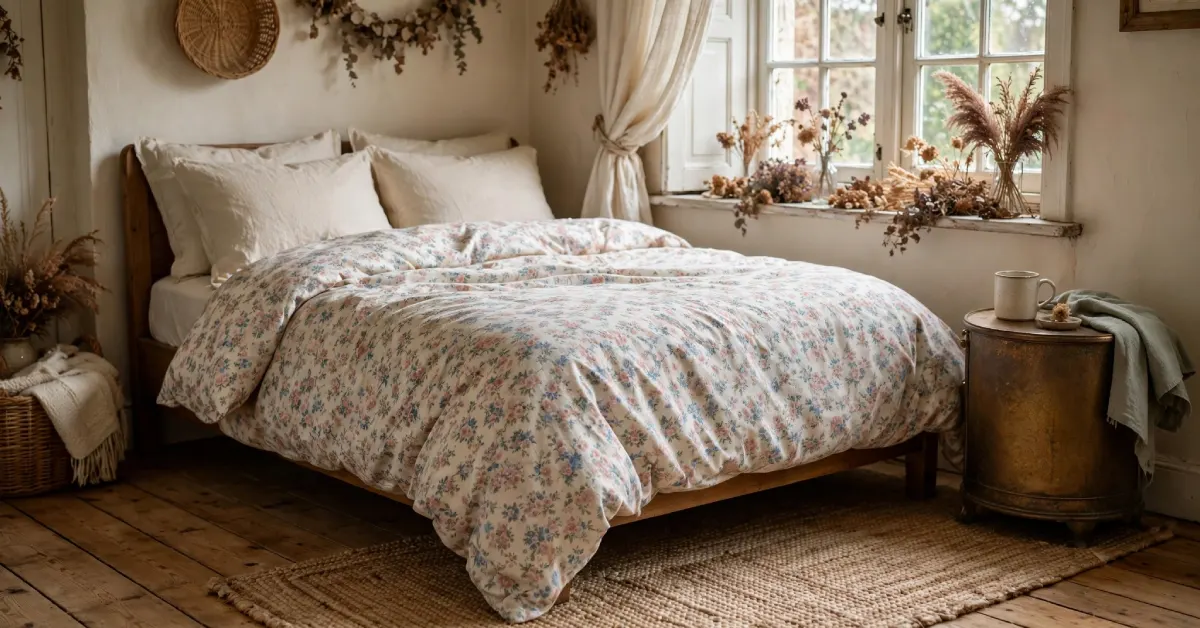
Cottagecore borrows from countryside living. Think florals, worn wood, gathered curtains, and soft lighting that feels closer to a candle than a ceiling fixture. The style leans on natural materials like linen, rattan, and cotton over anything glossy or synthetic.
To build this look, start with a quilt or duvet in a small floral print, then add a vintage-style side table and a woven rug. Layer in dried flowers or a small plant on the windowsill. Keep hardware in aged brass or worn iron rather than chrome.
Pinterest’s own trend reporting shows how far this style has spread. Searches for “dark cottagecore kitchen,” a moodier cousin of classic cottagecore, jumped 915 percent according to the platform’s Spring Trend Report, based on activity from its 600 million monthly users. That same pull toward warmth and nostalgia shows up in bedrooms, not just kitchens.
If you want a full room plan built around this softer look, our guide to cozy bedroom ideas walks through layering, lighting, and fabric choices in more depth.
Cottagecore works best in rooms with some natural light and at least one architectural detail, like a window seat or exposed beam, to anchor the theme.
Dark Academia Bedroom Aesthetic for Moody Warmth
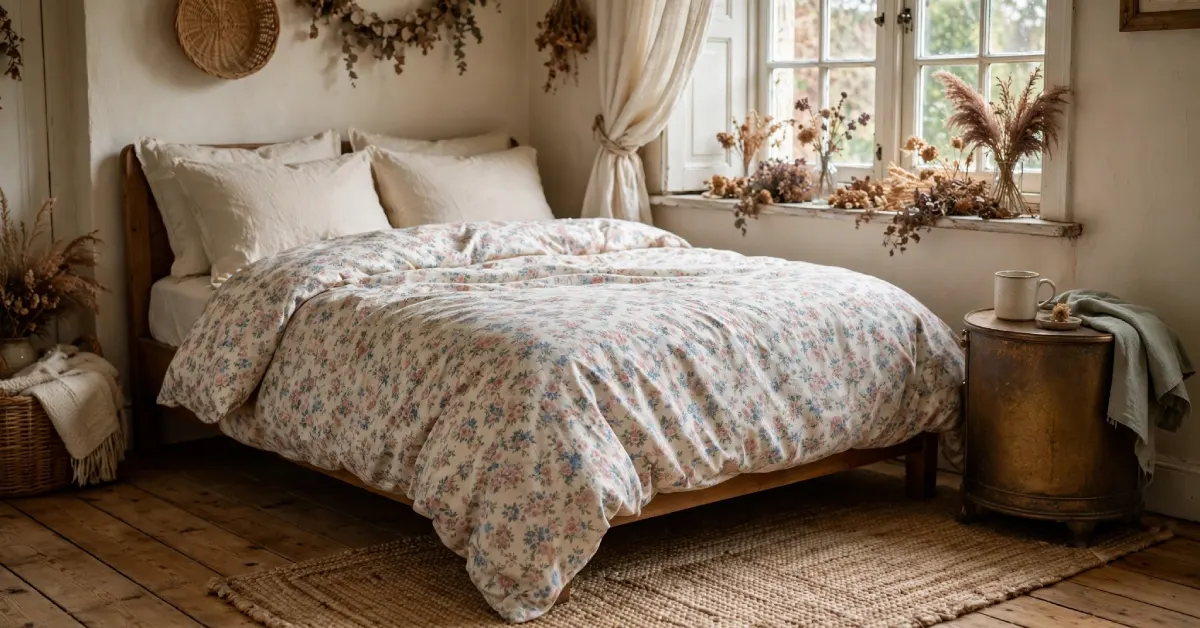
Dark academia takes its cues from old libraries and university studies. Deep greens, burgundy, and chocolate brown dominate the palette, paired with dark wood furniture and warm, low-level lighting instead of bright overhead fixtures.
Books matter here, and not as background props. A small shelf, a stack on a nightstand, or a reading chair in the corner all support the theme. Brass desk lamps, leather-look textures, and framed botanical prints round out the look.
Designer Marie Cloud of Indigo Pruitt Design Studio describes a related shift toward what she calls earthy cocooning, with cocoa brown and clay tones taking over from lighter palettes to create a calmer, more grounded bedroom. Dark academia fits squarely inside that same warm, low-light direction.
This style suits rooms that get less natural light, since the dark tones already assume a moodier atmosphere. A single well-placed reading lamp can do more work here than several ceiling fixtures.
Minimalist Bedroom Aesthetic for Calm Simplicity
 Coastal Grandmother Bedroom Aesthetic for Relaxed Comfort
Minimalist bedrooms strip the room back to what you actually use. A low platform bed, one or two pieces of storage, and a plain wall in white, greige, or soft grey form the base. Nothing sits on a surface without a reason to be there.
Storage does the heavy lifting in this style. Closed cabinets, under-bed drawers, and a single nightstand keep the floor and surfaces clear. Texture, through a boucle throw or a linen headboard, replaces pattern as the main visual interest.
The low platform bed trend fits naturally into this style, since its grounded, simple shape suits a room built on restraint rather than decoration. Pairing it with tall curtains or a floor plant helps balance the horizontal lines of the bed.
For a step-by-step approach to paring down a cluttered room, see our minimalist bedroom ideas guide, which covers storage-first layouts in detail.
This aesthetic is a strong pick for small rooms or shared spaces, since fewer objects mean less visual competition and more room to move.
Coastal Grandmother Bedroom Aesthetic for Relaxed Comfort
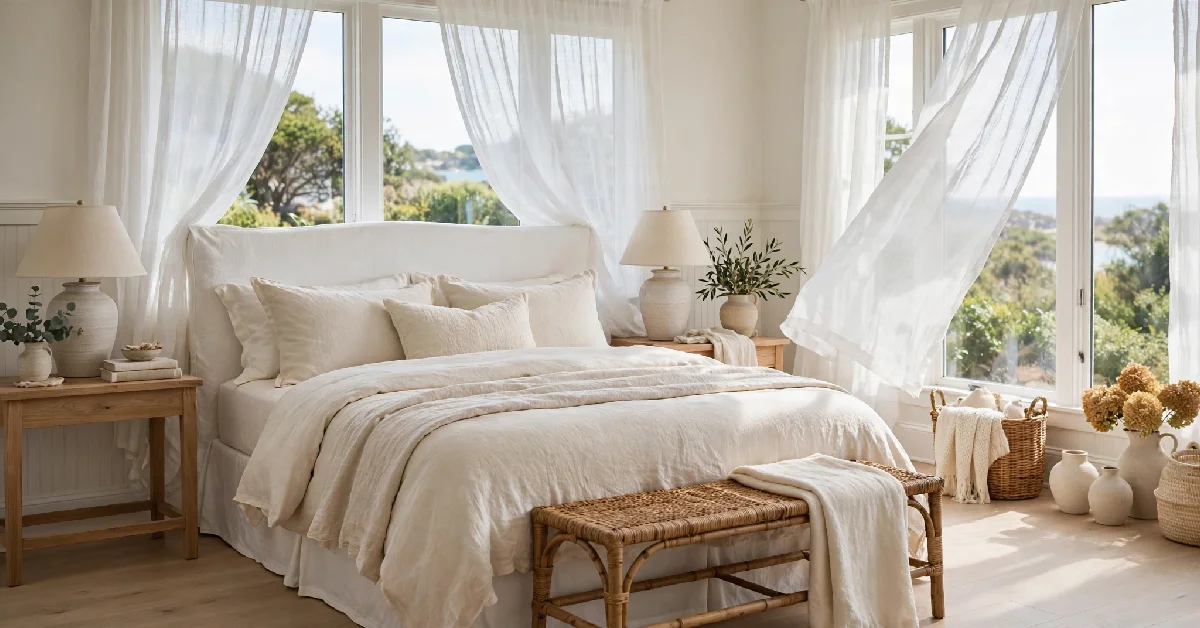
Coastal grandmother draws from beach houses and long summers rather than the ocean itself. Linen bedding in cream and soft blue, wicker or rattan furniture, and gauzy curtains create a room that feels lived-in rather than styled for a photo.
Layering is the main technique. A slipcovered headboard, a woven bench at the foot of the bed, and a stack of neutral throw pillows build depth without adding colour. Wood tones stay light, closer to washed oak than dark walnut.
This aesthetic favors comfort over precision, so imperfect, well-worn textures actually help the look rather than hurt it. A slightly rumpled linen duvet reads as intentional here, not messy.
Rooms with good natural light suit this style best, since the pale palette needs daylight to avoid feeling flat. A skylight or large window makes the difference between a coastal grandmother room and one that just looks pale.
Japandi Bedroom Aesthetic for Natural Balance
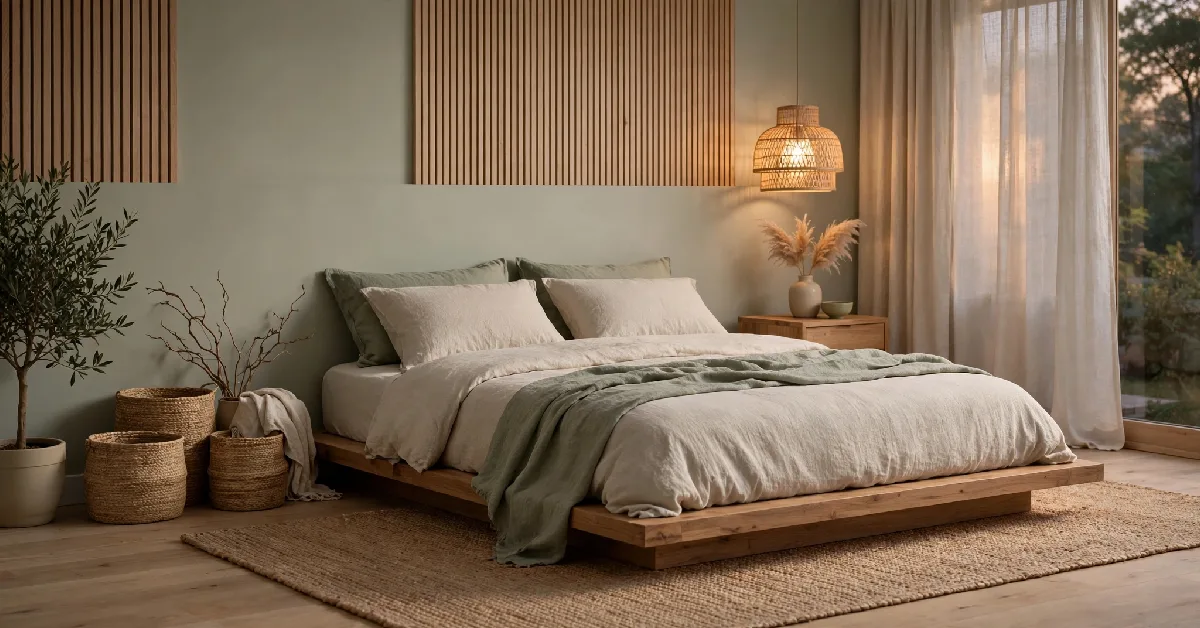
Japandi blends Japanese minimalism with Scandinavian warmth. The result sits between the starkness of pure minimalism and the softness of Scandinavian style, using natural wood, muted tones, and simple joinery instead of hardware-heavy furniture.
Low furniture, natural-fibre rugs, and a limited colour palette of oatmeal, sage, and charcoal define the look. Clutter has no place here, but the room should still feel warm rather than clinical.
According to a King Living review of more than 3,000 bed purchases, 56 percent of customers chose neutral tones for their bedrooms, with warmer browns gaining ground, a pattern that lines up closely with the Japandi palette. Interior designer Sean Symington adds that bedrooms are becoming calmer overall, with layered textures and warm, grounding colours replacing bold patterns.
Here are the core pieces most Japandi bedrooms share:
- A low platform bed in light or natural-toned wood
- A jute or wool area rug with no strong pattern
- Woven storage baskets instead of visible plastic bins
- One or two ceramic or linen accents, kept to muted tones
- Soft, warm lighting instead of cool white bulbs
Japandi rewards patience more than any other style on this list, since the look depends on restraint and quality materials rather than volume.
Maximalist Bedroom Aesthetic for Bold Personality
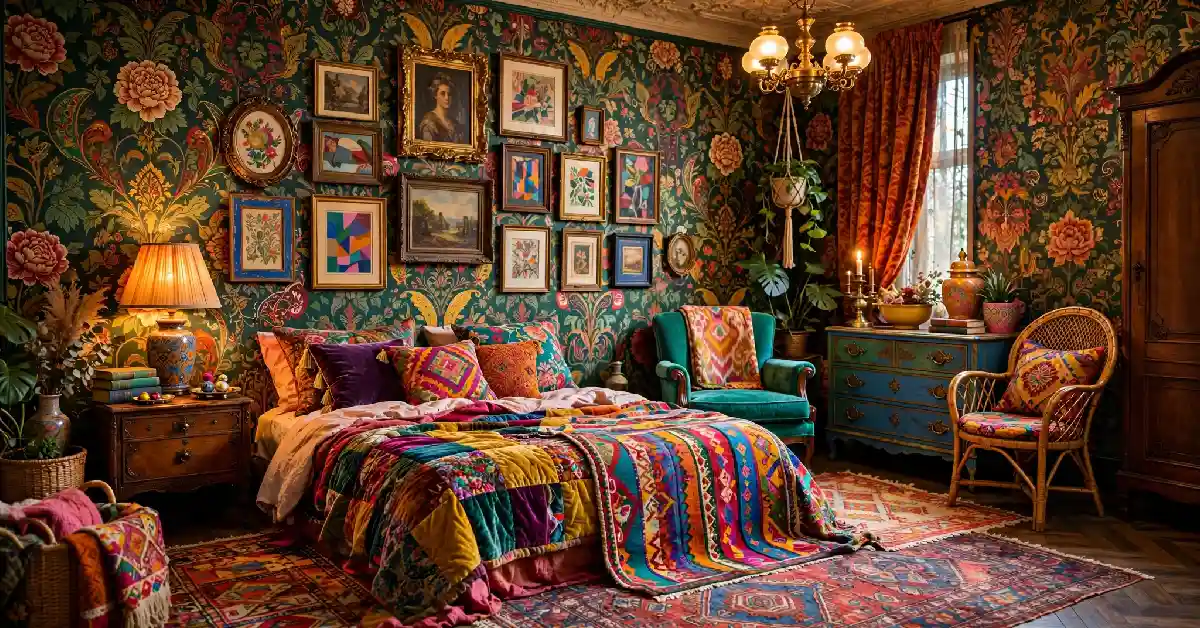
Maximalist bedrooms reject the idea that less is more. Bold wallpaper, layered patterns, and a mix of eras and colours combine into a room that reads as a personal collection rather than a matched set.
The trick to making this work is a shared thread, whether that’s a repeated colour, a consistent era of furniture, or one dominant pattern that ties everything else together. Without that thread, maximalism can slide into clutter fast.
Gallery walls, patterned rugs layered over each other, and mismatched vintage lighting all suit this style. Ceilings are fair game too, since a patterned or colored ceiling adds another layer without taking up floor space.
This aesthetic works well for people who already collect art, textiles, or vintage furniture, since it gives those pieces a place to live together instead of sitting scattered through the house.
Y2K Bedroom Aesthetic for Playful Shine
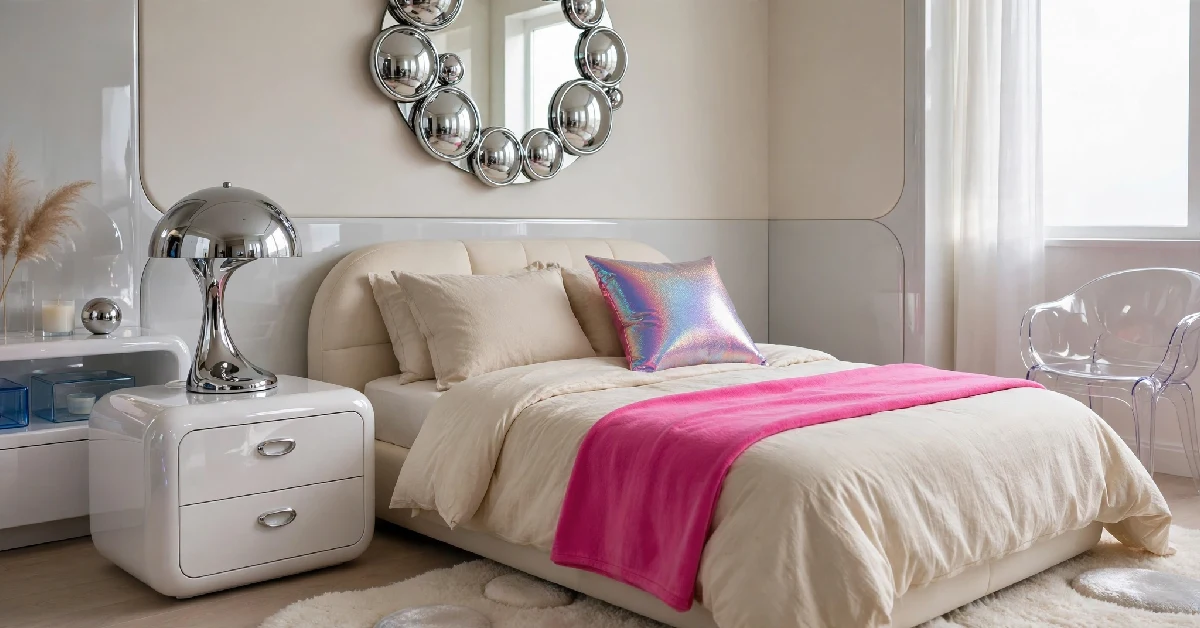
Y2K pulls from early 2000s design, with metallics, chrome accents, and glossy or iridescent surfaces standing in for the natural textures found in most other styles on this list. Think a chrome lamp, a glossy nightstand, or bedding with a subtle shimmer.
Colour leans bright but controlled, often built around one or two accent shades like hot pink or electric blue against a mostly neutral base. Curved furniture and bubble-shaped mirrors round out the retro-futuristic feel.
Pinterest reported an 80 percent jump in searches for iridescent and metallic home styles heading into this year, a sign that Y2K has moved past nostalgia and into an actual decorating category people plan around.
This style suits anyone who wants a bedroom that photographs well and stands out, though it works best kept to a few statement pieces rather than applied to every surface in the room.
How to Choose Your Bedroom Aesthetic Style
Picking a bedroom aesthetic comes down to three questions: how much natural light your room gets, how much storage you actually need, and how bold you want the space to feel day to day.
Start by matching light to palette. Dark, moody styles like dark academia suit rooms with less natural light, since they are built around lamps and warmth rather than daylight. Pale, airy styles like coastal grandmother or Japandi need real daylight to avoid looking washed out.
Next, be honest about storage. If you live in a small space or share a room, minimalist or Japandi styles keep the floor clear and the room functional. If storage is already sorted elsewhere in your home, cottagecore or maximalist styles can take over more visually without becoming impractical.
Finally, decide how much change you actually want. A full maximalist or Y2K room is a bigger commitment than a few Japandi-style swaps. If you’re not ready to repaint or replace furniture, our broader bedroom ideas guide has lower-commitment ways to shift a room’s mood with bedding, lighting, and accessories alone.
Whichever style you land on, apply it in this order for the best result:
- Wall colour or wallpaper, since it sets the base for everything else
- Bed frame and bedding, the largest visual block in the room
- Lighting, which changes how every other colour reads at night
- Textiles like rugs and curtains
- Small accents and personal items last
FAQs
What is the most popular bedroom aesthetic right now?
Cottagecore and dark academia remain the most searched bedroom aesthetics, though Japandi and coastal grandmother have grown quickly as more people look for calmer, less cluttered rooms.
Can I mix two bedroom aesthetic styles?
Yes, as long as one style leads and the other stays in the background. A Japandi base with a few dark academia accents, like a leather-look reading chair, tends to work better than splitting the room evenly between two looks.
How much does it cost to redo a bedroom aesthetic?
Cost depends entirely on how much you replace. Swapping bedding, a rug, and lighting can shift a room’s aesthetic for a modest budget, while a full furniture change costs significantly more. Start with the largest visual surfaces, like bedding and walls, before buying new furniture.
Do bedroom aesthetics only work in large rooms?
No. Minimalist and Japandi styles were built with small spaces in mind, since both rely on limited furniture and clear storage rather than square footage.
How do I know which bedroom aesthetic suits my personality?
Look at what you already own and enjoy outside your bedroom, whether that’s vintage finds, plants, or clean modern pieces. The aesthetic that matches your existing habits is easier to maintain than one you have to force.