

The main winter holidays in December 2026 include Hanukkah (begins at sundown on December 4), the winter solstice and Yule (December 21), Christmas Eve (December 24), Christmas Day (December 25), and Kwanzaa (December 26 to January 1). Dates vary by calendar and region, so confirm exact times for your community before planning.
December fills up quickly. Several holidays fall within a few weeks of each other in 2026, and many families juggle travel, work, school breaks, and gatherings all at once. Knowing the main dates early helps you plan without last-minute stress.
Most of these holidays share a season, but they celebrate different things. Some are religious. Others are cultural or tied to the natural year. You do not need to observe every one to appreciate what it means to the people who do.
Why Winter Holidays Cluster in December
The winter solstice marks the point when the Northern Hemisphere receives the least sunlight of the year. Long before modern calendars, many cultures marked this turning point. Communities needed to store food, stay warm, and gather together. Over the centuries, those midwinter gatherings grew into religious and cultural holidays.
Today the overlap is partly historical and partly practical. Religious observances, national holidays, and school breaks often land in the same weeks. Many people also take time off in December. That makes the month feel crowded, even for households that do not observe any of these holidays.
Major Winter Holidays and Their 2026 Dates
Here are the main dates for December 2026:
- Hanukkah begins at sundown on Friday, December 4, and ends at nightfall on Saturday, December 12.
- The winter solstice falls on Monday, December 21, at 3:50 p.m. Eastern time. Many people also mark Yule on this day.
- Christmas Eve is Thursday, December 24.
- Christmas Day is Friday, December 25. It is a federal holiday in the United States.
- Kwanzaa runs from Saturday, December 26, through January 1.
Dongzhi, the winter solstice festival in Chinese culture, usually falls around December 21 or 22. Bodhi Day dates vary by Buddhist tradition, and secular Bodhi Day is often observed on December 8. Check a trusted local calendar for exact timing in your area.
Christmas Day and Christmas Eve in 2026
Christmas falls on a Friday this year. For many households, that creates a long weekend for people with Friday off. Christmas Eve on Thursday often becomes the main gathering night, with church services, family dinners, and gift exchanges.
Traditions vary widely. Some families open presents on Christmas Eve. Others wait until the morning. Many schools and businesses close for the holiday, but exact schedules depend on the employer and region. The U.S. Office of Personnel Management publishes the federal holiday schedule each year, which is a reliable place to confirm dates for government and many private employers.
If you run a business, post your holiday hours early. Customers plan their orders and visits around posted closures, and clear notice prevents frustration.
Hanukkah, Yule, and the Winter Solstice
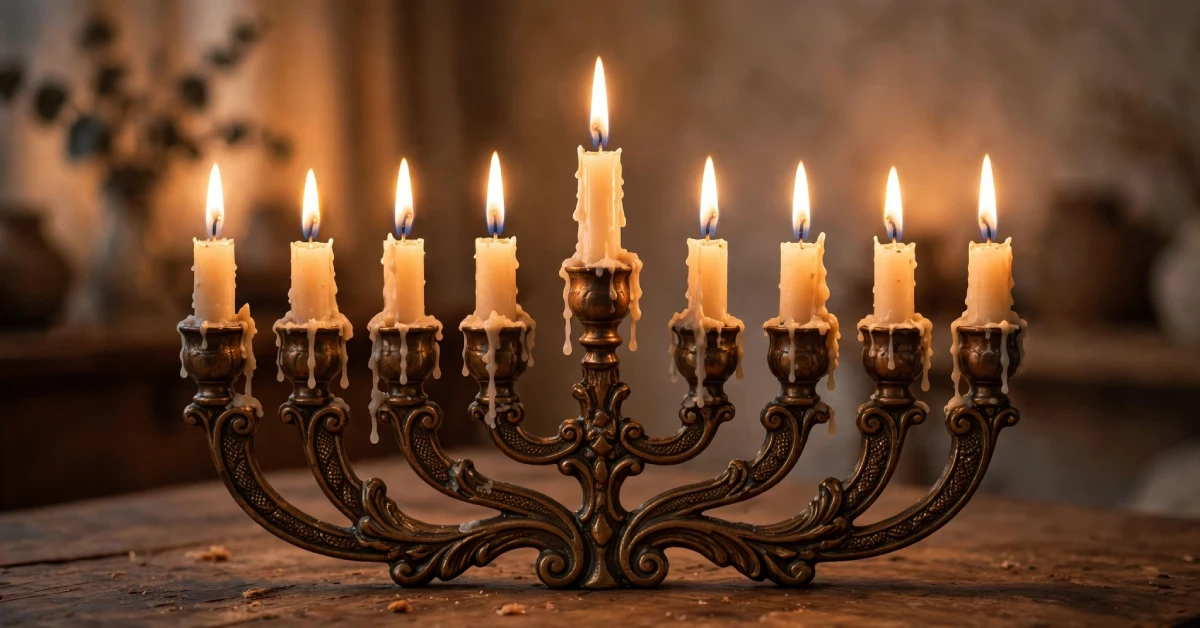
Hanukkah is the Jewish Festival of Lights. It lasts eight nights and begins at sundown on December 4 this year. Families light a menorah each evening, adding one candle per night. Many households also share fried foods such as latkes and sufganiyot, and children often play dreidel.
Yule has roots in ancient Germanic midwinter celebrations. Many people mark it on the winter solstice, the shortest day of the year in the Northern Hemisphere. Traditions often include evergreen decorations, candles, and feasts that welcome the longer days ahead.
If you plan to attend a Hanukkah event or host a candle lighting, ask your local synagogue or community centre for the evening schedule. Lighting times depend on sundown, so they shift slightly from day to day.
Kwanzaa, Bodhi Day, and Other Observances
Kwanzaa is a week-long celebration of African American and pan-African culture. It runs from December 26 through January 1. Each day focuses on one of seven principles, known as the Nguzo Saba. These principles include unity, self-determination, and cooperative economics. The week ends with a communal feast called Karamu.
Bodhi Day honours the Buddha’s enlightenment. Many Buddhist communities observe it with meditation, reflection, and acts of kindness. Some people choose to mark the day by volunteering or donating time, which fits the spirit of the observance.
Dongzhi is often a time for family meals. Many households eat tangyuan, sweet rice dumplings, to symbolise togetherness. The custom reflects the same midwinter theme that runs through many of these holidays.
Plan Your Winter Holiday Calendar Early
Start with a shared calendar. Mark each date that affects your household, including religious observances, school breaks, and work schedules. Then identify which events need travel, gifts, or extra preparation. A simple list works well:
- Mark every holiday and school closure on one shared calendar.
- Confirm exact times for sundown-based holidays such as Hanukkah.
- Set deadlines for travel bookings and gift orders.
- Share the plan with family members and coworkers.
Confirm details before you finalise plans. Calendars often disagree on exact start times, especially for holidays that follow the Hebrew or lunar calendar. A quick check with a community source or a trusted calendar service prevents conflicts later.
Holiday decorating can also make a home feel warm without a large budget. Browse secondhand finds in our guide to online thrift store home decor for affordable pieces that suit the season.
How Schools and Workplaces Plan Around Holidays
Employers and schools usually publish closure calendars well in advance. Check your employer’s policy and your children’s school calendar before booking travel. Many winter closures fall in the same two weeks, so flights and hotels can fill quickly.
If you manage a team, ask staff early which dates they need off. Offering flexibility for religious observances shows respect and reduces last-minute requests. A short survey in early fall can save hours of scheduling work later.
Tips for Families With Multiple Traditions
Families with mixed traditions often find that shared rituals work best. One meal can honour several holidays. Some households light candles one evening and host a dinner the next. Others set aside a day for a family walk, a game night, or a volunteer activity that reflects shared values.
Talk early about expectations. Ask each person which traditions matter most to them. Agree on who will cook, host, or travel. Write down the decisions so nobody is confused later.
Children often benefit from a simple explanation of each holiday. Short stories, books, or a visit to a community event help them understand why others celebrate differently. This builds curiosity and respect.
Plan for rest. Winter holidays can be tiring, especially with long travel days and busy evenings. Schedule quiet days between events, and keep at least one weekend free.
Wall art and small décor pieces are an easy way to add seasonal colour to a child’s room or a shared space. For simple ideas, see our post on posters on wall bedroom designs, which shows how to add warmth without a full redesign.
For a child’s room specifically, our article on girls’ bedroom ideas covers low-cost updates that suit the season.
Final Thoughts on Winter Holiday Planning
December brings many celebrations, each with its own history and meaning. Knowing the key dates for 2026 helps you plan travel, work, and family time without confusion. Confirm exact times for holidays tied to sunset or the lunar calendar, and talk with your household early about shared plans. A little preparation now leaves more room to enjoy the season.
FAQs About Winter Holidays
When does Hanukkah start in 2026?
Hanukkah begins at sundown on Friday, December 4, 2026, and ends at nightfall on Saturday, December 12.
Is Christmas Day 2026 a federal holiday?
Yes. Christmas Day falls on Friday, December 25, 2026, and the U.S. federal government observes it as a holiday.
When is the winter solstice in 2026?
The winter solstice falls on Monday, December 21, 2026, at 3:50 p.m. Eastern time.
How long does Kwanzaa last?
Kwanzaa lasts seven days, from December 26 through January 1.
Do I need to observe every winter holiday?
No. Choose the traditions that matter most to your family, and show respect for the ones that matter to others.