

A new boiler often brings lower bills, better controls, and fewer breakdowns, and a typical gas model lasts 10 to 15 years. The main drawbacks are upfront cost, installation disruption, and the need to choose the right size and type for your home. Compare efficiency ratings, confirm the installer is Gas Safe registered, and get three quotes before committing.
Most homeowners only think about their boiler when the heating stops on a cold morning. If yours is more than 10 years old, you may already be weighing a replacement. A new boiler can lower gas use, improve control over your heating, and reduce the risk of sudden breakdowns. It also brings a large upfront cost, a day or more without heating, and the need to choose the right model for your home. This guide covers both sides so you can decide with confidence.
Key Benefits of Buying a New Boiler
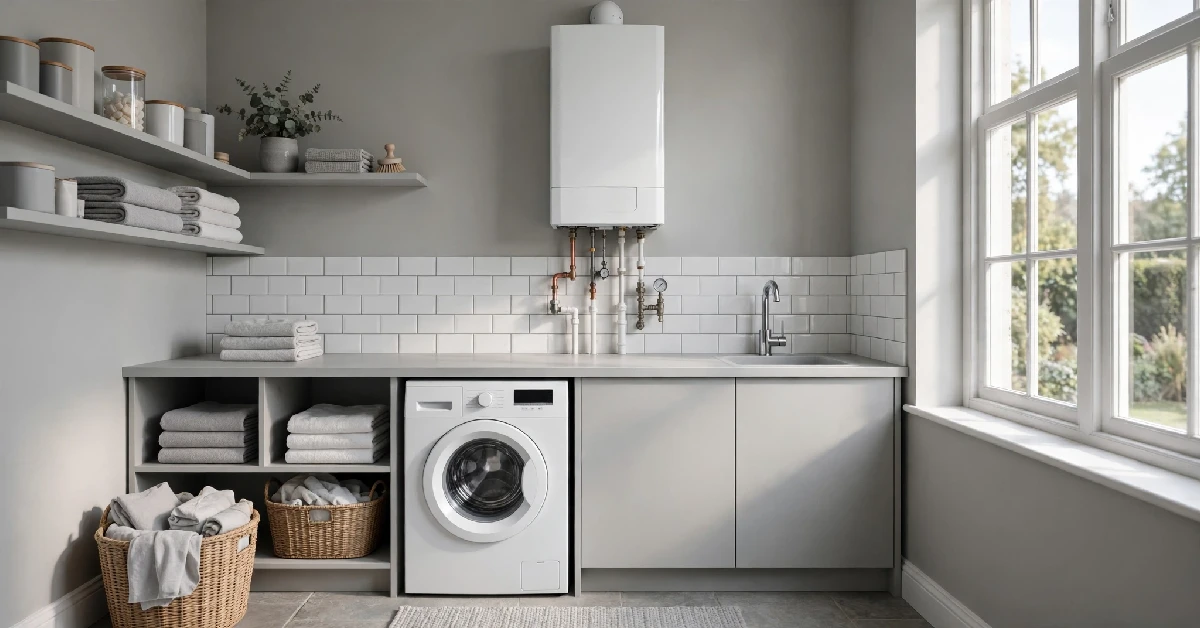
Modern boilers work far more efficiently than many units still running in British homes. Most new gas boilers are condensing models. They recover heat from exhaust gases that older boilers vent straight outside. Energy Saving Trust notes that a typical gas boiler lasts about 10 to 15 years, and older units often waste far more of their fuel than current models do.
The main advantages of replacing an older unit include:
- Lower gas use. Higher efficiency means less fuel for the same amount of heat, which can reduce bills over time.
- Fewer breakdowns. New parts and a manufacturer warranty lower the chance of unexpected call-outs in the early years.
- Better controls. Weather compensation, smart thermostats, and zoning help match heat output to what your home actually needs.
- Improved safety. New appliances meet current standards for flue design and safety shut-off systems.
- Room for future upgrades. A modern boiler can work with a hot water cylinder and, in some systems, with solar thermal panels or a later move to a heat pump.
Warranty terms vary widely between manufacturers. Read the conditions carefully, especially any requirement for annual servicing by a Gas Safe registered engineer. Missing a service can void cover, which turns a useful benefit into an expensive surprise.
Lower Running Costs and Energy Savings
Your savings depend on your current boiler, your household habits, and your energy tariff. A very old boiler offers the biggest gain. A younger, well-serviced unit may show only a modest improvement, so compare the efficiency of your current boiler with the new model before you assume a large saving.
Controls matter as much as the boiler itself. Boiler Plus rules, which took effect in England in 2018, require most new gas boilers to include certain energy-saving controls. Pair those controls with thermostatic radiator valves so you can heat only the rooms you use. Sensible timer settings and room temperatures cost nothing and add to the savings.
Sizing also affects running costs. An oversized boiler switches on and off frequently, which wastes fuel and wears components faster. An undersized boiler runs constantly on cold days and may never reach the temperature you want. A heating engineer should calculate your home’s heat loss before recommending an output. Heat escaping through windows and gaps adds to the load, so you can also review practical ways to insulate windows and keep heat in before you choose a boiler size.
Comfort and Reliability Gains After Replacement
Comfort is one of the most noticeable changes after a replacement. A modern system heats rooms more evenly, reaches the set temperature more quickly, and holds that temperature with less cycling. Many homeowners notice that radiators reach full heat sooner, which makes cold mornings more bearable.
Reliability matters just as much. An older boiler may run fine for years, then fail during a cold snap when engineers are busiest. A new unit with a warranty and a clear service history gives you predictable running costs and fewer surprise call-outs. That predictability is easy to overlook until a breakdown leaves the house cold for two days. If you want to keep the whole house comfortable through every season, our guide to keeping your home comfortable through every season covers the broader picture.
Hot water performance also improves with the right setup. A correctly sized combi or cylinder delivers steady flow for showers and taps, which helps busy households avoid the frustration of sudden temperature drops.
Drawbacks of Buying a New Boiler

A new boiler is a major purchase, and the downsides deserve as much attention as the benefits.
- High upfront cost. Installation often runs to several thousand pounds, depending on the boiler type, labour, and any pipework or flue changes.
- Installation disruption. Expect heating and hot water to be off for a day or more. Some homes also need access to bathrooms and cupboards during the work.
- Surprise extras. Quotes can rise if the system needs a power flush, new radiator valves, a magnetic filter, or a new flue.
- Sizing mistakes. An undersized boiler struggles in winter, and an oversized one wastes fuel through frequent cycling.
- Limited savings for newer systems. If your current boiler is young and well maintained, the payback period may stretch out for years.
Weigh these points against your current boiler’s age, condition, and service history before you commit. A replacement that makes sense for a 17-year-old boiler may not justify the cost for one that was installed five years ago.
Upfront Costs and Installation Disruption
Get at least three written quotes from Gas Safe registered engineers. Check that each quote names the same boiler model, states the warranty terms, and explains what happens to the old unit. A line-by-line comparison exposes hidden costs and makes the cheapest offer easier to judge.
Ask each installer whether the price covers removing and disposing of the old boiler, a flue check, a system clean, and the first service. Also ask about payment options, and confirm who registers the warranty. Some manufacturers require the installer to register it, while others expect the homeowner to do so within a set period.
Government support can help in some cases, although it works differently from what many people expect. The Boiler Upgrade Scheme in England and Wales offers grants for heat pumps and biomass systems, but it does not cover standard gas boilers. Check GOV.UK for current eligibility and grant levels, since these change over time.
Plan the timing as well. Installers are often busiest during the coldest months, so booking during spring or early autumn can reduce waiting times and give you more flexible scheduling.
How to Choose the Right Boiler Type
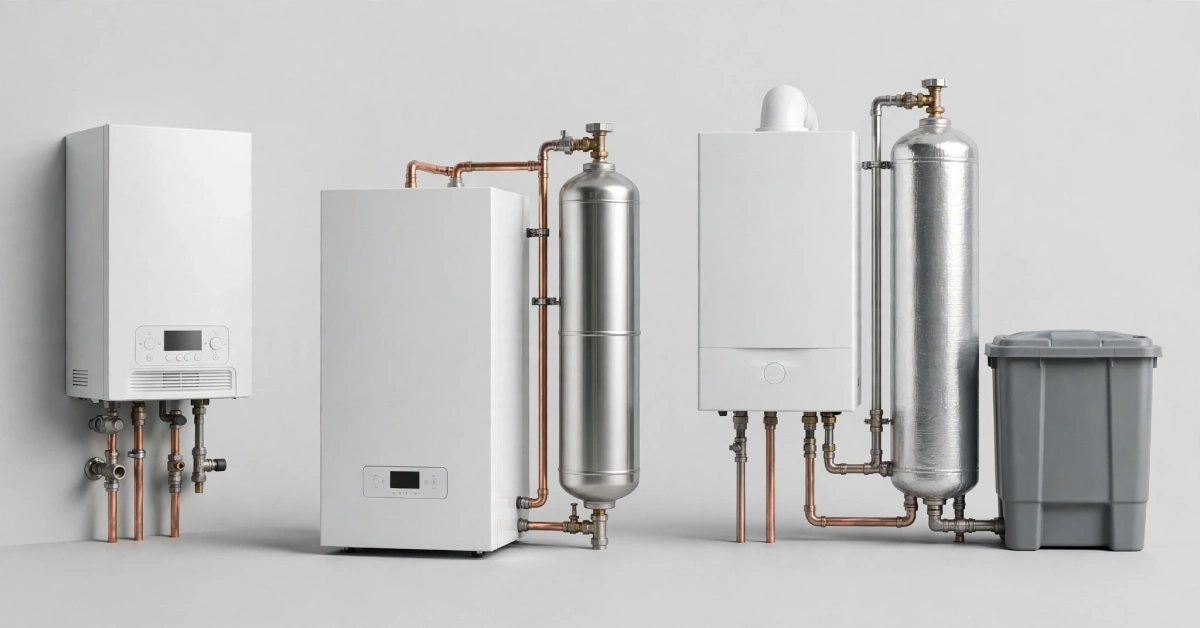
Most UK homes choose between three main boiler types, and each suits a different kind of household. A combi boiler heats water directly on demand and takes up little space. It suits smaller homes with one bathroom and moderate hot water use. A system boiler works with a separate hot water cylinder, which makes it a good fit for homes with two or more bathrooms and higher demand. A regular boiler, sometimes called a heat-only or conventional boiler, uses a cylinder and a cold water tank. It suits larger homes and properties with low mains water pressure.
Start by checking your mains water pressure and flow rate. A combi needs enough pressure to supply hot water to several outlets at once. Then count your bathrooms and note your typical peak usage, such as morning showers. A heating engineer can turn these details into the right output in kilowatts.
Think about plans too. If you expect to add a bathroom, build an extension, or move toward a low-carbon heating system, choose a setup that can adapt. A small extra cost now can save a costly redesign later.
When Repair Makes More Sense
A new boiler is not always the right answer. If the unit is relatively young, has been serviced every year, and needs only a minor part, a repair may cost far less than replacement. Ask your engineer whether the heat exchanger is sound. That component is expensive to replace, and damage to it often signals that the whole unit is nearing the end of its life.
Repair usually makes less sense when the boiler is near or past its expected lifespan, parts are hard to source, or breakdowns happen every few months. In those cases, repair bills add up quickly, and a new unit often delivers better value over the long term. Keep a simple record of each repair and its cost. That log makes the decision far easier to judge.
FAQs
How long does a new boiler last?
Energy Saving Trust indicates that a typical gas boiler lasts about 10 to 15 years. Annual servicing, prompt repairs, and good water quality all help it reach the upper end of that range.
Do I need a Gas Safe engineer to install a boiler?
Yes. Gas work in the UK must be carried out by a Gas Safe registered engineer. You can check any engineer’s registration on the Gas Safe Register website before you agree to the work.
Is a condensing boiler worth the extra cost?
For most UK homes, yes. Condensing models are the standard for new installations, and they recover heat that older boilers lose through the flue. The higher efficiency usually pays back over the boiler’s working life, although the exact time depends on your usage and tariff.
Can I replace my boiler myself?
No. Installing or altering a gas appliance without Gas Safe registration is illegal in the UK. It can also invalidate your home insurance and boiler warranty.