

Buying or selling a home in Britain has always taken time, but the wait has grown longer than many people expect. Rightmove data published in July 2026 shows the full journey from listing to completion now averages more than seven months. Each stage depends on solicitors, lenders, surveyors, and every other party in the chain, so one delay can affect the whole move.
That is a long time to wait without clear answers. This guide explains where the time goes, which delays you can control, and how to protect yourself if a sale falls apart. Whether you are moving up, downsizing, or buying your first home, you will finish with clearer expectations and a practical plan.
Navigating the Property Jungle: Today’s Timeline
 Why Property Sales Take So Long
Every sale splits into two stages. The first is finding a buyer, which Rightmove puts at an average of 62 days. The second is the legal and financial work between agreeing a price and completing, which averages 154 days. Together, those two stages make up the seven-month total.
Your location changes the picture considerably. London is the slowest region, with agreed sales taking an average of 174 days to complete. The North East is quicker at 141 days. Scotland is fastest at 98 days, helped by a legal process that relies more on upfront information such as Home Reports.
Property type also matters. Flats are the slowest to complete, averaging 169 days, while terraced and semi-detached homes take around 149 days.
You may see other figures online, and that can be confusing. A government roadmap published in June 2026 uses an average of about 120 days from offer accepted to completion, based on 2025 research from Landmark Information Group. These numbers measure different points in the process, so check which measure a source uses before you compare them.
Why Property Sales Take So Long

Most delays come from paperwork rather than the property itself. Conveyancing, the legal work that transfers ownership, usually takes 10 to 14 weeks for a straightforward freehold sale. Leasehold sales often take 14 to 20 weeks because they involve extra checks on the lease, ground rent, and management arrangements.
Searches add their own pauses. Local authority and environmental searches must return before the solicitor can fully report to the buyer. Each answer often leads to more questions, and every round trip adds days.
Chains multiply the problem. A chain-free buyer can complete in about eight weeks if everyone moves at the same pace. Each extra link adds risk, because the whole chain moves only as fast as its slowest seller.
Buyers feel this pressure keenly. In a survey of 1,000 homeowners by the solicitors Lyons Bowe, 65% of respondents said conveyancing was the longest part of the buying process. The same survey found that 22% of buyers saw the time from accepting an offer to completion stretch beyond six months.
Failed sales add further strain. TwentyEA estimated that 23.7% of UK agreed sales fell through in the first quarter of 2026. That means roughly one agreed sale in four did not reach completion.
How Long Each Stage Really Takes
Each step has a typical range. Your solicitor, your lender, and the people in your chain will shape the actual timing, but these ranges offer a sensible starting point.
- Finding a property: Zoopla suggests three to 12 months for the search stage, depending on your budget, your location, and how flexible you are on features.
- Survey: Most property surveys take about one to two weeks to arrange and complete, though findings can prompt further discussions.
- Mortgage offer: Lenders usually issue a formal offer after their valuation. Applying early reduces the risk of waiting until the last moment.
- Conveyancing: Expect 10 to 14 weeks for a straightforward freehold sale and 14 to 20 weeks for leasehold.
- Exchange and completion: Once both sides are ready, exchange can take one day to two weeks, and some sales complete on the same day.
Exchange deserves special attention. Propertymark reported in April 2026 that some buyers and sellers faced waits of up to 17 weeks to exchange contracts. Ask your solicitor whether any step in your transaction is running slower than usual.
Common Reasons Sales Collapse
Most collapsed sales trace back to a small number of causes. Recognising them early gives you a better chance of handling them well.
- Survey findings that change the price. A structural or damp issue can lead to renegotiation or withdrawal.
- Mortgage problems. A lender may lower its valuation or withdraw an offer, leaving the buyer short of funds.
- Chain breakdowns. One seller who pulls out can derail the transactions around them.
- Slow replies. Unanswered searches and enquiries hold up the process, sometimes for weeks.
Some lenders will not advance funds to a buyer purchasing a property that the seller has owned for less than six months. If you bought recently and plan to sell quickly, speak to your agent and lender before you list.
Steps to Speed Up Your Move
You cannot control every delay, but you can remove many of the avoidable ones. Start with preparation before the property goes on the market.
Gather your documents early. Title documents, guarantees, planning certificates, and an Energy Performance Certificate (EPC) should be ready before marketing begins. Missing paperwork is one of the easiest delays to prevent.
Choose your solicitor carefully. Ask about their typical timescales, who will handle your file, and how they keep clients updated. A solicitor who responds quickly to enquiries can save weeks over the course of a sale.
Secure a mortgage agreement in principle before you make an offer. This shows sellers you are serious and reveals any borrowing limits early. It also prevents the frustrating discovery that finance falls short at the final stage.
Book your survey promptly once your offer is accepted. Early results give you time to ask questions, negotiate, or withdraw before you have spent too much on legal fees.
Reply to requests within a day or two. Slow responses to searches, questionnaires, and solicitor requests cause some of the longest delays. Keep a simple log of who has been asked for what, and follow up politely when deadlines pass.
Survey results sometimes point to heating problems. If your survey flags an ageing boiler or an unreliable heating system, arrange a qualified check before you commit to a price. Our guide to HVAC service in my area covers what a professional visit can tell you.
What Sellers Should Expect
Sellers face their own timeline. After you instruct an agent, the property is marketed, viewings take place, and offers arrive. Accepting an offer marks the start of the legal stage, not the finish.
Respond to your solicitor’s questions quickly. Sellers often need to supply property information forms, fixtures lists, and evidence of work completed. Gaps in these answers can hold up the whole chain.
Agree a completion date that suits everyone. Many sellers coordinate moving day with their buyer and their next purchase. A realistic date reduces pressure on both sides.
Your own move may depend on your buyer’s progress. Plan some flexibility into your moving arrangements, especially if you are buying in the same chain.
Protecting Your Money Before You Commit
The government announced major reforms to home buying and selling in June 2026. The plan includes mandatory surveys and an upfront sales pack for residential transactions from late 2026 onwards. The stated aim is to reduce collapsed sales and shorten timelines. Check the current position with your solicitor, as details and timing may change.
Until those changes take effect, information remains your best protection. Read your survey in full rather than skimming the summary. Ask your solicitor to flag legal issues early, and avoid spending more than you need before searches come back.
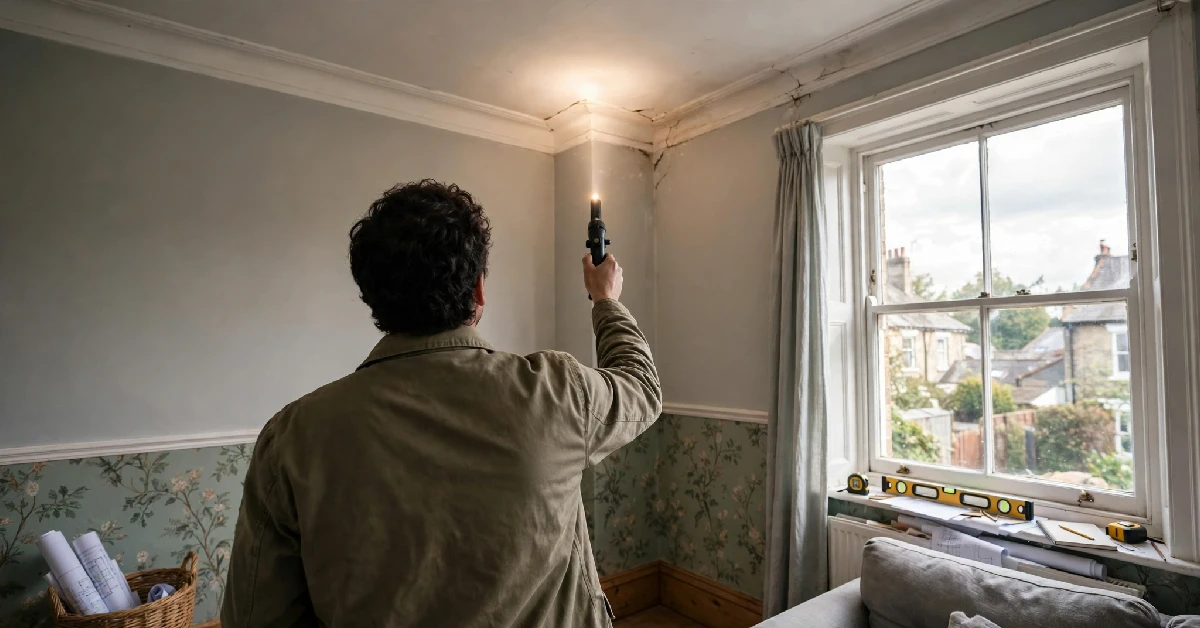
Damp patches, staining, or signs of water ingress deserve a closer look. A specialist assessment can confirm whether an issue is minor or points to a larger problem. Our overview of expert water damage restoration services explains when professional help may be worth considering.
Final Thoughts
Property moves in Britain are slow, and much of that delay sits outside your control. You can still influence a good deal of it. Understand the typical timeline, prepare your paperwork early, and keep your solicitor and agent responsive.
Planning for a seven-month process can make it far less stressful. Expect some delays, build in flexibility, and check information at each stage. If you want practical guidance on preparing your home for sale or checking its condition before you buy, contact our team.
FAQs
How long does it take to buy a house in the UK?
Zoopla suggests the sale process usually takes 15 to 20 weeks from the point you find the right home. Chains, surveys, and mortgage delays can extend that period considerably.
Why does conveyancing take so long?
Conveyancing depends on searches, enquiries, and checks on title and contracts. Each step relies on replies from other parties, so one slow answer can hold up the whole file. A straightforward freehold sale typically takes 10 to 14 weeks.
Can a house sale complete in four weeks?
It is possible but uncommon. Everything must be ready on both sides, including no chain, finance in place, paperwork prepared, and fast search results. No official figure exists for the fastest sales.
What causes most sales to fall through?
Survey findings, mortgage problems, and chain breakdowns are among the most frequent causes. Preparing documents early and responding quickly to requests lowers the risk.