

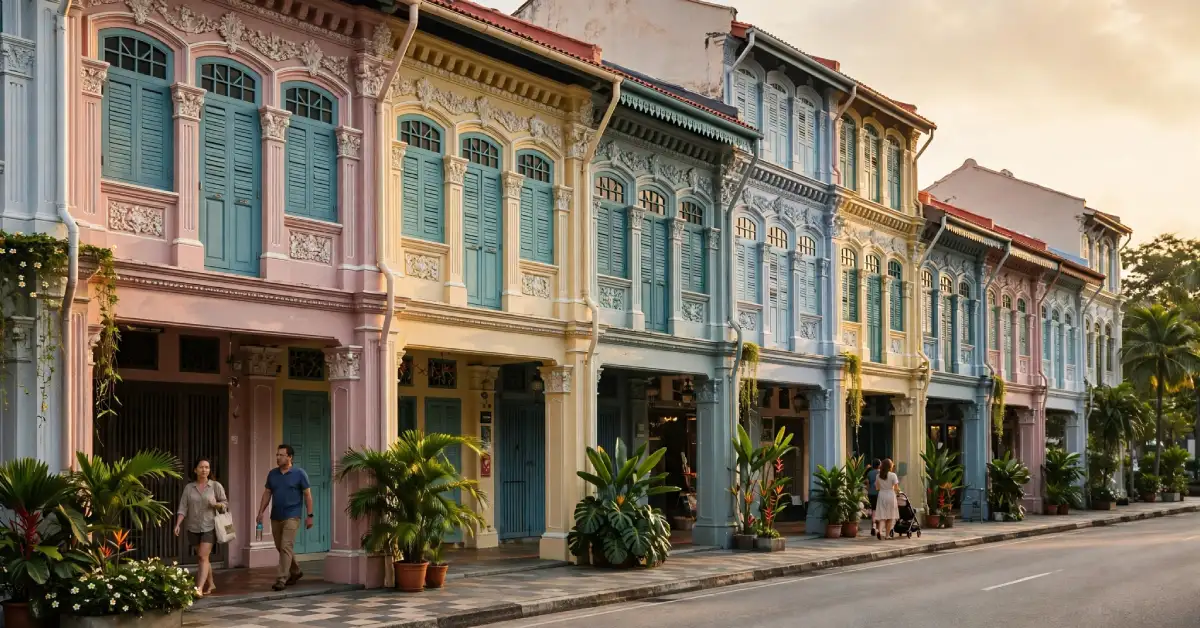
Singapore’s architecture blends heritage conservation, tropical design and strict sustainability standards. The Urban Redevelopment Authority has conserved over 7,200 buildings and structures since 1989, and the BCA Green Mark scheme has certified more than 2,700 buildings. Below, you will find what defines the city’s built environment and what to notice on a walk through its streets.
Few cities pack as much building history into so little land as Singapore. Colonial shophouses sit beside glass towers, and mid-century housing blocks stand within walking distance of modern office complexes. The mix looks effortless from the street, but it reflects deliberate decisions made by planners, owners and architects over several decades.
If you own a property, enjoy design, or plan a visit, understanding those decisions helps you read the skyline with more confidence. This guide covers the policies behind the city’s buildings, the design features worth spotting, and practical steps you can take to explore further.
Elevating Architecture in Singapore: Why It Matters
Singapore has limited land and a dense population, so each building carries more responsibility than it would in a larger country. Designers must balance density with intense heat, heavy rainfall and a strong public interest in keeping the past visible. A good building here solves several problems at once.
The city’s planning approach reflects this. Conservation and sustainability are no longer treated as separate agendas. Increasingly, the same project must satisfy both, which changes how owners, architects and engineers approach their work from the first sketch.
Conservation Keeps the City’s Story Visible
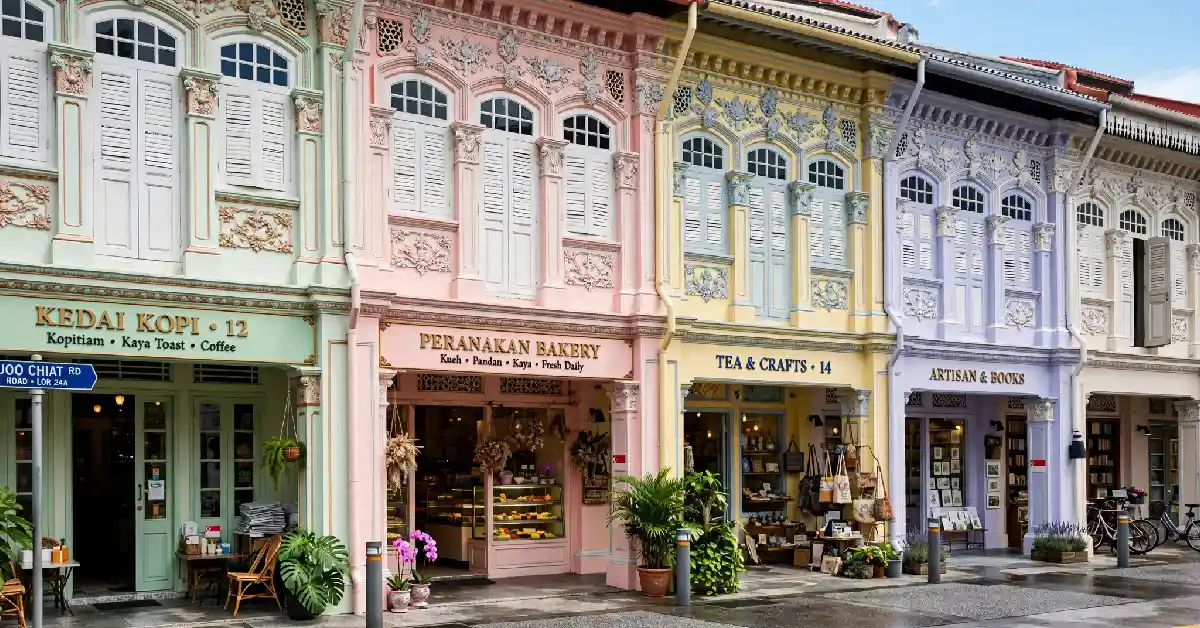
The Urban Redevelopment Authority, known as URA, began its urban conservation programme in 1989. Since then, it has conserved more than 7,200 buildings and structures across more than 100 areas, reflecting the story of Singapore’s transformation as an independent nation. The collection includes shophouses, places of worship, bungalows and civic buildings.
Among these are 77 national monuments. Owners who want to carry out any works or new uses in a conserved building need Conservation Permission and must comply with the relevant guidelines. The shophouses are a particular highlight. There are over 6,500 conserved shophouses and terraces in Singapore, built between the early 1800s and the mid-1900s, and they continue to link the nation’s cityscape with its past.
Good restoration also receives public recognition. On 10 November 2026, URA named three winners of the 2026 Architectural Heritage Awards and conferred three Special Mentions. The awards honour the owners, project teams and stakeholders who carefully conserved these buildings while integrating them with new developments and adapting them for contemporary use.
What the 2026 Heritage Study Means
Conservation depends on people as much as on policy. In November 2026, Minister Chee Hong Tat announced that URA had commissioned its first built heritage sector study. The study aims to better understand the size and profile of Singapore’s built heritage sector, including the architects, engineers, contractors and other specialists involved.
The minister noted that Singapore today has more than 7,200 conserved buildings and structures, and a strong pipeline of skilled professionals will be needed as conservation work becomes increasingly complex. For anyone considering a career in architecture or construction, this signals steady demand for specialist skills in restoration and heritage work.
Rules That Guide Renovation Work
Owning a conserved building comes with clear duties. URA’s guidelines set out conservation principles, planning parameters and restoration requirements, and all works must follow them. Owners, developers, operators and industry professionals all have a duty of care for conserved buildings and must ensure that proper approvals are in place.
Practical support is also expanding. In June 2026, URA introduced an EASE Do-It-Right Guide for conserved properties to encourage good implementation practices. URA is also looking at developing common code-compliant solutions for conserved shophouses and bungalows to provide clearer guidance for renovation and upgrading works.
Before planning any work, check the property first. URA’s online map, URA SPACE, lets you find your building in the conservation areas and view its photographs, history and applicable guidelines.
Modernism and the Third Path for Redevelopment
Heritage in Singapore is not limited to colonial-era buildings. Post-independence modernist architecture is now receiving serious attention. The Starpoint site, an iconic hexagonal villa paired with an 11-storey residential tower, has been proposed for conservation. The case reflects growing recognition of the value of early post-independence modernist architecture.
Associate Professor Yeo Kang Shua of the Singapore University of Technology and Design has argued that heritage and redevelopment need not be treated as opposing choices. He points to a possible “third path” in which both can coexist. This view matters for developers, because it suggests that conserving a building can add value to a new project rather than block it.
The same logic applies to older structures. URA plans to designate the main building of Orchard Road Presbyterian Church, which is nearly 150 years old, as a conserved building. Yeo has noted that the church is one of the oldest surviving church buildings in Singapore, and its façade includes Italian Neo-Renaissance elements that add to its architectural value.
Sustainability Written Into Building Standards
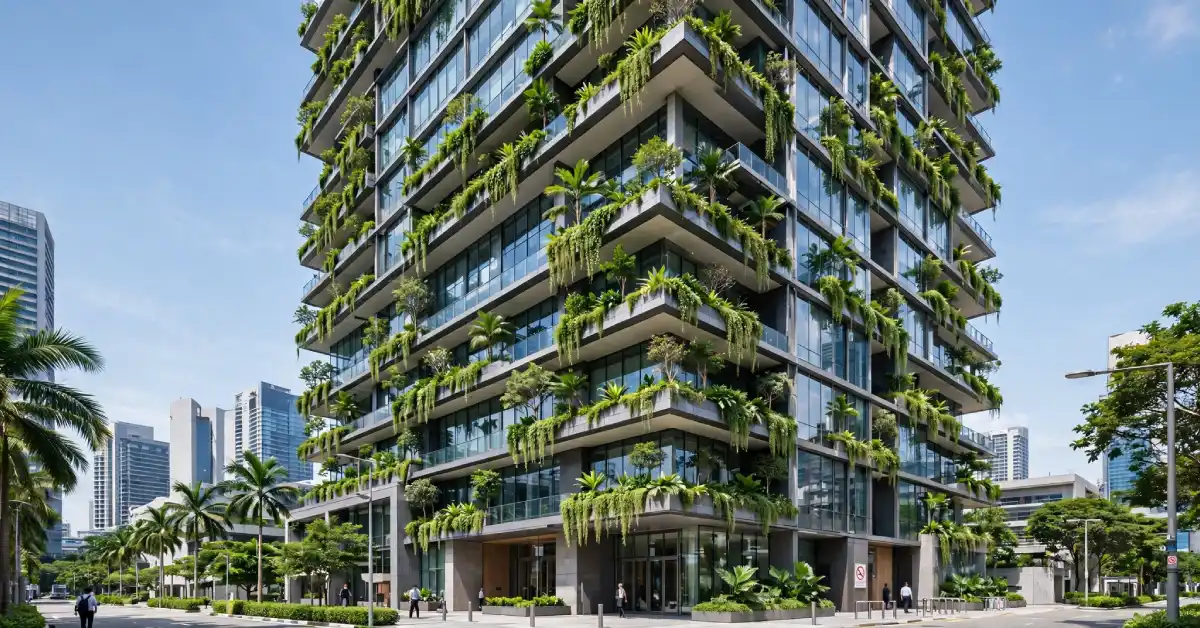
Green design is another defining feature of the city. The BCA Green Mark scheme began in 2005 with just 17 certified buildings. By March 2025, Singapore had 2,590 Green Mark-certified buildings. In 2026, the minister reported that Singapore now has more than 2,700 Green Mark buildings, and these buildings collectively save more than 4.6 billion kWh of electricity annually.
The scale of change extends beyond certified projects. About two-thirds of all buildings in Singapore now meet the minimum environmental sustainability standards set out under the building regulations or have attained Green Mark certification.
The standards keep rising. In September 2026, BCA launched Green Mark Version 7, a refresh of the 2021 standard that aims to drive greater energy efficiency and carbon reduction. Progress toward the national goals is also measurable. A BCA study released in July 2026 found that the 80% energy efficiency target for the built environment sector is within reach.
Green design also benefits the people inside. Joint research by BCA and the National University of Singapore showed that Green Mark-certified buildings maintain superior indoor environmental conditions, with lower concentrations of pollutants.
Indoor air quality matters in any home, too. Our guide on whether an air purifier can remove dust explains what filtration can and cannot do, which is useful if you are planning similar improvements.
Tropical Design Features Worth Spotting
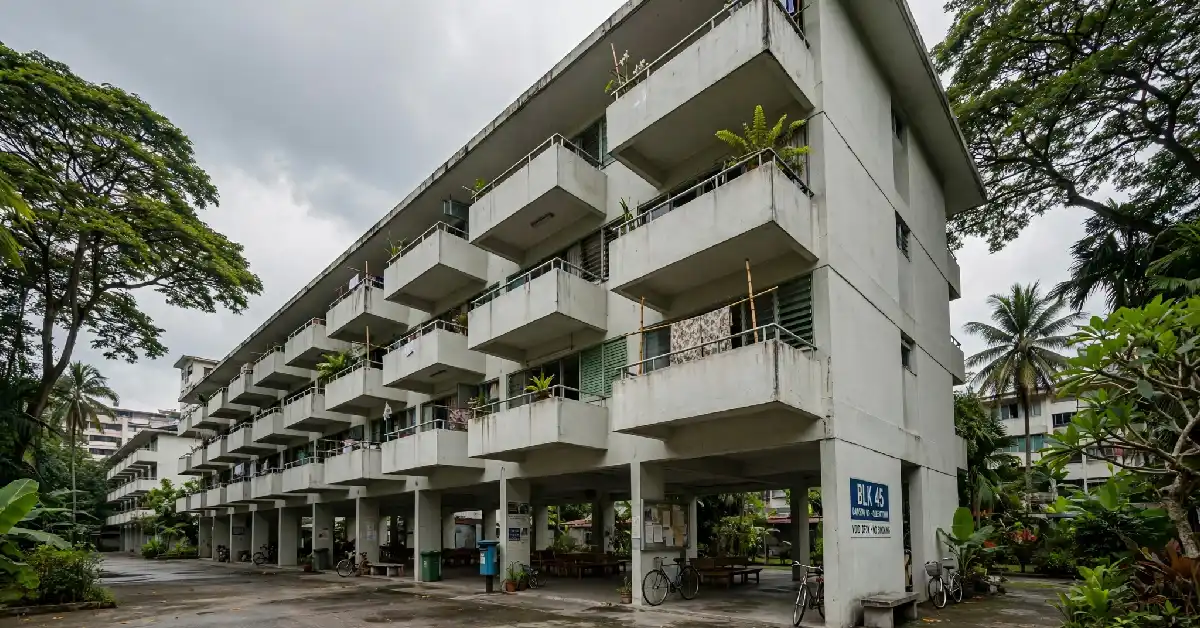
Walk through any residential estate, and you will notice repeated design choices that respond to the climate. These are the features to look for on your next visit:
- Void decks: open ground floors beneath residential blocks that provide shade, shelter from rain and a shared meeting point for residents.
- Protruding balconies: deep balconies on slab blocks that shade the façade and create sheltered outdoor space. URA identifies this as a feature of tropical architecture, and it appears on seven-storey blocks in its heritage materials.
- Five-foot ways: covered walkways along shophouse frontages that keep pedestrians out of direct sun and rain.
- Louvred and perforated façades: screens that allow air to circulate while blocking direct sunlight.
Each feature solves a practical problem first. Over time, they also became part of the city’s visual identity, so they are worth noticing even when the building looks ordinary at first glance.
Exploring Singapore’s Architecture on Foot
A good way to explore the city is to combine a walk through a conservation area with a visit to an exhibition. The 2026 Architectural Heritage Awards exhibition runs from 10 November to 31 December 2026, and it is held at The URA Centre, where visitors can learn about the stories behind the award winners.
Plan your route around a few clusters of buildings. Start with a conserved shophouse row, then move to a mid-century housing estate and finish at a modern tower with visible green features. The contrast shows how the city’s priorities have shifted while keeping its character intact.
Planning a trip or a property move can involve complicated timelines, and processes differ between markets. Readers who are weighing a purchase might find our article on navigating the property jungle helpful for mapping out the steps.
Final Thoughts
Singapore’s architecture shows that conservation and modern design can work together. Its heritage policies treat older buildings as living assets, and its green standards push new construction toward greater efficiency and healthier indoor spaces. The result is a skyline that rewards close attention.
Whether you own a conserved shophouse or simply enjoy walking the city, start by noticing how each building responds to its site and its climate. Those details tell the story of the city more clearly than any single landmark.
FAQs
How many buildings has Singapore conserved?
URA has conserved more than 7,200 buildings and structures since its urban conservation programme began in 1989, across more than 100 conservation areas.
What is BCA Green Mark?
It is Singapore’s green building certification scheme, launched in 2005. Version 7 was released in September 2026 to raise energy efficiency and carbon reduction standards.
How can I find out if a building is conserved?
Use URA SPACE, the online map that shows conservation areas and buildings. Any works to a conserved building require Conservation Permission.