

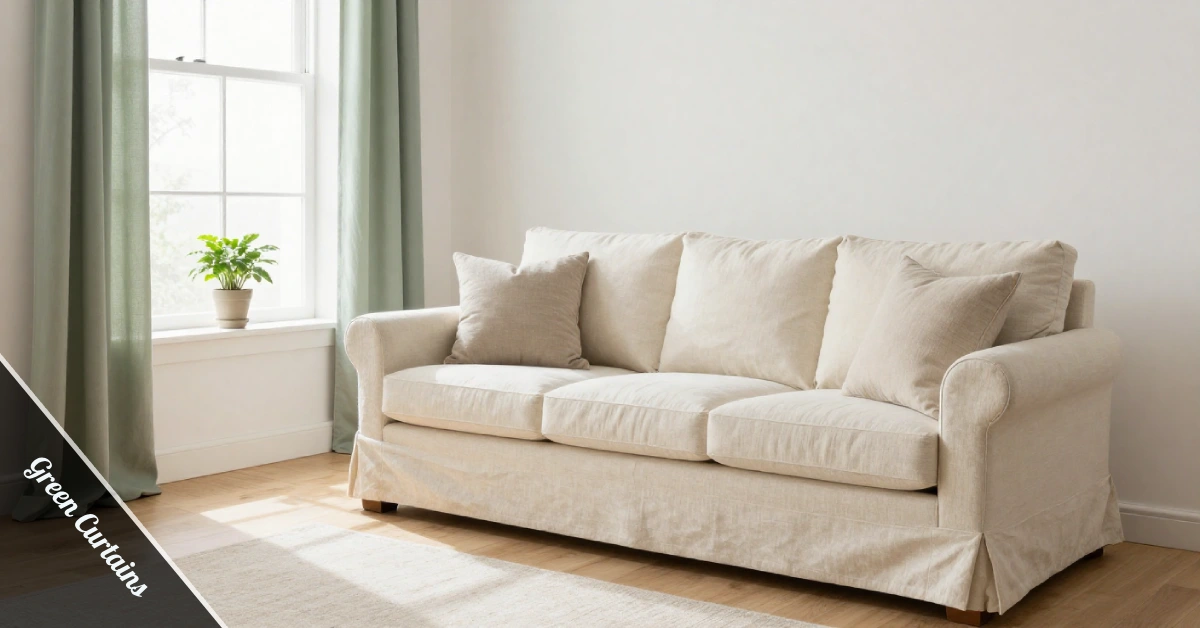
Green curtains work across nearly every room style because green reads as both a color and a near-neutral depending on the shade. Sage, olive, emerald, and forest green each behave differently once they’re hanging—light shifts them, undertones surprise you, and the fabric changes everything about how the color lands. Picking the right green isn’t about finding the prettiest swatch. It’s about knowing how that shade will look at 7 a.m. with gray morning light versus 6 p.m. with warm lamps on.
The most common mistake people make is choosing a green in a store or on a screen, hanging it at home, and wondering why it looks completely different. That gap between expectation and reality almost always comes down to undertones and room lighting—two things most guides skip over. This article breaks down every major shade, the fabrics worth your money, how each performs in specific rooms, and what no one tells you about living with green curtains six months after you buy them.
Why Green Curtains Keep Working
Green sits at an interesting spot on the color wheel. It pairs with warm tones like wood, leather, and mustard. It also holds its own next to cool tones like stone, white, and charcoal. That range is why green curtains show up in coastal bedrooms, mid-century living rooms, and modern dining spaces alike.
What keeps green relevant isn’t trend cycles—it’s that the color connects to something familiar. Rooms with green curtains tend to feel calmer without feeling cold, which is harder to pull off than it sounds.
The Shade Decision: What Each Green Actually Does in a Room
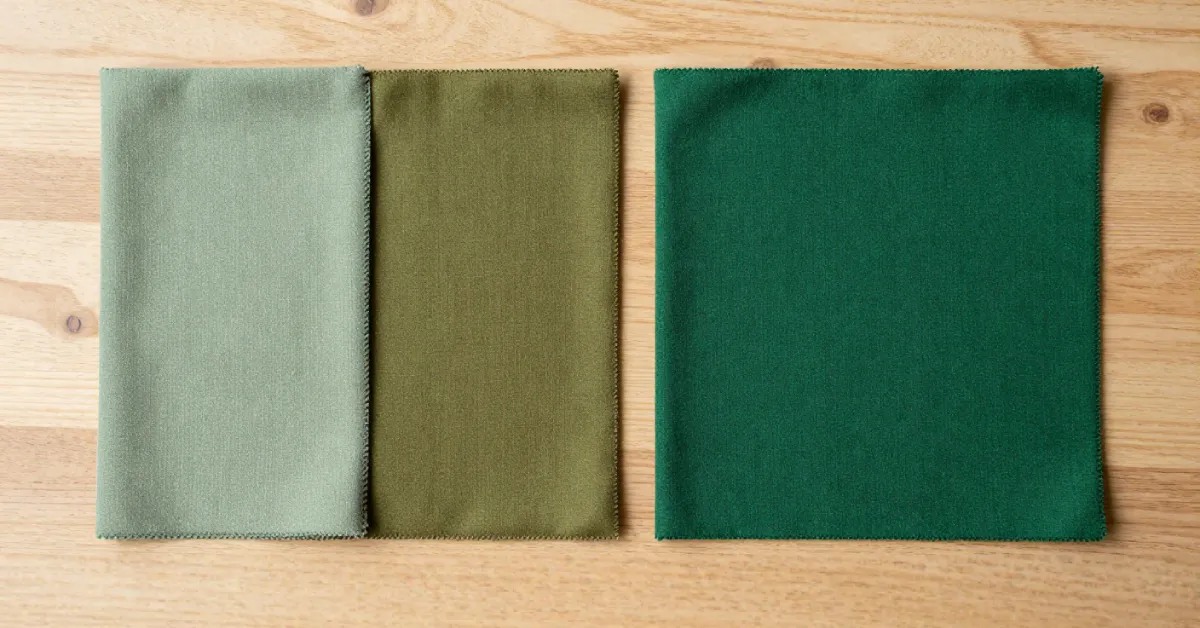
Sage Green Curtains
Sage is the most forgiving shade in this family. Its muted, gray-green tone doesn’t fight with anything. In a bright room, sage looks fresh. In a darker room, it holds quiet depth without dragging the space down.
Sage green curtains work especially well in bedrooms and home offices. They set a settled tone—calm enough to sleep in, focused enough to work in. Because sage leans slightly gray, it pairs naturally with white trim, warm wood, and almost any neutral wall color.
One honest note: Sage can look washed out in a room with very little natural light. If your bedroom faces north, go one shade deeper than you think you need.
Olive Green Curtains
Olive carries more yellow, which makes it feel warmer and earthier than sage. Hang olive curtains in a room with rattan furniture, a jute rug, or warm wood floors, and the room pulls together almost automatically.
The catch with olive is that it needs decent light. In a room that gets mostly indirect or cool light, olive can drift toward muddy. South-facing rooms are where olive truly performs—the warm afternoon light brings out the richness in the tone rather than flattening it.
Emerald and Jewel-Tone Greens
Emerald is a statement. It’s deep, saturated, and formal in the best sense. Picture a dining room with white plaster walls, oak floors, white trim, and floor-to-ceiling emerald curtains—that’s a room that feels collected, not decorated.
Green velvet curtains in emerald are especially effective here. The fabric absorbs light in a way that makes the color look almost three-dimensional. The trade-off is commitment. Emerald draws the eye immediately, so the rest of the room needs to stay relatively simple to avoid visual clutter.
Dark Green: Hunter and Forest Shades
Dark green curtains function almost like a structured neutral. They anchor a room rather than compete with it. In a space with high ceilings, floor-to-ceiling forest green drapes feel grounded and intentional without being aggressive.
From a long-term livability standpoint, dark green is one of the safer bets. It doesn’t date quickly. You can swap out accent colors, change rugs, reupholster a chair—and the dark green curtains still work. That staying power matters if you’re buying quality panels you want to last five or more years.
Seafoam and Mint
These lighter shades lean airy and retro. They work well in bathrooms, sunrooms, and children’s rooms. In warm climates, seafoam can make a room feel noticeably cooler.
The risk with very pale greens is the undertone. Some mint shades lean blue, which reads fresh. Others lean gray, which can feel clinical. Always test a sample against your actual wall color in your actual lighting before committing.
Fabric: Where Most People Underinvest
Linen
Linen is the best fabric for green curtains in most living spaces. Its natural texture softens color and lets light filter through in a way that synthetic fabrics can’t replicate. A sage or olive linen curtain in a room with afternoon sun looks genuinely different—richer, warmer—than the same color in polyester.
The real drawback is wrinkling. Linen wrinkles constantly, and in a high-traffic family room where curtains get pulled open and closed all day, that can feel like a lot of upkeep. A linen-cotton blend gives you most of the texture with less of the frustration.
Green Velvet Curtains
Velvet in a deep green is one of the more dramatic fabric choices you can make, and it earns it. Green velvet curtains absorb both light and sound, which makes a bedroom feel genuinely quieter and more enclosed. In a cold room, velvet adds warmth visually and practically.
What to know before you buy: Velvet is heavy. Not every curtain rod handles it well. A cheap tension rod or undersized bracket will sag within weeks. Make sure your hardware is rated for the weight—wall-mounted rods with proper brackets, not over-door clip systems.
Over time, velvet can flatten slightly in the fold lines where you regularly gather the fabric. It’s worth steaming it every few months to keep the pile looking full.
Cotton
Cotton is the most practical choice for high-use rooms. It’s washable, holds color well, and comes in weaves that range from casual to structured. For a kitchen, cotton cafe curtains or a Roman shade in olive or sage bring color in without the maintenance problem of full-length drapes in a space with grease and moisture.
Cotton also suits kids’ rooms and family spaces where curtains get touched constantly. The best green curtains for living rooms that see daily family use are almost always lined with cotton—durable enough to handle it, clean enough to look intentional.
Sheers and Layering
Pale green sheers under a heavier panel give you flexibility. During the day, sheers filter light and keep the color soft. At night, the opaque panel pulls closed for privacy and darkness. This approach works well in bedrooms and living rooms where you want the curtains to do more than one thing.
Styling Green Curtains by Room
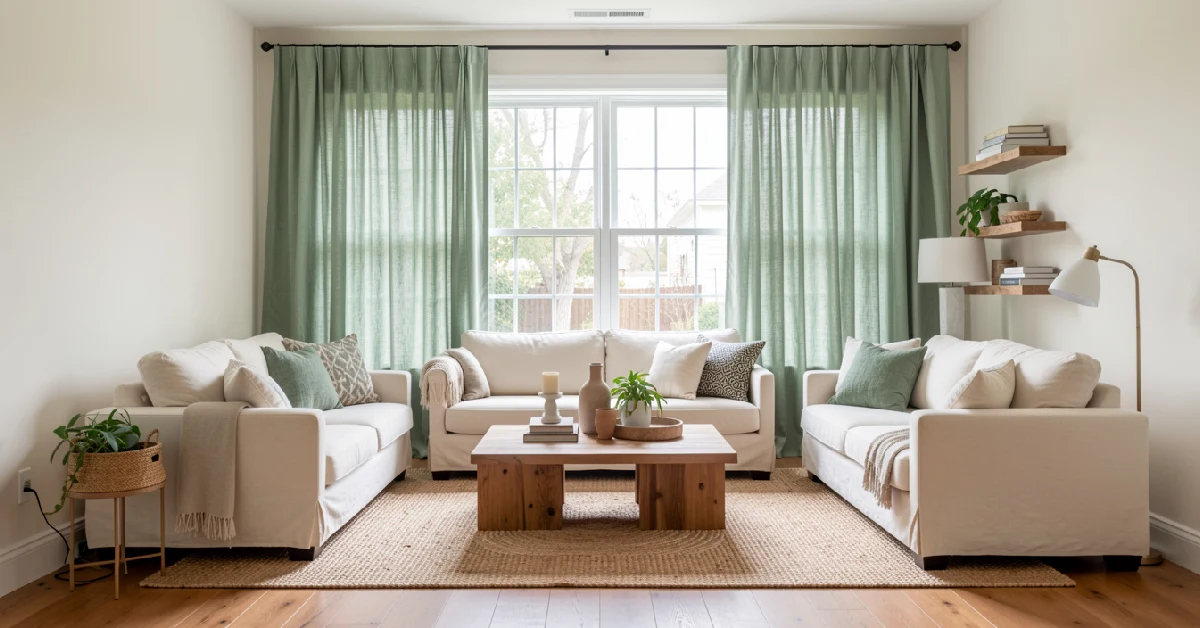
Living room: For the best green curtains in a living room, a mid-tone sage or olive in linen, hung high and wide, makes windows look larger, and the ceiling feel taller. Pair with warm wood tones and a cream or oatmeal sofa. Add texture through pillows and rugs rather than pattern.
Bedroom: Deep greens in velvet or heavier cotton create an enclosed, restful atmosphere. For something lighter, pale sage linen with white bedding and natural wood furniture reads calm without effort.
Home office: Muted greens behind you on video calls look professional without being dull. Stay away from bright or yellow-leaning greens—they can distract rather than settle.
Kitchen: Stick to washable cotton in lighter shades. Seafoam or soft sage as cafe curtains adds color without the upkeep burden of floor-length panels.
What Color Walls Go with Green Curtains
Neutrals are the safest answer: white, cream, warm beige, or light gray. But what color walls go with green curtains really depends on the specific shade of green. Sage curtains on warm white walls look fresh. Olive on a beige wall looks earthy. Forest green on soft gray walls looks considered.
If you want to push further, blush pink with sage green creates a quiet contrast that works well in bedrooms. A mustard accent wall with olive curtains is warmer and bolder but cohesive. For a tonal look, a deeper green curtain against a lighter green wall adds depth without visual noise.
Should Green Curtains Be Lighter or Darker Than the Walls?
No hard rule applies here. Curtains that are lighter than the walls open up a room and soften it. Darker curtains add depth and definition to a window. If your walls are already a mid-tone color, go two or three shades different in either direction so the curtains read as a deliberate choice rather than an accident.
A Final Note on Long-Term Livability
A well-chosen shade of green holds up better than most colors over a few years. As furniture shifts and trends move, green reads as a quiet, grounded anchor rather than a dated choice. Buy quality fabric, match your hardware to the weight of the panel, and test your shade in your actual room lighting before you commit. Do those three things, and the curtains you hang today will still look right several years from now.
FAQs
What are the most popular shades of green curtains right now?
Sage, olive, and forest green are the most requested shades. Sage green curtains lead because they work across lighting conditions and room styles without overwhelming a space.
Should green curtains be lighter or darker than the walls?
Either works, but the curtains should differ enough from the wall that they register as a design choice. Matching too closely makes the window disappear.
What fabric is best for green curtains?
Linen or linen-cotton blends work well in most rooms. Green velvet curtains are ideal for bedrooms and formal spaces. Cotton is the practical pick for kitchens, kids’ rooms, and high-traffic areas.
How do I hang green curtains to make the room look bigger?
Mount the rod four to six inches above the window frame and extend it six to twelve inches past each side of the window. Let the curtains reach the floor. That combination creates the illusion of a taller, wider window every time.