

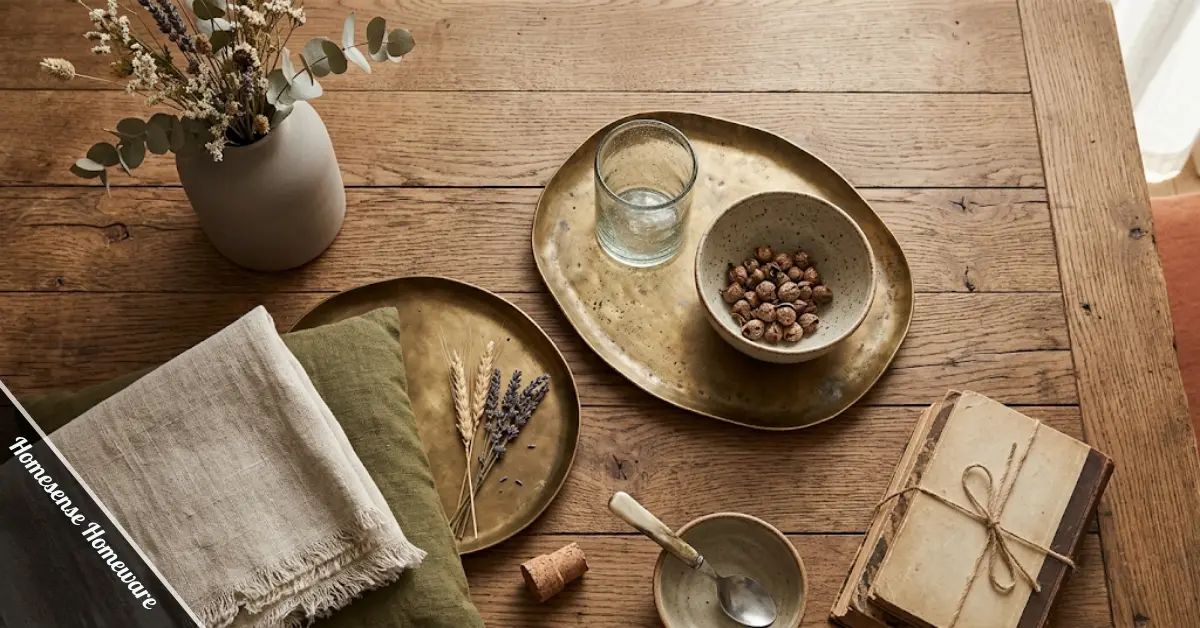
Let’s be honest: most home decor shopping can feel a little… predictable. You walk into a big store, everything matches a little too perfectly, and you leave with something fine but forgettable.
That’s not the Homesense experience. If you’ve ever wandered into one of their stores, you already know what I mean. It doesn’t feel like a showroom. It feels more like a treasure hunt. One aisle has Italian ceramic vases. The next has linen pillows in colours you didn’t expect to love. And somehow, it all works.
In my experience, that’s the real pull. You’re not just buying a lamp or a set of mugs—you’re finding pieces that feel personal. And in 2026, as more of us want our homes to feel less catalogue and more us, that matters more than it sounds.
One thing worth saying upfront: Homesense is part of the same family as HomeGoods and TK Maxx. So if you’ve heard good things about those stores, Homesense carries a similar feel—just with a slightly stronger focus on home furnishings and accessories. They share the same off-price buying model, which is why the quality can surprise you at that price point.
Let’s get into what’s actually worth picking up this year.
What’s Actually Trending for 2026 (And What’s Not)
Before we talk specific picks, here’s the short version of what I’m seeing right now in Homesense homeware.
Warm, earthy tones are still going strong, but they’re getting bolder. Think deep terracotta, mushroom grey, and unexpected pops of saffron yellow. Natural materials—rattan, oak, unpolished stone—aren’t going anywhere either. But they’re showing up in weirder, more interesting shapes than before.
Here’s the honest take you won’t hear from most decor accounts: you don’t actually need to follow trends. Some of the best Homesense finds are the ones that don’t fit neatly into any “2026 aesthetic.” A vintage-style brass candlestick next to an ultra-modern ceramic bowl? That tension is what makes a room feel lived-in rather than staged.
The long-term problem with chasing trends room by room is that you end up re-buying the same items every few years. That gets expensive fast. A smarter move? Pick up one or two trend-driven pieces each season, and let your older favourites stick around.
If you’re also thinking about bigger changes—like updating walls in the bedroom—it’s worth reading about bedroom wallpaper ideas before committing to a full refresh. Sometimes a good wallpaper choice changes the whole feel of the room, and that shifts which homeware pieces you actually need.
My Top 5 Homesense Homeware Picks for This Year
These are the things I keep spotting—and in a few cases, have already brought home myself.
1. Stoneware Bowls That Don’t Take Themselves Too Seriously
You’d think a bowl is just a bowl. But Homesense always seems to carry stoneware that feels handmade without the handmade price tag. Slightly uneven rims, speckled glazes, colours that feel pulled from a dried garden in late summer.
Why they work: They make everyday meals feel a little more intentional. Cereal, soup, pasta—it all just looks better.
What to expect to pay: Around £18–£35 for a good set of two or three. That’s the sweet spot for stoneware that will genuinely last.
Practical tip: Grab two or three in slightly different sizes. Stack them on open shelving. They do double duty as decor and dinnerware.
How long they last: Stoneware is practically indefinite if you don’t drop it. No need to replace unless you want something different.
2. Linen Throw Pillows With Real Weight
Cheap pillows feel light and crinkly. The better ones at Homesense have a denser linen—the kind that softens with each wash. I’ve seen olive green, slate blue, and a solid number in undyed natural flax.
Why they work: Linen breathes, looks good even when slightly rumpled, and doesn’t scream “just bought this.”
What to expect to pay: Around £12–£22 for a cover. That extra £8–10 over a cheap poly blend is genuinely worth it.
Long-term thinking: A quality linen pillow cover can easily last five or more years. Cheaper poly blends will pill and fade within two. Spend a little more here, and you won’t regret it.
3. Unusual Bookends (Hear Me Out)
This sounds random, but stay with me. HomeSense always has a small, quietly great selection of bookends. Architectural shapes, abstract animals, heavy cast iron that feels substantial in your hand.
Why they work: They’re functional sculptors. Use them on a desk, a mantle, or even a kitchen counter to prop up cookbooks.
Reader curiosity: Have you ever noticed how much more finished a shelf looks when the books don’t flop over? That’s the small difference that makes a room look pulled together.
4. Hand-Blown Glassware
You’ll spot this immediately when you see it. Slight irregularities in the glass. Bubbles trapped inside. An old-fashioned charm that mass-produced sets genuinely can’t fake.
Why they work: They add character without being loud. Use them for water, whiskey, or just as a small catchall on a nightstand.
Second-order thinking: Over the next few years, I think we’ll see more people moving away from perfectly matched glassware sets. Mismatched, collected pieces feel more personal. This is an easy way to start that shift.
5. Unpolished Brass Accents
Not shiny. Not fake gold. Just solid brass that’s been left to darken naturally. Homesense has been stocking small trays, candlesticks, and drawer pulls in this finish.
Why they work: Brass ages with you. It patinas. It develops a story. That’s the opposite of disposable decor.
Practical next step: Even one brass piece—a small dish for keys or rings—placed somewhere you see every day will start to change colour within a few months. That slow transformation is the good stuff.
What NOT to Buy at Homesense (Honest Answer)
This part matters as much as the picks above. Not everything in the store is worth grabbing, and being selective is what separates good shopping trips from regrettable ones.
Skip: Generic plastic storage bins. You’ll find cheaper versions at discount stores, and the quality difference won’t justify the Homesense price.
Skip: Mass-printed wall art with generic phrases. Threads are quick and don’t carry the same charm as the ceramic or textile pieces.
Skip: Anything that feels surprisingly light for its size. If a ceramic bowl feels hollow and thin, it usually is. Weight is a reliable quality indicator.
Skip: Overly trend-specific pieces with short shelf lives—think anything tied too tightly to one season’s colour or style. These are fun in the moment, but you’ll want to swap them out faster than expected.
The goal is always to leave with things you’ll still like in three years.
How to Spot Quality Before You Buy (Quick Checklist)
HomeSense can feel overwhelming, and with so much stock turning over, it helps to know what you’re looking for. Here’s a fast three-point check I use in-store:
- Feel the weight. Heavier ceramics, thicker glass, and solid metal pieces are almost always better quality than their lighter counterparts.
- Check seams and joins. On textiles, look for clean stitching. On wood or furniture, press gently on joins—they shouldn’t flex or creak.
- Look at the material tag or label. Natural materials (linen, solid wood, real brass, stoneware) hold up and age well. Polyester, MDF, and zinc alloy are perfectly fine for some items, but not worth splashing out on.
If you want a more detailed look at what to expect from a homeware brand before shopping—checking reviews, return policies, and material quality claims—this Anabei review is a good example of how to evaluate a brand before committing.
How to Shop Homesense Without Feeling Overwhelmed
Here’s something no one really tells you: Homesense can be a lot. The aisles are packed, nothing is in a predictable spot, and if you go in without even a loose plan, you might walk out with three things you sort of like and nothing you love.
Go with a loose list. Not “I need a blue vase,” but “I need something small for this empty corner in the hallway.” Stay flexible, but have a direction.
Touch everything. Seriously. Run your hand over fabrics. Pick up ceramics. The quality difference is obvious the moment you feel it.
Don’t buy something just because it’s cheap. A £10 picture frame that feels flimsy will still feel flimsy a year later.
Be honest about your space. If you have cats or active kids, some pieces are going to be more practical than others. For example, if you’re choosing between a delicate ceramic table lamp and something sturdier, your living situation matters—similar to how people think through choosing furniture that works with cats at home. The same practical thinking applies to homeware.
And if you see something you truly love? Grab it. HomeSense inventory turns over fast. That glazed pitcher or jute runner might not be there next week—or even tomorrow. That’s the real downside of shopping here: you can’t rely on finding the same item twice. Go in knowing that, and it stops being frustrating.
Final Thought
Here’s what I keep coming back to. Trends are fine. Inspiration is great. But the best Homesense homeware picks are the ones that make you smile when you walk past them.
Maybe it’s a slightly ugly-lovely lamp. Maybe it’s a mug that’s just a bit too heavy. Maybe it’s a small brass tray that holds your keys and a dried flower you picked up on a walk.
That’s not decorating by algorithm. That’s just living.
So go ahead—wander the aisles. Pick up the pieces. Take the weird ceramic frog home if it makes you happy. Your space will catch up with you.
FAQs
Is Homesense homeware of good quality?
Generally, yes, but it varies by item. Stoneware, linen, and solid wood pieces tend to be excellent for the price. Always check material labels, and avoid anything that feels surprisingly light or shows obvious glue seams.
How is Homesense different from HomeGoods or TK Maxx?
They’re all part of the same TJX Companies group. Homesense tends to focus more on home furnishings and accessories—think furniture, lighting, and textiles—while TK Maxx carries more clothing and lifestyle products. The off-price buying model is the same, which is what makes the quality-to-price ratio interesting in all of them.
How often does Homesense get new stock?
Weekly, sometimes more. That’s exactly why the “buy it when you see it” advice holds. If you’re hunting for something specific, plan to visit a few times over a month rather than once.
What should I avoid buying at Homesense?
Generic wall art, plastic storage bins, and anything that feels thin or lightweight. These don’t deliver the same value as the ceramics, brass, and linen pieces that the store does really well.
Can I shop Homesense online?
Not really. Homesense is built for in-store browsing, and that’s part of what makes it work. If you can’t visit easily, some people do scouting runs and sell finds through local resale groups—but going in person is always worth it when you can.
What’s the one thing I should always buy at Homesense?
Ceramics—vases, bowls, planters. They’re almost always unique, fairly priced, and hard to match elsewhere at the same quality level.