

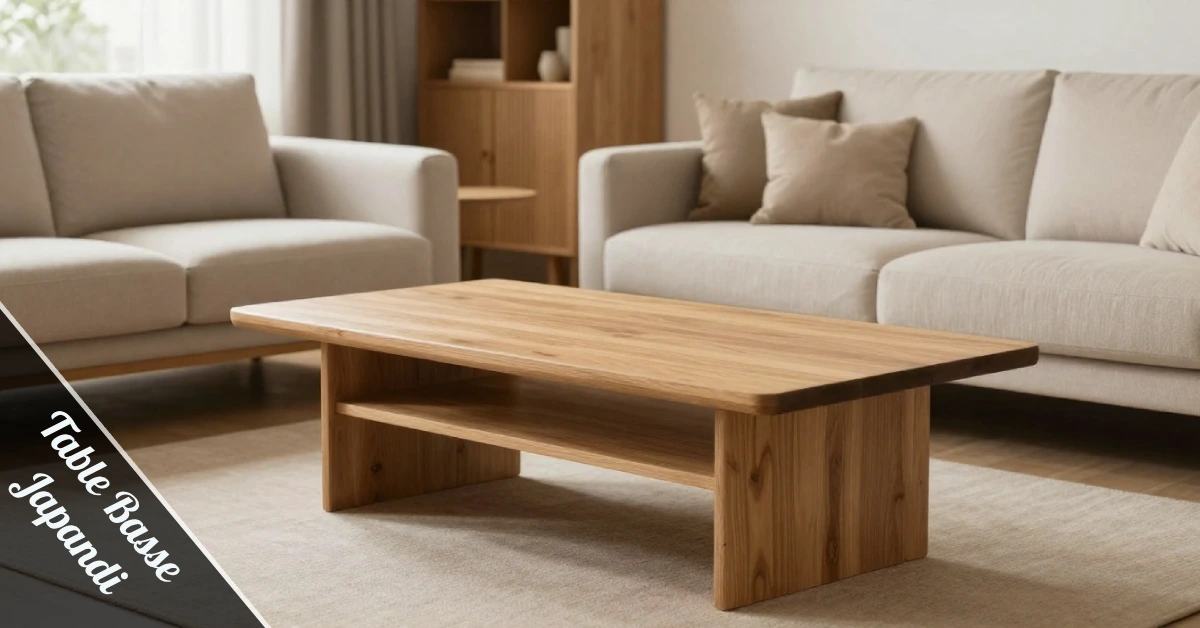
You know that feeling when you walk into a room, and everything just clicks? That’s what a table basse japandi does. It’s not screaming for attention, but somehow it pulls the whole space together like the perfect soundtrack to your favorite scene.
This isn’t just another coffee table. It’s where Japanese zen meets Scandinavian hygge—two design philosophies that sound like they’d argue but actually vibe perfectly. The result? A piece that’s calm, functional, and stupidly good-looking without trying too hard.
Here’s the thing: choosing the right table basse japandi isn’t about following trends. It’s about understanding proportions, materials, and how this one piece can anchor your living room without hogging the spotlight. Think of it as the friend who makes everyone else look better just by showing up.
This guide breaks down everything you need to know—materials, sizing, styling—all the good stuff, minus the design school jargon. By the end, you’ll know exactly what to look for and why it matters.
What Makes a Table Basse Japandi Different
A table basse japandi isn’t trying to be the loudest thing in the room. It’s the quiet confidence piece—minimal lines, natural materials, zero unnecessary drama. Where Western coffee tables often lean toward heavy or ornate styles, Japandi stays low-profile and intentional.
The magic happens in the blend. Japanese design brings that wabi-sabi vibe—beauty in imperfection, restraint, balance. Scandinavian style adds warmth, functionality, and that cozy-but-clean aesthetic. Together, they create furniture that feels grounded, timeless, and somehow both modern and ancient at once.
You’ll spot a Japandi piece by its clean geometry and organic touches. No excessive details or glossy finishes screaming for validation. Just honest materials doing their thing. Wood grain that actually looks like wood. Stone that feels like stone. Nothing fake, nothing forced.
Functionality drives the design. These tables sit lower than typical Western coffee tables, inspired by traditional Japanese living, where everything happens closer to the ground. That lower height creates a relaxed, inviting energy in your space—less formal, more breathable.
Materials That Actually Matter
Wood is the backbone of any solid table basse japandi. Oak, ash, walnut, teak—these aren’t just trendy names. They’re materials that age like fine wine instead of milk. Natural grain patterns add character without needing Instagram filters to look good.
Light woods like ash and oak keep things bright and airy. Perfect if your space needs that Scandinavian glow. Darker woods like walnut or teak bring more weight and sophistication—ideal for grounding minimalist rooms that feel too floaty. Both work; it just depends on your vibe.
Here’s where it gets interesting: stone tops. Travertine, marble, or even polished concrete add textural contrast without breaking the aesthetic. That cool, smooth surface against warm wood? Chef’s kiss. Plus, stone handles spills and daily wear like a champ.
Matte finishes are non-negotiable. Glossy surfaces scream “look at me” while matte whispers “I belong here.” Oil-finished wood or honed stone maintains that natural, tactile quality. You want materials that look better with use, not worse—that’s the whole wabi-sabi philosophy in action.
Shapes and Sizes That Work
Low profile wins every time. Japandi coffee tables typically sit between 30 and 40cm high, lower than standard Western designs. That height creates visual breathing room and makes your living space feel more expansive, less cluttered. It’s the design equivalent of exhaling.
Shape-wise, you’ve got options. Rectangular tables work best in structured, longer spaces where you need clean lines running parallel to your sofa. Oval or rounded designs soften angular rooms and improve traffic flow—no sharp corners attacking shins at midnight.
Round tables create better conversation circles. Everyone can reach; nobody’s stuck at the awkward end. Plus, that continuous curve adds gentle movement to boxy spaces. If your room feels too rigid or formal, a circular table basse japandi loosens things up instantly.
Size matters more than you think. General rule: your table should be about two-thirds of your sofa’s length. Too small and it looks lost. Too large and it dominates, defeating the whole minimalist vibe. Measure twice, order once—or you’ll be living with regret and questionable proportions.
Styling Your Table Basse Japandi Without Overthinking It
Less is always more here. One ceramic bowl, a small plant, maybe a coffee table book—that’s it. Overcrowd the surface, and you’ve just created visual noise. Japandi is about breathing room, not showcasing every decorative thing you own.
Stick with neutral textiles and natural textures. Linen, cotton, wool—fabrics that feel good and look effortless. Avoid loud patterns or bright colors competing with your table. Let the wood grain and stone texture be the stars. Supporting cast only, no divas allowed.
Pair your table basse japandi with furniture that shares its values. Simple sofas, minimal shelving, uncluttered surroundings. Everything should feel cohesive, like it belongs together naturally. If your sofa is screaming baroque maximalism, the table will look lost and confused.
Natural light is your best accessory. Place the table where sunlight can hit it during the day. Watch how the wood warms up, how shadows play across stone surfaces. Good design interacts with light, changing slightly throughout the day without needing battery-powered LED strips.
Durability and Keeping It Looking Fresh
Quality materials mean longevity. A solid wood table basse japandi will outlast cheap particleboard by decades. You’re investing in furniture that ages gracefully instead of falling apart after three years. That’s sustainability disguised as good taste.
Maintenance is stupid simple. Wipe spills immediately with a soft cloth. Oil wooden surfaces occasionally to keep them nourished and protected. That’s it. No complex care routines or special products required. Natural materials want basic respect, not high-maintenance spa treatments.
Avoid harsh chemicals that strip finishes or damage stone. Water, mild soap, soft cloth—that’s your cleaning arsenal. Aggressive products ruin that beautiful matte finish and natural patina you paid for. Treat your table like you’d treat expensive leather shoes: gently, consistently, no drama.
Price Expectations Without the Sticker Shock
Entry-level pieces start around $300-500. These usually feature quality veneers over solid cores, simple construction, and straightforward designs. Perfectly serviceable if budget matters more than heirloom-quality materials. They’ll look good and function well for years.
Mid-range options ($600-1200) bring solid wood construction, better joinery, and more refined finishes. This sweet spot offers genuine quality without requiring trust fund access. Most people shopping intentionally land here—good value, legitimate craftsmanship, materials that age beautifully.
High-end pieces ($1500+) showcase premium woods, stone tops, exceptional joinery, and often designer pedigrees. You’re paying for rare materials, master craftsmanship, and designs that become investment pieces. If furniture matters deeply to you and budget allows, this tier delivers satisfaction measured in decades.
Consider cost-per-use instead of just sticker price. An $800 table you use daily for ten years costs less than a $200 piece replaced every two years. Quality furniture is financial planning disguised as interior design. Pay once, enjoy forever—that’s the real flex.
Common Mistakes That Ruin the Look
Overcrowding the table destroys the whole aesthetic instantly. Every surface doesn’t need decorative objects. Resist the urge to fill space. In Japandi design, negative space is positive space. Empty doesn’t mean unfinished—it means intentional.
Mismatched proportions kill the vibe. A massive table in a small room feels oppressive. A tiny table under an oversized sectional looks ridiculous. Scale matters enormously. Measure your space, consider sightlines, and choose proportions that harmonize with existing furniture.
Glossy finishes betray the philosophy. Shiny surfaces scream for attention instead of blending naturally. If your table looks like it belongs in a car showroom, you’ve missed the point. Matte, natural, understated—that’s the trinity of Japandi success.
Conclusion
Choosing a table basse japandi means committing to intentional living. It’s furniture that respects your space, your time, and your aesthetic intelligence. No shouting, no gimmicks—just honest design doing its job beautifully.
Whether your living room is spacious or cozy, this style adapts. The principles stay consistent: natural materials, clean lines, functional beauty, timeless appeal. Get the proportions right, choose quality materials, and style with restraint. That’s the entire playbook.
The best part? This table doesn’t demand perfection from you or your space. It works with what you have, grounding everything around it. That’s rare in furniture—pieces that make everything else better just by existing.
Ready to upgrade your living room’s anchor point? A table basse japandi isn’t just furniture. It’s the piece that finally makes your space feel complete, balanced, and unmistakably yours.