

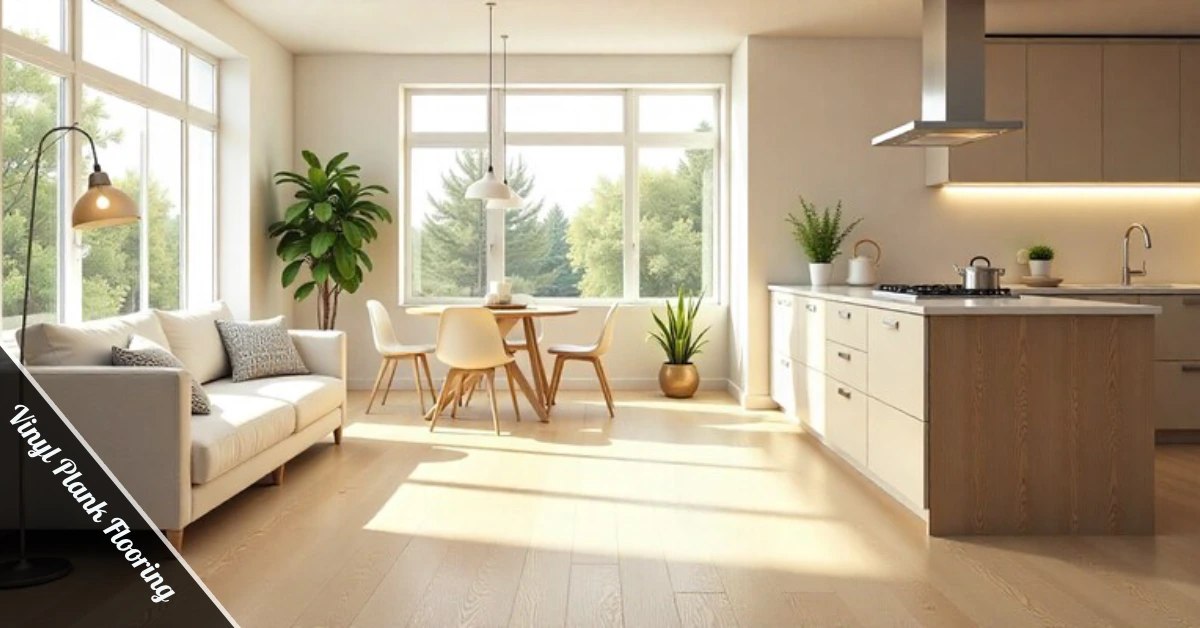
Vinyl plank flooring is a waterproof, durable alternative to hardwood that costs $2 to $8 per square foot. The two main types are WPC (cushioned) and SPC (rigid), each with different wear layers ranging from 6mil to 20mil for varying traffic levels.
You walk into a flooring store and see rows of vinyl planks that look nearly identical to hardwood. The salesperson starts throwing around terms like WPC, SPC, and mil thickness. You nod along but leave more confused than when you arrived.
This happens to most homeowners. Vinyl plank flooring offers real benefits, but the industry makes it harder than it needs to be. You need to know three things: what type of core works for your home, how thick the wear layer should be, and whether you can install it yourself. Everything else is secondary.
What Is Vinyl Plank Flooring
Vinyl plank flooring consists of multiple layers pressed together to create a floor that looks like wood but performs differently. The top layer protects against scratches. The middle image layer provides the wood appearance. The core layer (the most important part) determines durability and feel underfoot.
Traditional vinyl flooring was thin and flexible. Modern vinyl planks are thicker and more rigid. They snap together like laminate flooring but handle water better than either laminate or hardwood.
Most vinyl planks are 100% waterproof, which means you can install them in bathrooms, basements, and kitchens without worry. The waterproof claim refers to the materials themselves, not the installation. If you don’t seal edges properly or leave gaps in the walls, water can still seep underneath.
The core layer separates good vinyl from mediocre options. Two types dominate the market: WPC and SPC. Understanding these helps you skip past marketing claims and focus on what actually matters.
Types of Vinyl Plank Flooring
WPC vs SPC: Which Core Type Fits Your Needs
WPC stands for Wood Plastic Composite. These planks contain wood fibers mixed with plastic, creating a slightly softer feel underfoot. They typically measure 5mm to 8mm thick and provide some cushioning. You’ll notice the difference when walking across the room.
SPC stands for Stone Plastic Composite. These planks use limestone powder instead of wood fibers, making them denser and more rigid. They’re usually 4mm to 6mm thick but feel more solid than thicker WPC planks. SPC resists temperature changes better than WPC.
WPC works best when:
- You want a softer, warmer feel
- You’re installing over concrete
- Sound-dampening matters (upstairs rooms)
- You prefer thicker planks
SPC works best when:
- You need maximum durability
- Your home has temperature swings
- You’re installing in sunrooms or near sliding doors
- You want thinner transitions to adjacent rooms
Here’s a direct comparison:
| Feature | WPC | SPC |
|---|---|---|
| Thickness | 5-8mm | 4-6mm |
| Feel underfoot | Softer, warmer | Firmer, cooler |
| Temperature resistance | Moderate | Excellent |
| Dent resistance | Good | Excellent |
| Price range (per sq ft) | $3-$6 | $2-$5 |
| Best for | Living areas, bedrooms | High-traffic, commercial |
Neither type is universally better. Your choice depends on where you’re installing it and what you value most. WPC feels more comfortable in bedrooms. SPC handles busy kitchens and hallways better.
Installation Methods Explained
Click-lock planks snap together without glue. You float the floor over the subfloor with a thin underlayment. This method accounts for about 80% of DIY installations. You can remove and reinstall these floors if you move.
Glue-down planks require adhesive spread across the subfloor. This creates the most stable installation and works well for commercial spaces or areas with heavy equipment. It’s permanent and requires more skill to install correctly.
Peel-and-stick planks have adhesive backing. You remove a paper strip and press it down. These work for temporary installations or rental properties but don’t last as long as other methods. They’re the easiest to install but the first to fail.
Most homeowners should choose click-lock. It balances ease of installation with long-term performance. Save glue-down for commercial applications or areas where you’ll place extremely heavy furniture.
How to Choose the Right Wear Layer
The wear layer is a clear coating on top of the vinyl that protects against scratches, stains, and fading. It’s measured in mils (one mil equals 0.001 inches). This number matters more than total plank thickness for daily performance.
A 6mil wear layer works for closets and spare rooms that see little traffic. It will show wear in 3-5 years in busier areas. This thickness costs $2-$3 per square foot.
A 12mil wear layer handles normal family traffic in living rooms and bedrooms. You’ll get 7-10 years before visible wear appears. This represents the best value for most homes at $3-$5 per square foot.
A 20mil wear layer provides commercial-grade protection for kitchens, entryways, and homes with large dogs. These floors can last 15-20 years in residential settings. Expect to pay $5-$8 per square foot.
Don’t overpay for thick wear layers in low-traffic rooms. A 12mil layer in your master bedroom will outlast your desire to keep the same floor. Save the 20mil options for areas that actually need them.
The wear layer affects appearance over time more than immediate durability. A thinner layer fades and loses its texture faster. If you plan to stay in your home for 10+ years, invest in at least 12mil throughout.
Cost Breakdown for Vinyl Plank Flooring
Material costs range from $2 to $8 per square foot, depending on quality and features. Budget options at $2-$3 per square foot have 6mil wear layers and basic designs. Mid-range products at $3-$5 per square foot offer 12mil wear layers and better textures. Premium options at $5-$8 per square foot include 20mil wear layers and advanced features like attached underlayment.
Installation adds $1-$3 per square foot for professional work. Complex layouts, stairs, or extensive subfloor prep increase this cost. DIY installation eliminates labor costs but requires tool rental at $50-$100 for a weekend.
Additional expenses include:
- Underlayment: $0.50-$1 per square foot (if not attached)
- Transition strips: $15-$30 each
- Baseboards: $1-$3 per linear foot
- Subfloor preparation: $2-$5 per square foot for repairs
A typical 200-square-foot kitchen costs $600-$1,600 for materials and installation. Choosing mid-range vinyl at $4 per square foot with professional installation costs about $1,200 total ($800 materials, $400 labor, and extras).
The same kitchen with DIY installation costs $900-$1,000 ($800 materials, $100-$200 for underlayment and transitions). You save 20-25% by installing it yourself if you have basic skills and tools.
Remember that cheap vinyl ($2 per square foot) in a kitchen will show wear in 5 years. Spending $4 per square foot gives you 10 years of good appearance. Over time, the premium option costs less per year of use.
Installation Considerations
Your subfloor must be clean, dry, and flat within 3/16 inch over 10 feet. Concrete subfloors need a moisture test before installation. Tape a plastic sheet to the concrete for 24 hours. If condensation appears underneath, you need a moisture barrier.
Wood subfloors should have no squeaks or loose boards. Fill any gaps with wood filler. Vinyl telegraphs every imperfection through to the surface over time.
Temperature matters during installation. Vinyl should acclimate to room temperature for 48 hours before installation. The room temperature should stay between 65-85°F during installation and for 24 hours after.
Leave a 1/4 inch expansion gap around all walls and fixed objects. Vinyl expands and contracts slightly with temperature changes. Without this gap, planks can buckle in summer heat. Baseboards hide the gap when you’re finished.
Some rooms present specific challenges. Bathrooms require careful cuts around toilets and vanities. Kitchens need transitions at doorways and where vinyl meets tile or hardwood. Basements may need extra moisture protection even with waterproof vinyl.
Most homeowners can install click-lock vinyl in a weekend for a standard room. You need a utility knife, tape measure, rubber mallet, and spacers. Watch installation videos for your specific product before starting. Each brand has slight differences in its locking mechanism.
Maintenance and Long-Term Care
Sweep or vacuum vinyl floors daily in high-traffic areas. Dirt acts like sandpaper under foot traffic and wears down the wear layer faster. A quick sweep takes 2 minutes and extends your floor’s life by years.
Mop weekly with a pH-neutral cleaner mixed with water. Avoid vinegar, ammonia, and abrasive cleaners. These products can damage the wear layer and make your floor look cloudy. Use a damp mop, not a soaking wet one.
Place felt pads under furniture legs. Moving chairs and tables across vinyl creates scratches over time. Replace pads every 6 months as they compress and lose effectiveness.
Clean spills immediately. While vinyl is waterproof, some liquids can stain if left sitting. Red wine, coffee, and pet accidents should be wiped up within a few minutes.
Scratches in the wear layer can’t be buffed out like hardwood. Minor scratches become less noticeable over time as the whole floor develops a patina. Deep scratches require plank replacement, which is easy with click-lock installation.
Avoid steam mops on vinyl plank flooring. The heat can loosen the adhesive on glue-down installations and warp planks over time. Stick with traditional damp mopping.
If your floor develops a dull appearance after 5-7 years, it’s the wear layer degradation, not dirt. No amount of cleaning will restore the original shine. This signals it’s time to consider replacement in high-traffic areas.
FAQs
Is vinyl plank flooring waterproof?
Most modern vinyl plank flooring is 100% waterproof in the materials themselves. However, installation quality affects water resistance. Properly installed click-lock floors resist water well, but water can seep between planks if installation is sloppy. Glue-down installations provide the best water protection when done correctly.
How long does it last?
Vinyl plank flooring lasts 10-25 years, depending on wear layer thickness and traffic levels. A 6mil wear layer in a kitchen might show wear in 5-7 years. A 20mil wear layer in a bedroom could look good for 20+ years. Most homeowners get 12-15 years from mid-range vinyl with proper care.
Can you install it over existing floors?
You can install vinyl plank over most existing hard surfaces if they’re smooth and stable. It works over old vinyl, tile (if flat), and wood floors. You cannot install over carpet or cushioned vinyl. The existing floor must be clean, dry, and level. Any imperfections will telegraph through to the new floor.
Does it affect home resale value?
Vinyl plank flooring doesn’t increase home value like hardwood, but it doesn’t hurt it either. Buyers view it as a neutral, practical choice. Quality matters: cheap vinyl can reduce value while premium vinyl maintains it. In rental properties and mid-range homes, vinyl is often preferred over worn hardwood or old carpet.