

You’re scrolling through rental listings in Chicago or hunting for investment properties in LA, and you keep seeing “duplex” pop up everywhere. But here’s the thing—the definition changes depending on who you ask. A landlord in Ohio? They’re talking about a house split down the middle. A broker in NYC? They mean a fancy two-story apartment with an internal staircase.
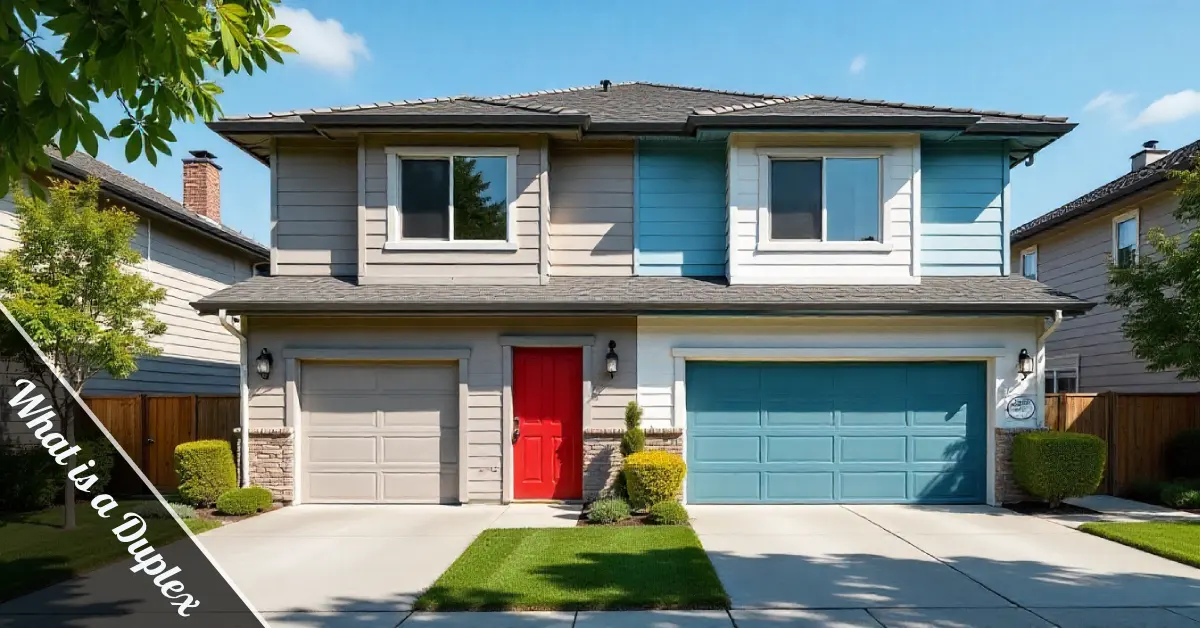
Let’s cut through the confusion. A duplex is essentially a single building divided into two separate living units, either stacked vertically or placed side-by-side. Each unit has its own entrance, giving you privacy without the apartment complex chaos. Whether you’re renting your first place, looking to invest, or just curious about your housing options, understanding duplexes could be your cheat code to better living arrangements and smarter money moves.
The multi-family housing market is blowing up right now. According to the National Association of Home Builders, multi-family housing starts hit an annualized pace of 449,000 as of December 2024—that’s a 61.5% jump from the previous month. Translation? Duplexes are hot property, and knowing what they’re about puts you ahead of the game.
What is a Duplex, Really?
A duplex is a property divided into two separate living units within one structure. Think of it as the middle ground between an apartment and a single-family home—more space than the former, slightly less than the latter. Each unit operates independently with its own kitchen, bathroom, living spaces, and usually its own entrance. You’re not sharing hallways or lobbies like in apartment buildings.
Here’s where it gets interesting: duplexes come in two main configurations. Vertical duplexes stack one unit directly above the other—one-up, one-down style. Horizontal duplexes sit side-by-side, sharing a common wall down the middle. Both setups typically feature similar square footage in each unit, though layouts can vary based on the building’s design and age.
Each unit gets its own street address (like 123A and 123B or different numbers entirely), separate utility meters, and independent billing for electricity, water, and gas. The shared wall is usually the only thing connecting the two units physically. Most duplexes have a single owner who rents out both units or lives in one while renting the other—basically house-hacking before it became trendy.
Don’t confuse duplexes with townhouses or condos. While they all involve shared walls, the ownership structure and property division are completely different. Duplexes specifically refer to two-unit properties, but the family expands: three units make it a triplex, four units create a fourplex.
The NYC and UK Duplex Definition (Plot Twist)
In dense urban centers like New York City, London, or Boston, “duplex” means something totally different. We’re talking about a single apartment unit that spans two floors inside a larger building. Your living room sits on the 4th floor, but an internal staircase leads to bedrooms on the 5th. It’s like having a house within an apartment—hence why NYC duplexes often carry luxury price tags.
These urban duplexes typically feature separate bedrooms and bathrooms on each floor. The first floor usually houses shared spaces like the living room and kitchen, while the upper floor keeps bedrooms private. Some even come with private elevators instead of stairs, though that’s pushing into penthouse territory. British folks often call these “maisonettes” if they have direct street access without a communal lobby.
The key distinction? In most of America, a duplex is two separate homes in one building. In NYC and the UK, it’s one home spread across two floors. Same word, wildly different meaning—real estate’s version of the dress that looked blue to some people and gold to others.
Duplex vs. Other Housing Types: What’s the Difference?
Let’s break down how duplexes stack up against your other options, because the real estate world loves confusing terminology.
Duplex vs. Condo: A condo is an individual unit you own within a larger building or complex. You get ownership of your specific unit plus shared ownership of common areas like hallways, pools, and gyms. Monthly HOA fees cover maintenance and amenities. Duplexes, meanwhile, are typically owned by one person who controls both units. More privacy, fewer neighbors, usually some private outdoor space—but you won’t get the community pool or gym perks.
Duplex vs. Twin Home: Twin homes look nearly identical to duplexes but have one crucial difference: the property line runs through the shared wall. Each unit sits on a separate lot with separate owners responsible for their side’s maintenance, insurance, and property taxes. Duplexes occupy one lot under unified ownership, even if both units are rented out to different tenants.
Duplex vs. Accessory Dwelling Unit (ADU): An ADU—sometimes called a granny flat, garage studio, or backyard cottage—is a secondary housing unit on the same lot as a single-family home. The ADU is considered an extension of the main residence, sharing the same address. Duplexes are two distinct properties with separate mailing addresses. Plus, duplexes require multifamily zoning, while ADUs can exist in single-family zones.
Duplex vs. Apartment: Standard apartments sit on one level—everything accessible without stairs. Urban-style duplexes add a second story with internal stairs, separating living zones. Bedrooms upstairs, social spaces downstairs. Different vibe entirely, though both typically involve shared building lobbies and elevator access in larger complexes.
The Pros of Duplex Living
Affordability hits different with duplexes. They’re generally cheaper than single-family homes, letting you rent or buy in better neighborhoods without breaking the bank. For first-time buyers, living in one unit while renting out the other can offset mortgage payments—sometimes covering them entirely. That’s essentially free housing if you play it right.
Privacy beats apartment living by miles. You share only one wall with neighbors instead of four (or six if you count floors). Separate entrances mean no awkward elevator small talk or hallway encounters when you’re dragging yourself home from the gym looking like death warmed over.
Outdoor space comes standard with many duplexes—yards, gardens, patios. Try getting that in a downtown apartment without paying penthouse prices. Perfect for grilling, gardening, or letting your dog run around without leash restrictions from building management.
Parking and garages solve one of urban living’s biggest headaches. Duplexes often include designated parking spots or actual garages. No more circling blocks for 20 minutes or paying $300 monthly for nearby lot access. Your car stays safe, and you’re not hauling groceries three blocks in the rain.
Investment potential is where duplexes really flex. Buy the property, live in one unit, rent the other—instant rental income stream. The rent helps build equity while someone else pays your mortgage. Tax deductions on maintenance, repairs, and yard work sweeten the deal since part of your property generates income.
The Cons You Need to Know
Shared walls mean noise happens. Your neighbor’s late-night TV binges or early-morning workout routines become your problem too. Less than a full house, better than an apartment—but you’re still dealing with proximity issues.
The “Pivot!” The problem is real if you’re in an urban duplex with stairs. Moving furniture up narrow, winding internal staircases? Absolute nightmare. That queen-size mattress or heavy desk might need professional movers or IKEA-level disassembly. If you’ve got mobility issues or even a temporary sports injury, those stairs become a daily obstacle course.
Utilities and climate control get weird in two-story units. Heat rises, so your upstairs bedrooms cook in summer while downstairs freezes. Winter flips the script—living room chilly, bedrooms toasty. You’ll likely run higher AC costs balancing temperatures across floors compared to single-level flats, where climate control stays consistent.
Limited availability makes finding duplexes competitive. They’re not as common as apartments or single-family homes, so options shrink in some markets. When good ones hit rental sites or real estate platforms, they get snapped up fast. You’ll need to move quickly with pre-approved financing ready.
Potential for conflict exists when neighbors live that close. Shared driveways, parking disputes, noise complaints, maintenance disagreements—all possibilities. Living solo means you control everything; duplex living requires compromise and communication. If you’re renting both units as an investor, tenant management becomes your second job.
How to Find and Buy a Duplex
Start your search on major rental and real estate platforms. Check apartment listing sites for rentals and property investment sites for purchases. Network with local real estate investor groups—they often know about off-market deals before they hit public listings.
Working with a real estate agent helps you spot new properties immediately. You’ll need pre-approval for a mortgage ready to go, especially in competitive markets. Lenders might include potential rental income from one or both units toward your qualifying income, though they’ll reduce it slightly to account for vacancy periods.
Financing options vary based on whether you’re living in one unit or treating the whole property as an investment. Owner-occupied duplexes typically require 15% down with access to conventional loans, FHA loans, VA loans, or 203(k) loans. Full investment properties where you rent both units need 25% down, and interest rates run higher than residential mortgages.
Casey Fleming, mortgage advisor and author of “The Loan Guide,” points out that duplexes allow lower down payments with generally less costly financing than straight investment properties. The overall purchase is “cheaper” when you’re planning to occupy one unit yourself. Tax deductions on yard work, maintenance, and repairs sweeten the deal since part of your home counts as income property.
Is a Duplex Right for You?
Duplex living works best when you want more space and privacy than apartments offer, but can’t swing a full single-family home yet. It’s ideal for first-time buyers using the house-hacking strategy—building equity while tenants help cover your mortgage. Investors love duplexes as starter properties because they’re easier to manage than larger multi-family buildings.
You’ll need to accept sharing outdoor space and handling maintenance responsibilities. If noise sensitivity is your thing or you hate dealing with neighbors, reconsider. Budget-conscious renters who don’t mind occasional noise through shared walls find duplexes offer solid value—more square footage, usually better locations than equivalently priced apartments.
Consider your lifestyle and privacy needs honestly. Duplexes reward people who can balance communal living aspects with independent household management. They punish those expecting total isolation or zero neighbor interaction.
FAQs About Duplexes
Can a duplex have multiple owners?
Yes, especially when the property gets subdivided. Each unit can have separate ownership, though unified ownership under one landlord is more common.
Do duplexes have separate addresses for each unit?
Absolutely. Each unit typically gets its own address, mail delivery, and entrance—completely independent from the neighboring unit.
Is living in a duplex more private than an apartment?
Generally yes. You share only one wall and often have separate outdoor entrances. Apartment buildings mean multiple shared walls, hallways, and common areas with dozens of neighbors.
Can you rent both units of a duplex?
Definitely. Many investors buy duplexes specifically to rent out both units for dual income streams while building property equity.
The Bottom Line on Duplexes
Duplexes occupy the sweet spot between apartment convenience and single-family home privacy. Whether you’re renting, buying to live in, or investing for rental income, understanding what is a duplex is helps you make smarter housing decisions. Regional definitions matter—know whether you’re looking at a two-unit building or a two-story apartment before signing anything.
The multi-family market keeps growing, and duplexes remain attractive options for affordability-conscious buyers and renters. Just remember: shared walls mean shared experiences. If you can handle occasional neighbor noise and appreciate the financial benefits, duplex living might be your next move. Do your homework, tour properties thoroughly, and make sure the setup matches your lifestyle before committing.