

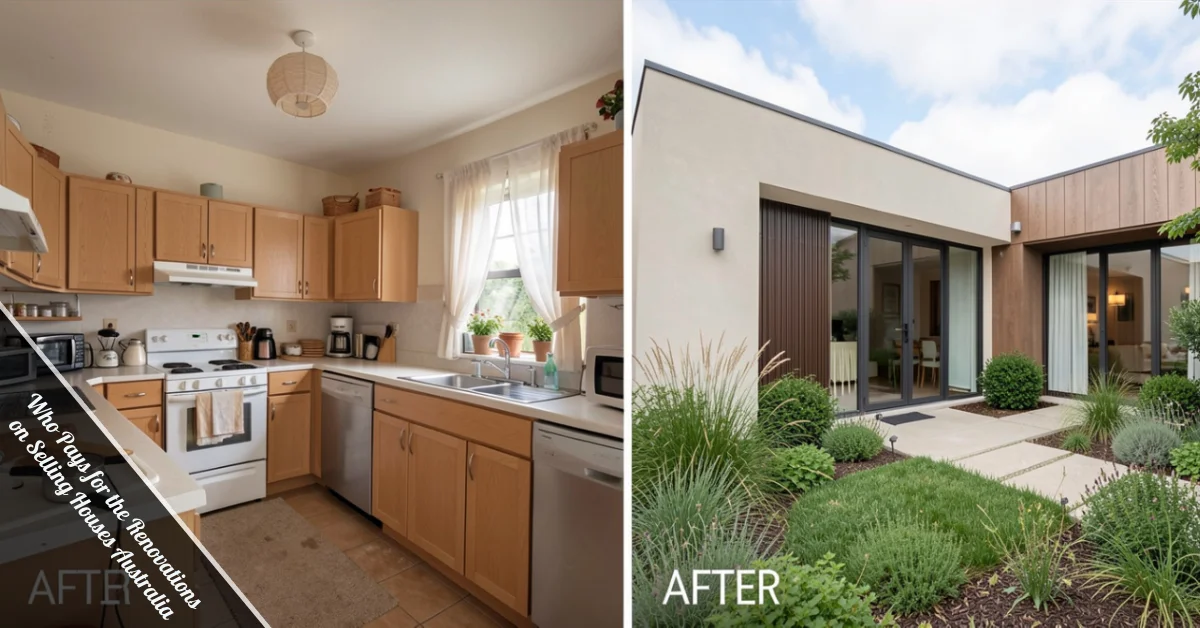
You’ve watched Andrew Winter drop truth bombs while Wendy Moore waves her magic wand over another tired Aussie home. The transformation is ridiculous—like watching a caterpillar turn into a butterfly on caffeine. But that question keeps nagging: who pays for the renovations on Selling Houses Australia?
Grab a cold one and let’s cut through the TV magic.
The short answer? Homeowners chip in what they can, sponsors cover a chunk, and the hosts work for free. But that’s like saying a Bunnings snag is “just a sausage.” There’s way more sizzle here.
The Real Deal on Who Pays
Here’s the truth bomb: the budgets you see on screen? They’re real. Well, sort of.
Homeowners contribute the maximum they can afford—we’re talking $20,000 to $75,000, depending on the property and what needs fixing. But here’s where it gets juicy. That budget excludes labour, which anyone who’s ever hired a tradie knows can blow out faster than your credit card at a Freedom sale.
The show’s sponsors step up with materials. We’re talking paint from Dulux, hardware from Bunnings, furniture from Freedom. This is why a $40,000 homeowner budget can deliver a $150,000-looking renovation. It’s renovation maths, and it actually works.
How Wendy and Dennis Split the Cash
Ever wonder how they decide between a new bathroom or a deck that’ll make your neighbours weep?
Wendy Moore and Dennis Scott basically arm-wrestle over the budget—professionally speaking. They negotiate to figure out what’ll deliver the biggest bang for your buck at auction.
If the inside feels like 1995 threw up, Wendy gets more coin. But if the backyard’s the hero—or could be—Dennis grabs a bigger slice for landscaping magic. It’s strategic, not random. Every dollar gets pointed at solving the problem that’s stopping your home from selling.
What Homeowners Actually Pay For
| Expense Type | Who Covers It | Real-World Cost |
|---|---|---|
| Core renovation budget | Homeowner | $20,000–$75,000 |
| Materials (paint, tiles, appliances) | Sponsors mostly | $15,000–$40,000 value |
| Labour (tradies, design expertise) | The show covers it | $20,000–$50,000 saved |
| Staging and styling | Sponsors + show | $5,000–$10,000 value |
That table explains the magic. Homeowners aren’t getting a free ride, but they’re also not paying full freight. The value delivered? Usually two to three times what they actually fork out.
Behind the Scenes: The Sponsor Magic
Here’s something most people miss. When you watch an episode and see that gorgeous new kitchen, half those appliances probably arrived via sponsor deals. Companies like Bunnings and Dulux donate products in exchange for screen time. Smart business, right?
This is why the budgets stretch so far. The show’s production team leverages these partnerships hard. Your $30,000 suddenly buys $80,000 worth of stuff because the materials are essentially free. The homeowners still pay for what matters, but the value stacking is next level.
And the hosts’ time? Not charged. Andrew, Wendy, and Dennis work because they’re part of the show, not because homeowners are paying consulting fees. That alone saves tens of thousands.
Can You Get on the Show? Here’s How
Thinking about applying? Hit up the official application page through Foxtel or the production company. You’ll need a genuine story and a home that’s struggling to sell—not just a place that needs a fresh coat of paint.
They’ll want photos, your location, and the emotional angle. Why’s your home stuck? What’s stopping buyers from falling in love? That human element matters more than you’d think.
But here’s the catch: you still pay. The show isn’t writing cheques for your renovation. They’re bringing expertise, connections, and sponsor deals—but your cash is still on the line.
Real-World Renovation Costs (No TV Magic)
Let’s talk reality for a second. Outside the TV bubble, who pays for the renovations on Selling Houses Australia isn’t the question—it’s who pays for your renovations. And that’s you.
Australian homeowners drop anywhere from $10,000 to $80,000 on pre-sale renovations, depending on what needs love. Here’s what that actually looks like:
- Fresh paint and cosmetic fixes: $3,000–$8,000
- Kitchen refresh (not full rebuild): $15,000–$30,000
- Bathroom upgrade: $10,000–$25,000
- Landscaping that pops: $5,000–$15,000
- Staging and photography: $2,000–$5,000
Sydney and Melbourne tradies charge more than Brisbane or Adelaide. That’s just life. But the principle stays the same: you’re funding this show yourself.
What Adds Actual Value?
Here’s where most people screw up. They renovate like they’re staying forever, not selling next month.
| Renovation Type | Average ROI | Smart Move? |
|---|---|---|
| Kitchen upgrade | 60–80% | Yes, but don’t overcapitalise |
| Bathroom refresh | 50–70% | Usually worth it |
| Landscaping | 20–40% | Only if curb appeal sucks |
| Full home reno | Varies wildly | Risky—know your price ceiling |
That price ceiling thing matters. If your suburb’s top sale is $900,000, spending $100,000 on renovations won’t get you $1 million. Buyers aren’t stupid. They know what the area’s worth.
The Truth About Labour and Hidden Costs
Remember how we said the show covers labour? That’s massive. In real life, tradies charge $50–$120 an hour. Electricians, plumbers, builders—they all add up faster than you’d believe.
Then there are permits for structural work, waste removal nobody budgets for, and temporary accommodation if you need to move out during the reno. Little costs become big costs real quick.
This is why planning matters. The show makes it look easy because they’ve done it a hundred times. Your first renovation? You’ll learn things. Expensive things.
What the Experts Actually Say
Andrew Winter’s said it plenty of times: Selling Houses Australia isn’t about creating dream homes. It’s about fixing what stops a sale.
That might mean ditching the bold paint choices that scare off buyers. Or updating a bathroom that feels like a public pool change room. Sometimes it’s just improving street appeal so people actually get out of their cars.
Wendy and Dennis balance creativity with practicality. They’re not styling for magazine covers—they’re styling for auction day. There’s a difference, and it matters.
TV vs Reality: The Big Differences
On TV, renovations wrap in days. In reality? Weeks. Sometimes months.
The show has a full team, sponsor materials ready to roll, and editors who make it all look seamless. You’ve got you, your phone, and a tradie who might show up Tuesday or Thursday, depending on how another job went.
But here’s the thing: the principles transfer. Fresh neutral paint works everywhere. Good lighting makes any room better. Decluttered spaces sell faster. You don’t need a TV budget to nail the basics.
Quick Answers to What You’re Really Asking
Do homeowners actually pay?
Yes. The core budget comes from them. Always.
Does the show cover everything?
No. Sponsors cover materials, hosts cover labour, but homeowners bring the cash.
Why does it look so cheap on TV?
Because sponsor deals and free work stretch every dollar like elastic.
Can I apply?
Yep. Check the official Selling Houses Australia page and tell your story.
What’s the catch?
You don’t control every design choice. The team takes creative freedom because they know what sells.
The Bottom Line
So, who pays for the renovations on Selling Houses Australia? Homeowners pay what they can. Sponsors and the show stack value on top until it’s something special.
For the rest of us, the lesson is simpler. Plan smart renovations, not expensive ones. Focus on what buyers actually notice. And never forget that price ceiling—because overcapitalising is how dreams become losses.
Whether you’re on TV or selling the old-fashioned way, the goal’s the same: turn your house into somewhere someone falls for the second they walk in.
Got a renovation horror story or a win worth sharing? Drop it below. We’re all learning here.