

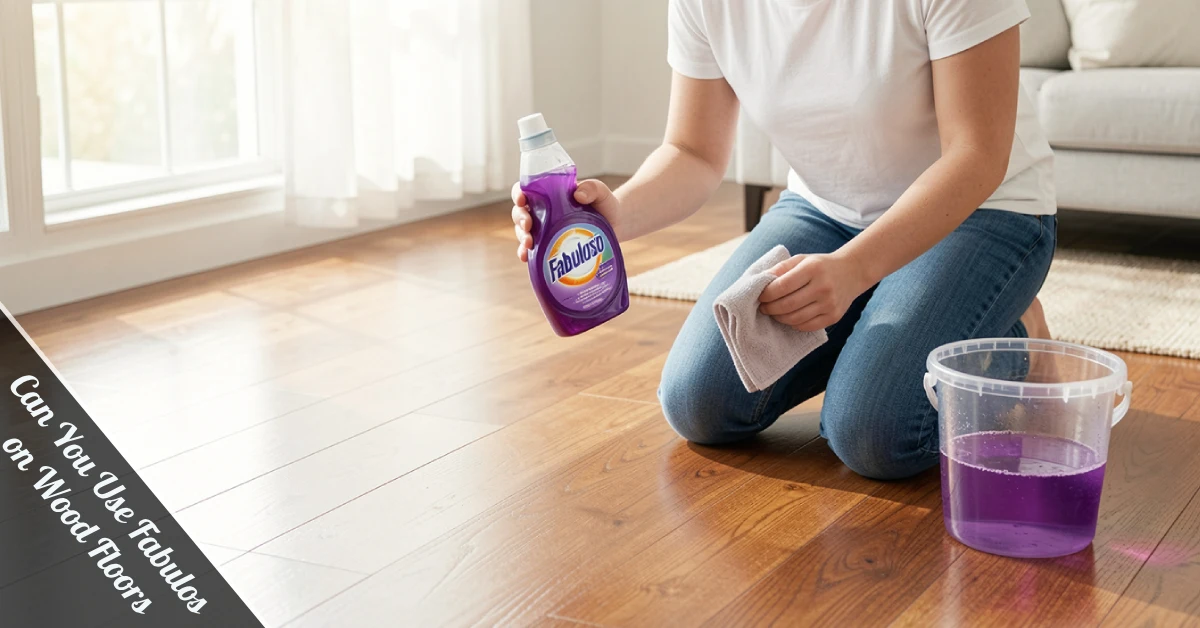
You love that vibrant scent. You know the purple bottle well. Fabuloso has been a go-to cleaner for kitchens, bathrooms, and tile for years. But when you glance at your beautiful hardwood, you pause. The big question pops into your head: can you use Fabuloso on wood floors without wrecking that expensive finish? It is a fair worry. Hardwood feels like the VIP section of your home. You do not let just anyone in. Let us break down the reality so you can clean with confidence and keep those floors looking sharp.
Yes, But It Comes With Rules
Yes, you can technically use it. However, it is not a free-for-all situation. Fabuloso is a versatile cleaner, but wood floors are sensitive. You cannot treat them like your bathroom tile. If you decide to use it, you must be precise. The key is moderation and knowing your floor type. Toss the bottle in the mop bucket straight? Absolutely not. That is a fast track to cloudy finishes and potential swelling.
You need to check if your floor is sealed first. Think of it like this: a sealed floor has a protective raincoat. An unsealed floor is wearing a cotton t-shirt. One repels liquid; the other soaks it up. If your floor is unsealed, can you use Fabuloso on wood floors? The answer shifts to a hard no. The liquid will seep in, causing discoloration and warping. Do the water test we will cover in a minute. It takes ten seconds and saves you hundreds of dollars.
First, Do the Water Test (This Is Crucial)
Before you even grab the mop, you need to diagnose your floor. Grab a dropper or just sprinkle a few drops of water on a hidden spot. Maybe behind the couch or near a corner. Watch what happens.
- If the water beads up: You are in the clear. This means your floor has a solid sealant. The cleaner will sit on top, allowing you to wipe it away safely.
- If the water absorbs: Stop right there. The wood is drinking the water. Using a liquid cleaner here is a recipe for disaster. It will lead to stains, swelling, and permanent damage.
This test is your safety net. It tells you exactly what you are working with. If your floor is unsealed, put the Fabuloso away. Stick to dry cleaning methods or specialized wood cleaners designed to add moisture without drowning the grain.
How to Dilute Fabuloso for Sealed Hardwood
So, you did the test. The water is beading. Good. Now, let us mix your solution. Do not trust your gut on this one. You need to follow the rules. The manufacturer’s instructions are your best friend here. For wood, you want a weaker mix than you would use on tile.
Mix ¼ to ½ cup of Fabuloso with one gallon of water. Warm water works best to dissolve the surfactants. If you use too much soap, you leave a film. That film attracts dirt faster. It also makes the floor look dull and hazy. The goal is a gentle clean, not a bubble bath.
Grab a bucket and a microfiber mop. Avoid string mops. They hold too much water. You want a flat mop or a microfiber cloth. This gives you control. The liquid should be enough to clean, not enough to soak. If your mop is dripping, wring it out again. You want damp, not wet.
The Step-by-Step Cleaning Process
Let us walk through the actual mopping. This is where most people mess up. They treat wood like concrete. You have to be gentle and efficient.
- Sweep or vacuum first. Loose dirt is like sandpaper. If you mop over it, you are grinding debris into the finish. Get the big stuff out of the way.
- Dip and wring. Dip your microfiber mop into the diluted solution. Squeeze it out until it is barely damp. If you can wring water out by hand, it is too wet.
- Mop in sections. Work in small areas. Do not flood the room. Move with the grain of the wood for the best finish.
- Dry immediately. Grab a dry microfiber cloth. Go over the section you just mopped. This removes the final bit of moisture. It prevents water spots and keeps the sealant intact.
This method is not hard. It just requires patience. Rushing through it is how floors get damaged. If you take your time, can you use Fabuloso on wood floors safely? Absolutely. You just have to treat it like a precise task, not a chore to rush through.
Potential Risks You Need to Know
Why do some people say no to this cleaner? Because they have seen the damage. When used incorrectly, the results are ugly. Let us talk about the risks so you know what to avoid.
Discoloration is the biggest issue. If the chemical sits too long or is too concentrated, it strips the finish. You end up with cloudy patches or white streaks. It looks like a ghost is haunting your floor.
Swelling happens when too much water hits the seams. Wood expands when wet. If you over-saturate, the planks can buckle. That is not a cheap fix. You are looking at replacing sections of the floor.
Residue build-up is another sneaky problem. Because Fabuloso contains fragrances and surfactants, it leaves a film if you use too much. Over time, that film traps dirt. Your floors look clean right after mopping, but they look dull a day later.
What About Other Floor Types?
While we are focusing on wood, you might have other surfaces in your home. Fabuloso works well on tile, linoleum, and laminate. For tile, you can use a stronger mix. Pay attention to the grout lines. A soft brush helps dig out the gunk there.
For laminate, you want to be careful. Laminate is not real wood, but water is still an enemy. Use a very damp mop, never wet. Dry it quickly. The same rules apply: less is more. If you have a mix of tile and wood in your home, keep two different mop heads. You do not want to transfer heavy tile cleaner residue onto your wood.
Smarter Alternatives for Wood Floors
Maybe you want to skip the guesswork. That is fair. There are products designed specifically for hardwood. They balance the pH and protect the sealant. Look for a hardwood floor cleaner from brands like Bona or Murphy’s Oil Soap (used correctly).
If you prefer a natural route, a simple mix of water and white vinegar works. Use one cup of vinegar per gallon of water. Vinegar cuts through grease and dries clean. However, do not use it on unsealed wood. Acid can damage raw wood. Always test a spot first.
Another great habit is using throw rugs in high-traffic areas. Entryways, kitchens, and hallways take the most abuse. A rug catches the dirt and moisture before it hits your wood. It adds life to the floor and reduces how often you have to mop.
Do’s and Don’ts for Wood Floor Cleaning
To make this simple, here is a quick reference table. Save this for later.
| Do’s | Don’ts |
|---|---|
| Do use a microfiber mop for better control. | Don’t pour cleaner directly onto the floor. |
| Do wring the mop until it is barely damp. | Don’t use steam mops on wood. Steam destroys the seal. |
| Do clean up spills immediately. | Don’t let liquid sit for more than a few minutes. |
| Do sweep or vacuum before mopping. | Don’t mix Fabuloso with bleach or ammonia. |
| Do use furniture pads under legs. | Don’t walk on the floor with wet shoes. |
This list keeps you safe. If you stick to the “do” column, your floors will last for decades. It is about forming good habits. Cleaning should be maintenance, not a rescue mission.
Maintaining Hardwood Floors Between Washes
You do not need to mop every day. In fact, you should not. Over-washing wears down the finish. Instead, focus on dry maintenance. A quick sweep or vacuum with a soft brush attachment grabs the grit before it scratches.
Place doormats at every entrance. This is a cheat code for clean floors. If people wipe their shoes twice, they reduce the dirt by 80%. Ask guests to remove their shoes if it is rainy or muddy. It feels like a small ask, but your floor will thank you.
If you have squeaky floors, do not stress. That is usually a weather issue, not a structural failure. Gaps in planks or humidity changes cause noise. It is annoying, but it is not a sign that your cleaning method is failing.
When to Call a Professional
Sometimes you need backup. If you notice deep stains that will not lift, call a flooring contractor. If the finish is peeling or the wood is buckling, DIY fixes will not cut it. Professionals have the tools to sand, reseal, and repair without making it worse.
If you are unsure about the type of wood you have, it is worth a consultation. Guessing costs money. A pro can identify whether your floor is sealed, what material it is, and what products are safe. It is cheaper than replacing a whole room of hardwood.
Conclusion: Should You Use It or Skip It?
So, can you use Fabuloso on wood floors? The answer is yes, but only if your floors are sealed and you dilute properly. Use a microfiber mop. Keep it damp, never wet. Dry immediately. If you follow the steps, you get the clean and the scent without the damage.
If your floors are unsealed, skip it. Stick to a vacuum and a dry cloth. Or use a cleaner made specifically for raw wood. Your floors are an investment. Treat them like one. A little care today saves you from costly repairs tomorrow.
Do you have a favorite floor cleaner you trust? Drop a comment below. We are always looking for the next best trick to keep homes looking sharp.