

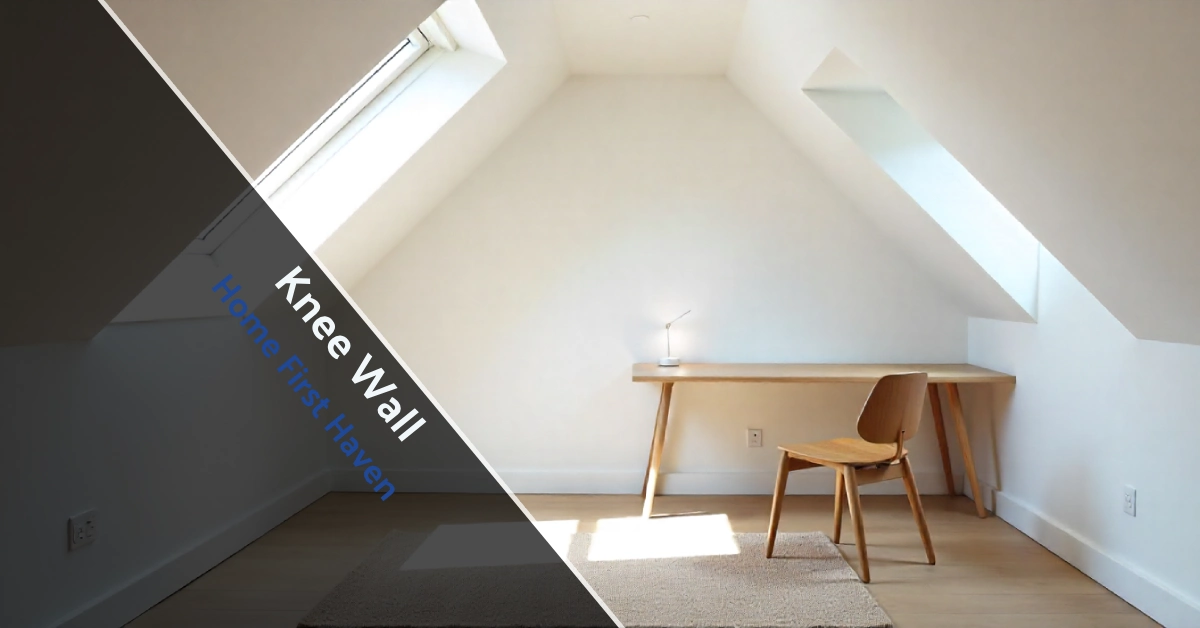
You’ve been eyeing that attic space. Maybe you’re thinking storage, maybe a home office, or even a killer guest room. Then someone drops the term “knee wall,” and you’re standing there nodding like you totally get it. Spoiler: most people don’t, and that’s a problem when you’re planning a renovation that could cost you thousands. A knee wall isn’t just some obscure builder jargon—it’s the vertical wall that can make or break how you use attic space. Get it right, and you unlock serious square footage. Mess it up, and you’re stuck with awkward angles, wasted space, and an energy bill that makes you wince.
This isn’t about being a construction nerd. It’s about making smart calls that save you money and frustration down the road.
The Knee Wall Breakdown You Actually Need
A knee wall is that short vertical wall sitting between your top floor ceiling and where your roof starts sloping. Think of it as the buffer zone that keeps your attic from feeling like a claustrophobic cave. Without it, you’d be ducking and dodging rafters every time you walk around up there. This wall typically stands somewhere between one and five feet tall, though three feet is the sweet spot most builders aim for. It supports your roof rafters while creating usable vertical space.
The name comes from its height—roughly where your knee hits when you’re standing upright. Original, right? But here’s the thing: that seemingly simple wall determines whether your attic becomes a livable space or just another junk graveyard. Older homes almost always have them because back then, attics were designed to be functional rooms, not just insulation storage. Modern builds sometimes skip them to save cash, which is why newer attics often feel cramped.
You’ll spot a knee wall when you see a room with a sloped ceiling on the sides. That’s your first clue that there’s attic or roof space tucked behind that wall. Another dead giveaway? Attic access that’s perpendicular to the floor rather than a pull-down ladder from the ceiling itself.
Why This Wall Changes Everything About Your Space
Without a knee wall, your attic is basically unusable unless you’re okay crawling around on all fours. That sloped roof starts right at floor level, which means zero wall space for furniture, storage, or anything practical. You get maybe a two-foot-wide strip down the center where you can actually stand up straight. That’s it. The knee wall pushes that slope back, giving you proper vertical walls where you can put dressers, desks, or shelving units.
Here’s where it gets interesting: every extra foot of knee wall height translates to more functional square footage. A thirty-centimeter wall barely gives you anything—maybe some low storage bins you’ll forget about. Bump that up to seventy or one hundred centimeters, and suddenly you’ve got room for actual furniture against the wall. Go over one hundred centimeters, and you’re practically dealing with a standard room that just happens to have angled ceilings.
Space isn’t the only win. Higher knee walls mean bigger windows, which flood the room with natural light instead of that dim attic dungeon vibe. You also get better airflow and ventilation, which keeps the space from turning into a stuffy hotbox come summer.
But there’s a catch—higher knee walls cost more to build and can make your house look bulkier from the outside. Some neighborhoods have strict building codes about maximum knee wall heights, so you can’t just go wild. Check your local development plan before you start drawing up blueprints, or you’ll be redoing paperwork and plans.
The Height Dilemma: Low vs High Knee Walls
This is where homeowners get stuck. Go too low, and you waste the potential of your attic. Go too high, and you’re dropping serious cash for a feature that might not match your needs or local regulations.
Low knee walls (30-50 cm) are budget-friendly and keep your home’s exterior looking sleek. Some people swear by the aesthetic—it’s clean, traditional, less imposing. The downside? You’re sacrificing usable floor space. You can’t fit much furniture against those walls, and forget about standing near the edges without hunching over. Low knee walls work if you’re using the attic purely for occasional storage or don’t plan on spending much time up there.
Medium knee walls (70-100 cm) hit the sweet spot for most people. You get enough wall height to place furniture comfortably without breaking the bank on construction costs. This range is popular because it balances functionality with affordability. You can set up a desk, a bookshelf, maybe even a small bed. It’s not quite a full-height room, but it’s close enough that you won’t feel cramped. This is the go-to if you’re planning a home office, kids’ playroom, or guest space.
High knee walls (over 100 cm) turn your attic into something that feels like a proper room. You get maximum usable space, full-height furniture placement, and those big windows that make the space feel airy. The tradeoff? Higher building costs, and your house might look bulkier or taller from the street. Some people love that look; others think it throws off the home’s proportions. If you’re planning to use the attic as a primary bedroom or a long-term living space, the investment usually pays off.
Your decision should hinge on how you’ll actually use the space. Planning a playroom for kids who’ll grow into teenagers? Go higher. Just need overflow storage for holiday decorations? Keep it low and save the cash.
Common Knee Wall Problems That’ll Cost You
The biggest issue with knee walls isn’t structural—it’s insulation. Or rather, the lack of it. Builders often overlook knee walls when adding insulation, leaving a giant gap that lets outside air pour into your home. That means your attic space swings between freezing in winter and sweltering in summer, no matter how much you crank the thermostat. It also means your energy bills creep up because your HVAC system is fighting a losing battle.
Here’s the thing: knee walls are technically part of your home’s thermal envelope, which means they need proper insulation and an air seal. Skip that, and you’re basically leaving a window open year-round. Cold drafts, hot spots, uncomfortable temperatures—all because someone didn’t seal that wall properly during construction or renovation. This is especially common in older homes where insulation standards were different or nonexistent.
Another problem? Poor structural planning. If your knee wall isn’t properly supporting the rafters, you risk sagging roofs or structural issues down the line. This happens when DIY renovations skip the engineering basics or when builders cut corners to save time. It’s rare, but when it happens, it’s expensive to fix. Always work with a contractor who understands load-bearing walls and roof support.
The good news? These problems are fixable. A home energy audit can pinpoint exactly where air is leaking through your knee walls. A blower door test takes it further by measuring overall air leakage in your home. Once you know what you’re dealing with, you can add proper insulation—spray foam works great because it creates that critical air seal—and make your attic space actually comfortable. Don’t skip this step if you’re serious about using the space regularly.
How Knee Walls Work with Different Roof Types
Not every roof is built for a knee wall, but most can accommodate one with the right planning. Gable roofs—the classic triangular shape—are perfect because they create symmetrical attic space on both sides. You get even knee wall heights, which makes furniture placement straightforward and room layouts predictable. This is why most older homes with finished attics have gable roofs.
Single-pitch roofs (one long slope) can also work with knee walls, but you only get usable space on one side. The other side slopes too aggressively to be functional, so you’re left with a lopsided layout. It’s less common but can work if you’re strategic about how you design the room. Think of it as a challenge—maximize the high side, and use the low side for built-in storage or mechanical systems.
Hipped roofs (slopes on all four sides) are trickier because the roof comes down from multiple angles. You can still add a knee wall, but you’ll have less usable space overall. The corners get tight, and you lose square footage compared to a gable roof. That said, hipped roofs are great for wind resistance, so if you’re in a hurricane or high-wind zone, the tradeoff might be worth it.
Modular homes and modern builds sometimes skip knee walls entirely to keep construction simple and costs down. If you’re working with a builder, ask about adding them early in the design phase. Retrofitting a knee wall into an existing home is possible, but more expensive than building it in from the start.
Creative Ways to Use Knee Wall Space
Most people think of knee walls as structural necessities, not design opportunities. That’s a mistake. The space behind or along a knee wall is prime real estate for built-in storage solutions that keep your attic organized and functional. Think custom shelving, pull-out drawers, or even small closets tucked into the angled space. This is especially useful in kids’ rooms or guest spaces where you need storage but don’t want clunky furniture eating up floor space.
You can also use the knee wall itself as seating. Add some cushions or upholstery, and you’ve got a window bench that doubles as extra storage underneath. It’s a classic move in finished attics and adds charm without taking up valuable walking space. This works best with medium to high knee walls where the seating height feels natural.
Another option: turn the knee wall into a display area for books, plants, or decorative items. Low shelving along the wall keeps things accessible without requiring you to crouch down constantly. Just make sure whatever you’re storing there can handle temperature fluctuations if your insulation isn’t top-tier. Some people use knee wall spaces for mechanical systems like HVAC units or plumbing access points, keeping those elements hidden while maintaining easy service access.
If privacy is a concern—say, your attic space opens up to a hallway or stairwell—the knee wall naturally creates separation without needing full walls or doors. It’s a subtle way to define spaces in an open floor plan.
Planning Your Knee Wall: What You Need to Know
Start with your local building codes. Seriously. Some municipalities cap knee wall heights or have specific insulation requirements you can’t ignore. Check your development plan before you start designing anything, or you’ll waste time and money on plans that won’t pass inspection. This is especially important if you’re in a historic district or HOA-controlled neighborhood where exterior appearance matters.
Next, think about how you’ll actually use the space. A home office needs different considerations than a playroom or guest bedroom. Offices benefit from higher knee walls for better window placement and desk setup. Playrooms can work with medium heights since kids are shorter and don’t need full standing clearance everywhere. Guest bedrooms should aim for maximum comfort, which usually means going higher.
Roof pitch matters more than people realize. A steeper roof pitch naturally creates more usable attic space, which means you might not need as high a knee wall. Shallow pitches require taller knee walls to get the same functional space. Work with your architect or builder to find the right balance between roof angle and wall height.
Budget realistically. Higher knee walls mean more materials, more labor, and potentially more expensive finishes. If you’re working with a fixed budget, decide what matters most: space, aesthetics, or cost savings. Sometimes it’s smarter to go with a medium knee wall and invest the savings in better insulation or finishes that’ll make the space more comfortable long-term.
Final Thoughts on Getting This Right
A knee wall isn’t sexy. It’s not going to show up on your Pinterest board or impress your friends at a dinner party. But it’s one of those structural decisions that quietly determines whether your attic becomes an asset or a liability. Get the height right, insulate it properly, and plan around your actual needs—not some generic builder spec—and you’ll unlock space that adds real value to your home.
Skip the research or cheap out on construction, and you’re stuck with a space that’s too hot, too cold, too cramped, or too awkward to use. That’s wasted square footage you’re paying property taxes on without getting any benefit. Do it right the first time, and you won’t think twice about that knee wall again. You’ll just enjoy the extra room.