

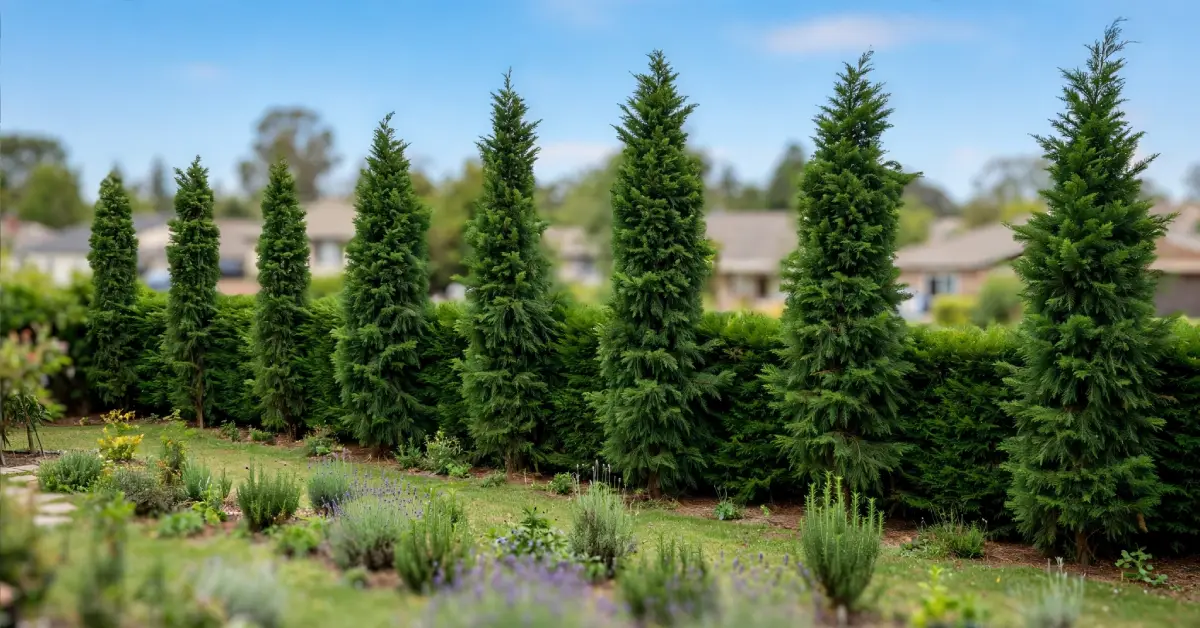
Leyland cypress is not a naturally occurring species. It is a hybrid between Monterey cypress and Nootka cypress, first found growing on a British estate in the late 1800s. The cross produced a tree with the speed of one parent and the cold tolerance of the other, which is why it spread so quickly through gardens and farms once nurseries began propagating it.
The tree has soft, feathery, blue-green to dark green foliage on flattened branchlets, and it forms a dense pyramidal or columnar shape when left unpruned. That density is exactly why homeowners plant it. A row of young trees closes into a solid green wall faster than almost any other evergreen sold at garden centres.
Because it tolerates a wide range of soils and climates, Leyland cypress has become one of the most common landscape trees across the southern and eastern United States, and it is widely planted in the UK as well, where it is often sold simply as a fast hedging conifer.
It grows well in USDA hardiness zones 6 through 10, which covers most of the southern and mid-Atlantic US, and it performs similarly across the milder, wetter climate found in much of the UK. Cold hardiness runs to around minus 8 degrees Fahrenheit, so winter damage is rarely the limiting factor. Site selection and drainage matter far more than climate zone.
Retailers sell Leyland cypress under a few different scientific names, including x Cupressocyparis leylandii and the more recently accepted x Hesperotropsis leylandii. Both refer to the same plant, so the naming difference on a plant tag or website is not a reason for concern.
How Fast Does Leyland Cypress Grow
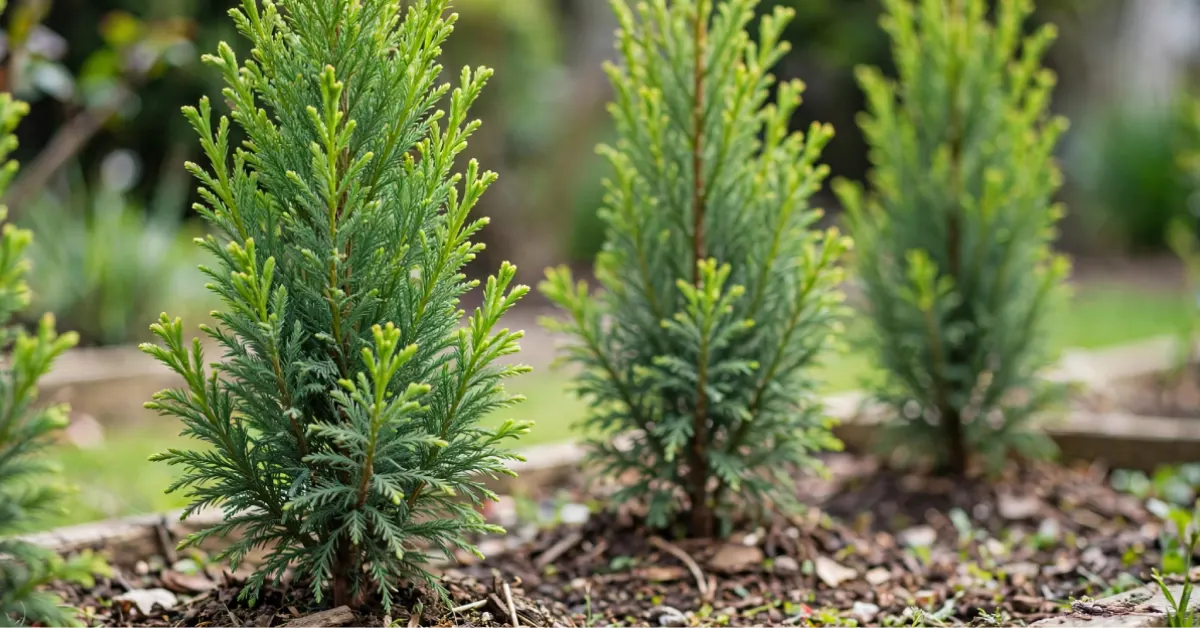
Growth rate is the main reason people choose this tree over slower conifers. Most extension sources agree on a similar range, though the exact figure depends on soil, water and climate.
- Three to four feet of height per year on typical, moderately fertile sites
- Up to four feet in a single year on richer soil with regular watering
- Slightly slower growth, closer to two to three feet a year, once the tree matures past its first decade
A University of Georgia Extension agent, Tim Daly, has noted that Leyland cypress is popular largely because of its fast growth and its ability to screen out traffic or neighbours. That speed is real, but it comes with a trade-off: a tree this fast rarely stops growing where you want it to.
Growth rate also depends heavily on watering during the first two summers after planting. A tree left to establish on rainfall alone in a dry climate will grow closer to the low end of that range, while one watered consistently through its first two growing seasons can hit the higher figures reported by nurseries. Fertiliser helps too, though it matters less than water and sunlight. Extension guidance generally recommends a balanced, slow-release fertiliser applied in early spring rather than repeated light feedings through the season.
Growth also is not perfectly even across the tree. Height tends to outpace width in the first few years, which is why a newly planted hedge often looks tall and thin before it fills out sideways. Give it three to four growing seasons before judging whether the spacing was right.
Leyland Cypress Size At Maturity
This is where many buyers get caught out. A three-gallon nursery pot gives no visual clue that the tree inside will eventually dwarf a two-story house.
At full maturity, expect:
- Height of 40 to 70 feet, with some older specimens exceeding 100 feet where conditions allow
- Spread of 15 to 30 feet, depending on spacing and pruning history
- A narrow, columnar crown when grown close to other trees, or a broader pyramidal shape when grown alone
If you are planting for a six-foot privacy screen, a Leyland cypress will get there quickly and then keep climbing for decades unless you commit to regular topping. That maintenance burden is worth weighing before you plant.
Mature size also varies noticeably by cultivar. ‘Naylor’s Blue’ tends to stay closer to the 40 to 50 foot range with blue-green foliage, while some of the older, unselected plantings sold simply as generic Leyland cypress have been recorded well above 70 feet in ideal growing conditions. If a specific mature height matters for your site, ask the nursery which cultivar they are selling rather than assuming all Leyland cypress trees behave the same way.
A tree this large also needs proportional root space. Planting within a few feet of a foundation, driveway or septic field is a common mistake, since roots can eventually interfere with underground structures even though Leyland cypress does not have an especially aggressive root system compared with species like willow or poplar.
Best Spacing For A Leyland Cypress Hedge
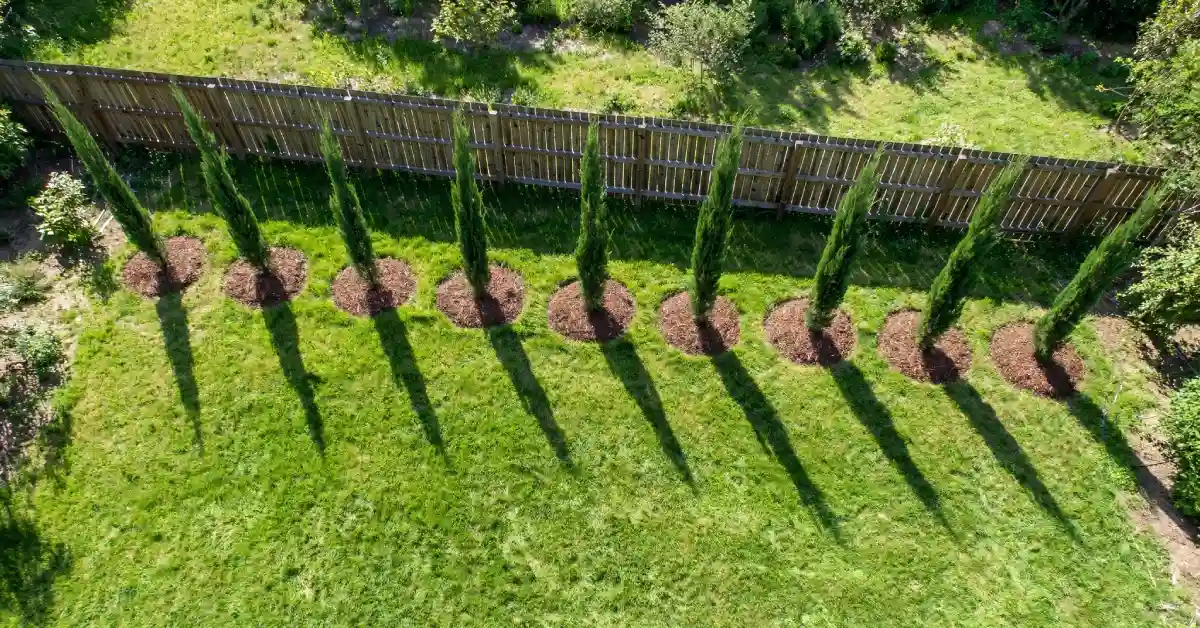
Spacing is the single most common mistake with this species. Buyers want an instant screen, so they plant trees close together, four to six feet apart. That approach works for two or three years, then the canopy crowds in on itself, air circulation drops, and disease pressure rises sharply.
Extension agents recommend a wider approach:
- Measure the mature spread of the cultivar you are buying, usually 15 to 25 feet
- Space trees 12 to 15 feet apart, measured from trunk centre to trunk centre
- Keep at least 15 feet of distance from the house, fence line or any other permanent structure
- Avoid planting directly on a property boundary, since the canopy will eventually extend into your neighbour’s space
If a tight screen right now matters more than a healthy hedge in ten years, consider a faster interim planting, such as a row of shrubs, while the cypress trees fill in at a wider spacing.
Sunlight, Soil And Water Needs
Leyland cypress needs full sun. Partial shade reduces vigour and makes the tree more vulnerable to the diseases covered below, so pick the sunniest spot available.
Soil drainage matters more than soil type. The species tolerates clay, sandy loam and mixed soils, but it does poorly in anything that stays wet. Before planting, dig a test hole about a foot deep, fill it with water, and check how long it takes to drain. If standing water remains after eight hours, the site is too wet for this tree, and grading or a different species with better tolerance for damp ground is the safer choice. If you are already dealing with an area of the garden that struggles to drain, our guide on setting up an irrigation valve box has practical steps for managing water flow on tricky sites.
Once established, water deeply, about three-quarters of an inch to one inch per week, rather than watering lightly every day. Shallow, frequent watering encourages a shallow root system, which then makes the tree more prone to drought stress in dry spells.
Common Leyland Cypress Diseases And Pests
 Better Alternatives To Leyland Cypress
This is the section most product listings skip, and it is the reason so many established hedges look healthy for a decade, then die back within a season or two.
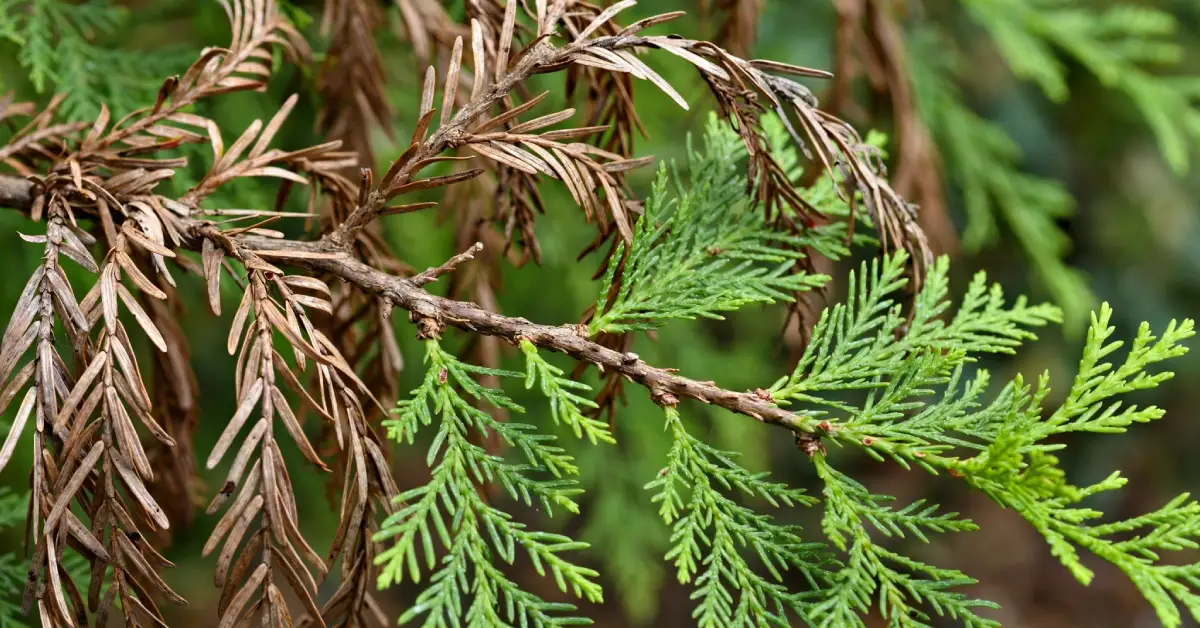
The two main diseases are Seiridium canker and Botryosphaeria canker. Both cause individual branches to brown and die while the rest of the tree looks normal at first. University of Georgia Extension has reported that Seiridium canker is the more common and more destructive of the two in the Southeast, and that once a canker reaches the main trunk, there is no chemical treatment that reverses it.
Signs to watch for include:
- Sunken, discoloured patches of bark, sometimes oozing resin or yellow sap
- Individual branches turning brown while nearby branches stay green
- Needles that fall easily when you run a hand along an affected branch
- Thinning at the base of the tree as lower branches decline first
Bagworms and spider mites are the most common insect pests, and root rot can develop in poorly drained soil. Extension research also points to an effective lifespan of only 15 to 20 years for most planted Leyland cypress trees, which is worth factoring in if you are choosing a hedge you expect to outlast a mortgage.
Disease pressure is not random. It tracks closely with the planting mistakes covered earlier in this guide. Tight spacing blocks airflow through the canopy, which keeps foliage damp longer after rain and gives fungal spores a better chance to establish. Overwatering has the same effect from the opposite direction, keeping the root zone and lower branches consistently wet. Extension pathologists have also flagged monoculture plantings, meaning long unbroken rows of a single species, as part of the problem, since a pathogen that infects one tree has an easy path to the next.
There is no cure once canker reaches the main trunk of a tree, and fungicides offer limited protection even on individual branches caught early. For that reason, most extension offices now recommend prevention through correct spacing and site selection over trying to treat an established infection. If a tree in a hedge dies, remove it, disinfect any tools used, and consider replacing it with a different species rather than another Leyland cypress in the same spot.
Pruning And Long-Term Care
Prune while the tree is young to encourage dense growth from the base, since Leyland cypress does not reliably resprout from old, bare wood the way some hedging plants do. Once a section thins out, it typically stays thin.
Sanitise pruning tools between cuts, especially if you suspect canker in the planting. The fungal spores that cause canker spread through wounds, including the ones made by pruning shears and lawn equipment, so a quick wipe with rubbing alcohol between trees is a cheap way to slow transmission.
Watch for stress signals during hot, dry summers. Needles nearest the trunk may yellow and drop first as a natural response to drought, and consistent deep watering during dry spells is usually enough to bring the tree back.
Better Alternatives To Leyland Cypress
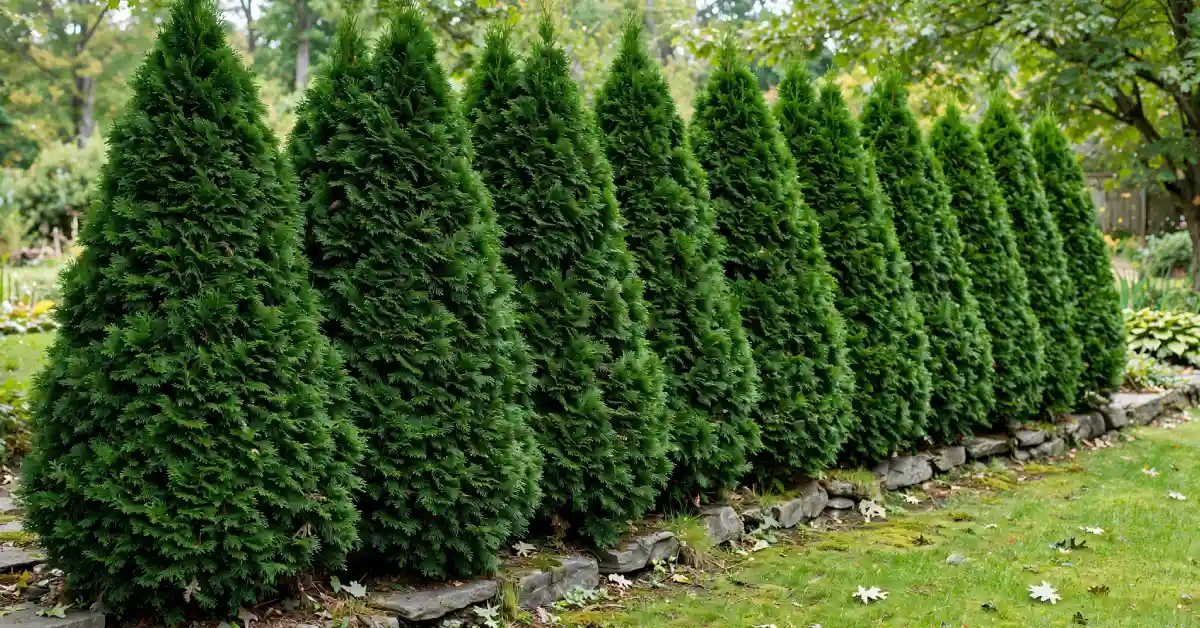
If the size, lifespan or disease risk gives you pause, a few other evergreens offer similar screening with fewer long-term headaches.
- Thuja ‘Green Giant’: Grows 3 to 5 feet a year, reaches 40 to 60 feet, and has shown strong resistance to the canker diseases that affect Leyland cypress. It is increasingly used across the southern US specifically to replace failing Leyland hedges.
- Nellie Stevens Holly: Slower at 2 to 3 feet a year, tops out around 15 to 20 feet, and adds berries for winter colour and wildlife interest. If you plan to cut branches for indoor arrangements, our guide to preserving flowers and foliage can help the greenery last once it’s inside.
- Pyracantha: A thorny, shearable evergreen suited to smaller spaces, useful where a dense barrier matters more than height.
None of these is a perfect drop-in replacement. Each has its own spacing and soil preferences, so match the plant to the site rather than choosing on growth speed alone. And if your screening plan includes a wildlife-friendly water feature nearby, our pond guide covers how to keep that part of the garden healthy too.
FAQs
How fast does Leyland cypress grow?
Most Leyland cypress trees grow three to four feet in height per year on decent soil with regular water, slowing slightly as the tree matures past ten years old.
How far apart should you plant Leyland cypress?
Extension agents recommend spacing trees 12 to 15 feet apart, measured centre to centre, and keeping at least 15 feet of distance from any structure.
How long do Leyland cypress trees live?
Most planted Leyland cypress trees have an effective lifespan of 15 to 20 years before disease or structural decline sets in.
What is killing my Leyland cypress trees?
Seiridium canker and Botryosphaeria canker are the most common causes of dieback, along with root rot in poorly drained soil and drought stress from the tree’s shallow root system.
What can I plant instead of Leyland cypress?
Thuja ‘Green Giant’ is the most common substitute, offering similar speed and height with better disease resistance. Nellie Stevens Holly is a smaller, slower option with added winter interest.